 NexSms官方博客
When it comes to "overseas virtual numbers" for global business or daily registration of overseas services, many people's first reaction is still to buy a Google Voice (GV) or apply for a free TextNow. For a long time, such numbers were synonymous with low-cost access to US phone numbers.
But by 2026, more and more cross-border sellers, social media operators, and independent developers are finding that their traditional overseas virtual numbers are turning into a "time bomb": either they are rejected outright when registering for core applications, or they trigger a ban after simply logging in from a different network; even if carefully maintained, forgetting to send text messages regularly can lead to ruthless recycling.
When the energy cost of maintaining a virtual number exceeds the business itself, we need to re-examine: what exactly are overseas platforms blocking in 2026? What kind of number solution can both pass verification and not require daily maintenance?
I. Why are virtual numbers represented by Google Voice and TextNow becoming increasingly difficult to use?
Recently, a large number of users have reported that overseas virtual numbers are "failing," and the reason behind this is not an occasional rule adjustment by a single platform, but the combined outbreak of three levels of problems:
1. Platform risk control upgrade: Check the "household registration" before sending codes (HLR and line identification)
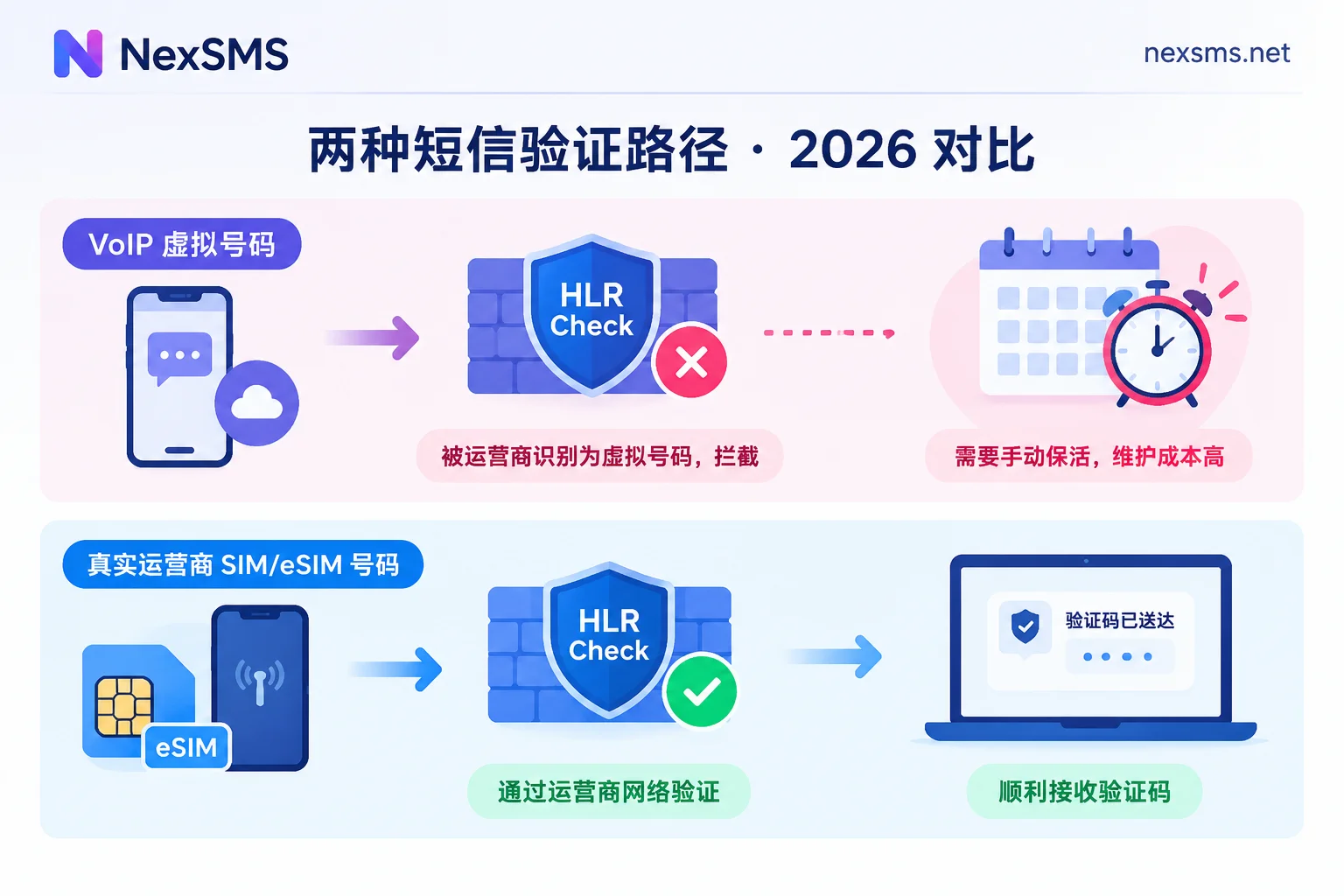
Nowadays, major overseas platforms generally perform an HLR (Home Location Register) query and carrier type comparison before sending verification codes. The system automatically identifies whether the number you enter is a real mobile carrier line or a VoIP virtual number based on internet telephony.
Whether it's Google Voice or TextNow, they are essentially VoIP virtual landline numbers at the underlying number attribute level. When facing AI tools like OpenAI and Claude, or social media apps with high authenticity requirements like WhatsApp and Telegram, once identified as a VoIP line, you may at best get a hard block saying "This phone number cannot be used for verification," or at worst trigger mandatory re-verification a few days after registration.
2. Heavy mental burden of maintaining the number: "Receive only, don't send" still gets recycled
Many people buy Google Voice for "once and for all" verification code reception, but its keep-alive rules are the opposite: passively receiving SMS verification codes is not considered active behavior. If you haven't actively made calls or sent texts for several consecutive months, the number will be forcibly recycled by the official due to "long-term inactivity."
As for free apps like TextNow, the recycling cycle is even shorter—if you don't operate for a few days, the number will flow back into the public pool and be assigned to someone else. To keep a number for receiving verification codes, users have to set calendar reminders and regularly send texts to each other; once forgotten and the reclaim deadline is missed, all overseas accounts bound to it will instantly lose their security fallback.
3. The account itself is highly prone to associated bans
Besides expiration and recycling, Google Voice itself is a target of Google's strict risk control. Switching between multiple devices, frequent IP node changes, or even a new number receiving verification texts from multiple platforms in a short period can directly lead to account suspension. You originally wanted a number to provide security verification for other business accounts, but end up spending more effort on "ban prevention" and writing appeal letters for the number itself.
II. Break free from the "number farming" cycle: Split needs into two categories based on verification frequency
Actually, most people searching for overseas virtual numbers don't really need to use them for long calls with overseas clients; their core demand is just one—to receive SMS verification codes smoothly and securely.
Since traditional internet virtual numbers are both hard to pass risk control and require manual keep-alive, a more worry-free approach is to abandon the obsession of "raising a VoIP virtual number yourself" and instead use segmented number sources provided by professional verification platforms. On NexSMS, you can precisely split your verification needs into two categories based on the importance of the account and whether you need to receive verification codes again later:
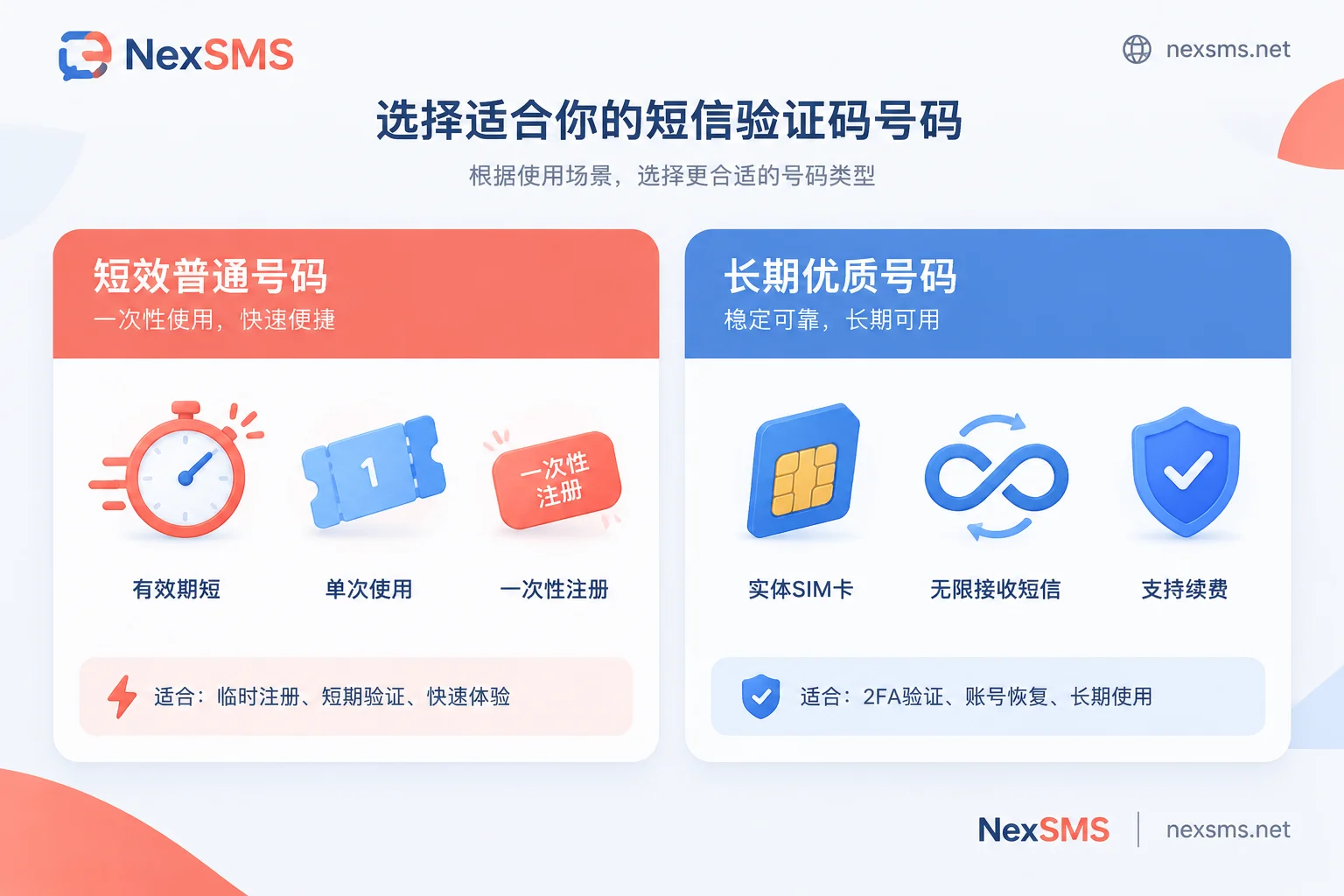
Scenario A: One-time registration and temporary testing → Choose "Short-term Regular Number"
If you just want to temporarily register for an overseas non-core website, experience a newly launched application, or do a one-time API test, you don't need to hold a long-term number at all.
- Features and boundaries: Pay-per-use, extremely low cost; short validity period, one number receives only one verification code, used and discarded, no renewal, no second reception.
- Advantages: No need to worry about subsequent number maintenance, nor whether the number will be recycled after three months; use it as you need.
Scenario B: Core business, two-factor authentication, and long-term holding → Choose "Long-term Premium Number"
If you are registering for high-value accounts like Amazon, PayPal, Apple, X (Twitter), or you know that the platform often triggers two-factor authentication when logging in from a different location (for why you still need a number even with an authenticator, refer to the previous article "Why Keep a Long-term Verification Number After Binding an Authenticator?"), then neither short-term numbers nor ordinary VoIP virtual numbers are suitable for you.
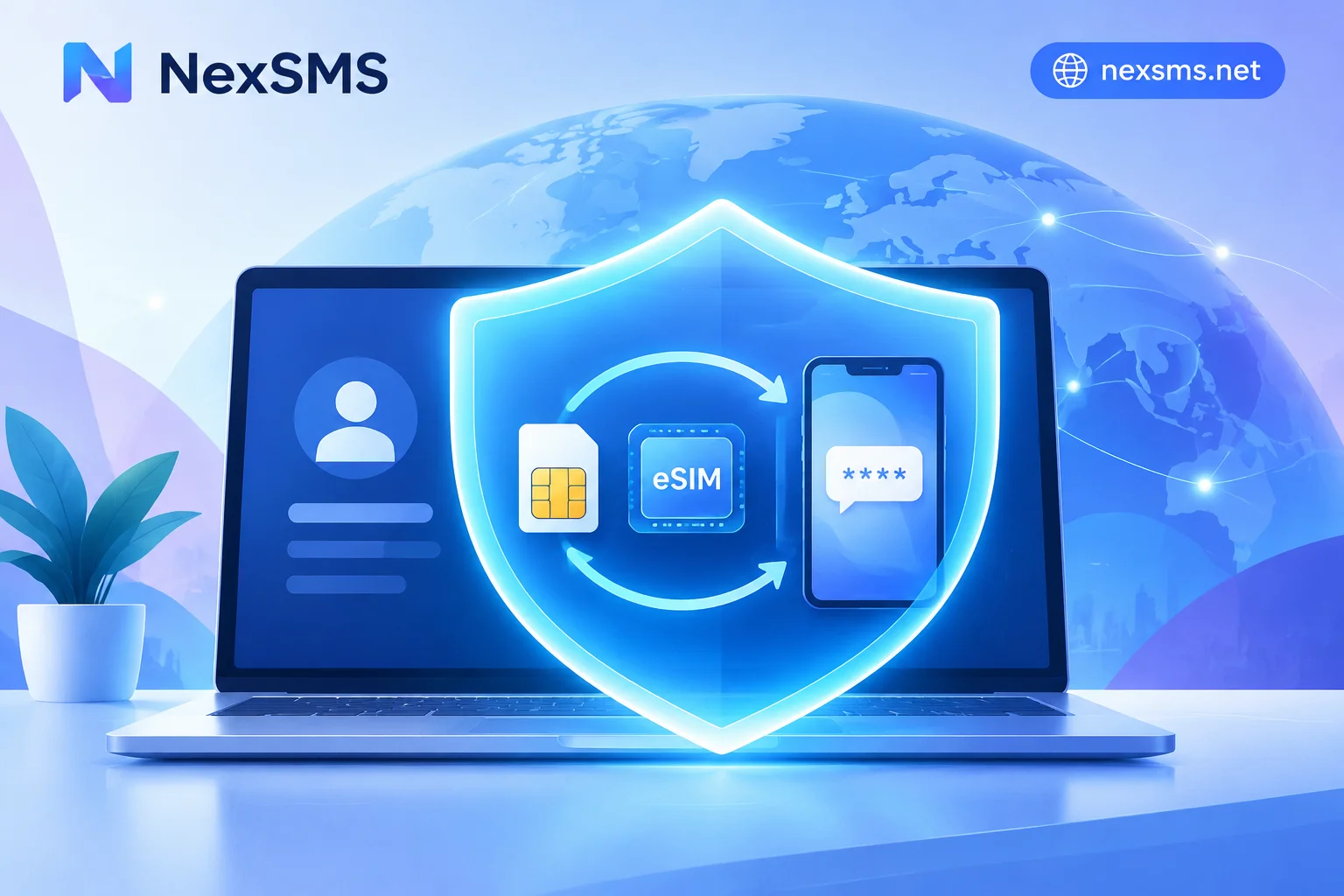
- Underlying difference: NexSMS's long-term premium numbers use real carrier local numbers (local physical SIM cards and eSIMs), definitely not the flood of virtual landline numbers (VoIP) on the market. When facing platform HLR line detection, it has the natural attribute of a local real carrier.
- Worry-free renewal: Within the validity period, the same long-term number can receive verification codes unlimited times, very suitable for multi-platform binding, two-factor authentication, and account recovery; as long as you renew before expiration, you can continue to hold it, completely saying goodbye to the tedious operation of "setting an alarm every three months to send texts for keep-alive."
💡 Additional note: If you just want to test the web-based code reception process, the NexSMS official website also provides several US free public numbers (log in to view verification codes). But please note that messages received by public numbers are visible to everyone, so never use them for any important or privacy-related accounts!
III. 3 Practical Tips for Choosing Overseas Numbers on NexSMS
Because no verification platform can promise 100% bypassing the target platform's dynamic risk control rules at the time, to improve the verification pass rate and spend money wisely, it is recommended to follow these three steps before placing an order:
1. First check the description by "target application," then pick inventory by "country"
Different platforms have vastly different tolerances for number segments from different countries. Before placing an order, it is recommended to first visit NexSMS's application verification solution page to check the description for the corresponding platform—whether it's Google, Instagram, TikTok, or domestic apps like Doubao, Xiaohongshu, WeChat, each application has a dedicated page organizing common verification scenarios, usage steps, and FAQs.
After understanding the rules, go to the page for picking numbers by country (for example, check the area codes and common uses on the US verification page), or directly filter by application and country on the price and inventory page to see real-time starting prices, available number counts, and applicable services before placing an order.
2. Multi-account teams and developers: Centralize the code reception process
If you are a cross-border e-commerce or social media matrix team with dozens or hundreds of accounts, manually watching dozens of Google Voice web pages can easily lead to account mix-ups and batch failures due to environmental issues (for team management strategies, refer to "How to Allocate Phone Numbers When Operating Multiple Accounts").
On NexSMS, all verification codes are displayed in real-time on the web; if you are a developer who needs to integrate number acquisition and code reception into automated scripts, NexSMS also supports a developer API, enabling programmatic API code reception in parallel with web-based code reception. Since the platform does not have public API documentation, developers with integration needs can directly contact the 24/7 Telegram customer service to obtain access methods.
3. Small, flexible top-ups to avoid fund accumulation
In the past, many people were deterred from choosing overseas verification services by high recharge thresholds or unfair terms like "balances automatically zeroed if unused for a year." NexSMS supports top-ups via Alipay, WeChat, and cryptocurrency (USDT / BTC), and explicitly promises that account balances never expire (balances are non-transferable). You can flexibly recharge according to your current registration needs, without worrying about funds becoming invalid due to low-frequency use.
Conclusion
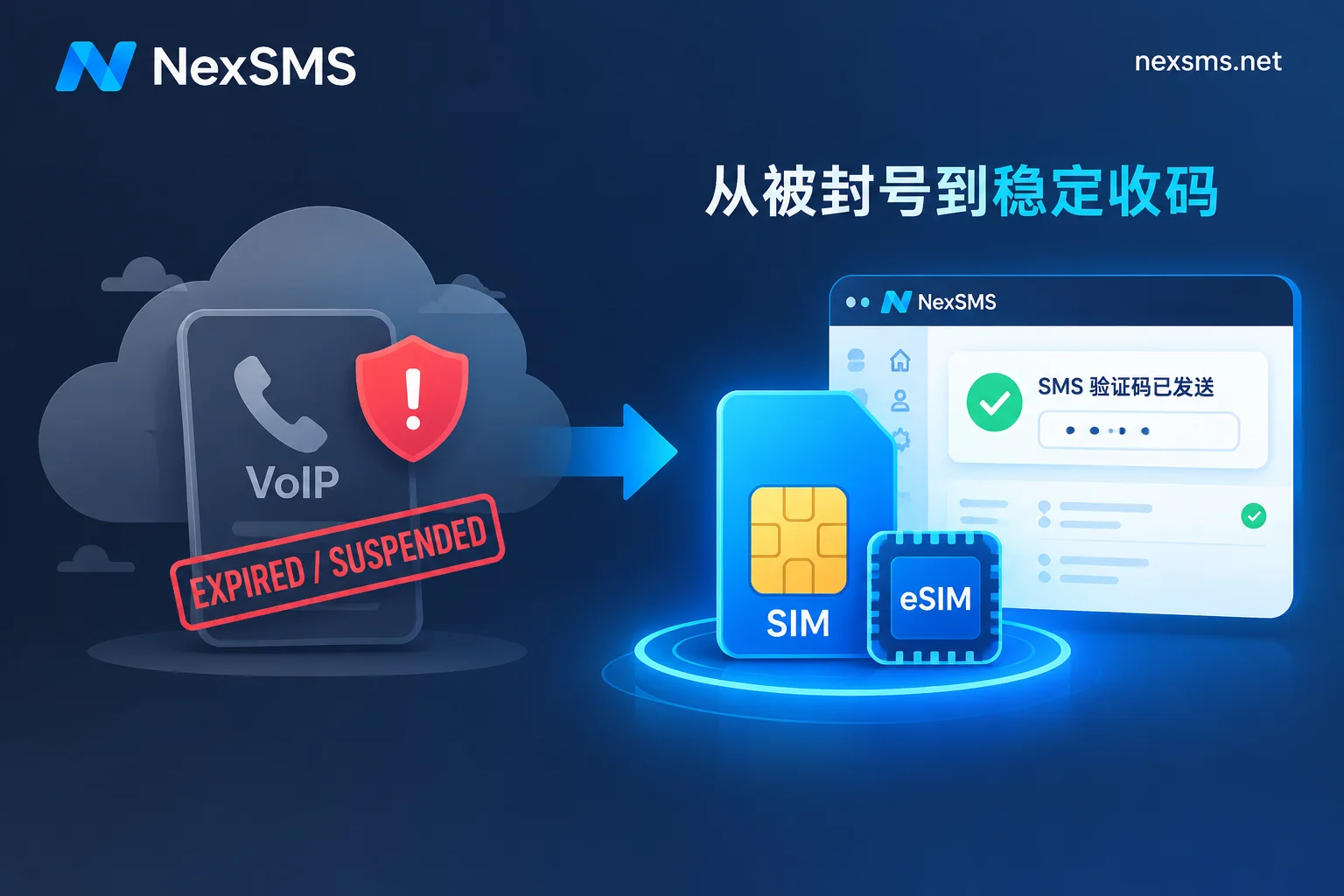
In 2026, overseas platform risk control is no longer an era where a free or cheap VoIP virtual number can easily fool them. Rather than wasting time on studying how to prevent Google Voice bans and how to appeal to officials to recover expired numbers, it's better to entrust "receiving verification codes" to real carrier lines.
Use short-term regular numbers for temporary registrations, and use local physical/eSIM long-term premium numbers for important assets with stable renewal—log in to the NexSMS Console now and pick a truly worry-free overseas number.


Comments(0)