 NexSms官方博客

How to Integrate an SMS Verification API into Automated Workflows: 2026 Developer Selection, Number Tiering, and Anti-Disconnection Guide
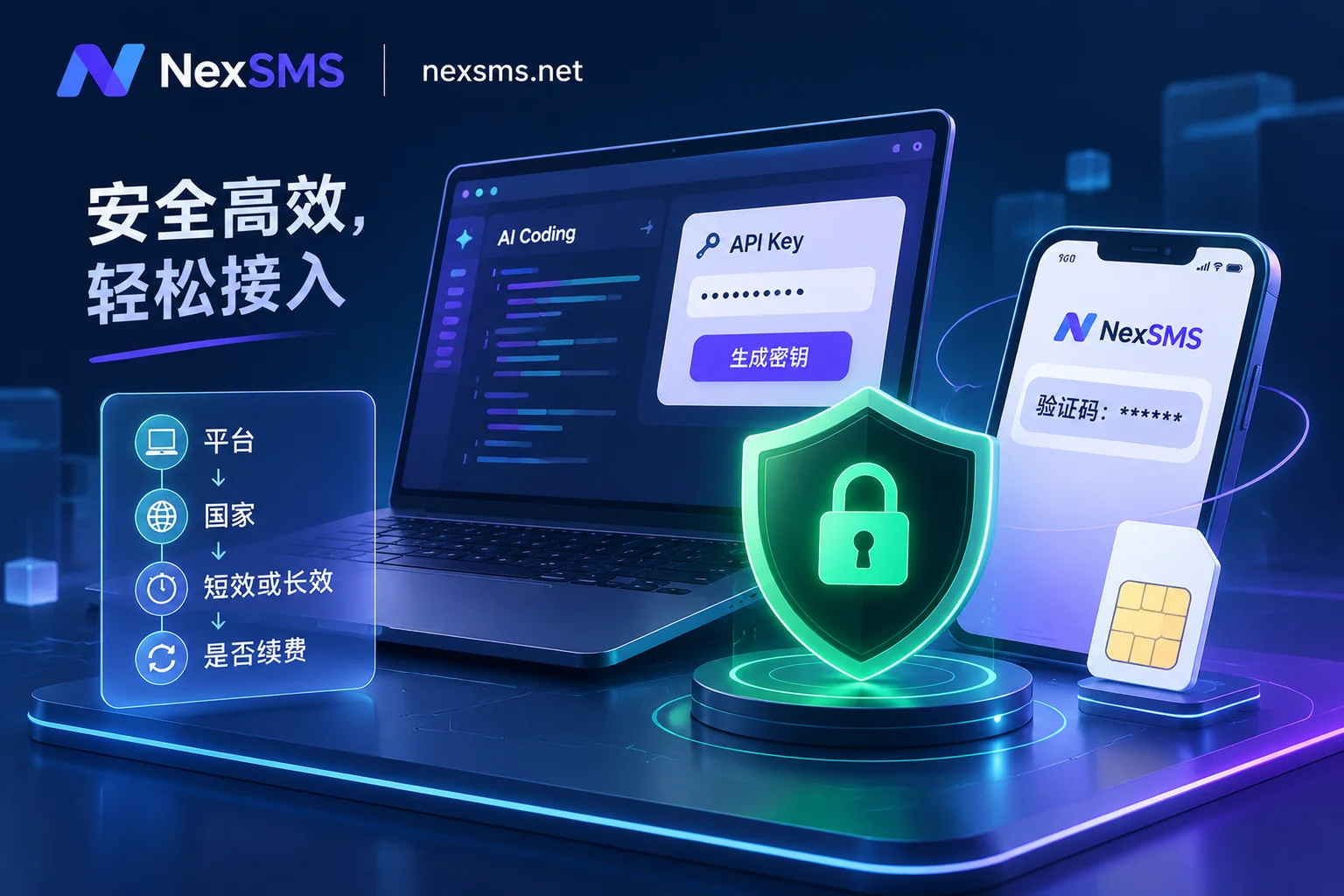
With the shutdown of the veteran platform SMS-Activate and the upgrade of carrier-level risk controls by major platforms, developers in 2026 face challenges such as API migration, concurrent code swallowing, and disconnection during secondary verification when integrating SMS verification APIs. This article explains how to integrate number acquisition and code reception into automated programs, use short-term and long-term local number tiering, and implement a practical solution with parallel API and web fallback.
Google Voice Frequent Bans and Recycling, TextNow Hard to Pass Verification: How to Choose Overseas Virtual Numbers in 2026 for Peace of Mind?
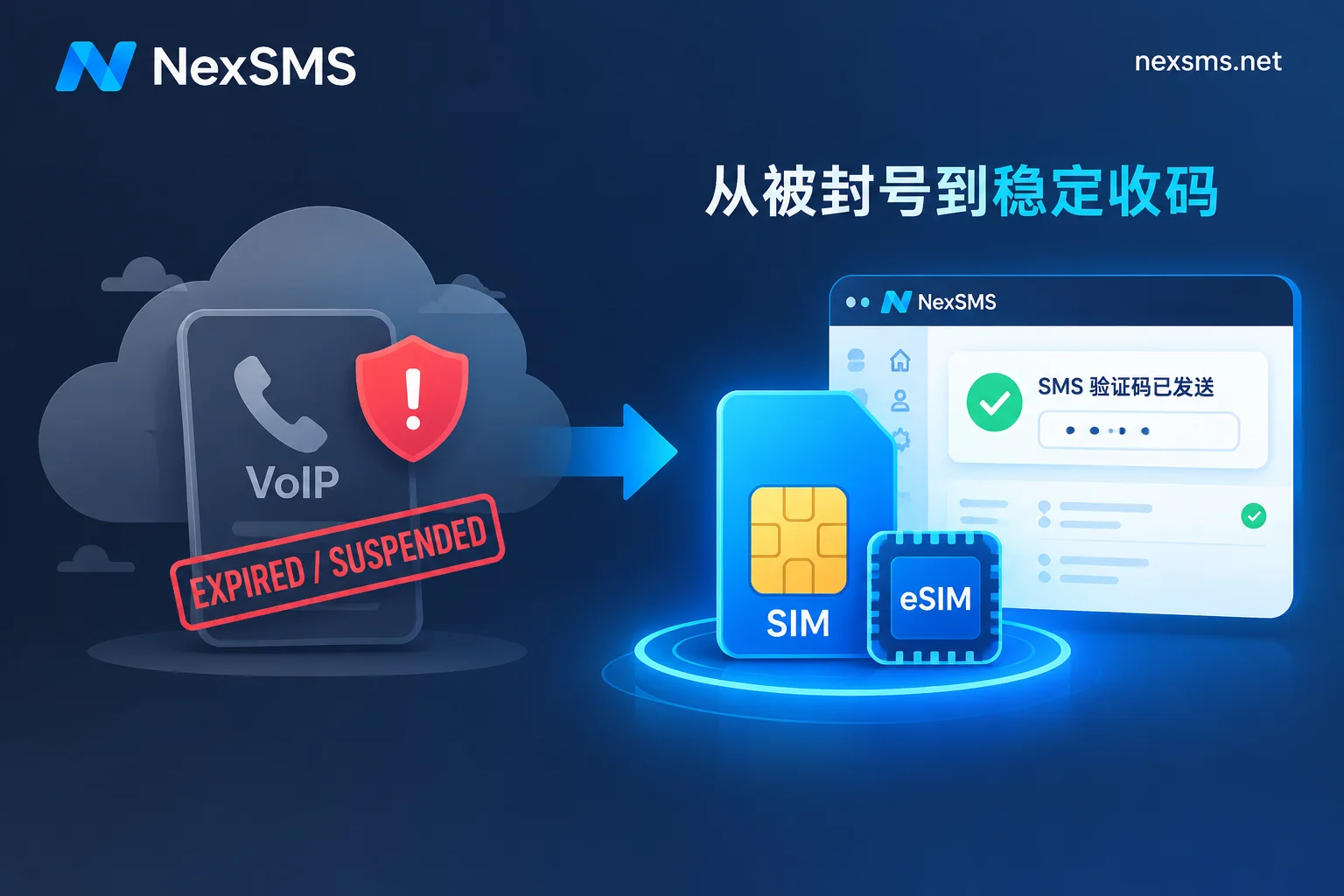
With the upgrade of HLR line detection on overseas platforms and tighter controls on traditional virtual numbers like Google Voice, maintaining a number by 'setting alarms to send texts' has become increasingly tedious. This article analyzes the underlying reasons for the failure of free virtual numbers and provides practical solutions for choosing short-term regular numbers versus local long-term premium numbers based on verification frequency.
How to Choose an SMS Verification Platform: A 2026 Checklist in Light of Legacy Platform Shutdowns and Stricter Risk Controls
After the shutdown of a legacy SMS verification platform and upgraded HLR risk controls by major overseas platforms, choosing an SMS verification platform can no longer be based on low one-time prices alone. This article outlines a five-step selection checklist covering line types, re-verification needs, billing boundaries, and payment methods to help you choose a stable SMS verification service.
Which International Dialing Codes Do Virtual Numbers Support? Start With Common Codes, Then Choose by Platform and Repeat-Receiving Needs
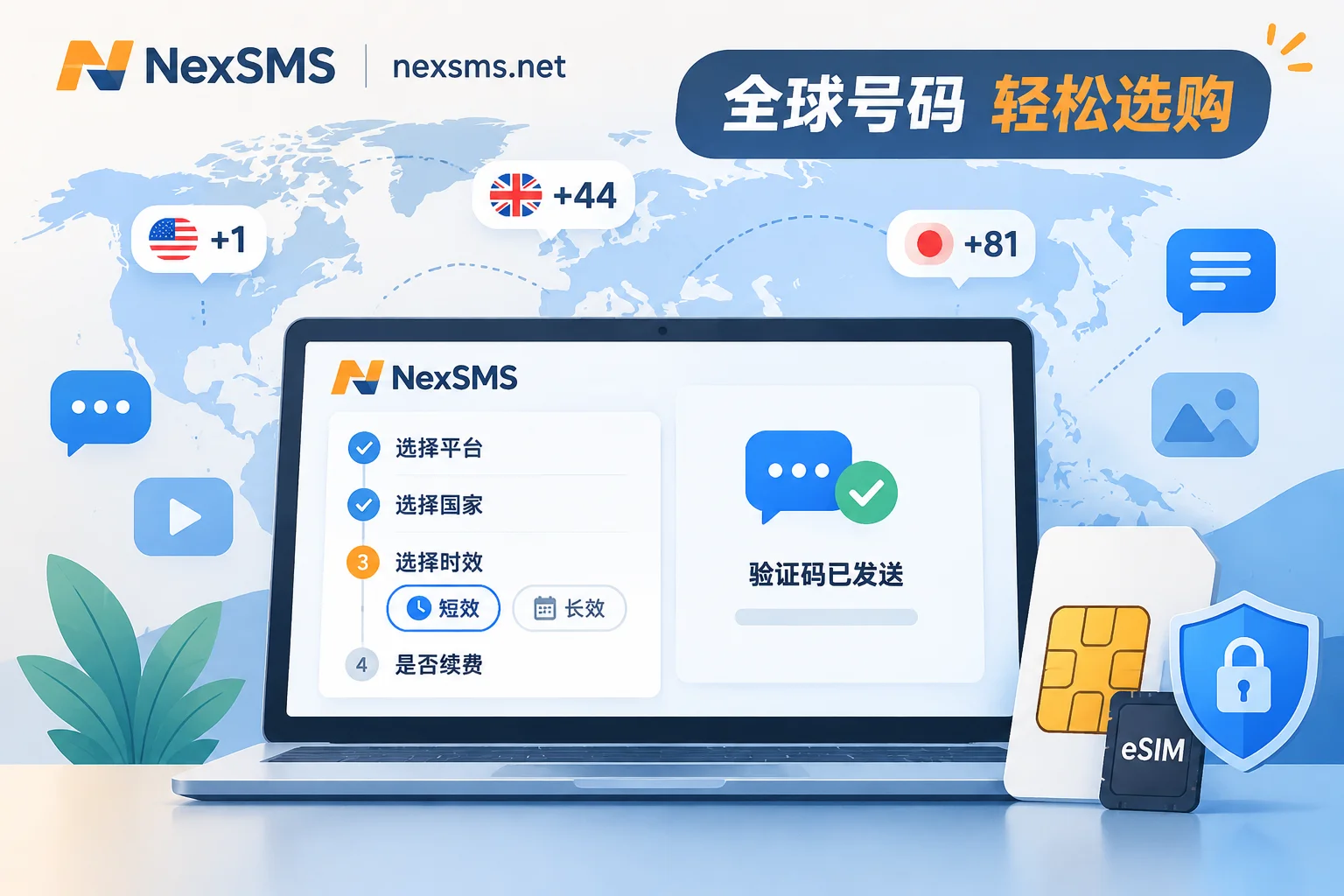
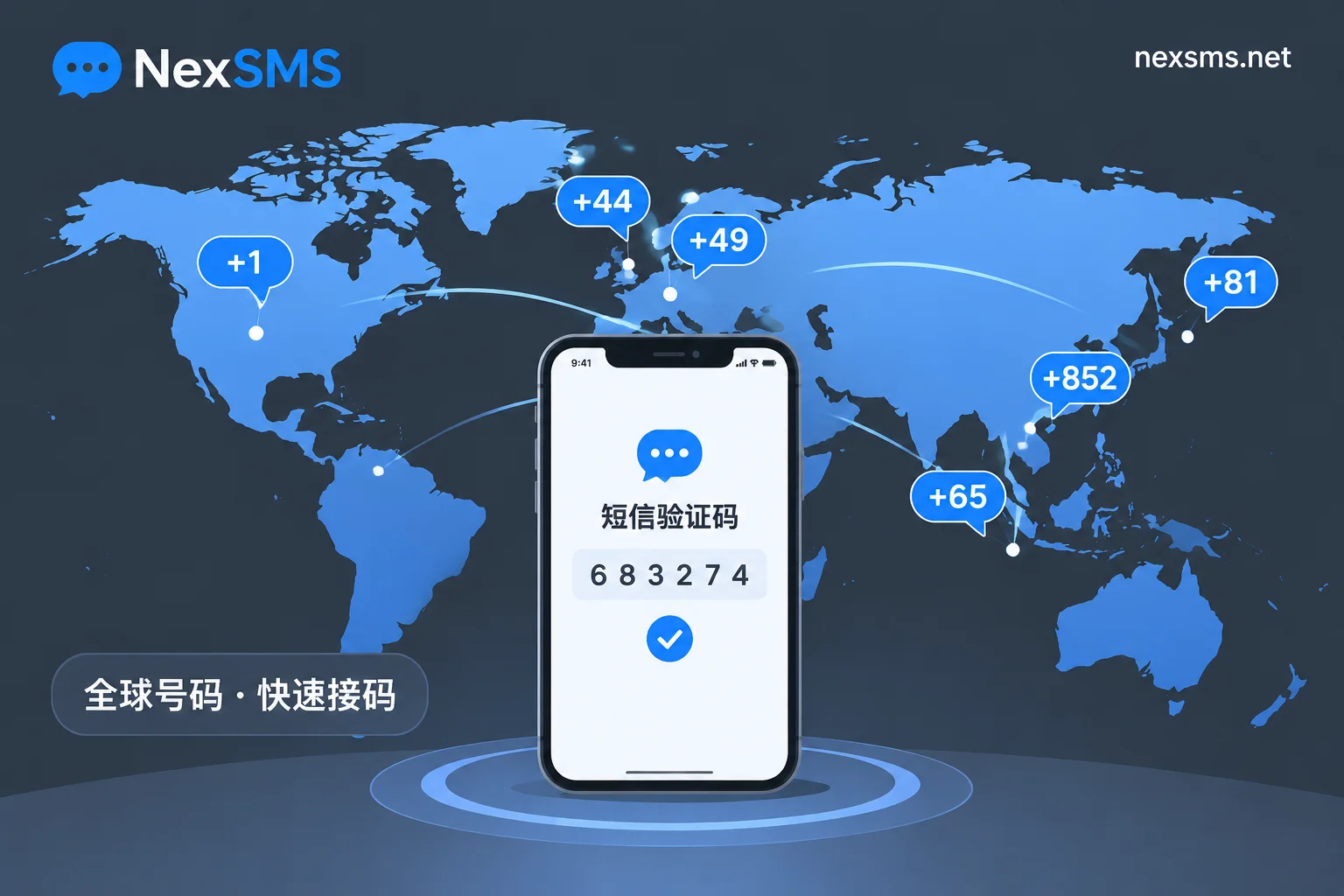
International dialing codes are assigned under the E.164 standard, but which codes a virtual number service can actually offer depends on the provider's number inventory — common codes cluster around North America +1, the UK +44, Western Europe, and Asia-Pacific.
Cross-Border SMS Verification Code Not Received? First Check If It Was Sent, Then Troubleshoot Layer by Layer
When you don't receive a cross-border verification code, it's often not a signal issue but because the platform never sent it: the number type is not accepted, the format is wrong, or frequency controls were triggered. This article explains how to check each layer in the order: platform—format—frequency—carrier—phone—network. Finally, it explains how to choose between short-term and long-term numbers when you need to change numbers, based on whether you'll need to receive codes again in the future.