 NexSms官方博客
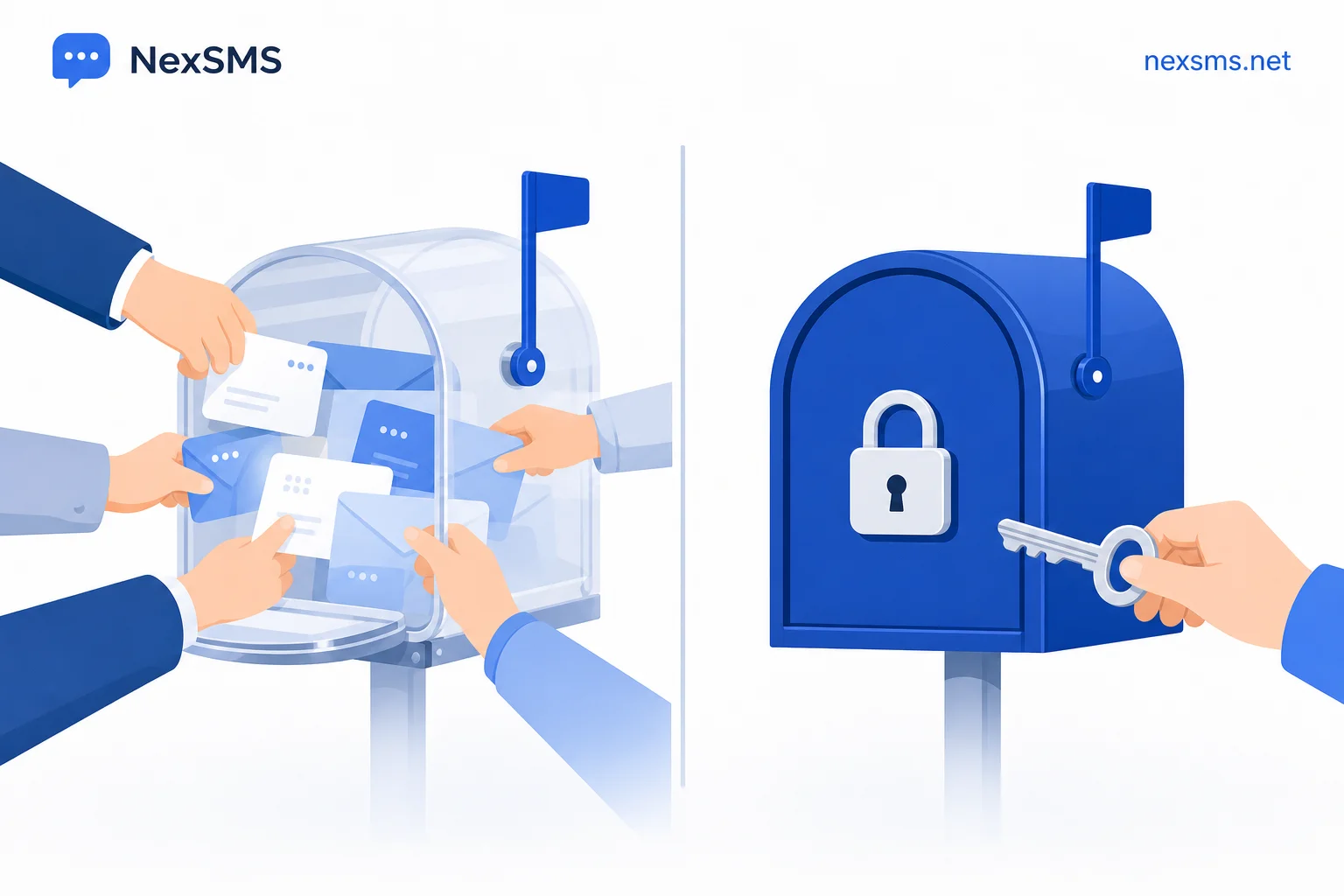
What Is a Private Temporary Number? Differences from Public Free Numbers and Selection Order
Private temporary numbers receive SMS exclusively for you during the rental period, while public free numbers have publicly visible inboxes. This article explains the practical differences in privacy and platform risk control, and provides a decision order for short-term disposable versus long-term renewable numbers, troubleshooting steps for not receiving codes, and which accounts should not rely solely on temporary numbers for verification.
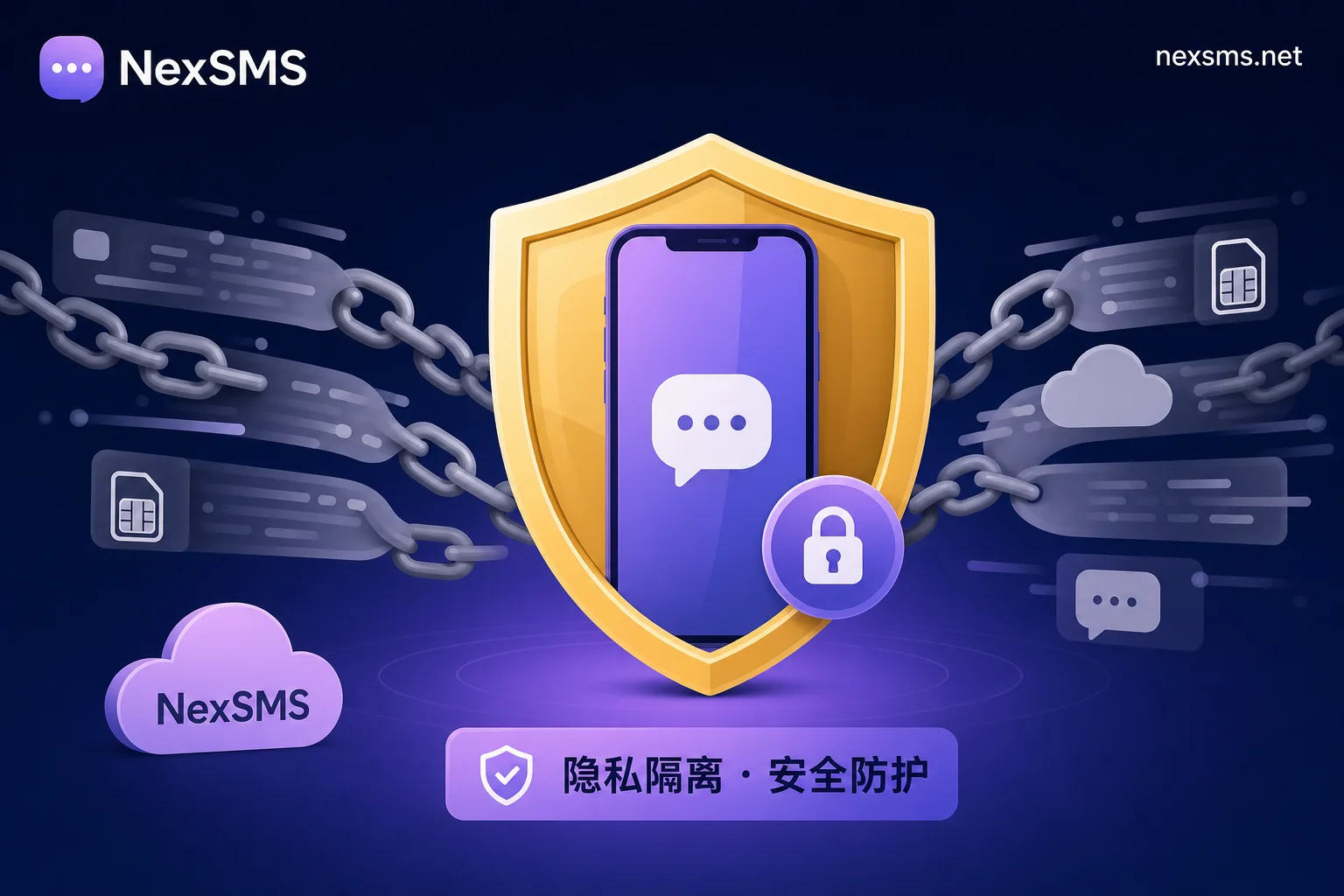
Main Phone Number Privacy Isolation: Preserving Binding Quota in Multi-Account Registration and Public Contact Scenarios
Learn how to protect your primary phone number by classifying usage scenarios, avoiding platform quota depletion, and mitigating SIM-swap risks in cross-border operations.
Virtual Number Privacy Protection Works for External Contact Scenarios: Keep the Primary Number for the Carrier Position
This article explains the boundaries of virtual number privacy protection: it only limits external exposure, not platform-side number attribute verification or historical binding residue after number recycling. It distinguishes between exposure and carrier positions and applies NIST and FCC standards to provide actionable strategies for short-term and long-term numbers.
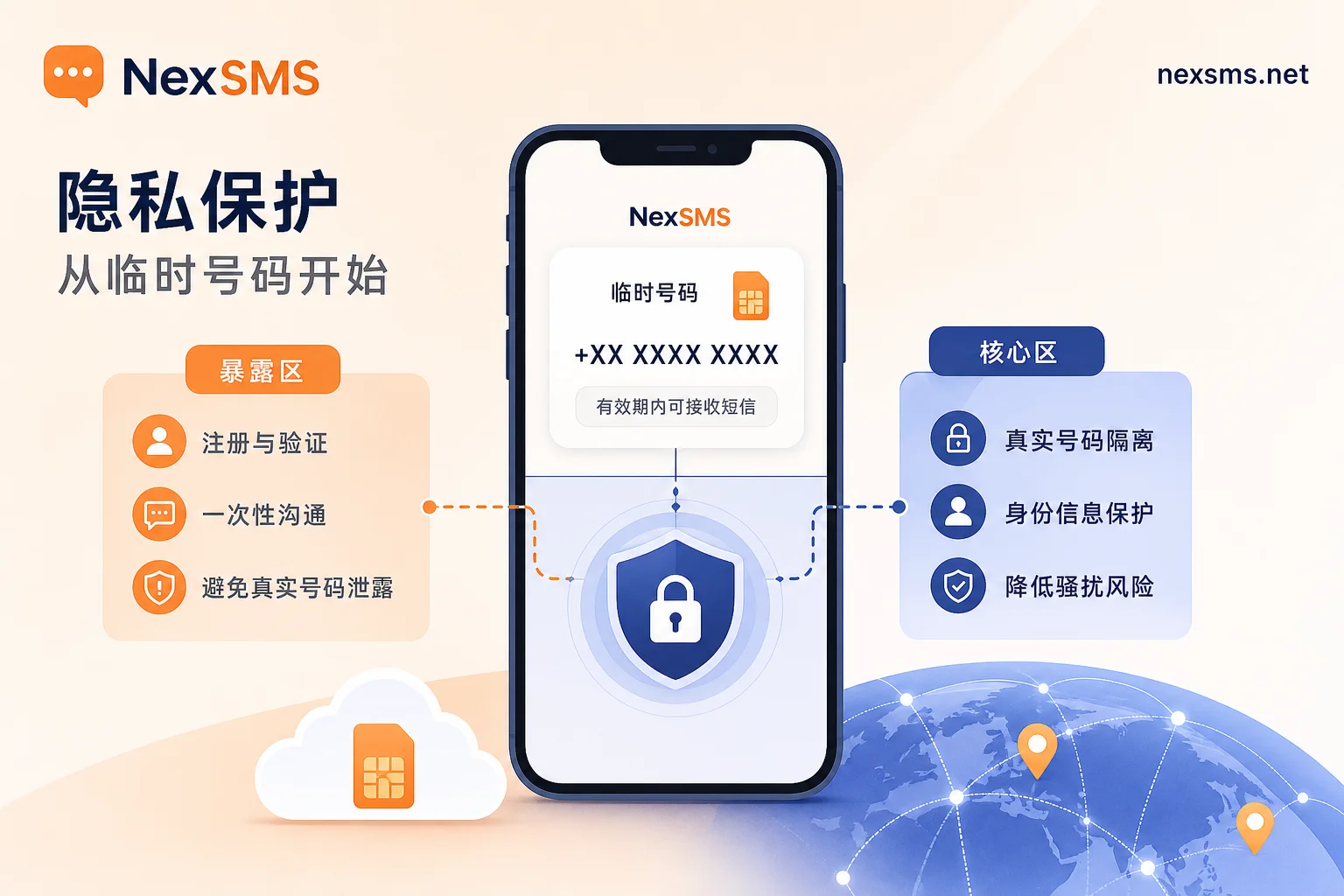
Where Can You Use a Disposable Phone Number? 4 Places to Avoid
Disposable phone numbers are suitable for throwaway, outward-facing scenarios but should never be used for long-term login, account recovery, platform retention contacts, or any verification requiring re-receipt. This article uses the exposure/hosting position framework to define clear boundaries.
A Practical Guide to Temporary Phone Numbers in Cross-Border Business and Privacy Isolation: Secure Selection and Compliance Practices
Learn how to use temporary phone numbers for privacy isolation and compliant cross-border business operations, with practical tips and service recommendations.