 NexSms官方博客

Cross-border E-commerce Account Security Upgrade: Building an Effective SMS Verification Fallback for Platform Risk Control
As cross-border platform risk control continues to escalate in 2026 and account re-verification becomes routine, this article explores how cross-border e-commerce practitioners can choose long-term and short-term numbers based on business characteristics to build a stable verification code receiving system when facing frequent account verification needs.
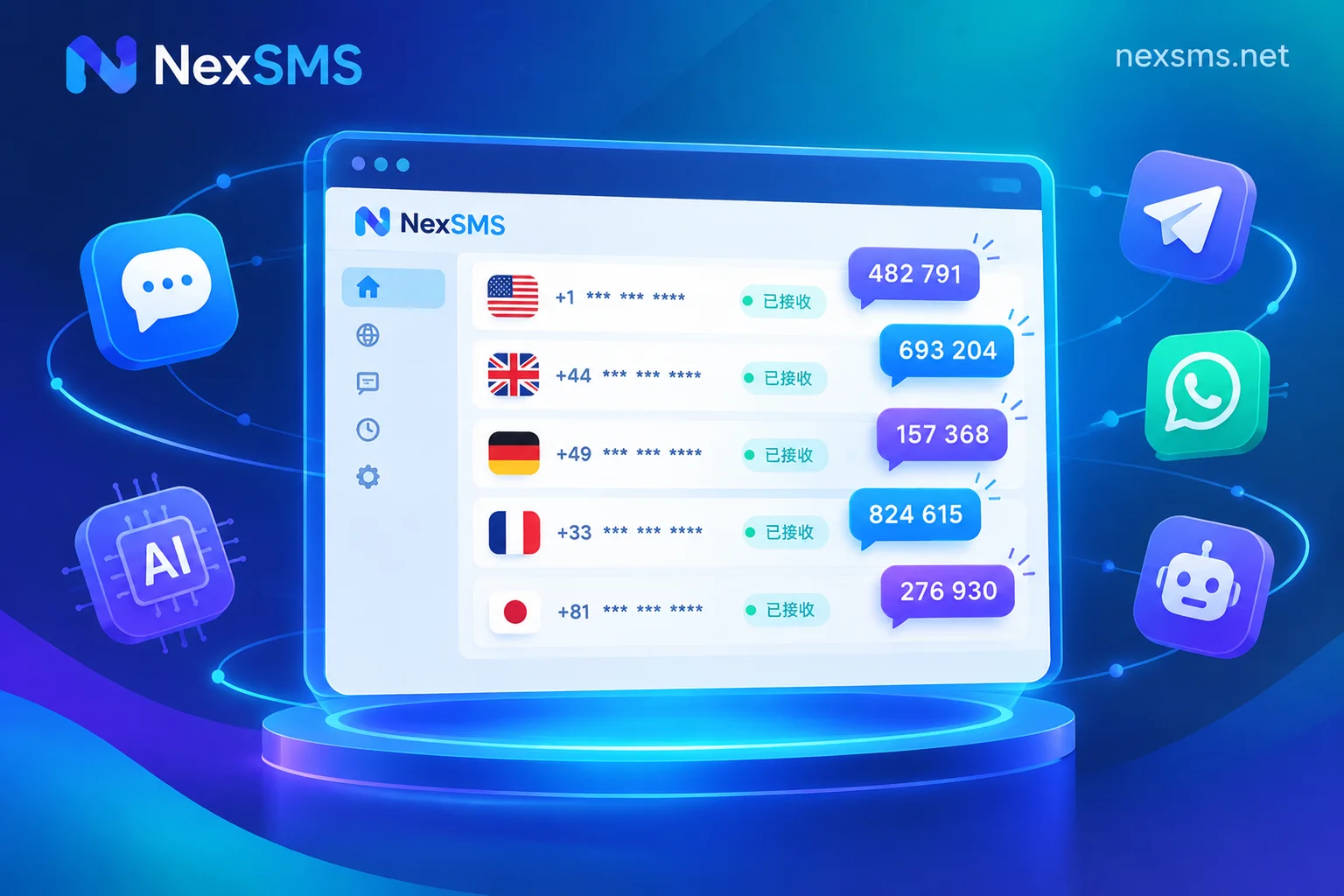
Telegram SMS Fee Pop-ups, Claude Rejecting Virtual Numbers: 2026 Overseas Platform SMS Verification Guide
In 2026, overseas platforms have tightened risk control and adjusted SMS gateway costs: Telegram charges an SMS Fee for certain area codes, while AI platforms like Claude and OpenAI strictly block VoIP virtual numbers and trigger secondary verification. This article analyzes the mechanisms behind these common verification hurdles and provides practical solutions for selecting SMS verification numbers based on platform rules and re-verification needs.
How to Choose an SMS Verification Platform: A 2026 Checklist in Light of Legacy Platform Shutdowns and Stricter Risk Controls
After the shutdown of a legacy SMS verification platform and upgraded HLR risk controls by major overseas platforms, choosing an SMS verification platform can no longer be based on low one-time prices alone. This article outlines a five-step selection checklist covering line types, re-verification needs, billing boundaries, and payment methods to help you choose a stable SMS verification service.
Why Social Platforms Keep Asking You to Re-Verify Your Phone Number: Triggers, Ways to Reduce Re-Verification, and Number Selection Advice
Frequent phone re-verification requests on social platforms usually mean your account has triggered a security risk check—such as a changed login environment, bot-like behavior, a low-reputation number, or a modified sensitive setting. This article helps you identify which category applies, explains how to reduce triggers and handle verification prompts, and why long-term accounts shouldn't be bound to disposable numbers.
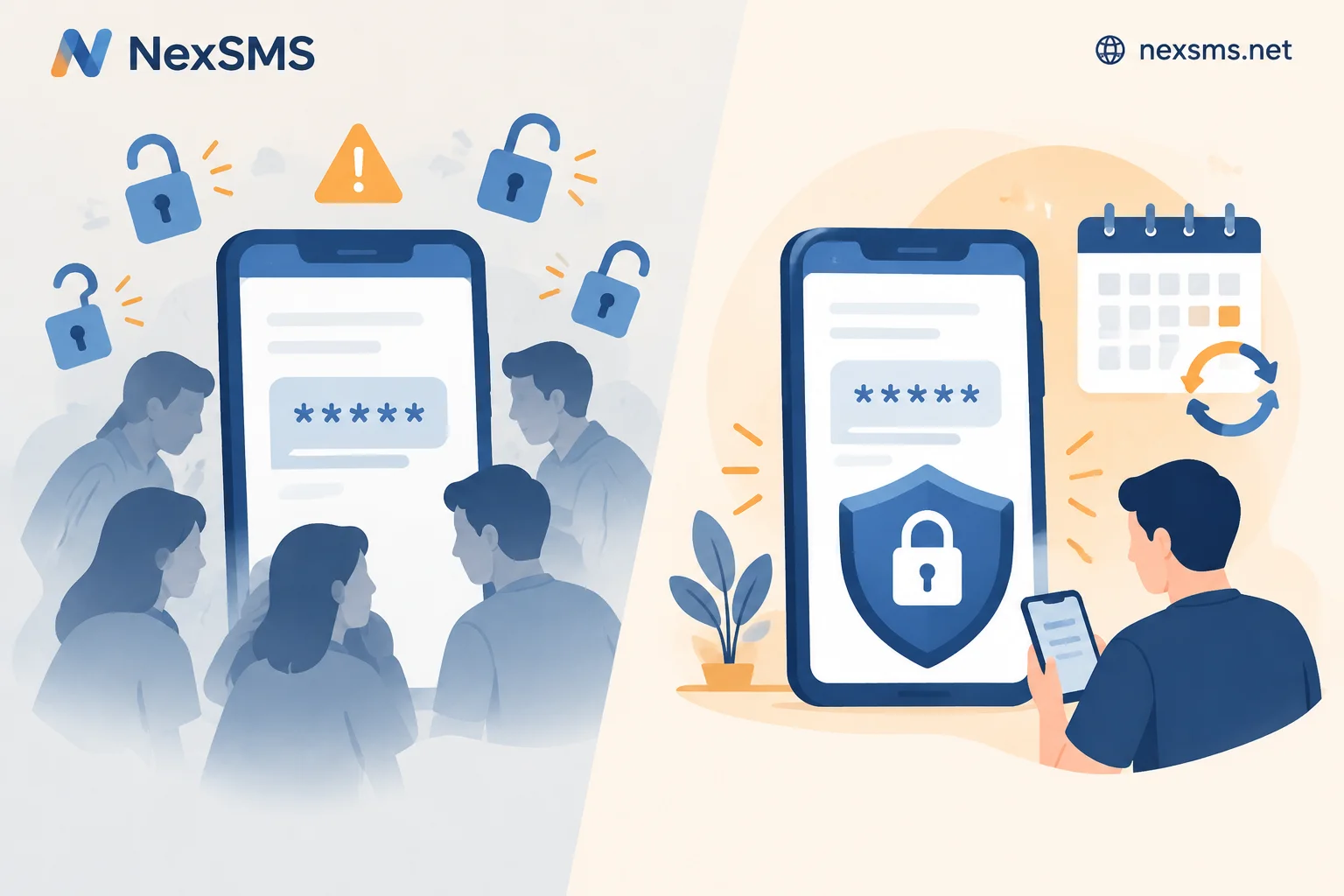
Free SMS Verification Platforms vs Paid Private Numbers: Which Is Safer? First Check Who Can See the Code, Then Whether You Can Receive It Later
Verification codes from free public SMS numbers are publicly visible and shared, leading to account takeover and platform blocks. Paid private numbers prevent third-party viewing, but only renewable long-term numbers ensure you can receive codes later. This article compares both types across leak, takeover, risk control, and re-receipt, and offers selection advice for different scenarios plus remediation steps if you already registered with a free number.