 NexSms官方博客
Giffgaff Roaming Purge and Tello Order Cancellations: How to Choose an Alternative After Hitting Pitfalls with Overseas Phone Number Retention Cards i
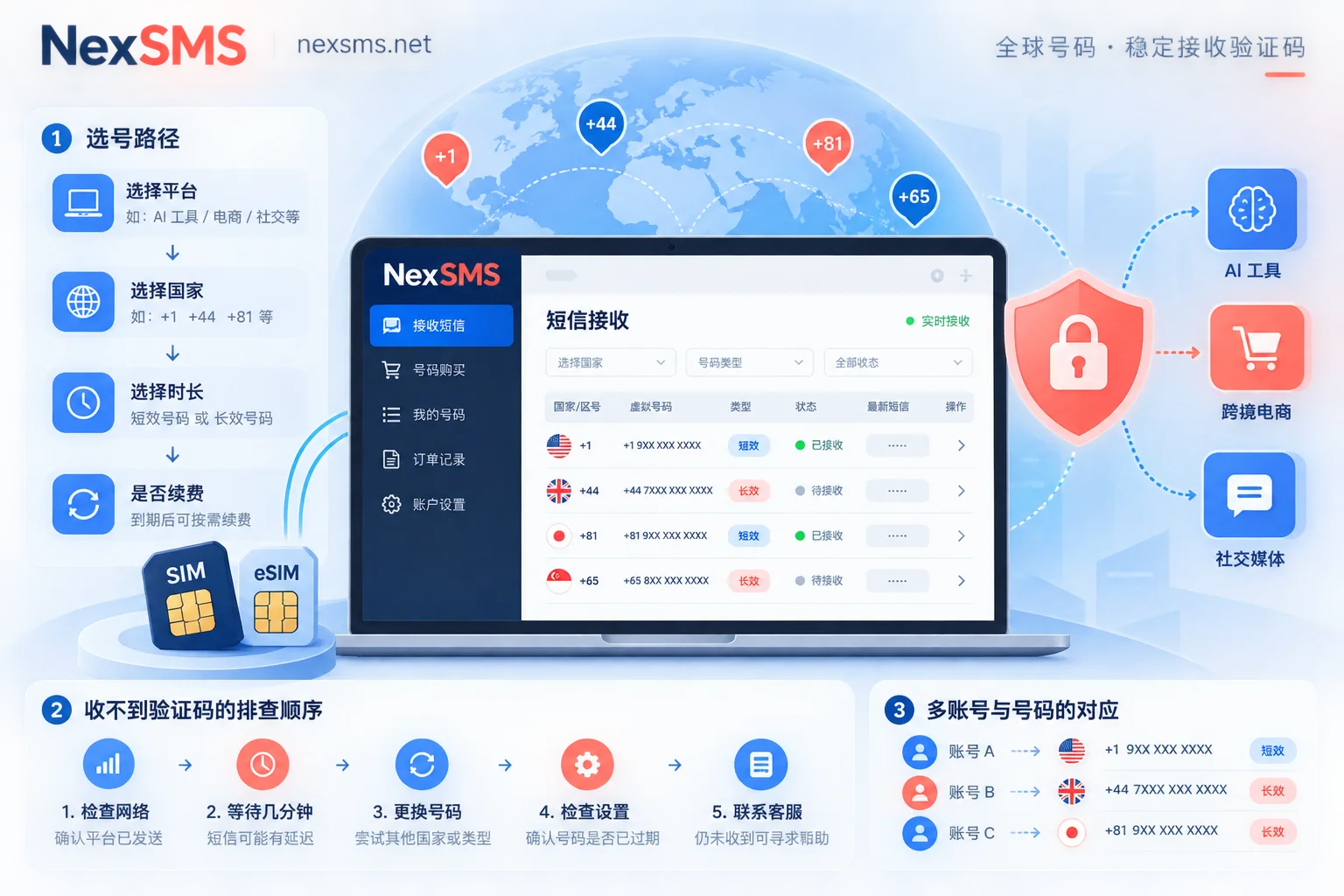
In the second half of 2026, the UK's Giffgaff mass-purged long-term overseas roaming users, while the US Tello and Ultra Mobile also frequently cancelled orders and suspended service without warning. This article outlines the three hidden thresholds of self-held overseas retention cards, discusses number rebinding strategies before and after deactivation, and introduces how to use real carrier local numbers and short-term numbers on demand via NexSMS, saving the trouble of cross-border card maintenance and hardware hassles.
Why Keep a Long-Term SMS Number After Binding an Authenticator? The Real Number's Fallback Role in Risk Control Re-verification
After enabling Google Authenticator or passkeys, overseas accounts still trigger SMS verification to the original phone number during device changes, remote logins, or sensitive operations. This article analyzes the 2026 risk control re-verification mechanisms of major platforms, explains why one-time short-term numbers fail for medium- to long-term operations, and how to use NexSMS's long-term premium numbers as a security fallback for high-value overseas accounts.
How to Choose an SMS Verification Platform: A 2026 Checklist in Light of Legacy Platform Shutdowns and Stricter Risk Controls
After the shutdown of a legacy SMS verification platform and upgraded HLR risk controls by major overseas platforms, choosing an SMS verification platform can no longer be based on low one-time prices alone. This article outlines a five-step selection checklist covering line types, re-verification needs, billing boundaries, and payment methods to help you choose a stable SMS verification service.
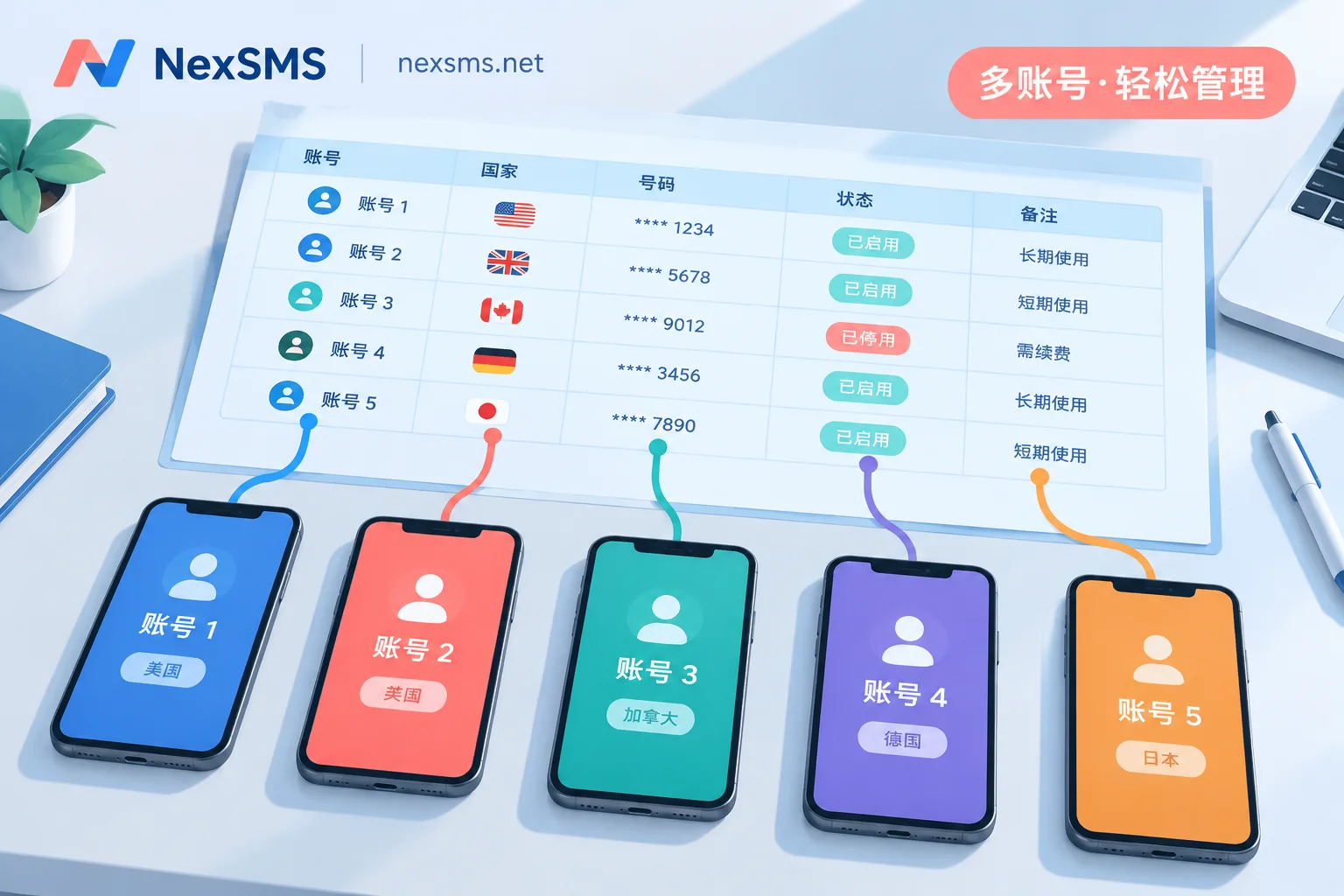
How to Allocate Phone Numbers for Managing Multiple Accounts: Tier by Account Value, One Number per Account, and Record Who Renews
When maintaining multiple overseas platform accounts, allocate phone numbers based on account value and future re-verification needs. Core accounts should use dedicated long-term carrier numbers, while test accounts can use short-term numbers. This article covers platform binding rules, a three-tier allocation method, how to maintain a number ledger, and common exceptions.
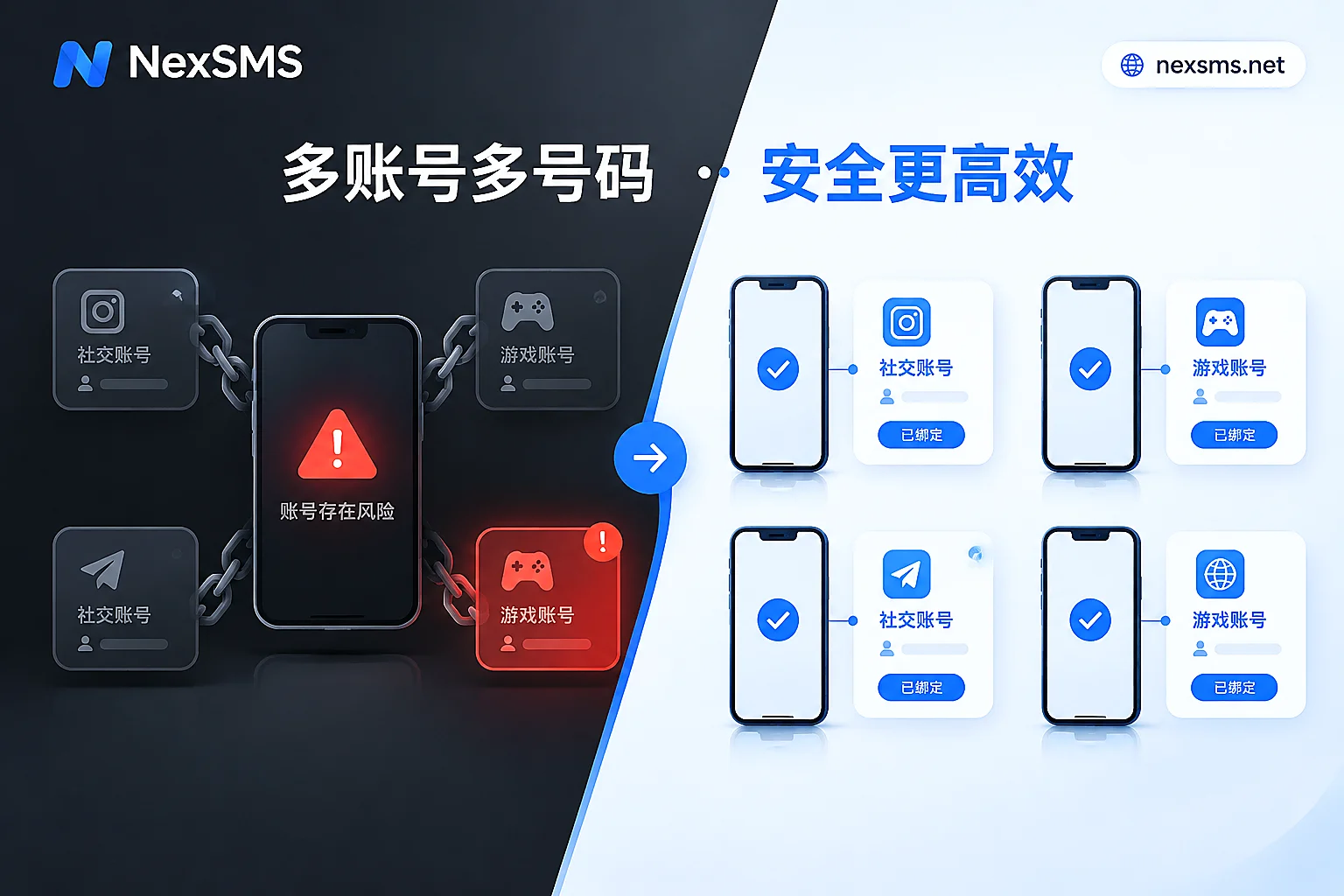
Risks of Sharing One Phone Number Across Multiple Overseas Accounts: Five Consequences and How to Allocate Numbers by Account Purpose
Sharing one phone number across multiple overseas accounts can cause linked bans, failed verification codes, takeover of messaging accounts, loss of recovery access, and contact-based identity exposure; this article explains when these risks occur and how to allocate numbers by account purpose, plus how to split already-shared accounts.