 NexSms官方博客
In 2026, almost all overseas account registration and security tutorials emphasize the same standard procedure: after registering a Google, Apple, X (Twitter), or cross-border e-commerce account, immediately bind an authenticator (such as Google Authenticator) or enable passkeys.
This practice indeed blocks most daily login verifications, but it also gives many operators and individual users a dangerous illusion: "Since I've already bound dynamic verification codes and passkeys, can I just discard the SMS number I used during registration?"
Many people, holding this idea, register core business accounts with temporary numbers costing only a few cents. As a result, one or two months later, when the account triggers platform risk control due to network fluctuations, browser cache clearing, or cross-device login, the screen does not show an authenticator input box but rather: "To confirm your identity, please send an SMS verification code to the phone number ending in XXXX."
By then, the one-time number is long expired and recycled, and the subscription funds, historical data, or customer resources in the account are instantly locked. To avoid such "instant ruin," we need to re-clarify the underlying logic of platform risk control and the true role of long-term SMS in the account lifecycle.
1. Why does the platform still force SMS verification after binding a 2FA authenticator?
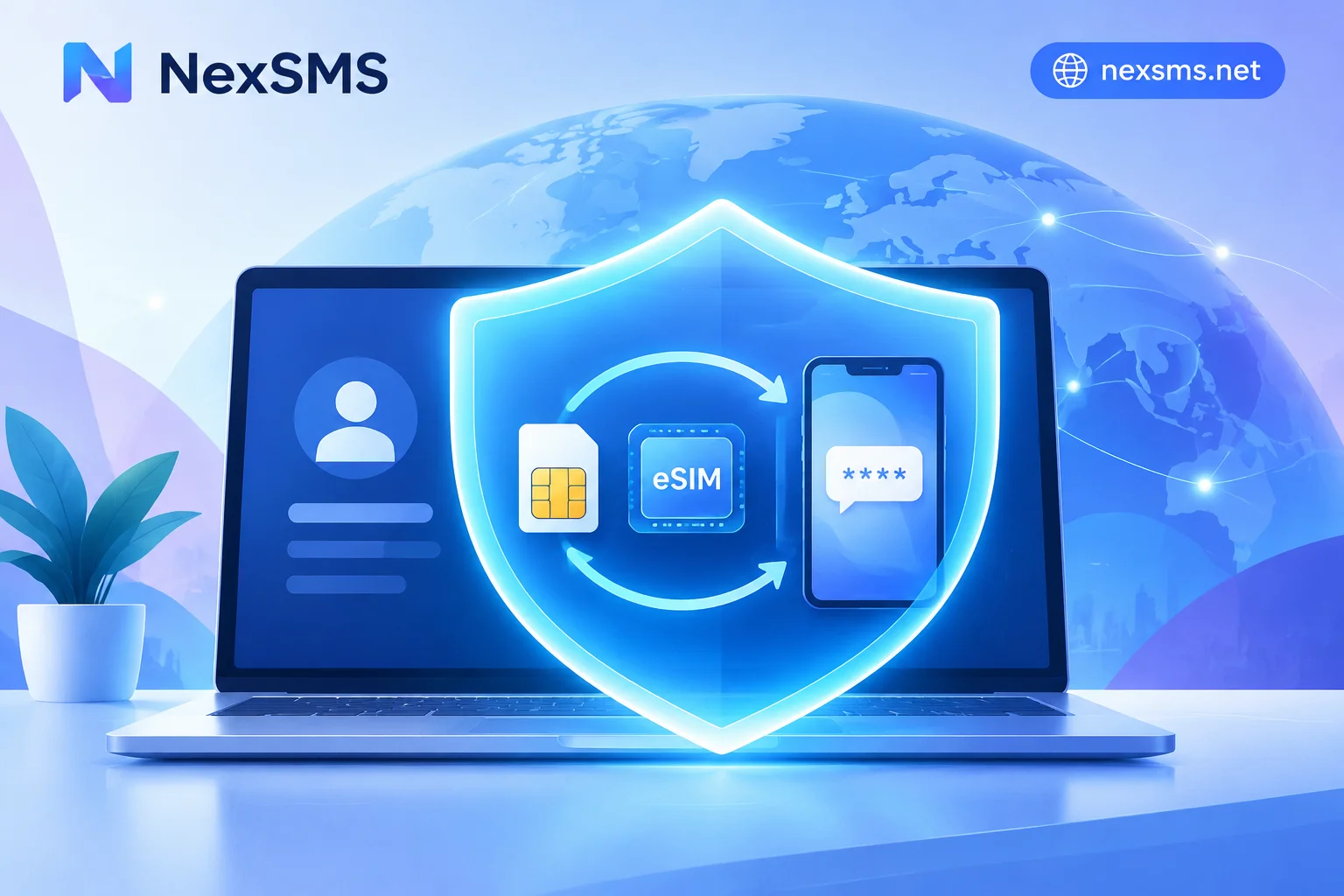
In the risk control systems of major platforms, dynamic authenticators (TOTP) and passkeys address "daily login convenience and credential stuffing prevention," while the bound phone number is often regarded as the highest-weight "proof of ownership" and "anti-abuse anchor."
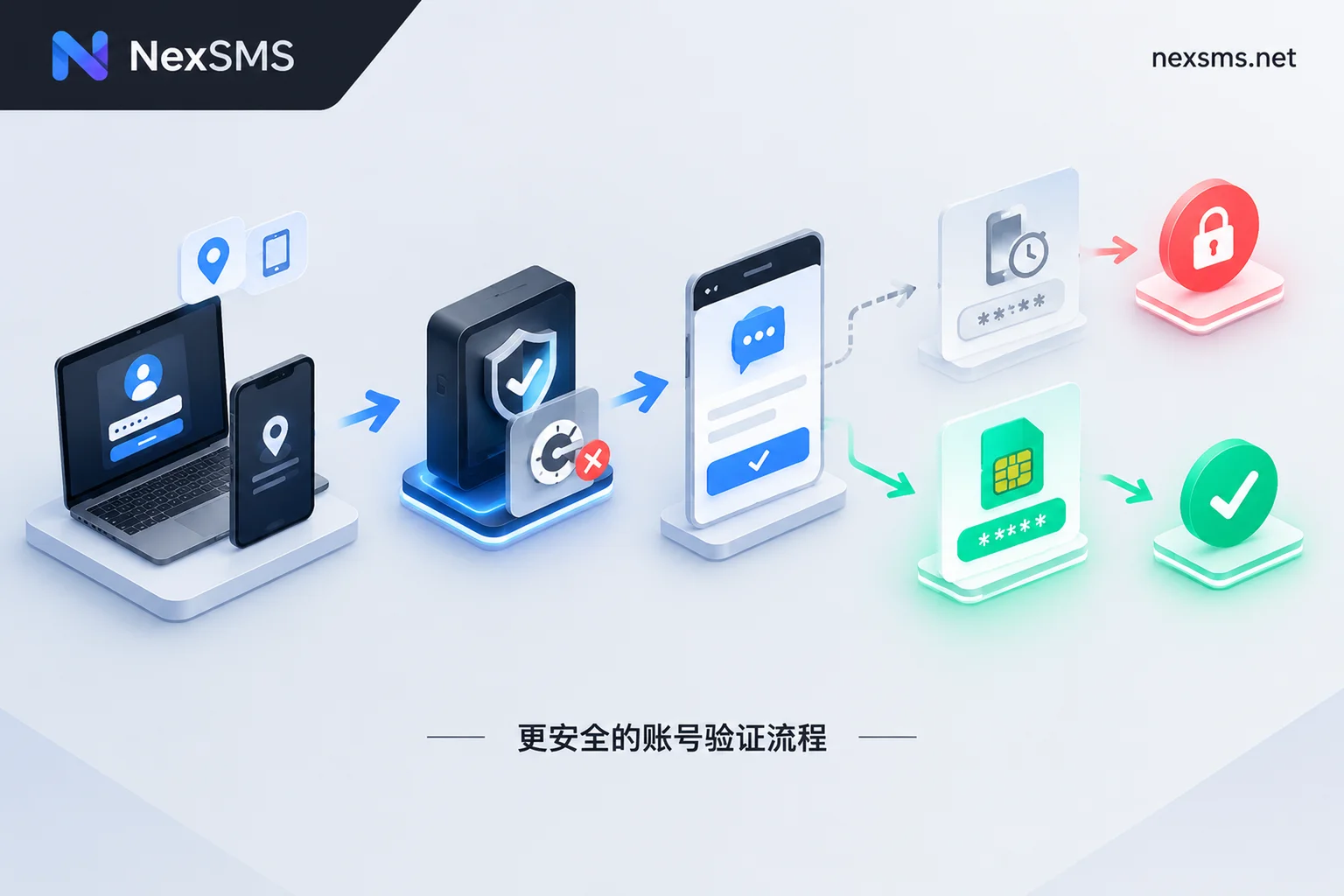
Under the continuously tightening risk control environment in 2026, the following four scenarios easily bypass the authenticator and directly trigger SMS re-verification to the original phone number:
- "Observation period" spot checks during early registration: Many overseas platforms set an observation period for new accounts ranging from 72 hours to several weeks. Even if you bind a backup email and authenticator right after registration, if the system determines during the observation period that the login IP fluctuates or device characteristics are unstable, it will force-lock the account and require an SMS to the original registration phone number to unlock it. (For specific mechanisms that trigger re-verification, refer to this article Why Social Platforms Always Ask You to Re-verify Your Phone Number.)
- High-risk and sensitive permission changes: When you attempt to modify payment information, change the primary email, increase spending limits in PayPal, Amazon Seller Central, or ad accounts, or reset passwords on a new device, platforms typically require "authenticator + SMS" dual verification.
- Loss of authenticator or failed migration: When the phone is damaged, the authenticator app is accidentally deleted, or passkey synchronization fails, SMS verification codes often become the only entry point to trigger the account recovery process (for example, the cumbersome recovery process mentioned in How to Recover When the Phone Number Bound to Apple ID Is Discontinued is largely due to the loss of the ability to receive SMS on the original number).
- Periodic platform purges and anti-sybil screening: On Telegram, WhatsApp, and various AI services (such as OpenAI, Claude), risk control systems periodically initiate silent checks on existing accounts, requiring accounts suspected of being non-human or engaging in cross-region activities to complete an SMS verification again.
2. One-time short-term numbers vs. long-term SMS: Don't mistake temporary tools for infrastructure
Understanding the platform's re-verification mechanism clarifies why the SMS verification market is undergoing a dramatic divergence. The old approach of "taking chances" with low-cost virtual number segments has seen a significant drop in pass rates under the identification rules of mainstream platforms; more critically, using one-time numbers to bind long-term accounts is itself a mismatch.
In NexSMS's number function system, numbers are strictly divided into two categories, each corresponding to completely different usage boundaries:
1. Short-term ordinary numbers: only solve "the current step"
- Billing and rules: Pay-per-use, short validity period, one number only receives one verification code, no renewal supported, and the same number cannot receive codes again.
- Applicable scenarios: Only suitable for temporary tests that are used and discarded, one-time registrations that require no long-term maintenance, or marginal businesses where it is clearly known that no phone number re-verification will be triggered later.
2. Long-term premium numbers: leaving a way out for "finding it again later"
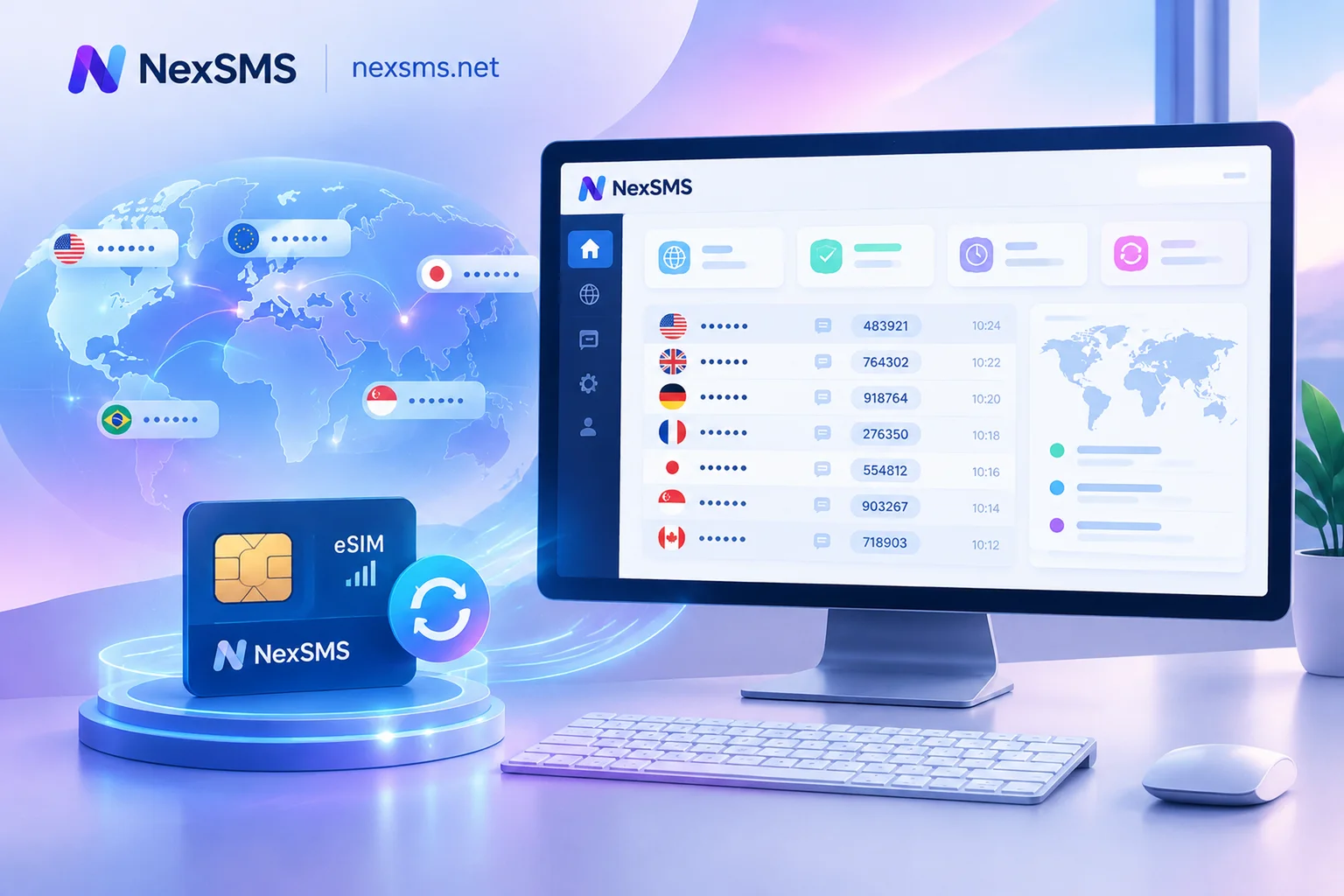
- Line attributes: Uses real carrier local numbers (based on local physical SIM cards and eSIMs, rather than virtual landline numbers that are easily blocked by risk control). If you want to understand the differences between lines in passing risk control, you can read Virtual Numbers or Physical SIM Cards for Overseas App Registration.
- Long-term SMS capability: Within the validity period, the same number can receive SMS verification codes an unlimited number of times; and it supports manual renewal before expiration to continue holding the number.
- Applicable scenarios: Designed specifically for two-factor authentication (2FA), account recovery, long-term account nurturing, and binding core assets across multiple platforms.
Simply put, if you plan to use the registered account for a month or even a year or more, or if the account will accumulate funds (such as PayPal, Amazon), subscription fees (such as OpenAI, Claude), and social relationships (such as Telegram, WhatsApp, X), you should choose a long-term premium number with long-term SMS capability from the very beginning.
3. Which overseas businesses most need "long-term SMS"?
Based on the verification bottlenecks frequently encountered by users, the following application scenarios are recommended to prioritize long-term premium numbers, and you can check the verification instructions for corresponding platforms in advance in SMS Solutions by Application:
- Overseas AI and productivity tools (OpenAI / Claude / Google): These platforms not only strictly scrutinize VoIP virtual number segments during registration, but also often trigger security reviews when binding overseas credit cards to subscribe to Plus/Pro memberships or switching nodes across regions. Real carrier long-term numbers can both improve first-login success rates and secure paid accounts.
- Cross-border e-commerce and payment platforms (Amazon / eBay / PayPal): Stores and fund accounts have extremely high requirements for login environment and phone number stability. Once a secondary review or fund freeze is triggered, whether the original number can smoothly receive codes directly determines whether the store and balance can be saved (refer to Which Country's Number to Use for Amazon Seller Two-Step Verification).
- Private communications and social media matrices (Telegram / WhatsApp / X (Twitter) / TikTok): Social media accounts frequently need to receive SMS verification codes when logging in on new devices, reconnecting after disconnection, or after fan growth. For teams maintaining multiple overseas accounts, long-term numbers can also work with web-based real-time code viewing or API interfaces, eliminating the hardware management hassle of physical SIM cards and cross-border roaming (for team collaboration, further refer to How Cross-border Teams Collaboratively Manage Multiple Business Phone Numbers).
Note: It should be objectively stated that no SMS verification platform can guarantee 100% verification success for a specific target platform. Whether verification ultimately passes also depends on the target platform's risk control rules at the time and whether your network IP and device environment match the number's attribution. At the same time, do not use the free public numbers on the official website for any of the above important accounts, because verification codes received by public numbers are visible to anyone who logs in, offering no privacy or security.
4. Practical operation and management suggestions for enabling long-term SMS on NexSMS
Purchasing overseas physical SIM cards yourself or折腾 overseas number-preserving eSIMs often involves long international shipping, real-name requirements, phone card slot limitations, and complex monthly fee maintenance rules. In contrast, directly renting and managing long-term premium numbers in the cloud is a hassle-free solution that combines real carrier lines with operational convenience (for a comparison of various solutions, see How to Choose Long-Term Overseas Number Rental).
When using NexSMS for long-term SMS management, it is recommended to follow these four steps:
- Filter numbers precisely by country and application: Before ordering, go to the Select Numbers by Country page (such as the commonly used US SMS dedicated page) or the Price and Inventory Query page to filter available numbers based on your target application. Since number availability changes dynamically with inventory, check the current price, stock status, and applicable services before ordering.
- Order "long-term premium numbers" specifically: After logging into the NexSMS user dashboard, ensure you select a long-term premium number that supports unlimited code reception within the validity period and can be renewed. Do not mistakenly choose short-term ordinary numbers to bind core main accounts. The platform supports recharge via Alipay, WeChat, and cryptocurrency (USDT/BTC), and account balances do not expire.
- View codes in real time on the web or integrate with programs: After sending the verification code, view the SMS content in real time directly in the web backend. If a technical team or developer needs to integrate the number acquisition and code reception process into internal systems, they can contact 7×24 Telegram customer service to obtain developer API integration methods, enabling parallel web-based code viewing and program calls.
- Establish a renewal ledger and renew promptly before expiration: Long-term premium numbers support renewal before expiration to continue holding. It is recommended to register the corresponding phone number and expiration time for each important account, and designate a person responsible for completing renewal before expiration (refer to How to Allocate Phone Numbers and Record Who Renews When Operating Multiple Accounts), so that this real carrier number truly becomes the security foundation of your overseas digital assets.


Comments(0)