 NexSms官方博客
Telegram SMS Fee Pop-ups, Claude Rejecting Virtual Numbers: 2026 Overseas Platform SMS Verification Guide
In 2026, overseas platforms have tightened risk control and adjusted SMS gateway costs: Telegram charges an SMS Fee for certain area codes, while AI platforms like Claude and OpenAI strictly block VoIP virtual numbers and trigger secondary verification. This article analyzes the mechanisms behind these common verification hurdles and provides practical solutions for selecting SMS verification numbers based on platform rules and re-verification needs.
How to Choose an SMS Verification Platform: A 2026 Checklist in Light of Legacy Platform Shutdowns and Stricter Risk Controls
After the shutdown of a legacy SMS verification platform and upgraded HLR risk controls by major overseas platforms, choosing an SMS verification platform can no longer be based on low one-time prices alone. This article outlines a five-step selection checklist covering line types, re-verification needs, billing boundaries, and payment methods to help you choose a stable SMS verification service.
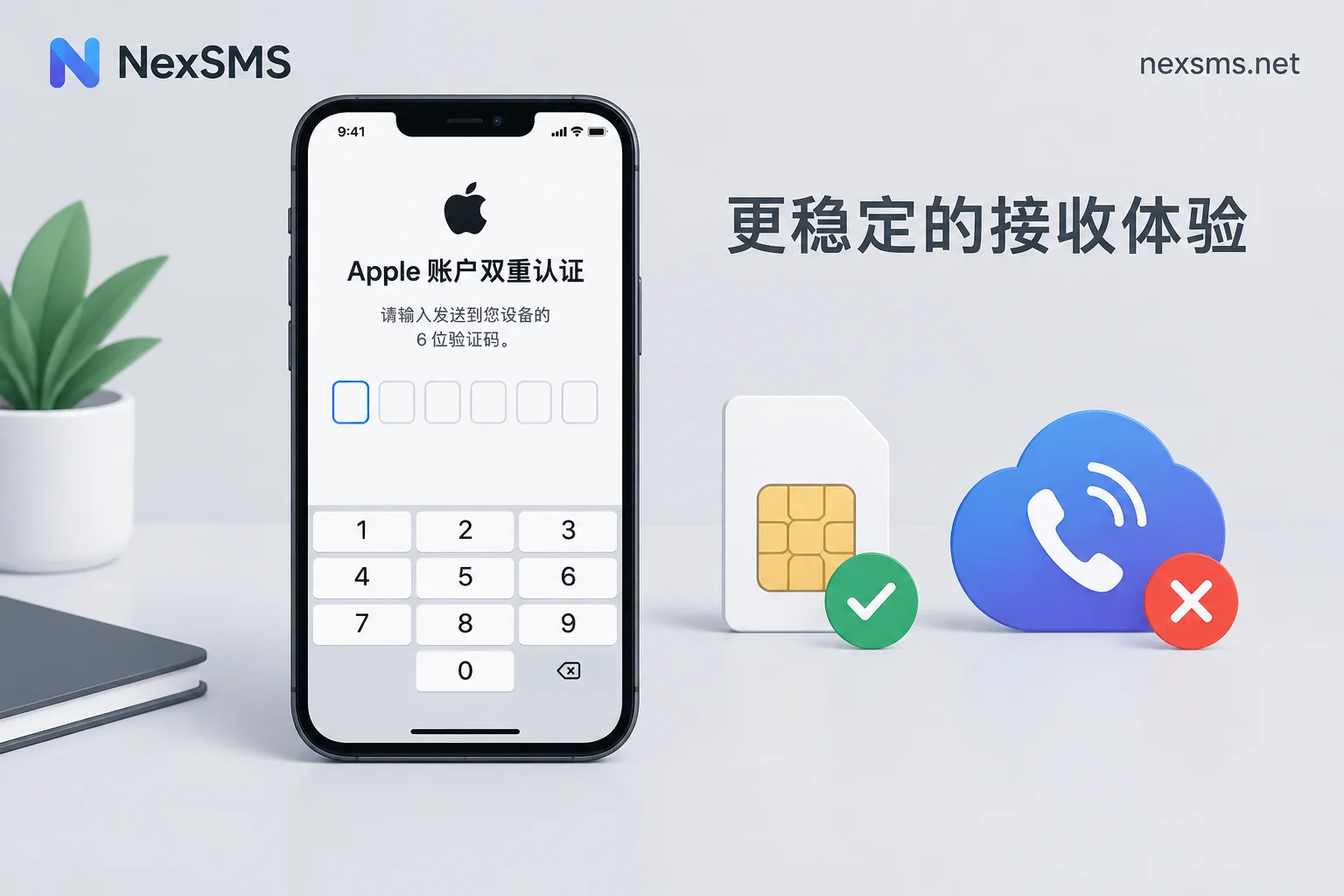
Can Overseas Apple ID Use Virtual Numbers? First Check Line Type, Then Whether You Can Receive Codes Later
Whether an overseas Apple ID can use a virtual number depends on if it's a real carrier line and if you can still receive codes later. VoIP numbers like Google Voice and TextNow are often blocked.
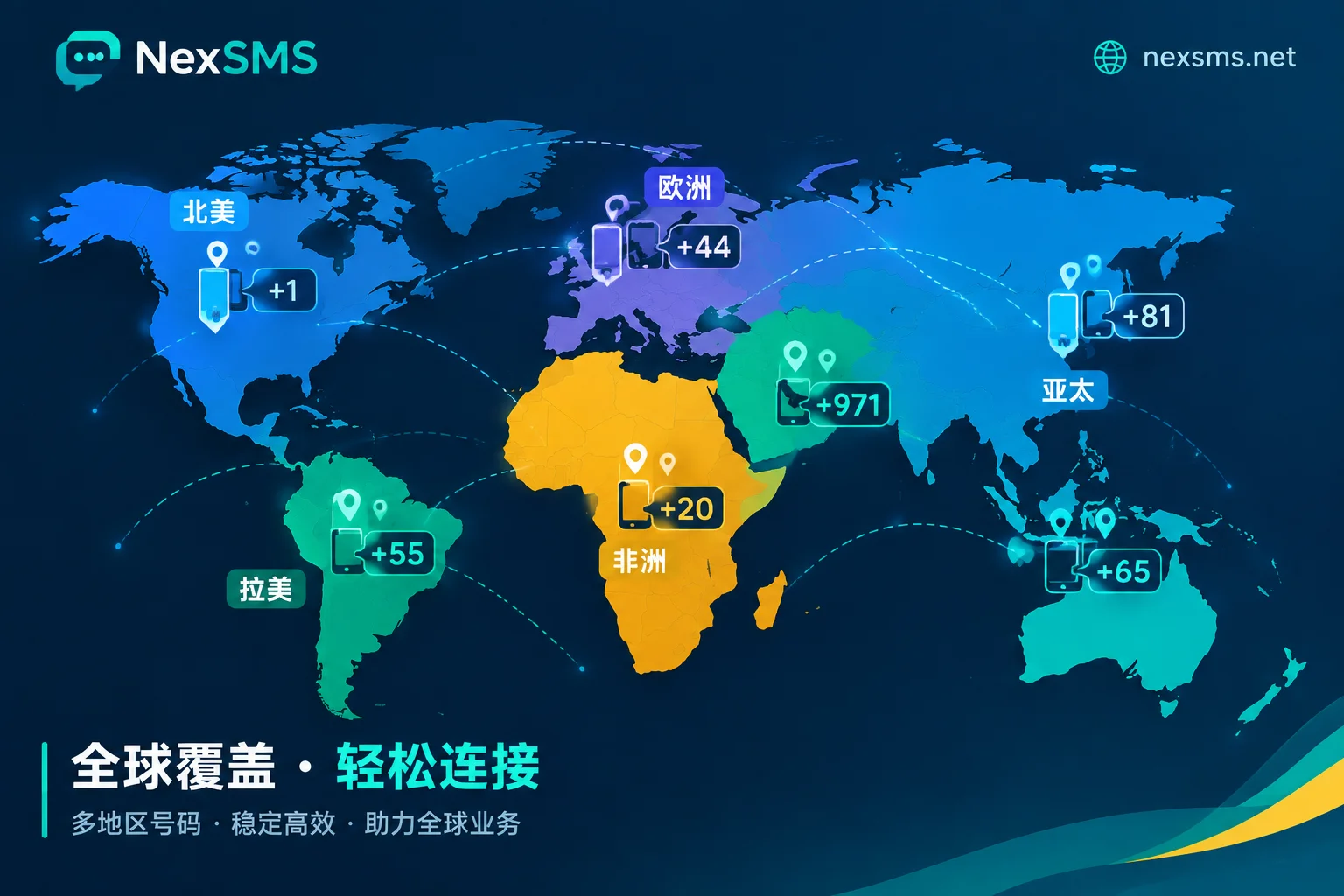
Which Countries' Numbers Does NexSMS Support: 200+ Country Coverage and How to Choose
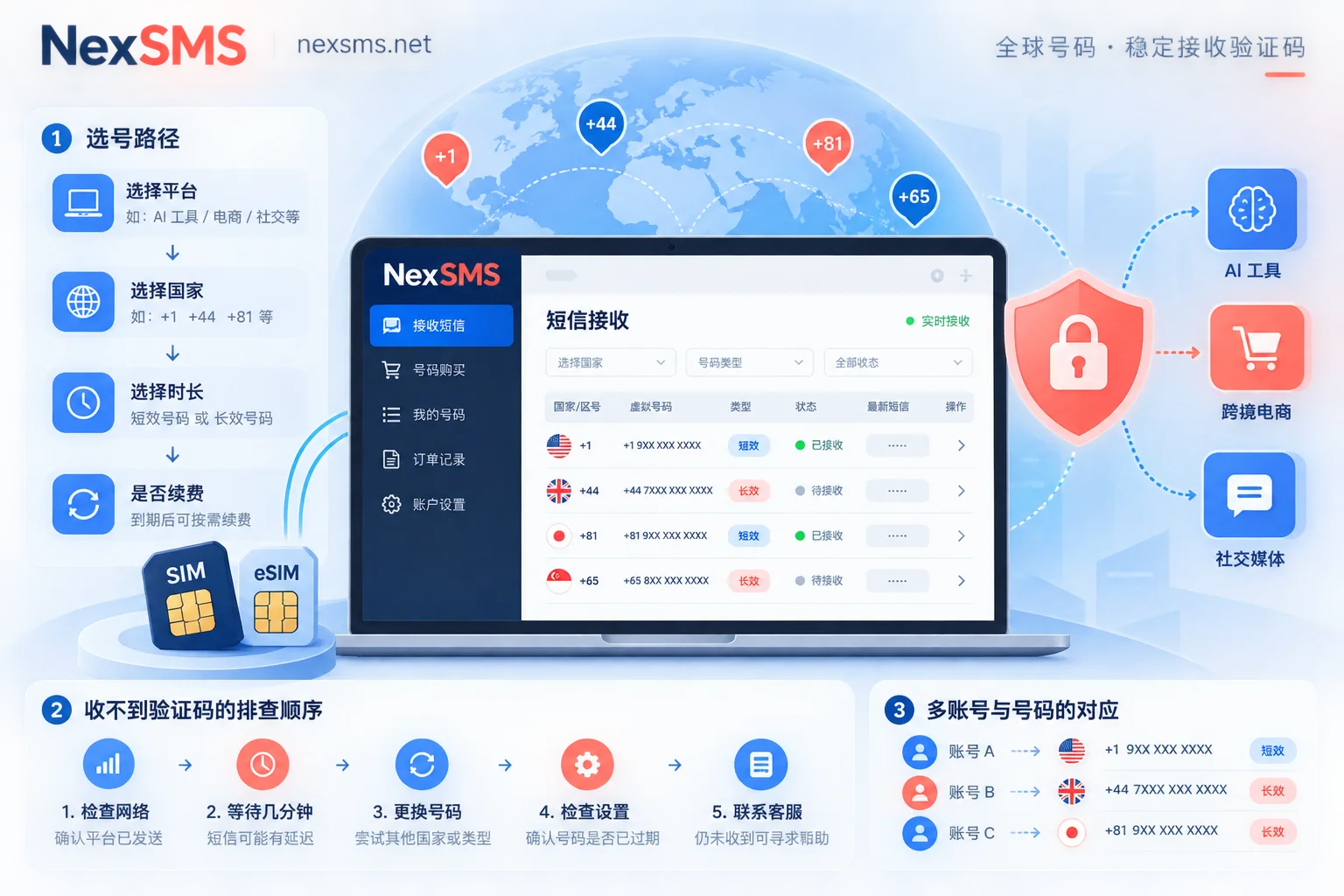
NexSMS covers over 200 countries and regions worldwide, offering mainstream mobile numbers across North America, Europe, Asia-Pacific, the Middle East, Africa, and Latin America. Numbers come in two types—short-term disposable and long-term renewable—and actual inventory, pricing, and whether they can pass verification on a target platform are subject to the real-time display on the official website.
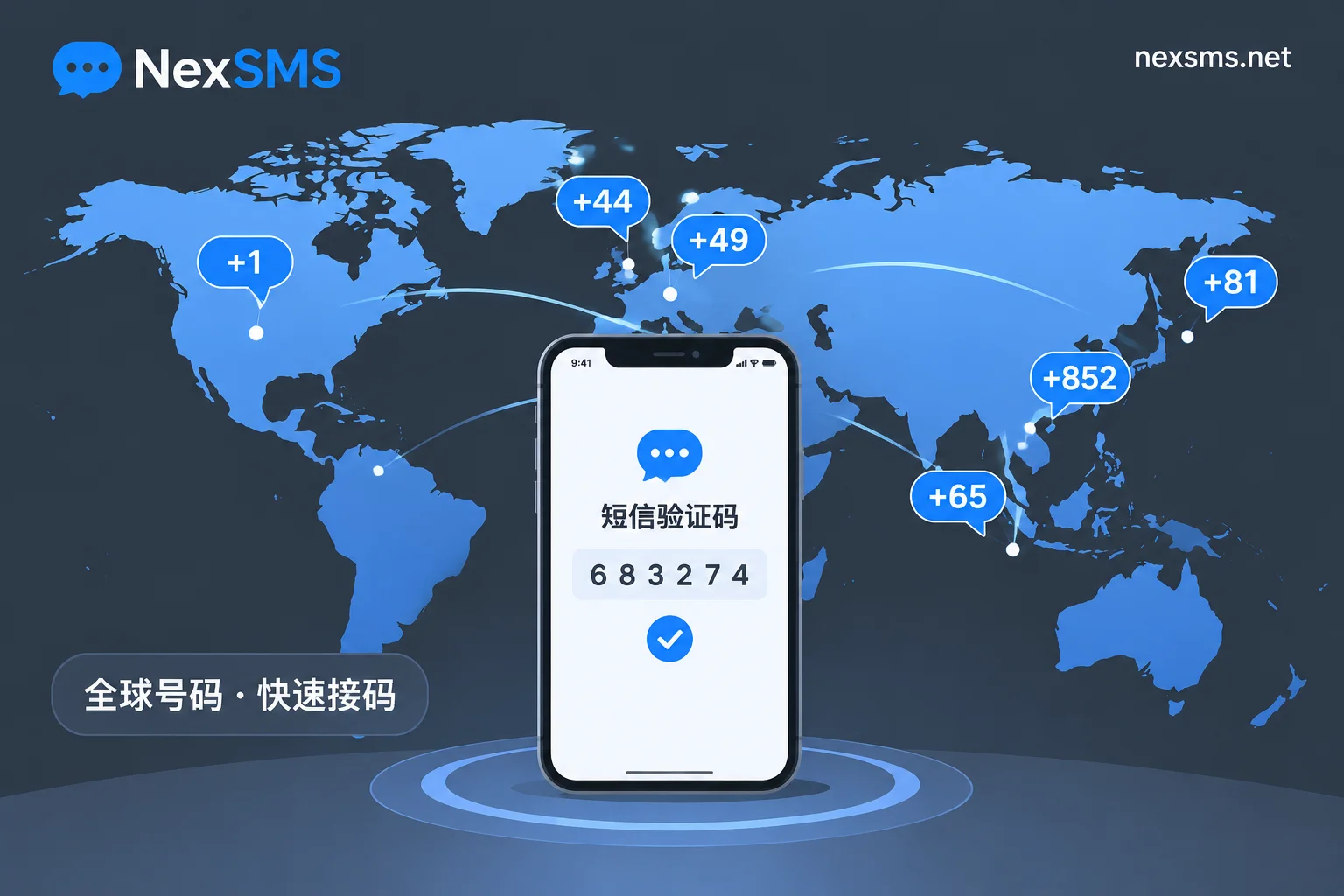
Which International Dialing Codes Do Virtual Numbers Support? Start With Common Codes, Then Choose by Platform and Repeat-Receiving Needs
International dialing codes are assigned under the E.164 standard, but which codes a virtual number service can actually offer depends on the provider's number inventory — common codes cluster around North America +1, the UK +44, Western Europe, and Asia-Pacific.