 NexSms官方博客
Quick Answer: There Is No Official 'Ban List'—Three Detection Mechanisms Decide Your Fate
Which overseas platforms prohibit the use of free SMS verification services? No platform has ever published a 'free SMS ban list'; what truly matters are three tiers of detection mechanisms. TikTok/TikTok Shop automatically block generic VoIP numbers during registration and withdrawal, requiring a second SMS verification. Amazon Seller Central mandates 2FA and restricts the same phone number from being linked across multiple accounts. This article breaks down these three mechanisms, along with error signals and countermeasures, to help you identify where you're being blocked.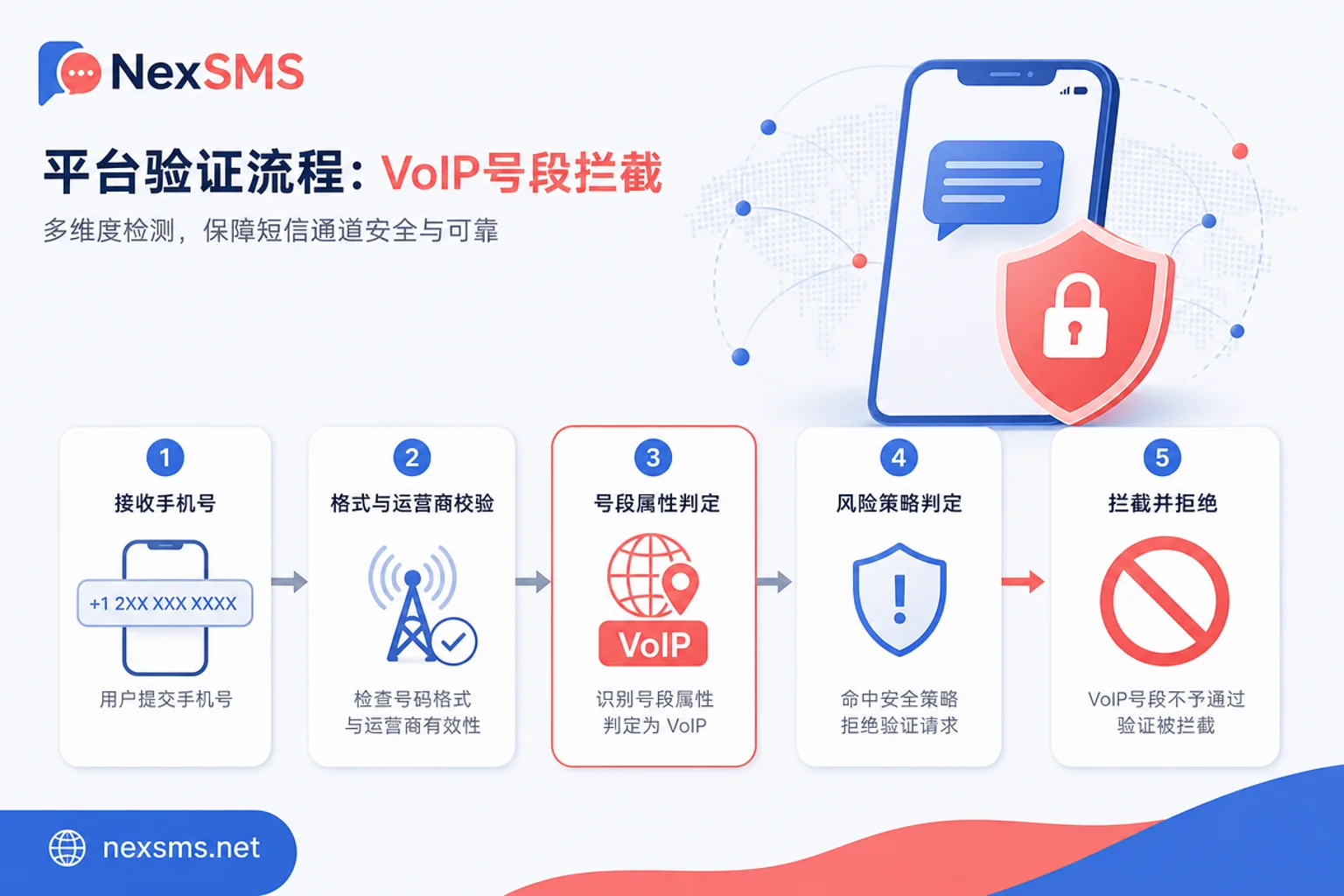
Mechanism 1: Carrier Lookup—How TikTok/TikTok Shop Block Generic VoIP Numbers
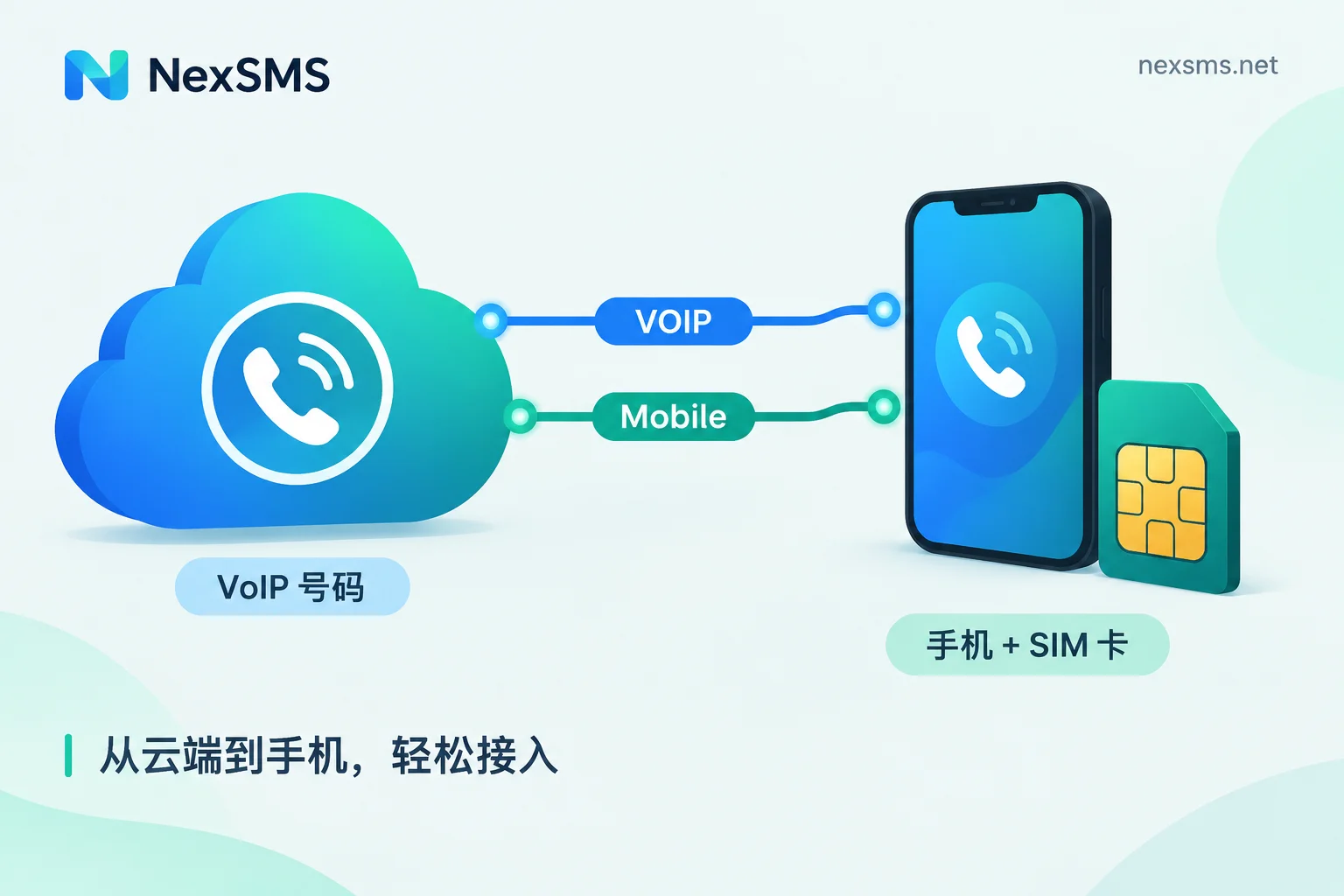
TikTok and TikTok Shop have upgraded number verification during registration and withdrawal: the system automatically detects and blocks generic VoIP virtual numbers, requiring a carrier-direct real cellular number (Non-VoIP). This is why TikTok Shop frequently reports 'invalid phone number'—the platform queries the number's attribute through a real-time carrier database, flagging VoIP number segments as unsupported. If you encounter errors like 'Phone number invalid' or 'Unsupported number', you're likely at this layer. Refer to solutions for Google verification code number invalid for troubleshooting.
A common misconception: changing the number format or adding a country code prefix does not alter the number's attribute. Platforms read the number segment type from the carrier database, so format changes are useless. The platform knows you're using a virtual number through carrier lookup mechanisms like Carrier Lookup.
Mechanism 2: Number Reuse and Association Detection—Why Amazon Prohibits Cross-Account Number Binding
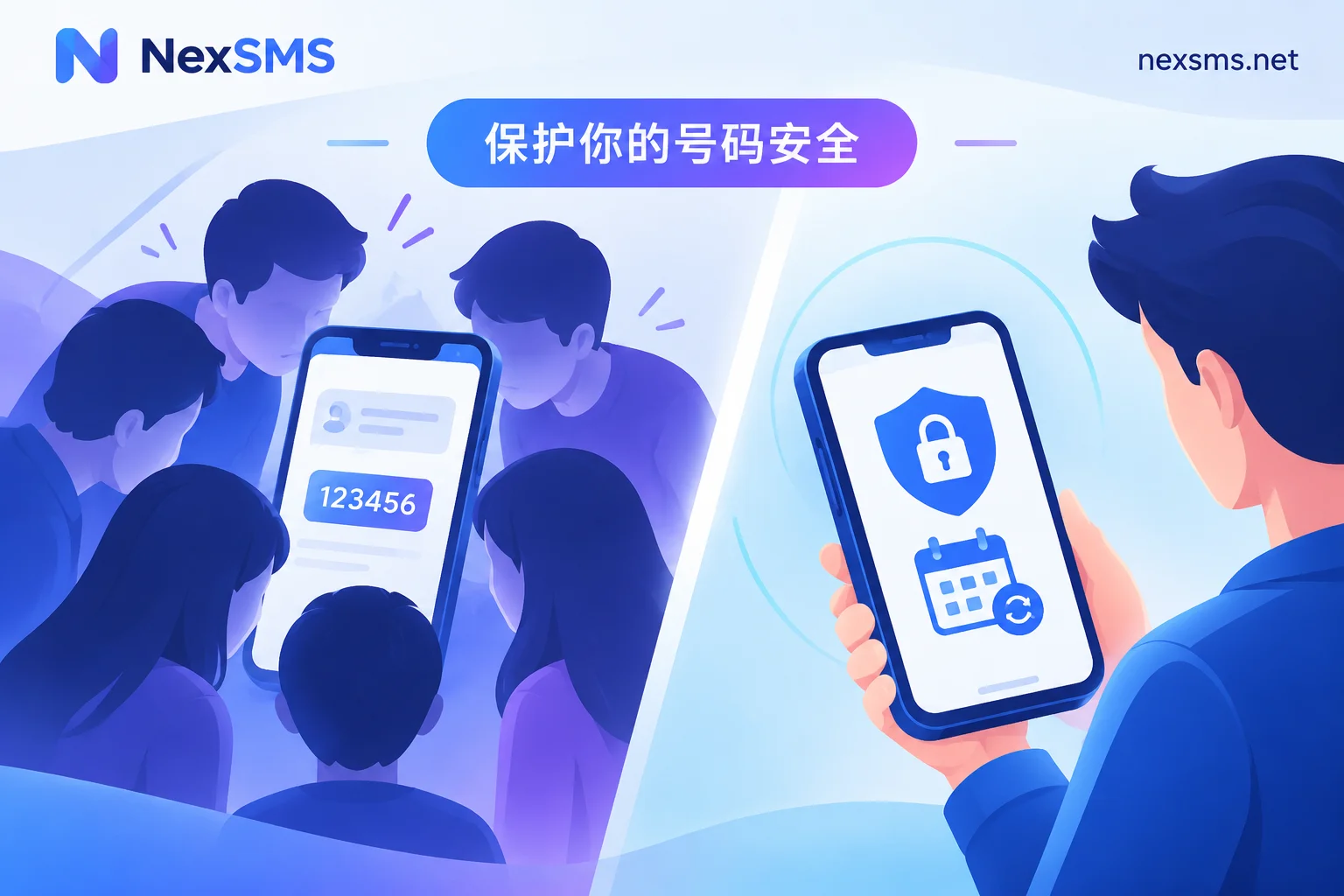
Amazon Seller Central's two-step verification documentation (page info as of May 2025) states: all seller accounts are required to enable two-factor authentication (2FA) at login, and the system restricts the same phone number from being linked across multiple seller or supplier accounts. Improper reuse triggers security alerts and association risks. Free public number pools are used repeatedly by countless strangers, so you may encounter already-bound records during registration or trigger association risk controls.
Can a public number that has been used by others still be used for registration? Mechanistically, it's likely no: either it prompt 'number already in use' or it triggers security alerts. Even if registration succeeds, using a shared public number for multiple accounts later plants seeds of association risk. 'Will accounts registered with free SMS be banned?'—Under reuse detection, the risk is extremely high, especially in scenarios involving store operations. For multi-account isolation, refer to cross-border e-commerce account verification methods.
Mechanism 3: Second SMS Receipt Reachability—Why Withdrawal and 2FA Fail with Short-Lived Numbers
Even if initial registration passes, free SMS numbers often fail at critical moments. For example, TikTok withdrawals require receiving a second SMS; short-lived abandoned numbers are recycled after the receipt window closes, making funds inaccessible. Amazon's 2FA similarly requires receiving a verification code at login; if the number becomes invalid, you lose access to the account. The key at this layer: registration verification is just the beginning; long-term login and financial operations require a persistently available number. The core difference between short-term and long-term numbers lies here: the former only guarantees a single SMS receipt window, while the latter can support ongoing login and financial verification.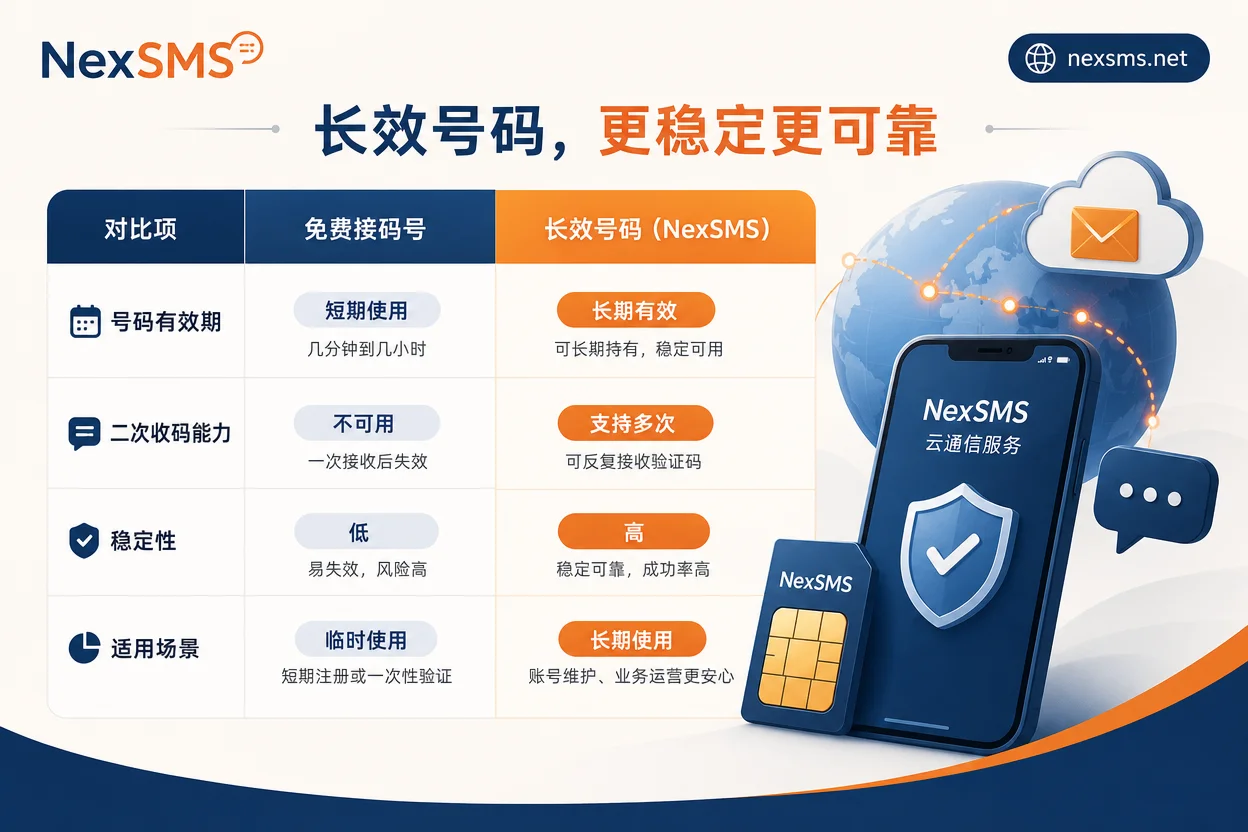
Signal Comparison for Three Types of Blocks: Which Layer Does Your Error Belong To?
Returning to the question 'which overseas platforms ban free SMS verification services', a more practical approach is to identify the type of error you receive.
| Error/Symptom | Corresponding Detection Layer | Actionable Steps |
|---|---|---|
| Number invalid or not supported | Carrier Lookup | Switch to a carrier-direct cellular number |
| Cannot receive verification code | Carrier Lookup / Second SMS Receipt | Check number validity; use a long-term number |
| Number already in use or security alert | Number Reuse and Association | Use a dedicated number; avoid public numbers |
| Cannot receive SMS during 2FA | Second SMS Receipt | Ensure number is renewable and long-term |
Note: Platforms do not publicly disclose risk control weights for specific country codes; actual results may vary and should be tested.
Three Things NOT to Do After Being Blocked
- Repeatedly modify number format: Format cannot change number attributes; it only wastes time and triggers frequency risk control.
- Continuously switch free public numbers: Multiple attempts exacerbate association detection and may flag your account.
- Reuse public numbers used by others: Reuse risk is extremely high; you may directly hit already-bound records.
The claim that 'specific prefixes can bypass detection' lacks technical basis; platforms use real-time databases, so no known exploits exist.
Number Carrier Rearrangement: Which Numbers to Use for Registration, Withdrawal, and Long-Term Login
Choose based on risk level: for one-time low-risk verifications (e.g., community registration), short-term numbers suffice; for scenarios involving funds, stores, or long-term 2FA, you must use dedicated, renewable long-term local numbers. Additionally, maintain a one-number-per-account ledger per platform to avoid cross-contamination. For related methodologies, refer to short-term vs. long-term number differences.
Using NexSMS: Legitimate Use of Country Selection, Web SMS Receipt, and API
NexSMS offers multi-country number selection; short-term numbers suit one-time verifications, while renewable long-term local numbers support withdrawals and long-term 2FA. Web SMS receipt is ideal for manual registration, while developer APIs facilitate automation. Please note: these services are only for legal verification of your own or your enterprise’s accounts and privacy isolation, not for fraudulent registration or evading real-name requirements. If you encounter issues with receiving verification codes, see troubleshooting for not receiving SMS codes.
Pre-Registration Self-Checklist
Instead of worrying about which overseas platforms ban free SMS verification services, run through the following 6-item checklist before registering.
- Does the account involve fund withdrawals? If yes, use a long-term number.
- Is long-term 2FA required? If yes, the number must be renewable.
- Does the target country match the account's registered location? Mismatch may trigger risk control.
- Is the number dedicated? Avoid public ones.
- Can it be renewed for number retention? Confirm the provider supports it.
- Have you maintained a ledger? Essential for multi-account operations.
FAQs
Why can’t I receive verification codes with free SMS verification platforms?
Free SMS platforms often use public number segments that are blocked as VoIP or already used by others, preventing SMS delivery. Additionally, short-term numbers may expire due to delayed SMS delivery. It’s recommended to switch to a dedicated long-term number.
Which platforms do not support VoIP number registration?
Confirmed: TikTok and TikTok Shop detect and block generic VoIP numbers during registration and withdrawal; Amazon Seller Central's public requirements focus on mandatory 2FA and prohibiting the same number across accounts, without a published VoIP blacklist. For other platforms, whether they block VoIP lacks public documentation; you must test in practice.
Will accounts registered with free SMS be banned?
There is risk. If funds or long-term use are involved, platforms may detect number invalidation during secondary verification or trigger association risk control, leading to account suspension. For safety, do not use free public numbers for important accounts.
Can I use a public number that someone else has used?
Likely no. Platforms detect number reuse; if already bound, it will show invalid or trigger security alerts. Even if registration succeeds, subsequent risks are high.
What happens to original account data after changing numbers?
If your original number becomes invalid, update the number in account settings as soon as possible, provided the platform supports self-service changes. Some platforms require manual review; contact customer support in advance.


Comments(0)