 NexSms官方博客
What is the difference between exclusive virtual numbers and shared numbers? The key difference lies in whether you have exclusive control over the number during its validity period, and whether the number carries residual registrations from others. Shared numbers mean that verification codes may be seen by others, and they often come with the "history baggage" of previous users, making them unusable from the start. Below are five criteria you can verify on your own.
Conclusion First: The Difference Is Not in Price but in Who Controls the Number During This Period
The most fundamental difference between exclusive and shared virtual numbers is who controls the number during its validity period. An exclusive number belongs only to you during a certain period, and only you can see the verification code. A shared number, on the other hand, may be used by multiple people simultaneously for registrations, and anyone who knows the number can read your OTP, potentially allowing them to reset your password. Recently, major platforms have tightened their number segment validation rules. For example, Google's official Help Center states that the system limits the total number of accounts and usage frequency that a single phone number can verify. This means that low-quality shared number pools are more easily blocked, so you need to be more cautious in your choice.
Criterion 1: Can Someone Else See This Verification Code at the Same Time?
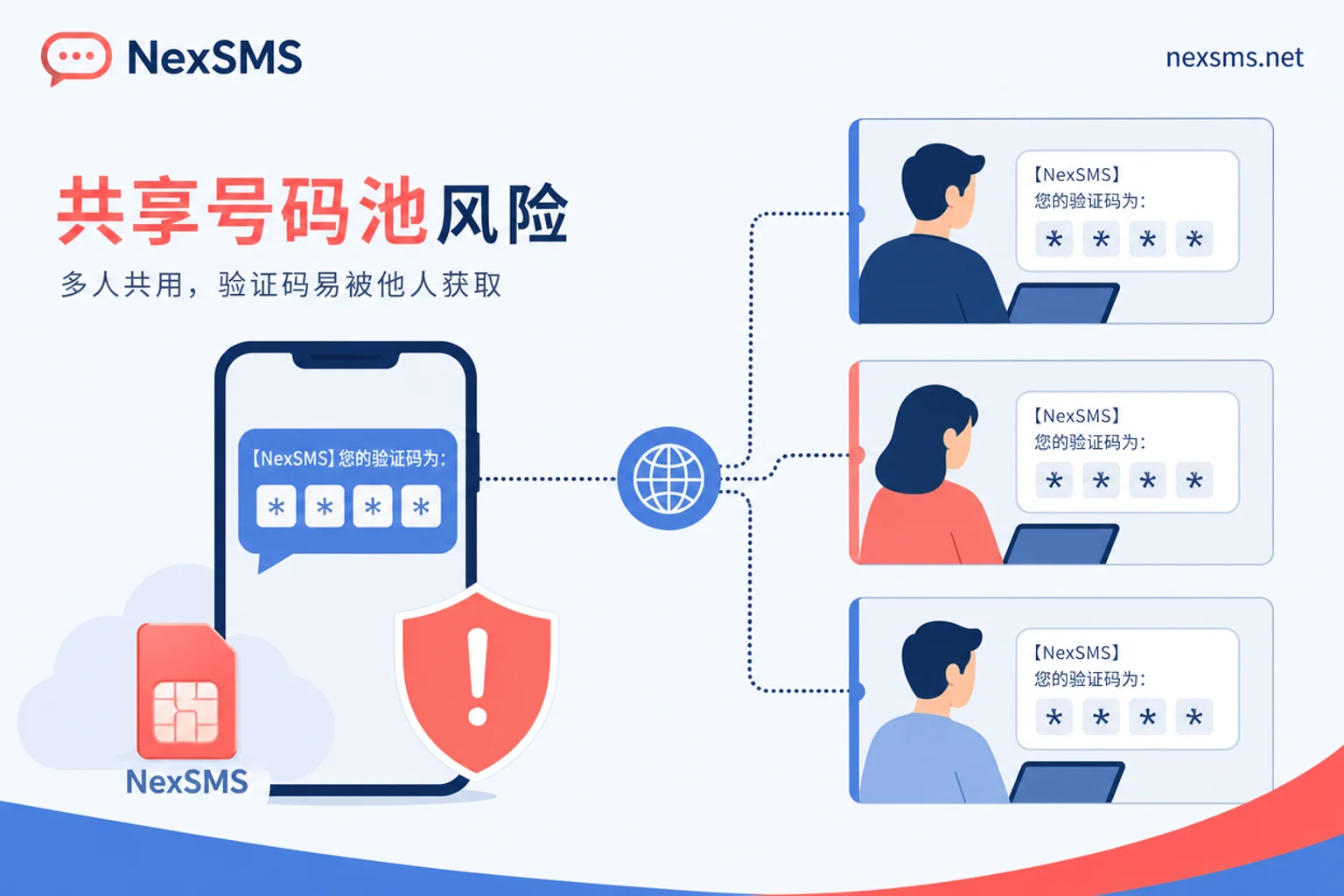
Shared number pools operate by making numbers visible on public pages or across multiple users simultaneously. After ordering, you should confirm whether the number is bound to your account until the expiration date and whether it still appears on the public listing page. If the number is still listed on a public page, any visitor could potentially read your verification code. Google's official Help Center explains that there is a limit on the number of accounts a single number can verify and the frequency of use, beyond which you will see "This number has been used too many times." Shared numbers, which are repeatedly registered by many users, are the most likely to hit this limit first. Therefore, checking the visibility of the number immediately after ordering is the most direct way to determine if it is exclusive.
Criterion 2: Why Shared Numbers Fail to Receive Verification Codes from the Start
Shared numbers often show "This phone number cannot be used for verification" on the first use. This is not a platform malfunction but a situation where the number's quota has been used up by previous users. Google's official Help Center explicitly states that the system limits the total number of accounts and usage frequency a single phone number can verify; when the threshold is exceeded, the above error is returned. So, when a shared number you purchased fails to receive a verification code, it is likely not a platform issue but rather that the number has already been repeatedly registered. If this happens, you can further refer to Resolving the Google verification code invalid number issue to troubleshoot whether the number segment has been restricted by the platform.
Criterion 3: Can You Re-Receive Codes? The Hard Requirement for Account Recovery, Two-Step Verification, and Withdrawals
The requirements for numbers differ between "receive a code once" registration scenarios and scenarios that require "long-term repeated receipts" such as login verification, account recovery, and risk control checks. Shared numbers are often returned to the pool after the first receipt. When you need to receive a code again, the number may be occupied by someone else, causing your account to get stuck in the verification process. For example, two-factor authentication during login, password reset codes, and risk control checks during withdrawals all require the number to remain available. If the number has been recycled, the process is interrupted. Therefore, for any account that involves re-receipt, you must choose a long-term exclusive number that can be renewed.
Criterion 4: Are Shared Pool Numbers Recycled? Renewal and Occupancy Periods
Short-term numbers are released upon expiration and flow back into the pool. Long-term numbers require periodic renewal to remain under your control during the validity period. If your bound account relies on that number to receive verification codes, once the number expires and is not renewed, you may lose your only recovery channel. Therefore, before binding, you should confirm the validity period of the number and set up backup verification channels (such as a backup email or backup phone number) to prevent being unable to log in after the number is released. For details on number validity and renewal mechanisms, refer to Difference between short-term and long-term numbers to help you plan your number usage cycle more clearly.
Criterion 5: How Does the Platform View Repeatedly Reused Number Segments?
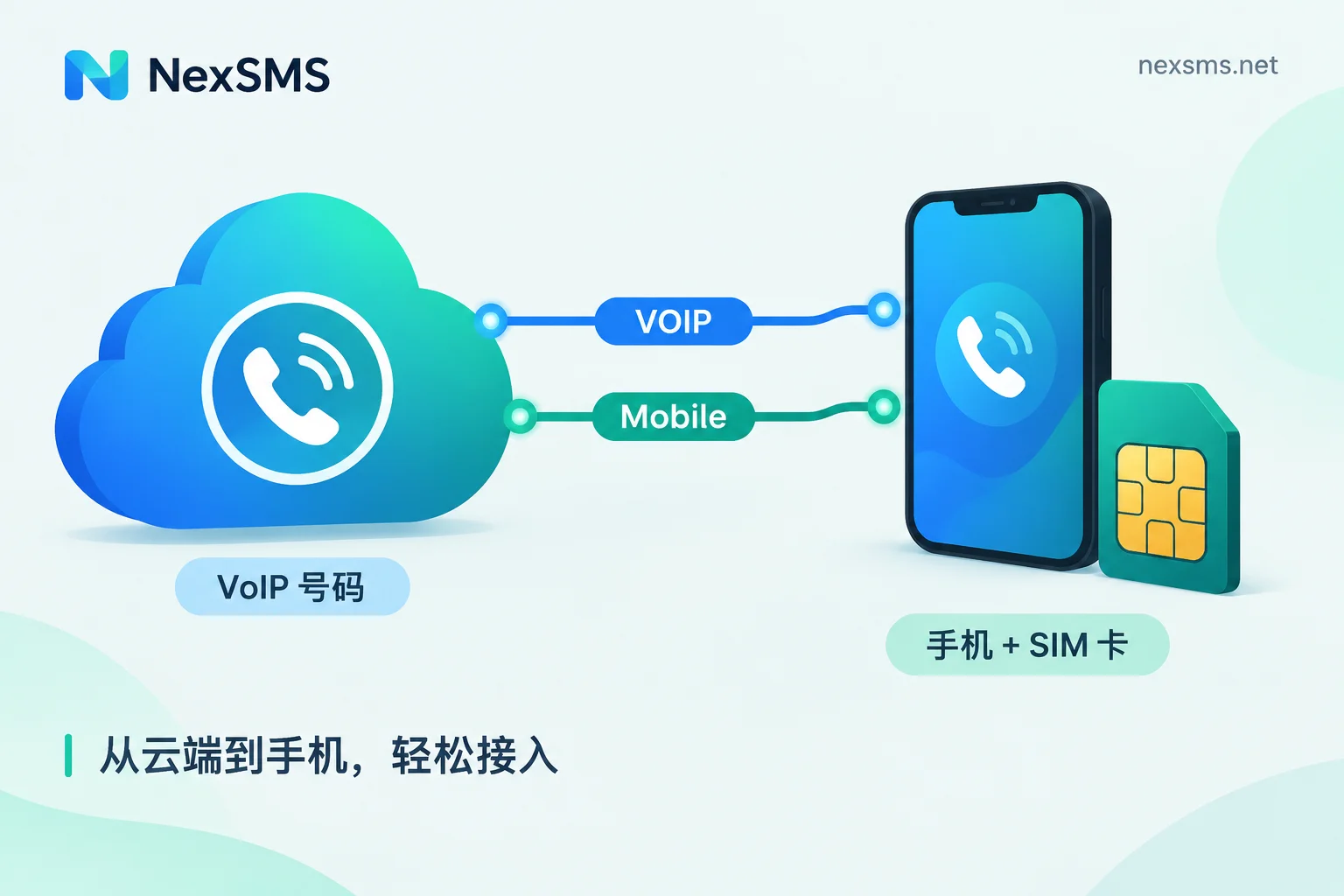
Mainstream platforms generally deploy segment attribute checks and frequency circuit breakers at the registration entry. WhatsApp's official Help Center explicitly lists that general VoIP virtual numbers, toll-free numbers, premium-rate numbers, and Universal Access Numbers (UAN) are unsupported number types and cannot be used for personal account registration or activation. Google also imposes limits on the number of times a single number can be verified. Therefore, shared number segments that are frequently reused are more likely to be identified and blocked during the verification stage, manifesting as verification codes that never arrive or direct errors. This is a direct manifestation of the difference between exclusive and shared virtual numbers at the platform risk control level. To learn more about which platforms have restrictions, you can read Which overseas platforms prohibit free SMS platforms.
Five Criteria Comparison Table: When to Use Shared Numbers and When Exclusive Are a Must
| Usage Scenario | Shared Number Usable? | Recommended Number Type |
|---|---|---|
| One-time trial registration (e.g., temporary login) | Yes | Short-term shared number |
| Non-critical service notifications (e.g., marketing SMS) | Yes | Short-term shared number |
| Social platform primary accounts (e.g., WhatsApp) | Not usable for shared; WhatsApp officially does not support general VoIP, toll-free, and UAN segments | Long-term exclusive local number |
| Payment and withdrawal accounts | Not usable | Long-term exclusive local number |
| Enterprise customer service numbers | Not usable | Long-term exclusive local number |
Industry Background: As Source Compliance Checks Tighten, the Lifespan of Low-Quality Shared Number Pools Is Shortening
In 2026, the U.S. FCC passed a Further Notice of Proposed Rulemaking (FNPRM) requiring voice and communications service providers to strictly collect and verify customers' real identities (KYC/KYUP) before activation and renewal of services. It is important to note that this rule is still in the proposal stage and has not yet taken effect or been enforced. However, this direction has prompted many service providers to tighten admission criteria for number sources, putting greater pressure on low-quality anonymous number pools. For users, choosing a service provider with proper qualifications and exclusive numbers is an important prerequisite to ensure long-term number usability.
Implementing with NexSMS: Country Selection, Division of Short-Term and Long-Term, Web Receipt and API
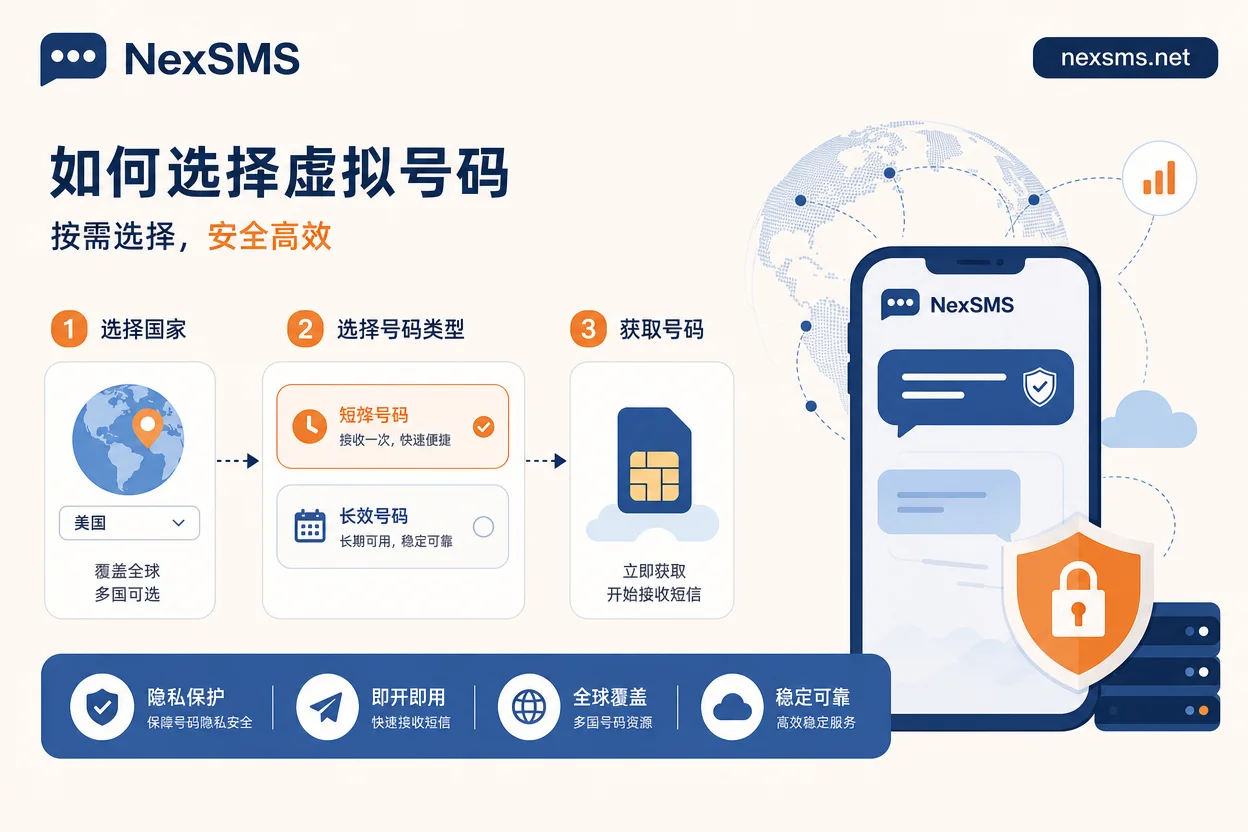
To put the five criteria into practice: for registration and one-time verification, short-term numbers are suitable; for long-term logins, two-step verification, and account recovery, renewable long-term local numbers should be used. The NexSMS official website publicly offers number selection for multiple countries and platforms, supports both short-term one-time numbers and renewable long-term local numbers, and provides both web SMS receipt and developer APIs. By selecting a number based on the target platform's country and using it for your own legitimate business verification, you can minimize risk control risks. For example, when binding a Google account, you can refer to the verification guidelines in its official Help Center to avoid using a number that has exceeded its limit.
Pre-Purchase Self-Checklist
If you are still determining the difference between exclusive and shared virtual numbers, the following checklist can help you verify item by item:
- Confirm number exclusivity: Check whether the number disappears from public pages after ordering and whether it is bound to your account.
- Confirm re-receipt capability: Try to receive verification codes multiple times within the validity period to test stability.
- Confirm validity period and renewal method: Clarify the expiration time of the number and the renewal process, and set up backup verification channels.
- Confirm number segment attributes: Understand whether the number is a VoIP, toll-free, or other segments restricted by platforms.
- Confirm target platform support: Verify that the target platform's country and number type match.
FAQ
Can someone else log into an account registered with a shared number?
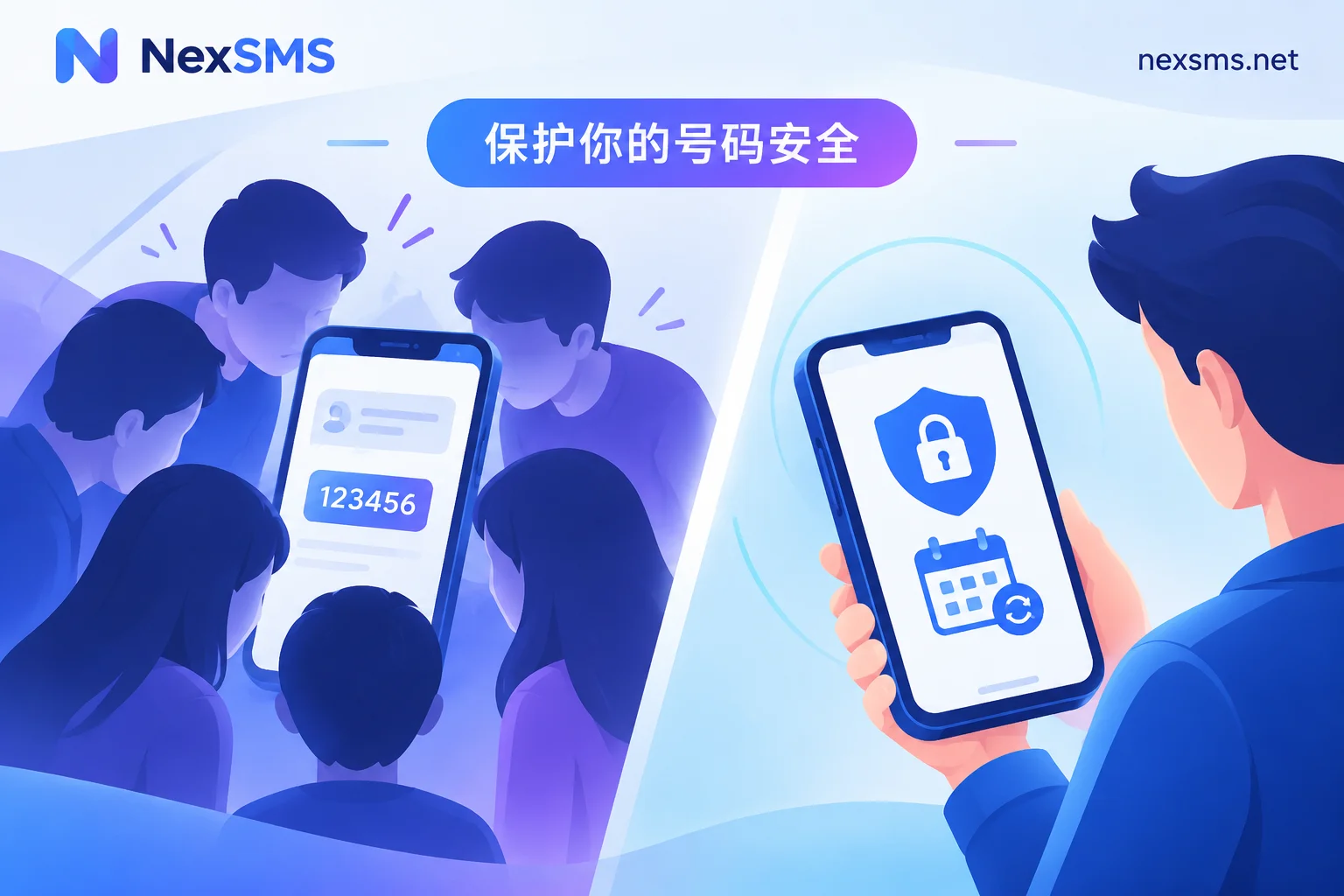
Potentially, yes. Because the shared number is not exclusive, if others still have the number, they may use the "forgot password" feature to receive a verification code and log into your account. Therefore, for important accounts, use an exclusive number.
Why don't public SMS numbers receive verification codes?
Possible reasons include: the number has been restricted by the platform (e.g., Google says "cannot be used for verification"), the number segment is blocked (e.g., WhatsApp prohibits general VoIP), or the number has been used too many times. It is recommended to switch numbers or choose an exclusive number. If the issue persists, refer to SMS not receiving verification codes for more troubleshooting tips.
What is the cost of an exclusive virtual number?
The cost of exclusive numbers mainly comes from exclusive control: the number is used only by you during the validity period, has a clean history, higher platform risk control pass rate, and supports re-receipt. These guarantees reduce account risks, hence the higher price.
Are shared pool numbers recycled?
Yes. Short-term numbers are released upon expiration and flow back into the pool. Long-term numbers are also recycled if not renewed. After recycling, the original bound account may lose its verification channel, so be sure to pay attention to the validity period.
How to confirm if a virtual number is exclusive when purchasing?
After ordering, check whether the number disappears from public pages and whether it is bound to your account. You can also attempt to receive codes at different times to ensure there is no interference from others. The number type (exclusive/shared) provided by the service provider is also an important basis.
Will accounts registered with shared numbers be flagged as linked?
Possibly. Repeated use of the same number segment may trigger platform risk control mechanisms, especially on social platforms. If multiple accounts use the same number or adjacent segments, they are more likely to be associated. Using an exclusive long-term number can reduce such risks.


Comments(0)