 NexSms官方博客
In the cross-border e-commerce landscape of 2026, account security is no longer just a matter of the "registration" step. As platforms like Amazon, TikTok, and PayPal continue to tighten environment detection and identity verification, e-commerce practitioners face a challenge that has evolved from "how to register" to "how to maintain stable account ownership over the long term."
Why Has "Verification Code Reception" Become a Bottleneck in Account Operations?
Recently, many sellers have reported that even carefully maintained "old accounts" are frequently required by platforms to undergo secondary verification due to "abnormal login" or "periodic verification." Once verification codes cannot be received, not only is there a risk of account lockout, but subsequent fund settlement and order processing will also come to a standstill. At this point, a receiving solution that can stably handle various verification scenarios becomes crucial.
Account Verification Strategy: Choose on Demand, Manage in Layers
For different types of cross-border businesses, a one-size-fits-all approach is not applicable; otherwise, it can easily lead to a chain of account bans due to risk control associations. You need to layer your verification methods based on the value and purpose of your accounts:
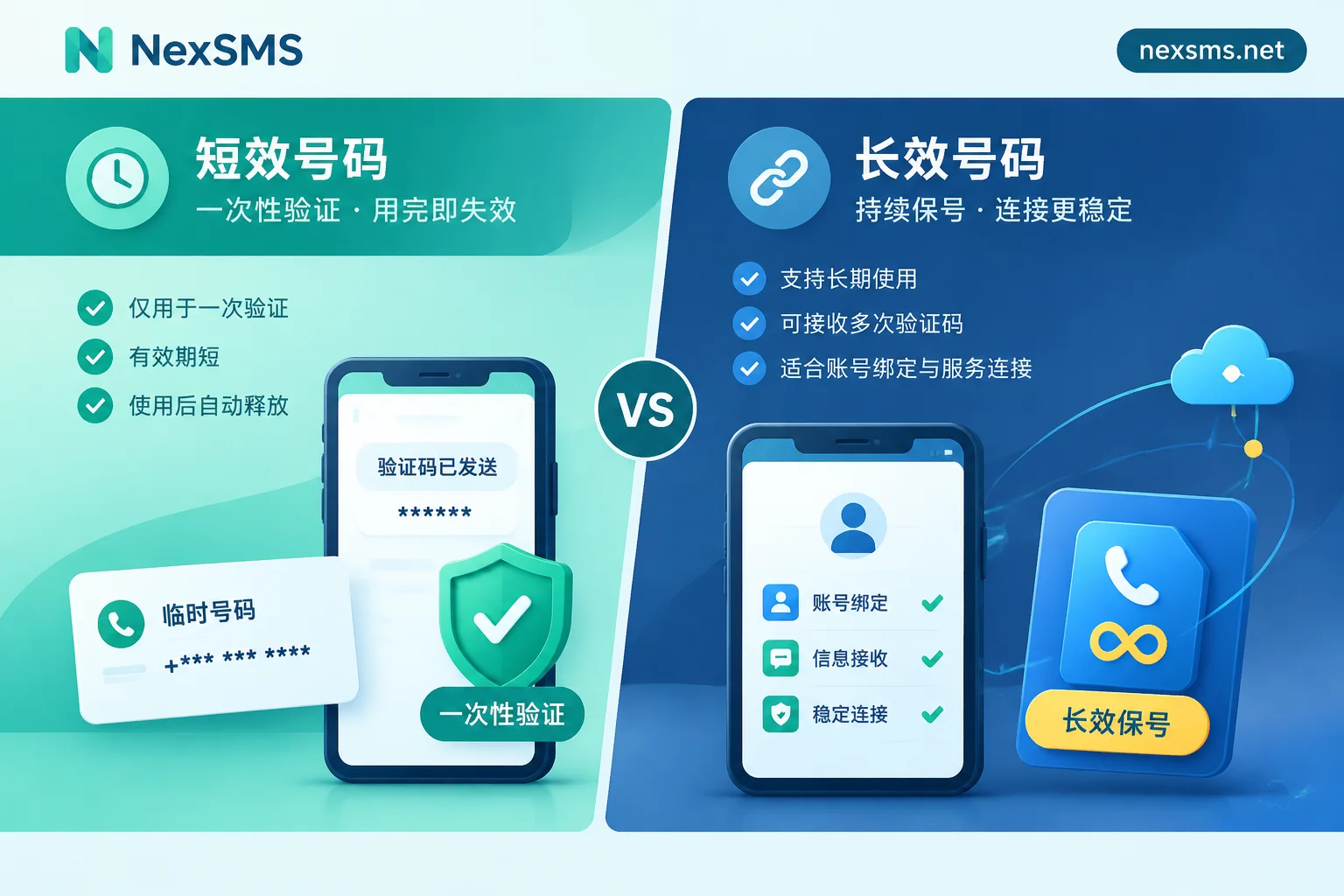
1. Temporary Registration: High-Frequency, Low-Cost Short-Term Solution
For temporary accounts that need quick business testing or are used only as auxiliary tools, short-term ordinary numbers are a cost-effective choice. These numbers are billed per use, require no long-term maintenance costs, and meet single verification needs.
2. Core Asset Maintenance: Long-Term Stable Physical Card Fallback
For accounts involving fund transactions and core store operations, virtual landline numbers are often easily blocked by platforms. At this time, long-term premium numbers (real carrier local numbers, not virtual landline numbers) are the core of account retention. They allow unlimited verification code reception within the validity period and can be renewed before expiration, providing solid "long-termism" protection for account security.
How to Efficiently Cope with Risk Control Logic Across Different Platforms?
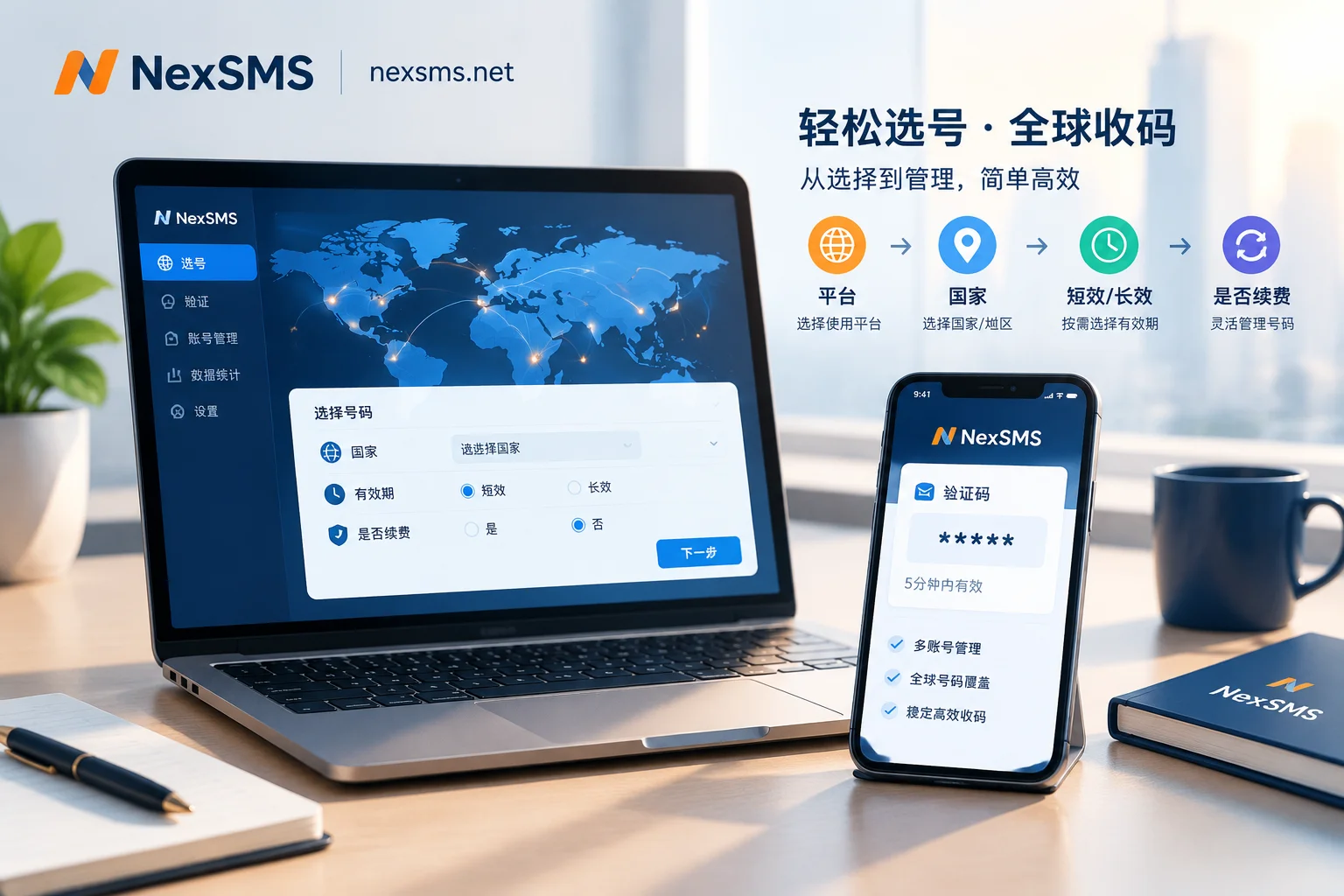
Different platforms have different requirements for numbers. For example, OpenAI or WhatsApp are very strict in reviewing the origin of numbers during verification. As a seller, it is recommended to prioritize the pass rate of the number in specific business scenarios when selecting numbers by country.
In addition, for teams with some technical capability, the number acquisition and code reception process can be integrated into automated workflows. Through the developer API, you can process codes in parallel with web-based reception, greatly improving the verification efficiency for large-scale accounts.
Operational Advice: Don't Wait Until You Can't Receive Codes to Regret
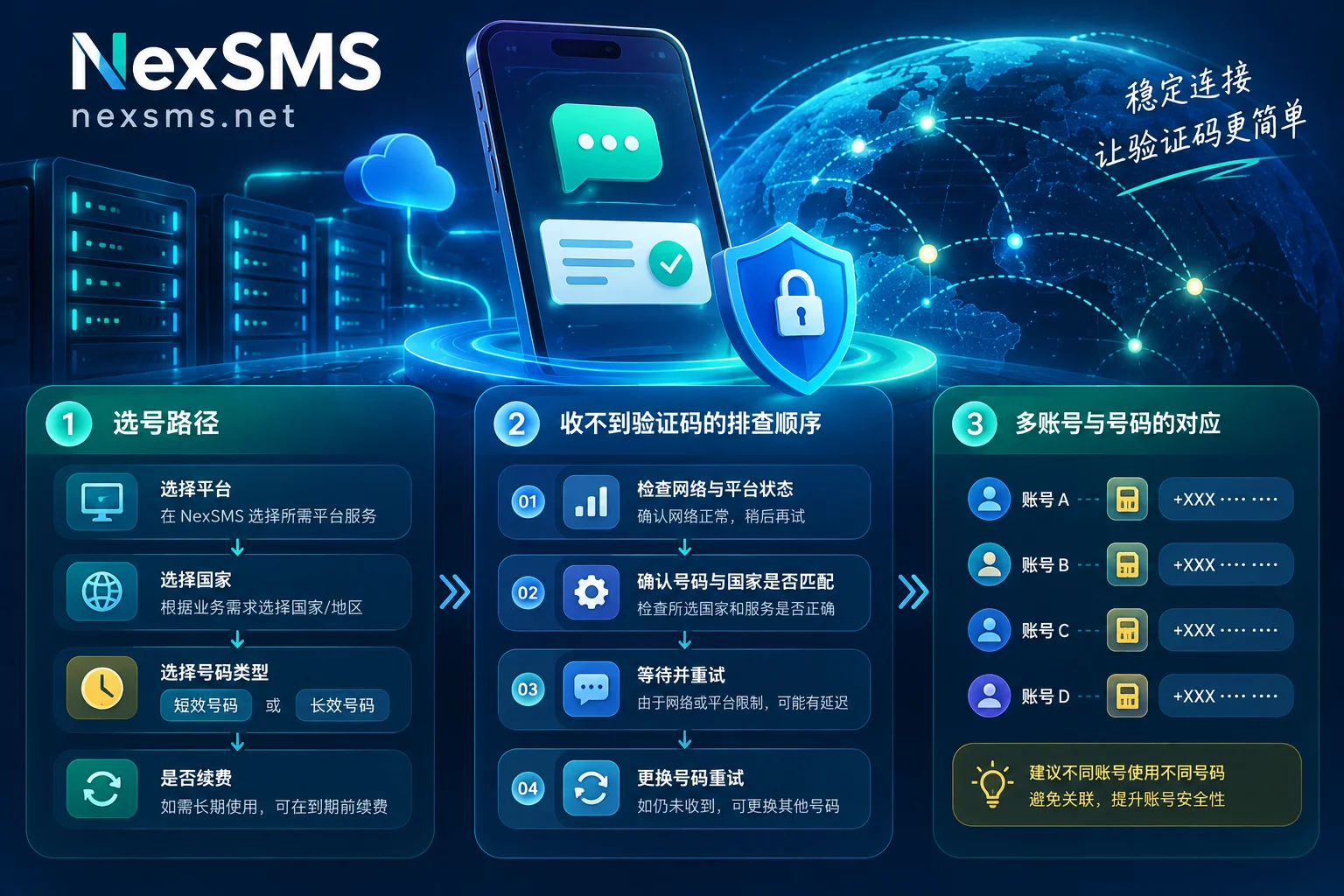
- Layered Account Management: Refer to "How to Allocate Phone Numbers When Operating Multiple Accounts" to achieve one number per account and reduce association risks.
- Test the Environment in Advance: Before peak periods for core business, use a small number of numbers to conduct price and availability tests on the target platform.
- Real-Time Monitoring: Utilize NexSMS's real-time web display of verification codes to ensure timely response at the moment of verification.
The essence of cross-border e-commerce is to seek progress while maintaining stability; the security factor of accounts determines the upper limit of your business. If you need to deploy for specific countries (such as US numbers) or specific platforms (such as X/Twitter), please log in to the NexSMS official website to view the latest inventory and solutions, or directly contact Telegram customer service for support.
Special reminder: All business is subject to the platform's risk control rules at the time. Please conduct cross-border business through legal and compliant channels.


Comments(0)