 NexSms官方博客
只是一个默认分类
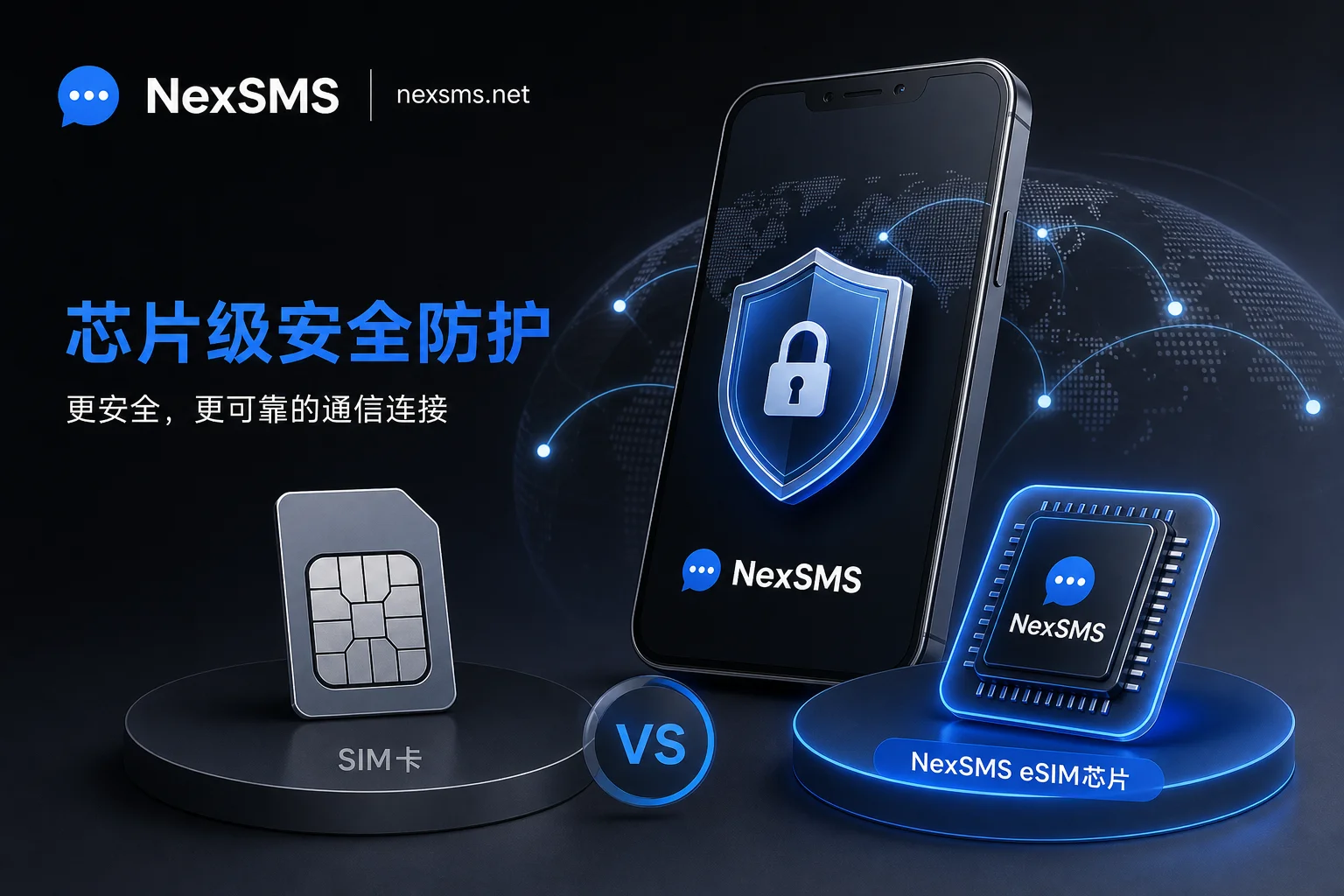
eSIM vs Physical SIM Card Security: It Only Stops the First Layer
eSIM only prevents physical SIM card swapping, not social engineering or account hijacking. This article breaks down the three-layer attack chain and provides actionable mitigation strategies.
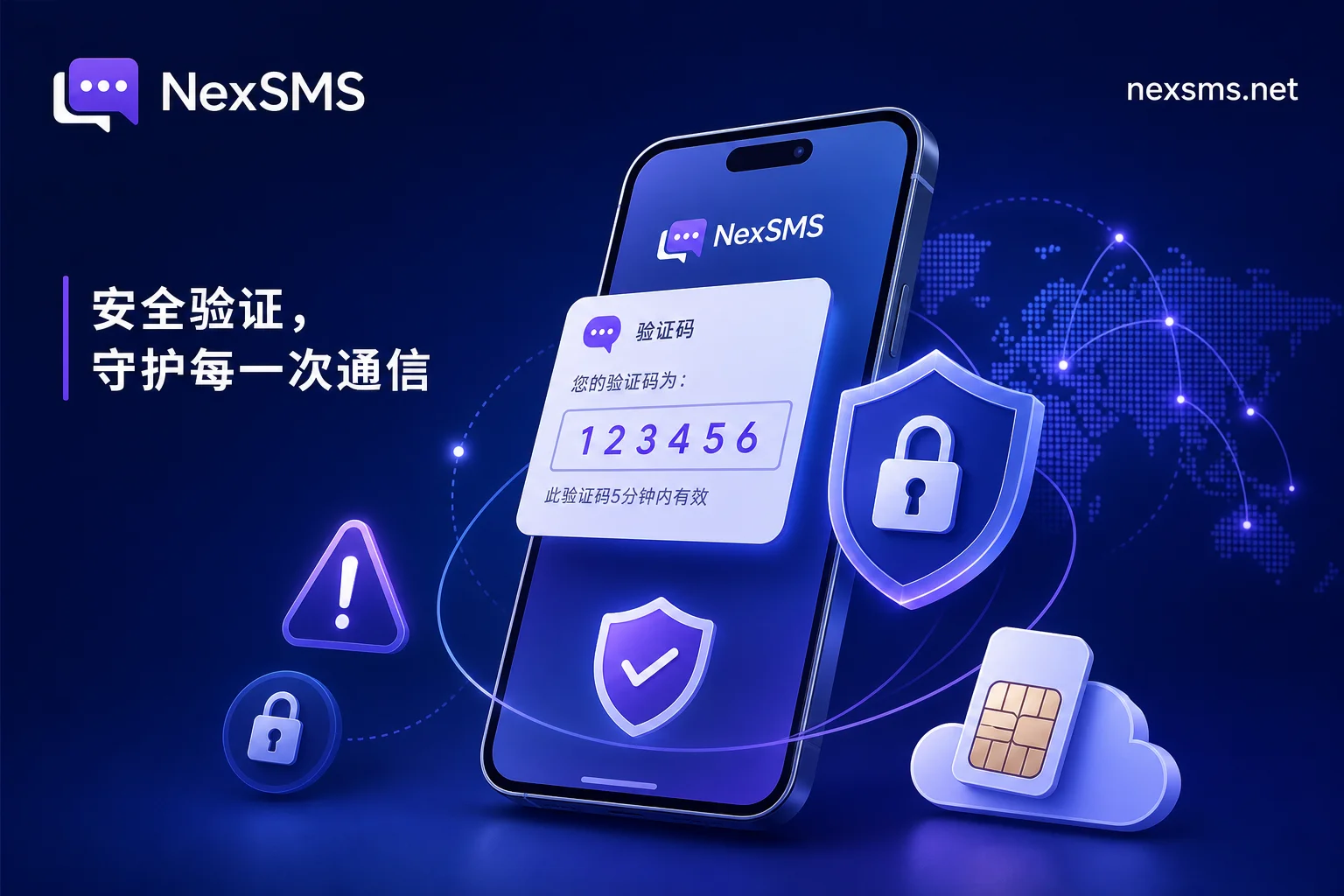
What Is SMS OTP Interception Attack and How to Defend Against It? Four Paths Explained
SMS OTP interception attacks fall into four distinct paths: SIM swapping, social engineering, channel-side delivery deviations, and account-side entry concentration. This article dissects each path with detection signals and defensive actions, incorporating GSMA network-level silent verification trends and offering layered number recommendations.
Received an Unauthorized 2FA Verification Code SMS? First, Identify the Source from Three Categories
Learn how to judge the source of an unexpected 2FA verification code SMS before acting, with a 30-second decision guide, a source comparison table, and actionable steps to mitigate risks.
Will Virtual Numbers Be Recycled by Carriers? First Look at the 45-Day Aging Period
Virtual numbers are recycled by carriers, meaning the usage right is recovered, not the provider shutting down. The FCC mandates at least a 45-day aging period post-deactivation, but Princeton research shows recycled numbers can still receive previous users' verification codes; key accounts need long-term exclusive numbers.
What Number Do You Need for Voice Verification Code Reception? First, Check the Number Segment's Voice Capability
Whether voice verification codes can be received depends on both the number's voice inbound capability and the platform's voice channel availability; PSTN voice and SMS OTP are both restricted authenticators under current authentication standards.