 NexSms官方博客
Which Country's Phone Number Should You Use for OpenAI Registration? Supported Countries, Number Types, and Verification Timing
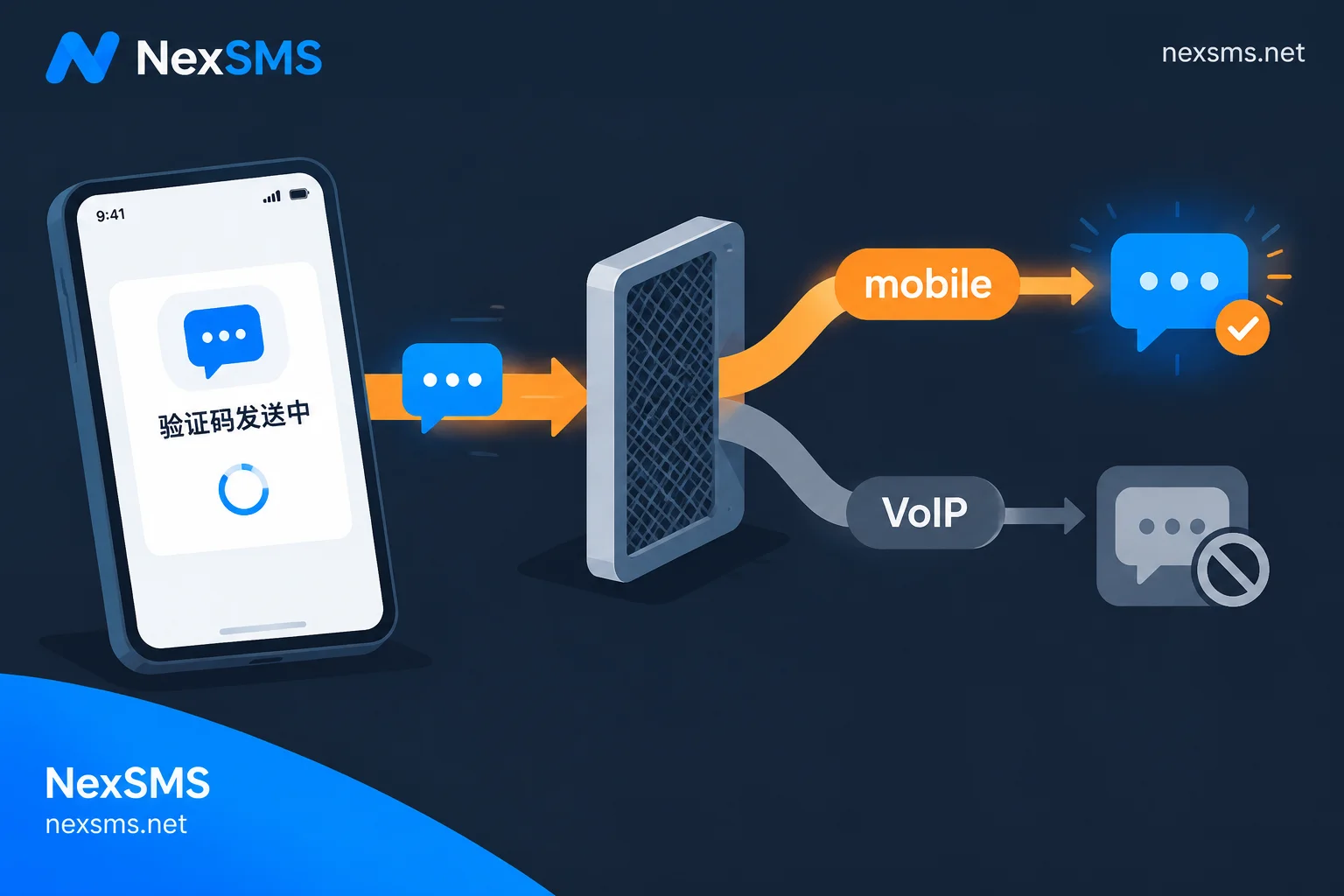
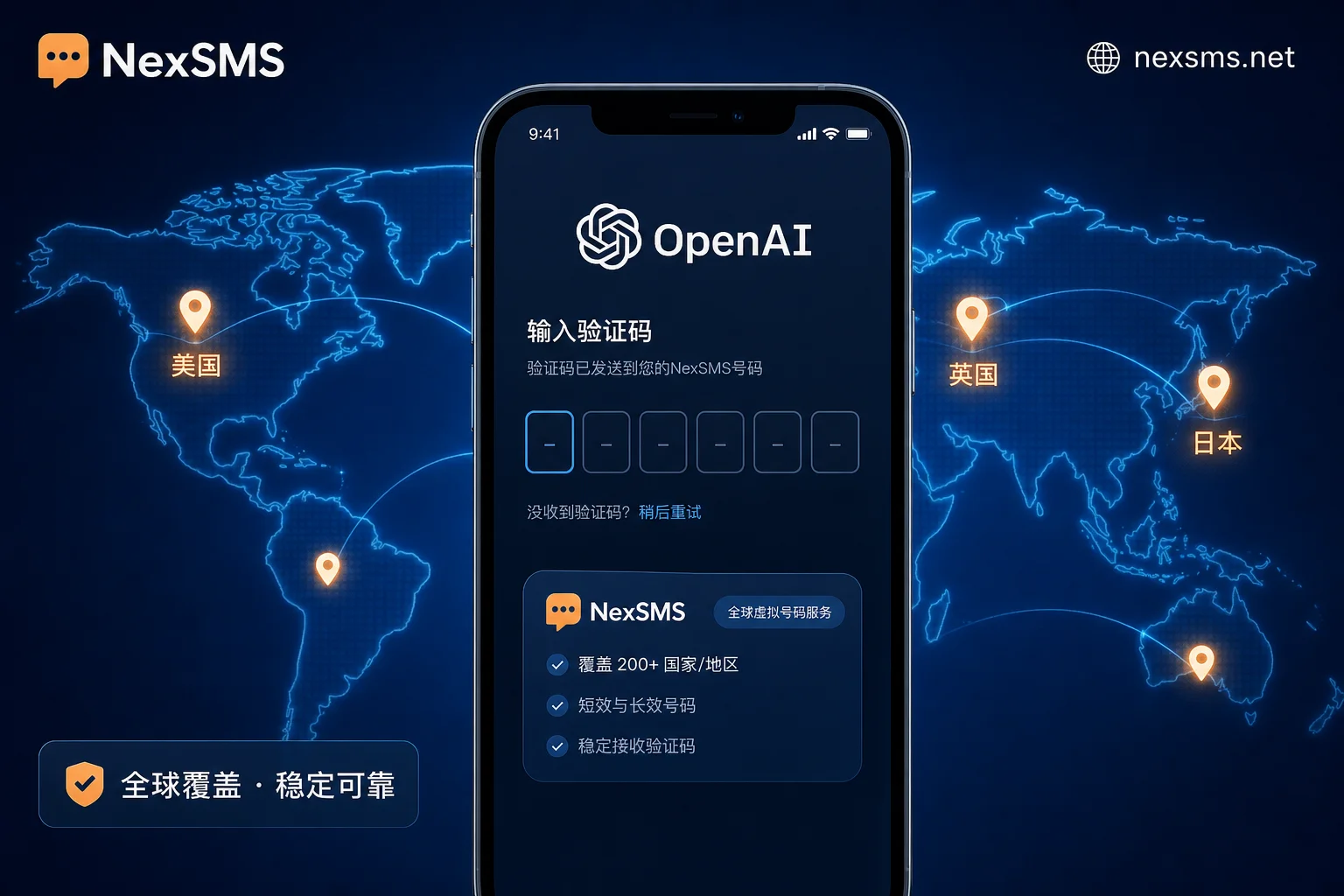
OpenAI standard registration no longer requires mandatory phone verification, but verification is still needed when creating the first API key on the API platform, triggering security risk controls, or logging into certain clients. You must use a real mobile number from an officially supported country (such as the US, UK, Japan, etc.). Mainland China, Hong Kong, Russia numbers, and VoIP virtual numbers like Google Voice are strictly prohibited. A single number can be used for API verification on at most 3 accounts.
What to Do When Verification Codes Are Delayed: From Stopping Resends to Switching Numbers
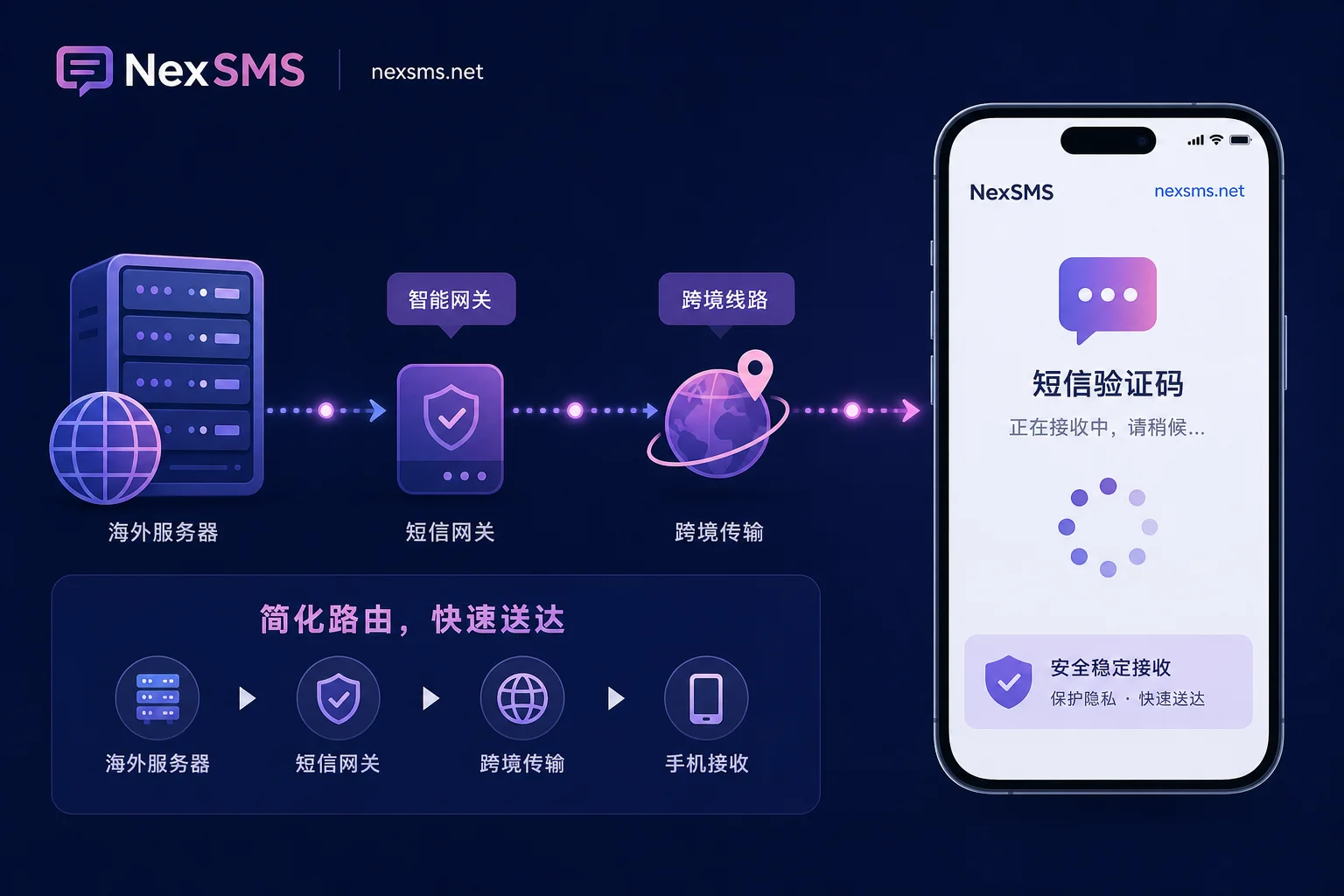
SMS verification codes that are late or never arrive are often not due to network issues but rather resend overwrites, device blocking, cross-border gateway throttling, or platform risk control on number types. Following the five-step order—waiting baseline, device self-check, resend rules, channel fallback, and number attributes—can resolve most delays within minutes.
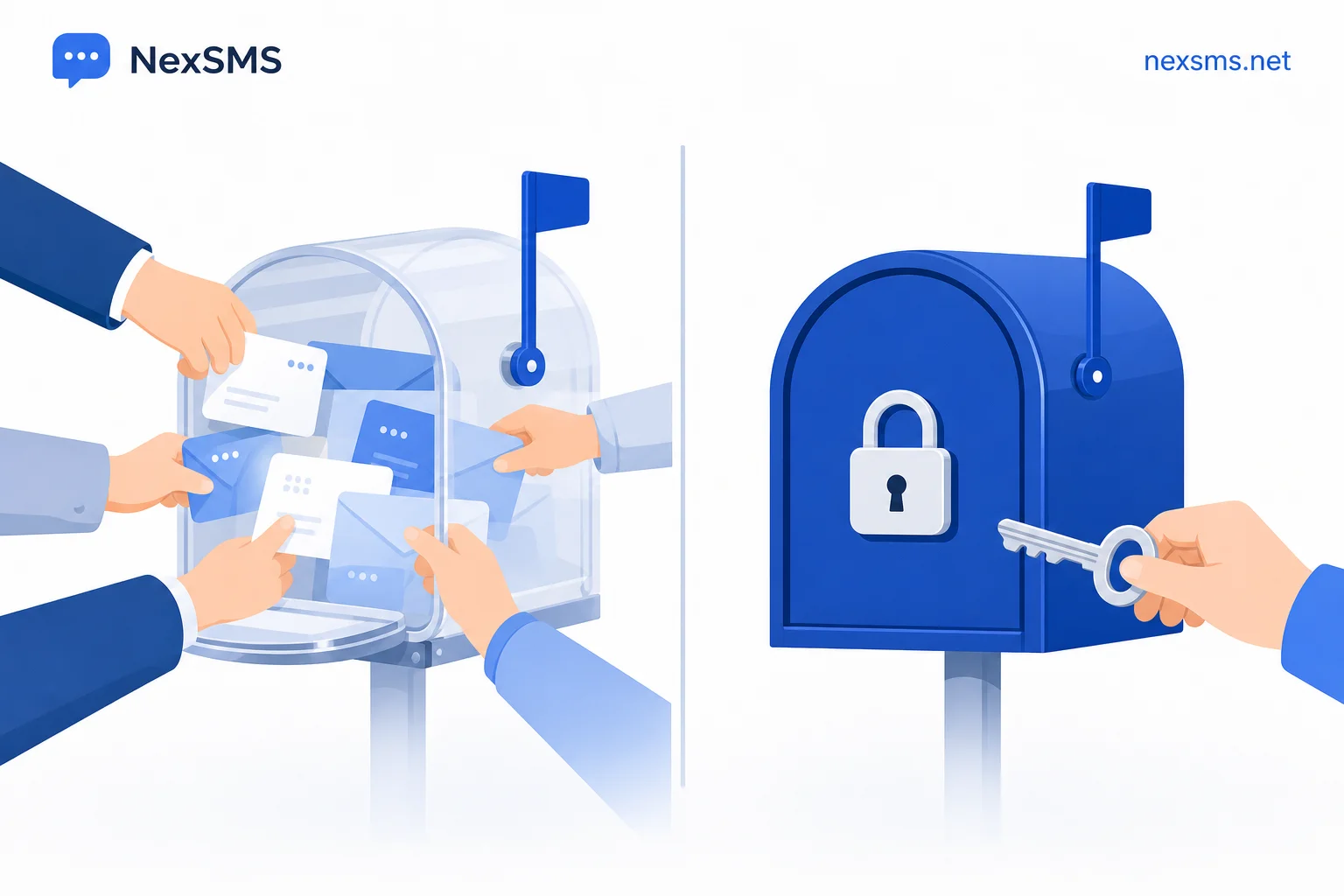
What Is a Private Temporary Number? Differences from Public Free Numbers and Selection Order
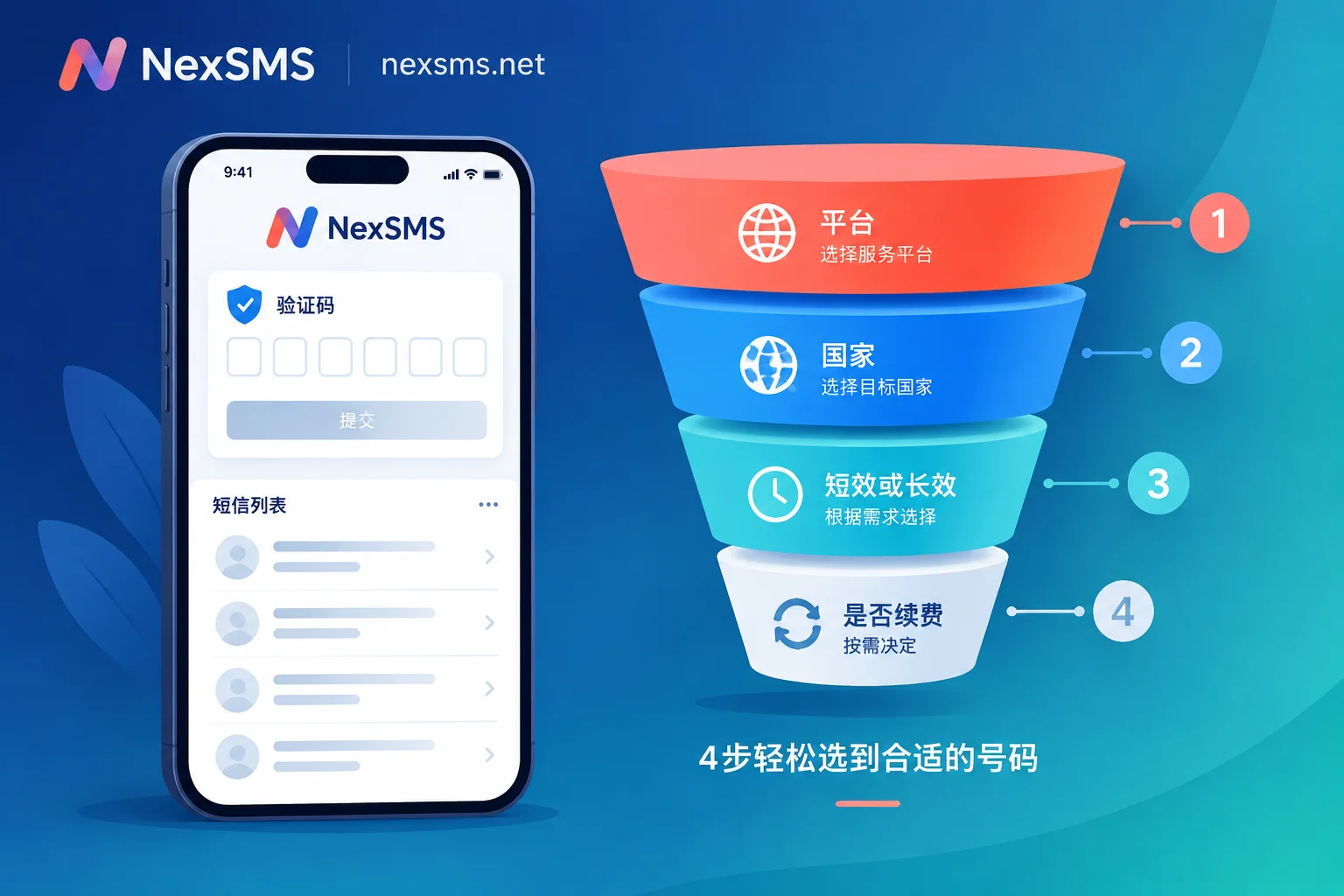
Private temporary numbers receive SMS exclusively for you during the rental period, while public free numbers have publicly visible inboxes. This article explains the practical differences in privacy and platform risk control, and provides a decision order for short-term disposable versus long-term renewable numbers, troubleshooting steps for not receiving codes, and which accounts should not rely solely on temporary numbers for verification.
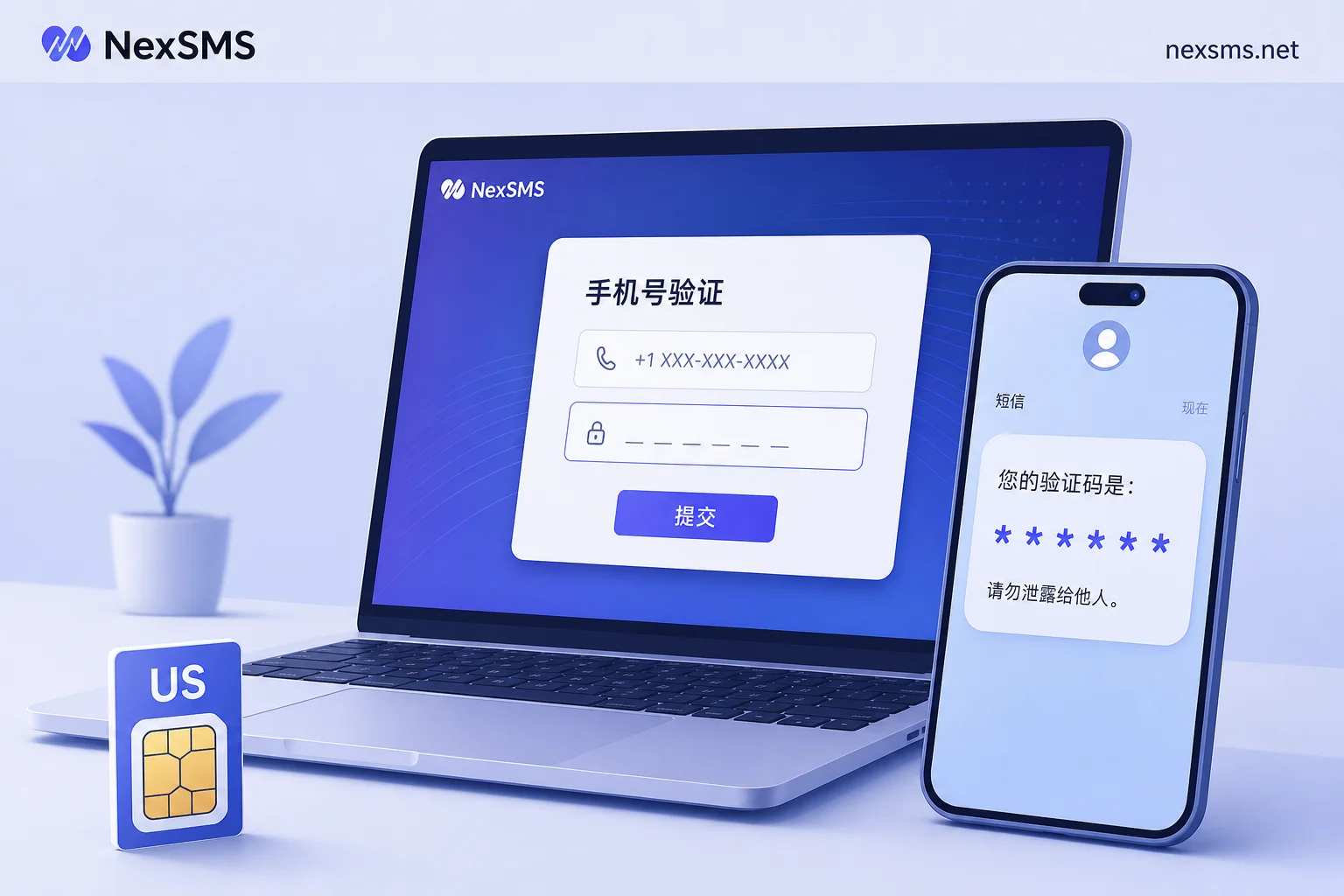
ChatGPT/Codex Suddenly Requires Phone Verification: Why Chinese Numbers and VoIP Are Rejected, and How to Switch Numbers
When ChatGPT or Codex suddenly prompts for phone verification, it's usually blocked at two points: +86 isn't in OpenAI's supported regions, and VoIP numbers like Google Voice are detected and rejected. This article helps you identify the root cause based on the error, choose between short-term and long-term real mobile numbers, and walk through the correct steps for obtaining and using the number.
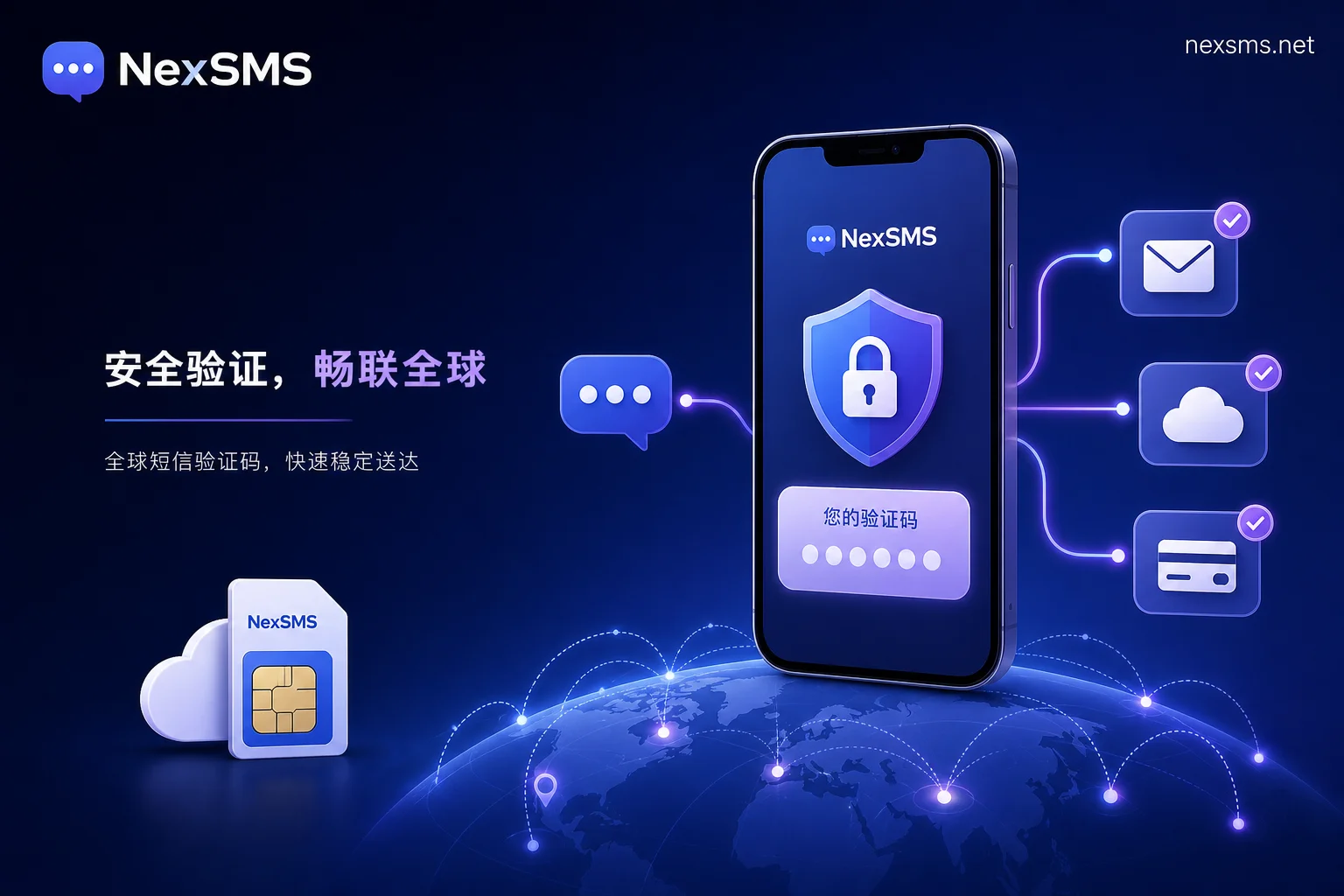
SMS OTP Security vs. Passkeys: Which Is More Reliable? Choose by Account Tier
For cross-border operators concerned about credential selection, this article highlights that the core risk of SMS verification codes lies in number control rather than the transmission channel. By analyzing NIST restricted authenticator standards and FCC compliance trends, it provides a tiered verification strategy based on account value, helping users balance security and recoverability.