 NexSms官方博客
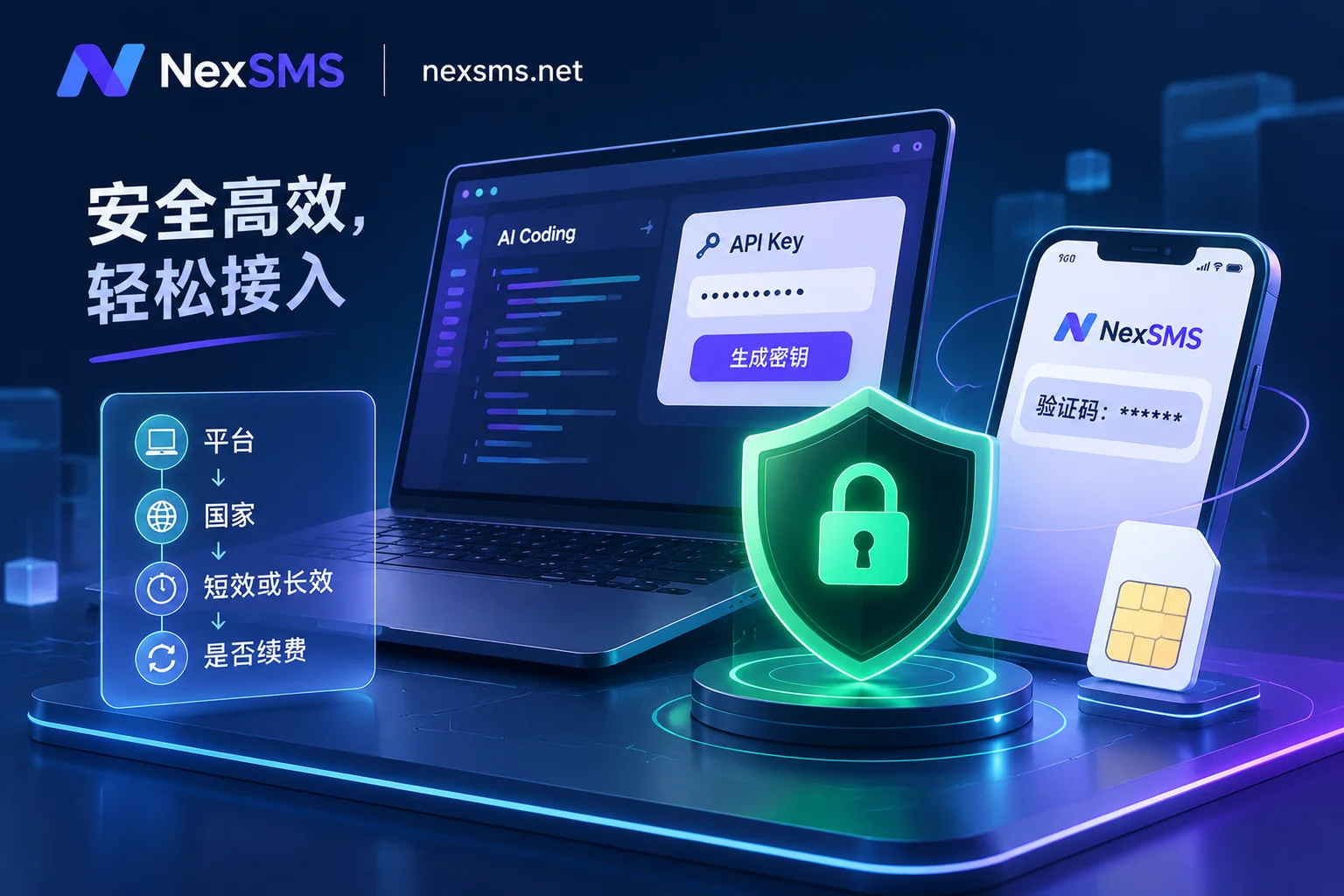
ChatGPT Phone Verification Rules Overhauled: Why Can't You Change the Bound Phone Number? 2026 Codex and API Verification Avoidance Guide
In 2026, OpenAI fully tightened its ChatGPT phone verification mechanism: not only are desktop Codex and first-time API Key generation forced to verify phone numbers, but the official policy also explicitly states that 'changing the bound phone number is not supported,' and a single number can verify at most 3 accounts. This article breaks down the latest rules and provides secure verification strategies to avoid 'dead account lockout.'

Codex Asks for SMS Verification on Open? Don't Just Switch Numbers—Handle It in This Order
When ChatGPT web or the Codex client suddenly prompts for phone verification, it's usually a triggered account-level security check, not a bug. This article explains common triggers, OpenAI's restrictions on number types (VoIP and landlines rejected, max 3 accounts per number, no self-service rebinding), and the complete handling order from stopping to investigate to switching to a real carrier number you can keep long-term.
Stuck at Codex Login Verification? Try Using a SMS Receive Platform
Many developers face forced phone verification when logging into the Codex desktop client; using a reliable SMS receive platform for overseas temporary numbers can quickly bypass this step.

Codex Login Phone Verification: A Practical Guide Using SMS Reception Platforms
A step-by-step guide on using SMS reception platforms like NexSMS to bypass Codex login phone verification triggered by OpenAI's tightened security.

2026 Latest Codex Phone Verification Guide: How to Solve ChatGPT Phone Verification in China
A comprehensive guide for Chinese users to bypass OpenAI's phone verification for Codex, covering methods using overseas SIM cards and SMS reception platforms like NexSMS.