 NexSms官方博客
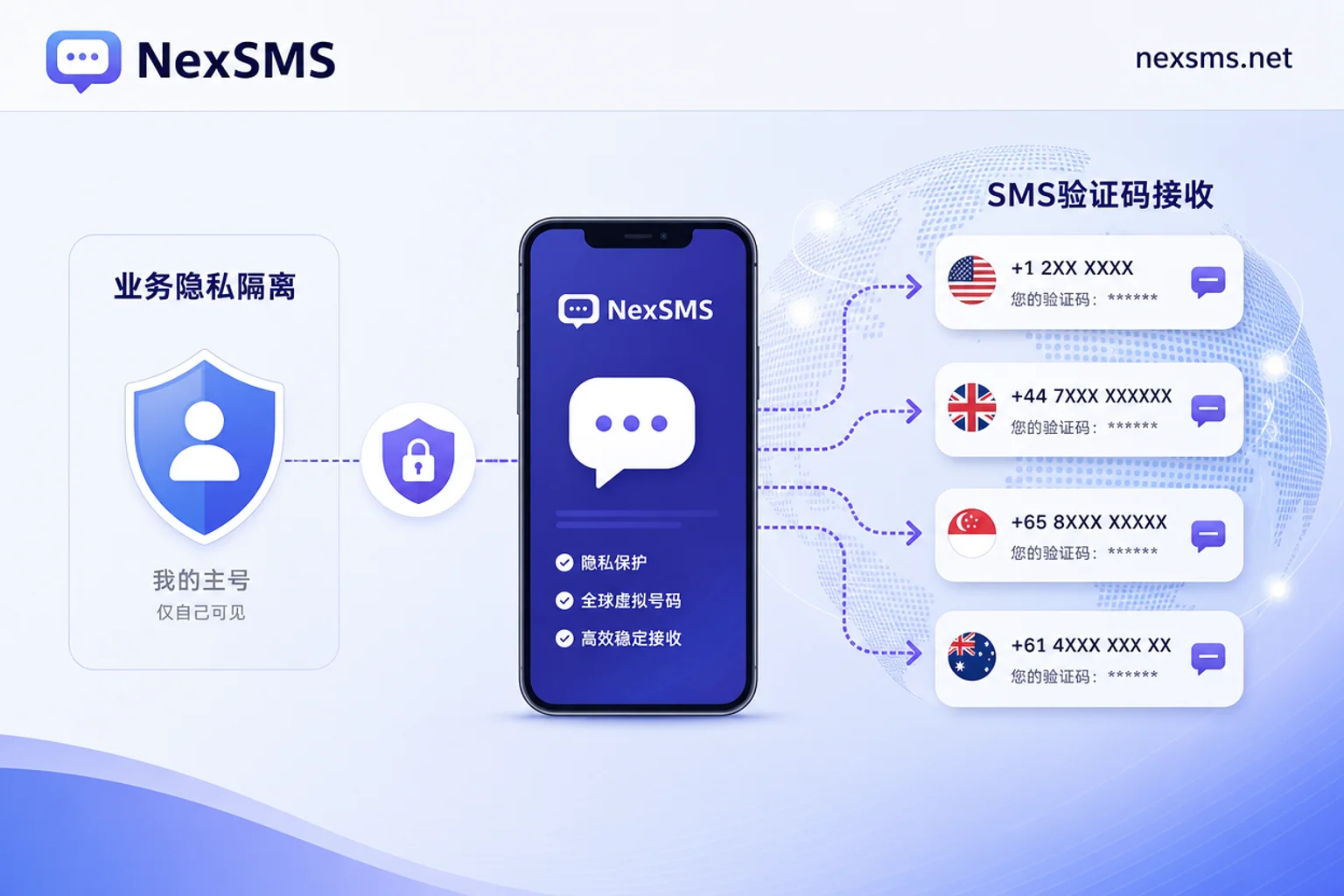
In digital operations and cross-border business expansion, phone numbers are no longer just traditional communication tools but have become core anchors for user identity authentication. However, directly exposing personal primary numbers not only risks spam messages and privacy leaks but can also lead to account association and security issues when registering on multiple platforms.
As global telecom regulation tightens and security agencies reassess the risks of traditional SMS two-factor authentication (SMS OTP), how to choose a compliant and secure SMS verification code reception platform and establish a robust business number privacy isolation system has become a focus for cross-border operations teams and individual users.
Telecom Regulation Tightening and OTP Security Evolution: Risks of Exposing Primary Numbers
Recent developments from global telecom regulation and security agencies show that security risk control around phone numbers and identity verification is being comprehensively upgraded:
- NIST SP 800-63B Reshapes OTP Assessment: The National Institute of Standards and Technology (NIST) classifies SMS OTP based on the public switched telephone network as a "restricted authenticator" in its Digital Identity Guidelines (SP 800-63B). NIST points out that SIM swapping, SS7 protocol vulnerabilities, and adversary-in-the-middle (AitM) attacks pose interception risks when relying solely on personal primary numbers for SMS verification.
- Global Telecom Regulation Strengthens KYC Scrutiny: On July 29, 2026, attorneys general from 50 U.S. states and territories jointly called on the Federal Communications Commission (FCC) to further strengthen “Know Your Customer” (KYC) rules for communication service providers, cracking down on illegal number spoofing and mass messaging. The GSMA’s anti-fraud governance report on July 20, 2026, also emphasized that multinational telecom operators are accelerating scrutiny and compliance filtering of voice and SMS channels.
For businesses and operations teams, directly binding personal phone numbers in cross-border customer service, overseas testing, or multi-account operations—if a data breach occurs or the number gets flagged—could compromise the security of personal real identity assets.
Compliance Isolation: Why Operations Teams Need Virtual Number Solutions?
To address the security risks of primary number exposure, using virtual numbers to establish a business isolation layer has become a mainstream practical solution. Virtual numbers do not depend on specific physical SIM cards; they transmit SMS and voice over the cloud network, effectively protecting real identities from data mining and cross-platform tracking.
Temporary Numbers vs. Renewable Long-Term Local Numbers
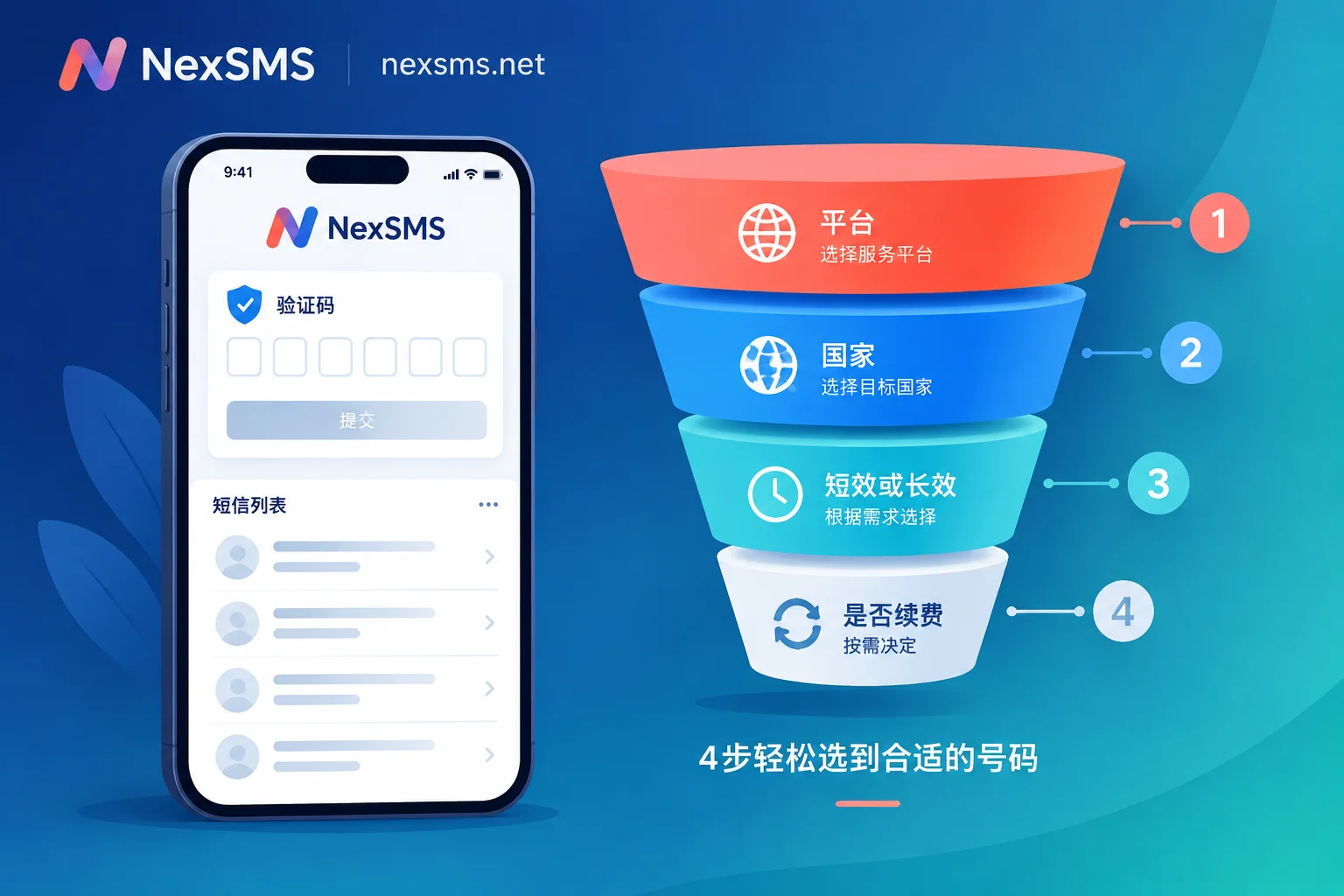
When choosing an SMS verification code reception platform, match the number type to the specific business scenario:
| Number Type | Use Case | Core Advantages | Considerations |
|---|---|---|---|
| Temporary Short-Term Number | One-time business verification, quick product testing, short-term service registration | Instant use, low cost, complete isolation | Cannot be retained long-term; unsuitable for accounts requiring secondary login |
| Renewable Long-Term Local Number | Cross-border customer service, long-term business account binding, official contact display | Persistent use, supports secondary code reception, supports long-term renewal | Requires periodic maintenance; suitable for core business binding |
Selection Checklist
When choosing a platform, evaluate from the following dimensions:
- Multi-country and multi-platform coverage: Whether it offers local number segments for target business countries or regions.
- Web-based code reception and API support: Whether it provides an intuitive web reception interface and standard API interfaces for developers.
- Pricing transparency and flexibility: Whether it supports pay-as-you-go to avoid unnecessary prepayment and sunk costs.
- Compliance and risk control tips: Whether the platform explicitly requires lawful use and does not provide technical means for illegal circumvention.
NexSMS Platform Capabilities and Security Verification Practices
In business isolation and overseas verification code reception scenarios, NexSMS, as a global virtual number and verification code reception platform, offers secure and transparent number management solutions for individual users and enterprise operations teams.
The official website publicly provides multi-country and multi-platform number selection, web-based SMS verification code reception, temporary numbers, renewable long-term local numbers, developer APIs, and pay-as-you-go usage.
Core Application Scenarios and Practical Recommendations
- Cross-border business privacy isolation: Operations teams use NexSMS to apply for local numbers in specific countries or regions, completely decoupling business verification SMS from personal primary numbers, thereby eliminating spam harassment and identity association risks caused by primary number leaks.
- Developer and automated testing: R&D personnel can call standard developer API interfaces to enable instant reception and result verification of SMS verification codes in automated testing processes, significantly improving product launch efficiency.
- Long-term business communication and customer service: Choose renewable long-term local numbers to display official customer service contacts or maintain secondary login verification for long-term business accounts.
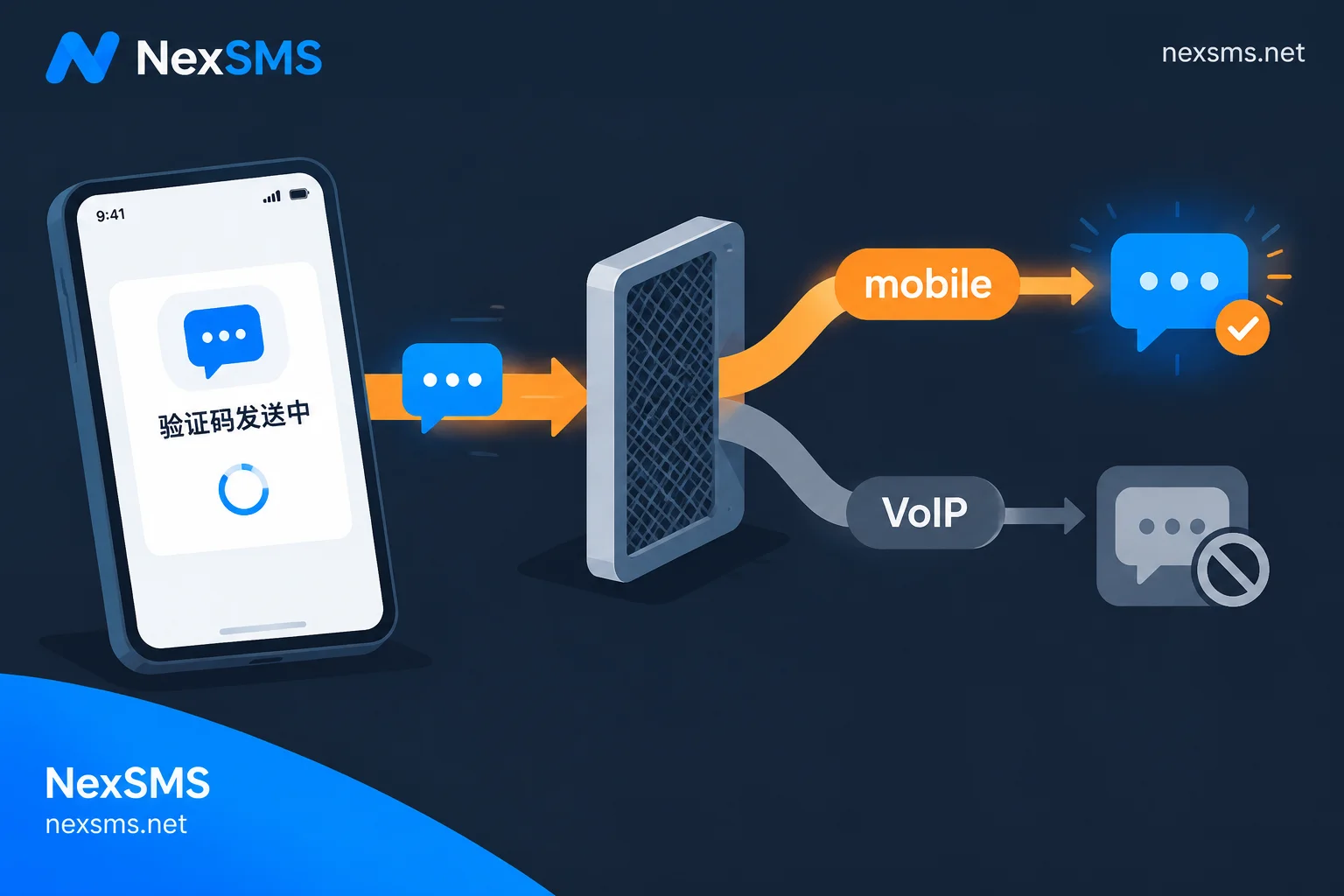
Safety and Compliance Statement: Virtual numbers are primarily used for compliant business verification and privacy isolation protection. Users should comply with the legal terms and usage agreements of relevant platforms when using any third-party service. NexSMS does not guarantee that a number will pass third-party verification; the actual verification result depends on the real-time risk control strategy of the third-party platform.
Practical Selection Advice and Security Checklist
To ensure the security and stability of business number isolation, operations teams are advised to follow these steps:
- Clarify business lifecycle: Based on business attributes (short-term testing vs. long-term customer service), precisely choose temporary numbers or renewable long-term segments to avoid account loss due to number expiration.
- Standardize API key management: When using APIs for batch access, strictly limit API key permissions and rotate keys periodically.
- Comply with laws and platform terms: Never use virtual numbers for batch creation of fake accounts, mass spam messaging, fraud, or evasion of Know Your Customer (KYC) requirements.
For individuals and teams needing cross-border customer service display, overseas business verification, and multi-project number segment isolation, visit the NexSMS official website to learn about specific country number segments and API documentation, and build a business communication isolation layer that meets security standards.


Comments(0)