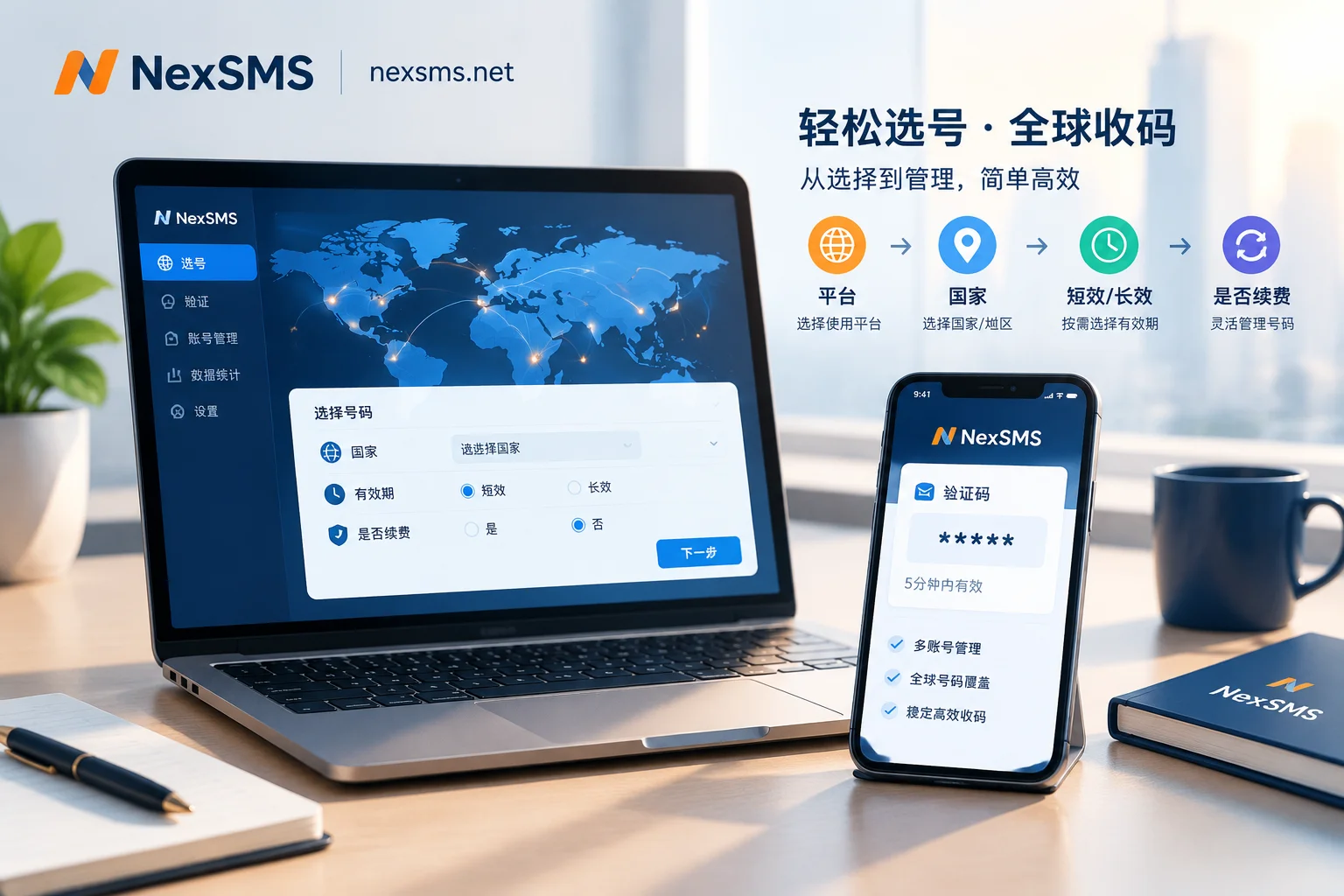
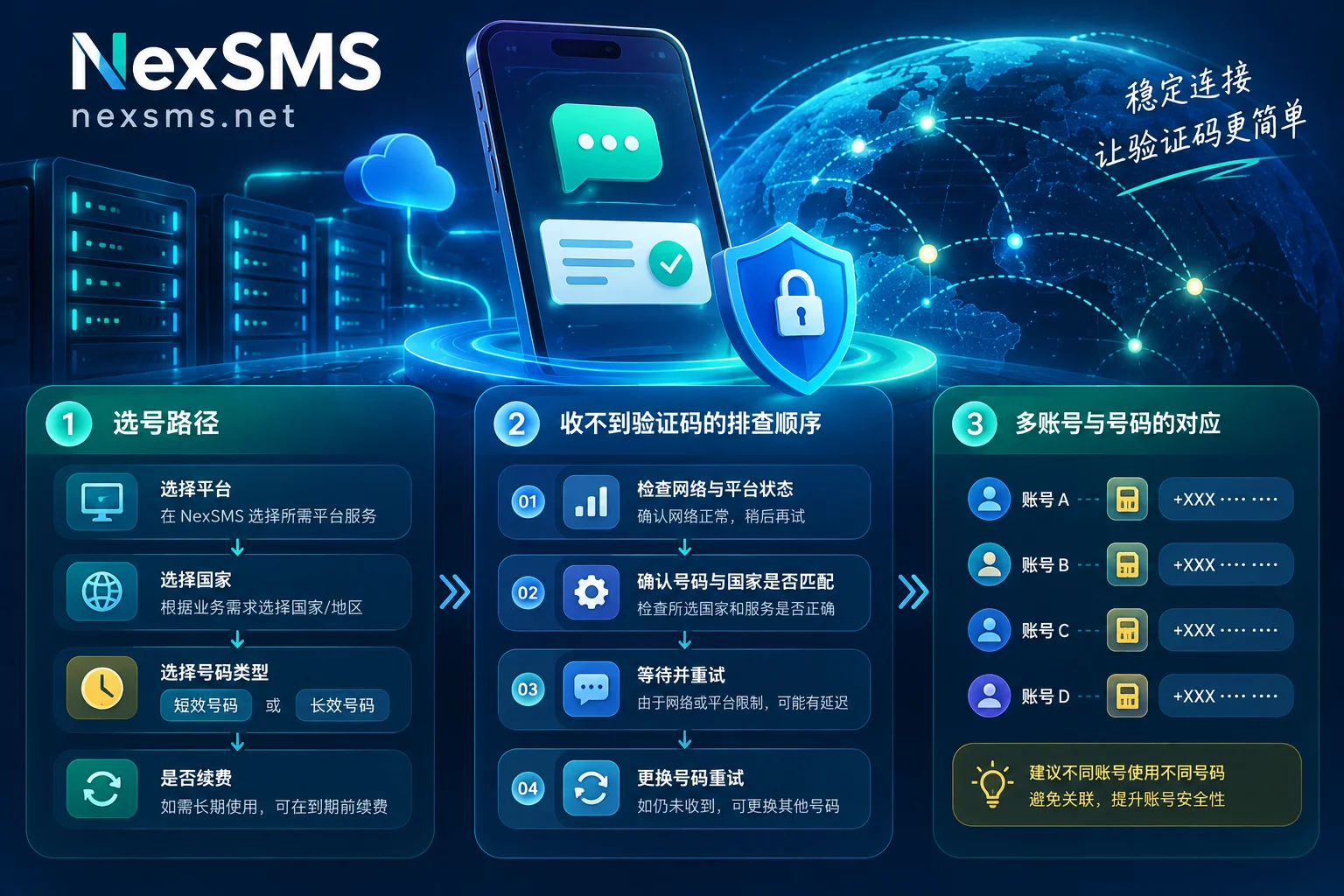
 NexSms官方博客
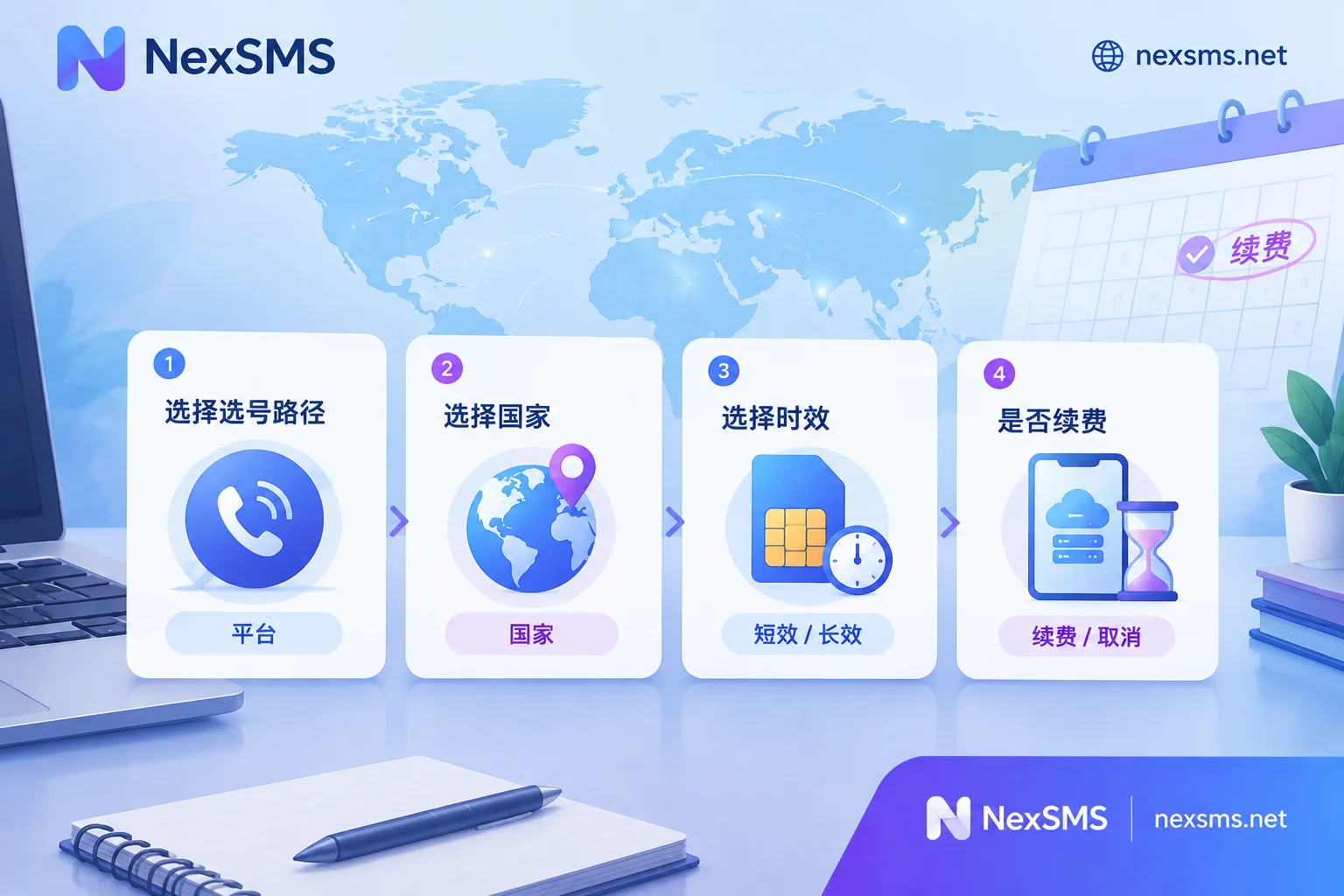
How to Choose a Long-Term Overseas Number: VoIP vs. Owned SIM vs. Cloud Long-Term vs. Short-Term Numbers
To maintain overseas accounts long-term, choose a number based on two criteria: whether platforms recognize it and whether you can receive codes again later. This article compares VoIP virtual numbers, owned overseas SIM/eSIM, cloud long-term carrier numbers, and short-term temporary numbers in terms of recognition risk, re-receiving ability, and maintenance cost, and provides selection advice for individuals, teams, and one-time registrations.
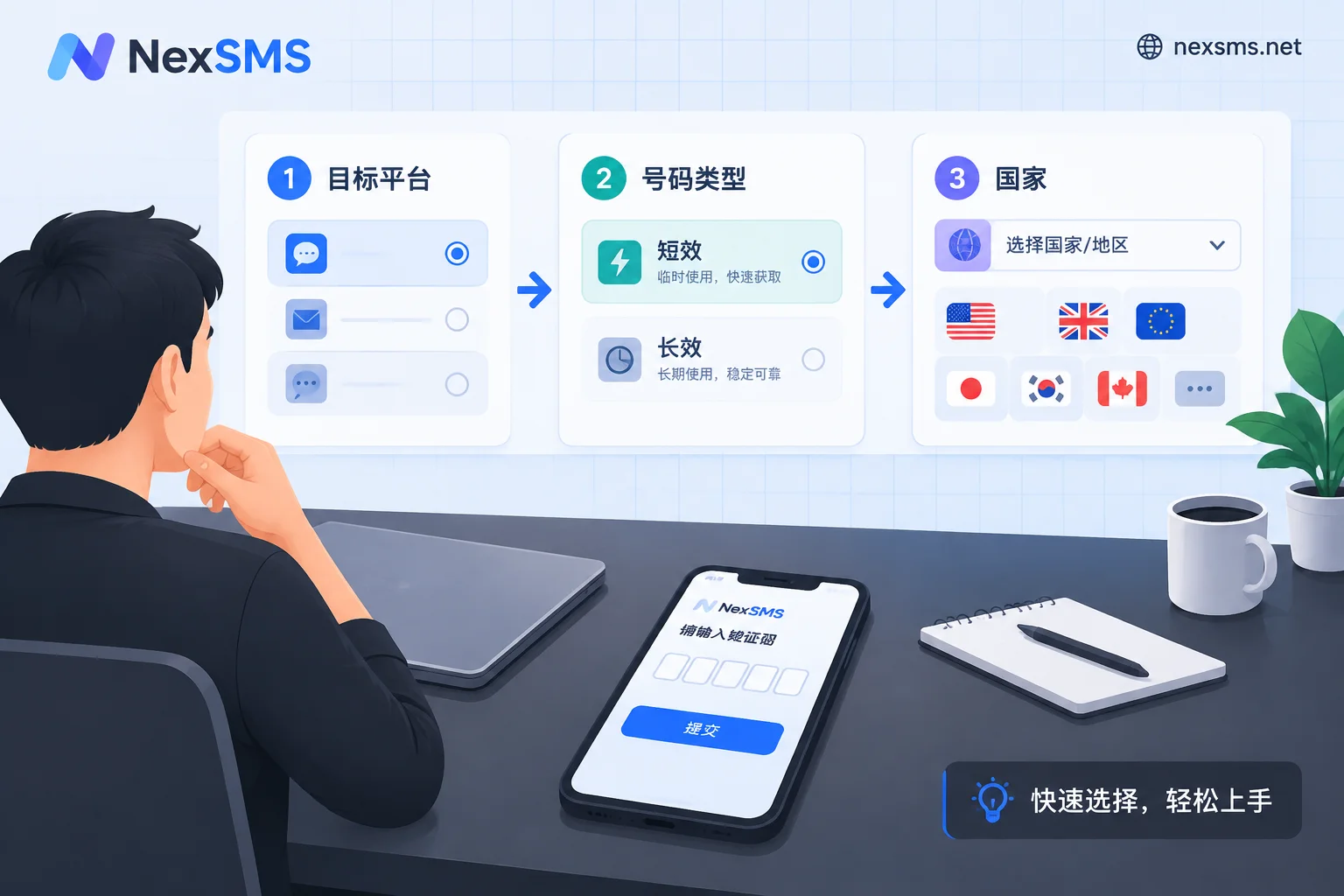
Before Choosing a Verification Number by Country, Confirm These Four Things First
The right order for picking a verification number is not to choose a country first, but to confirm the target platform's supported regions, its restrictions on virtual numbers, the number's underlying line type, and whether you'll need to receive codes again later.
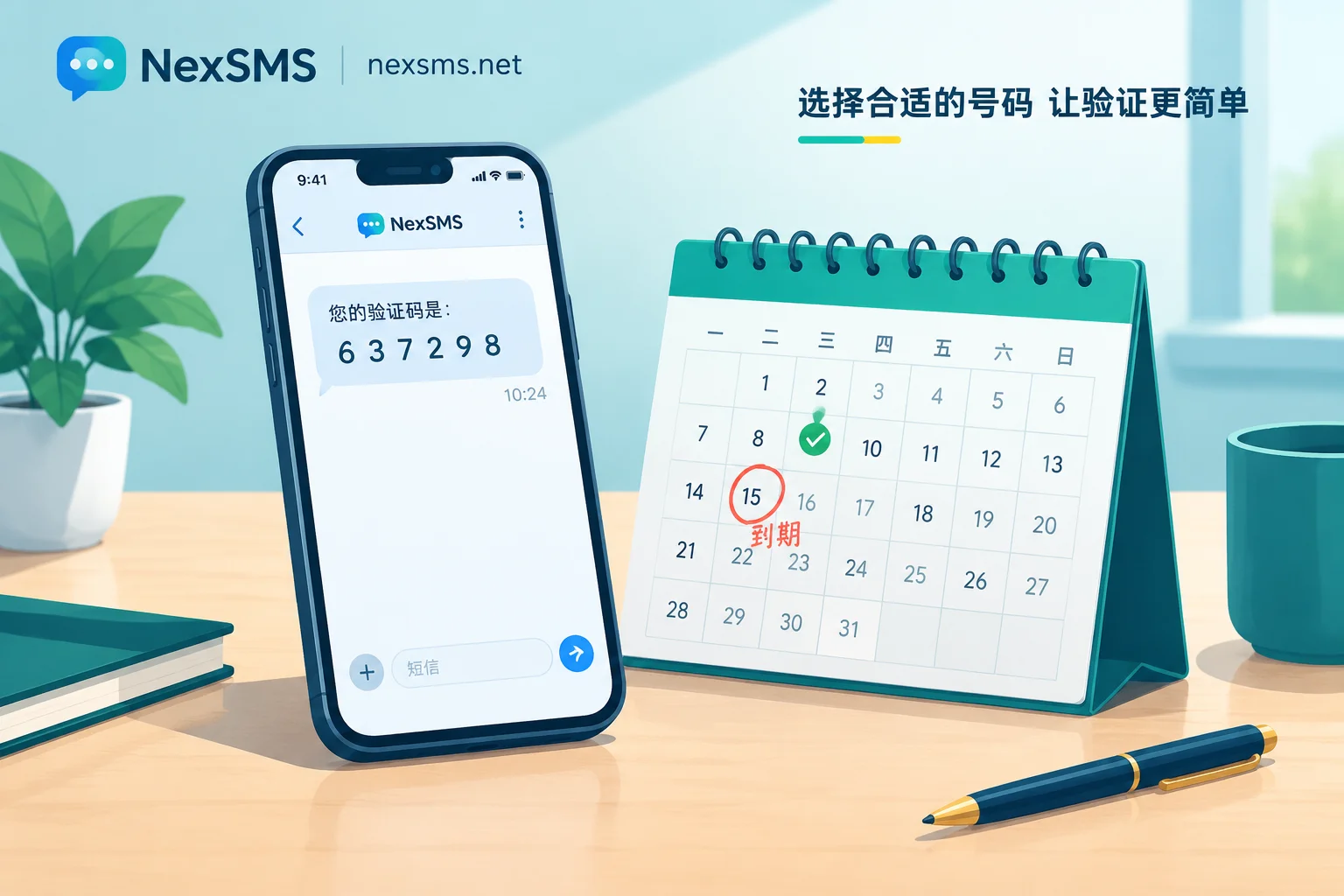
How to Renew a Long-Term Number Before Expiry Without Losing It: Do It 3–5 Days Early, Don’t Wait Until the Deadline
If a long-term number expires without renewal, it’s usually released back to the pool and is almost impossible to recover, breaking any two-factor authentication tied to it. This article explains how far in advance to renew, how balances and time zones factor in, when auto-renewal can fail, and what to do if the number is already expired.
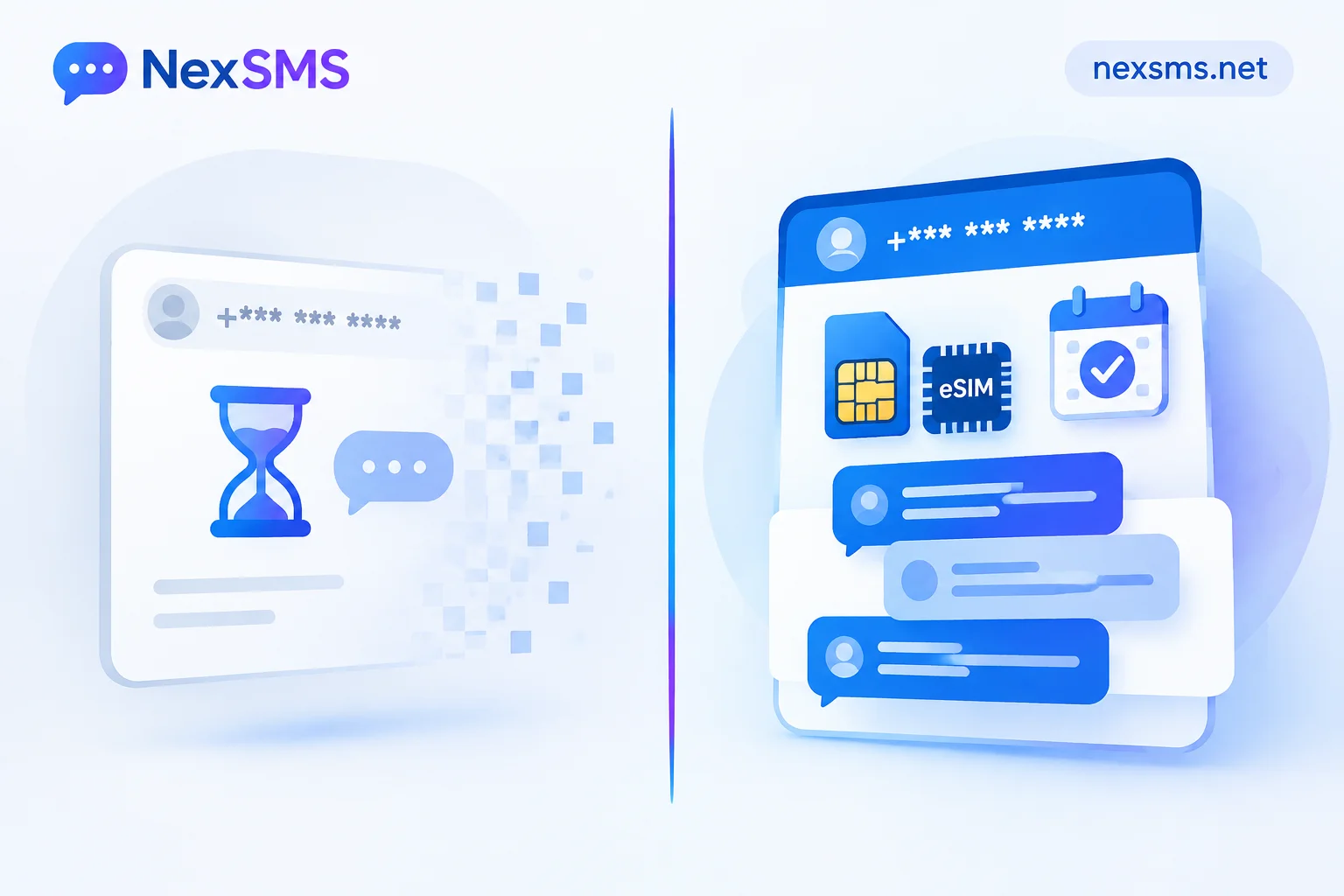
Short-Term vs Long-Term Premium Numbers: Start by Answering "Will You Need to Receive Another Code Later?"
Choosing short-term or long-term depends on two things: whether the account will trigger SMS verification again, and whether the target platform blocks VoIP and non-mobile numbers by line type. This article gives the decision order, applicable scenarios and boundaries for each, key renewal points for long-term numbers, and how to pick a number and receive codes after deciding.