 NexSms官方博客
What Overseas App SMS Verification Actually Checks: Breaking Down the Three-Layer Mechanism
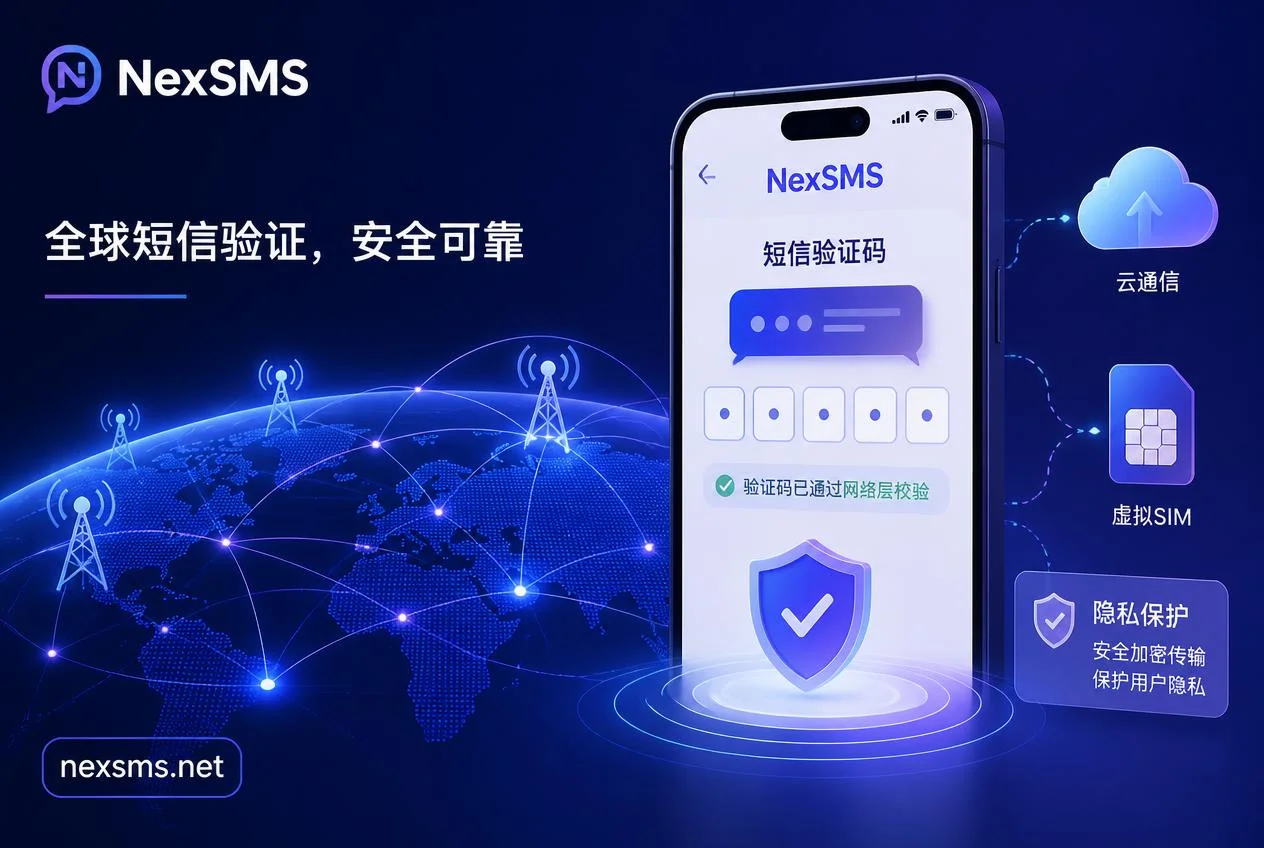
Overseas app SMS verification isn't just about receiving a code; it checks number reachability, number type and ownership attributes, and existing account bindings. This article breaks down each layer and guides users on choosing numbers and troubleshooting.
How to Choose an SMS Verification Code Platform? 6 Number Metrics You Must Check Before Ordering
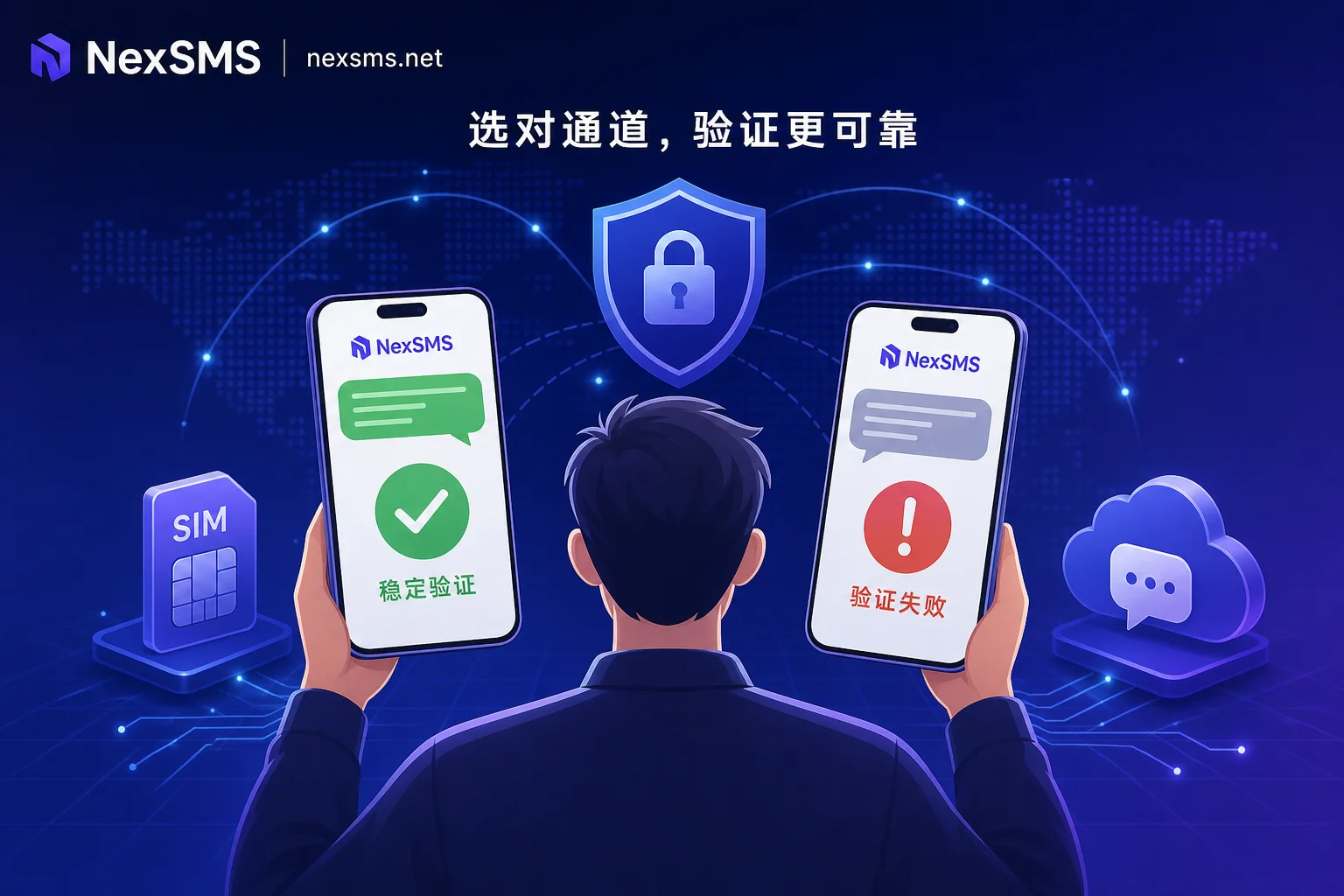
Choosing an SMS verification platform isn't about price but number lifecycle. This article provides a 6-item checklist you can verify on your own, covering source description, number segment type, exclusivity, occupation renewal, second receipt, and failure refund, to help you judge whether numbers can be used long-term and stably before ordering, avoiding the invalidation trap of low-cost shared number pools.
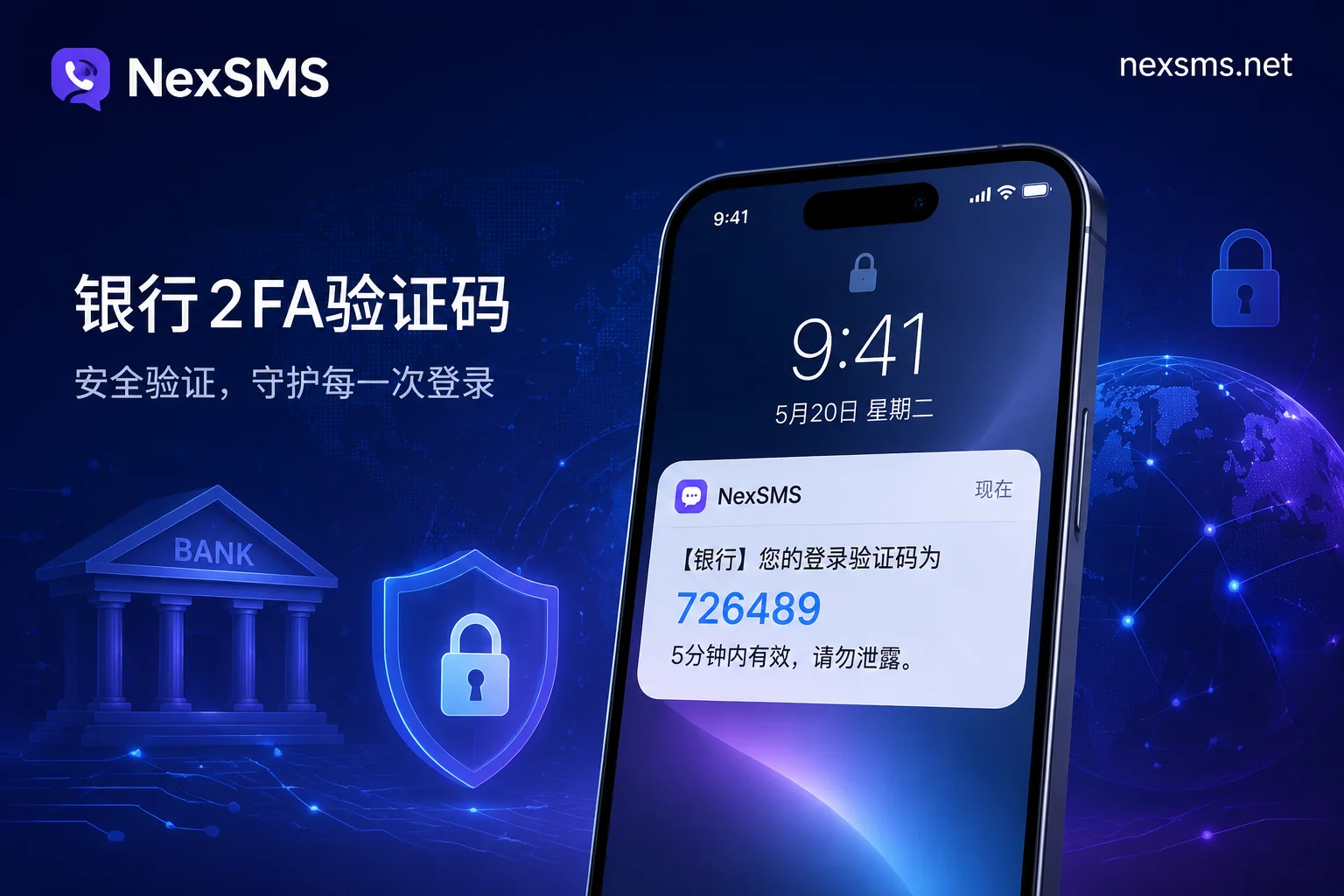
What Virtual Number Types Can Receive Bank 2FA Codes? A Three-Category Comparison
This article starts with the Carrier Lookup line type verification before bank SMS delivery, compares real mobile carrier numbers, common VoIP numbers, and short-lived shared number pools, and clarifies that only Non-VoIP numbers can reliably receive bank 2FA codes. It also provides a four-point checklist before purchasing and allocation recommendations.
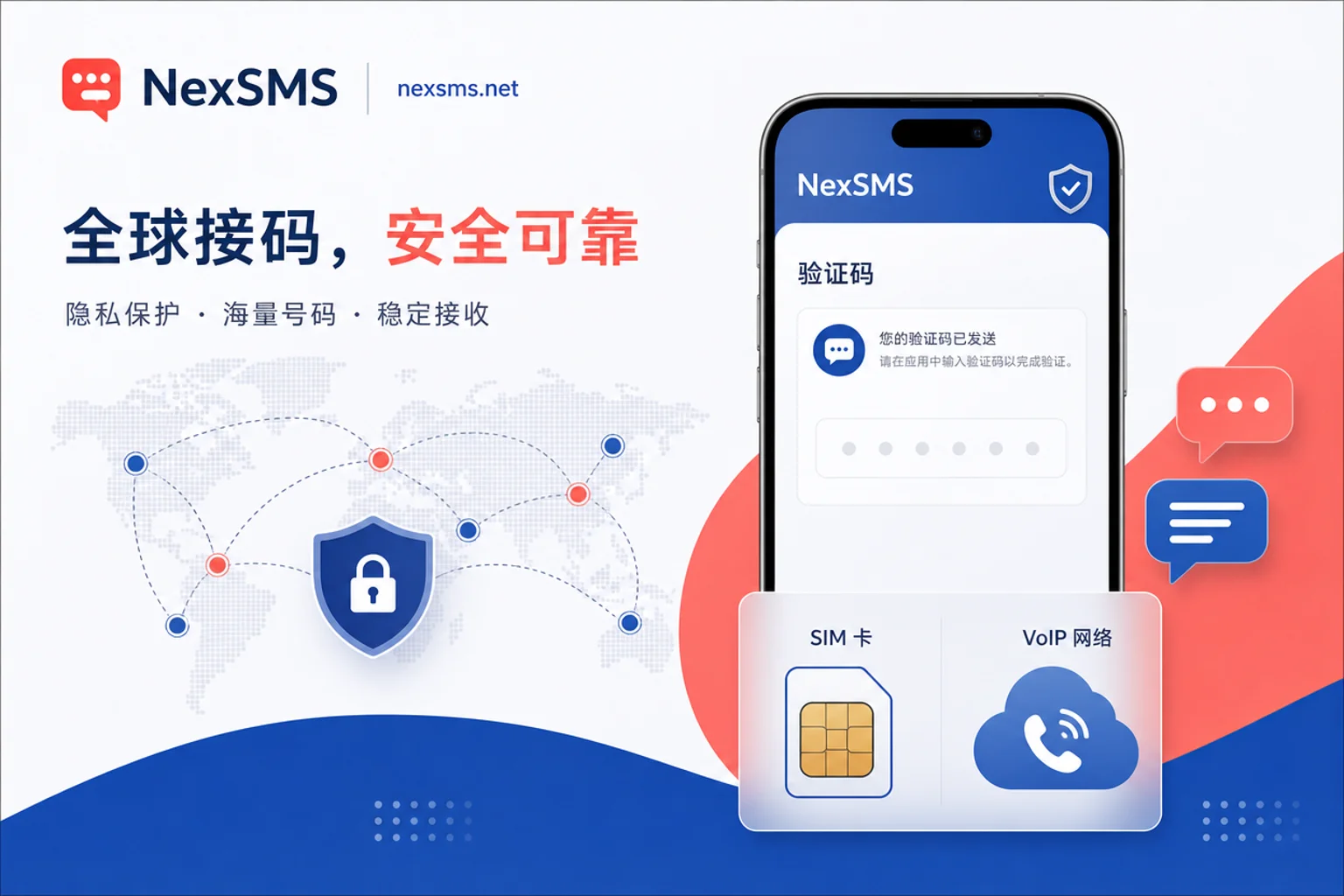
How to Choose Between Real SIM Numbers and VoIP Numbers for Business Verification: 4 Criteria
For business verification, choose real SIM or VoIP numbers based on four criteria: line type, channel filtering, secondary SMS reception, and exclusive renewal; low-risk testing can use VoIP, but financial and 2FA scenarios require real carrier numbers.
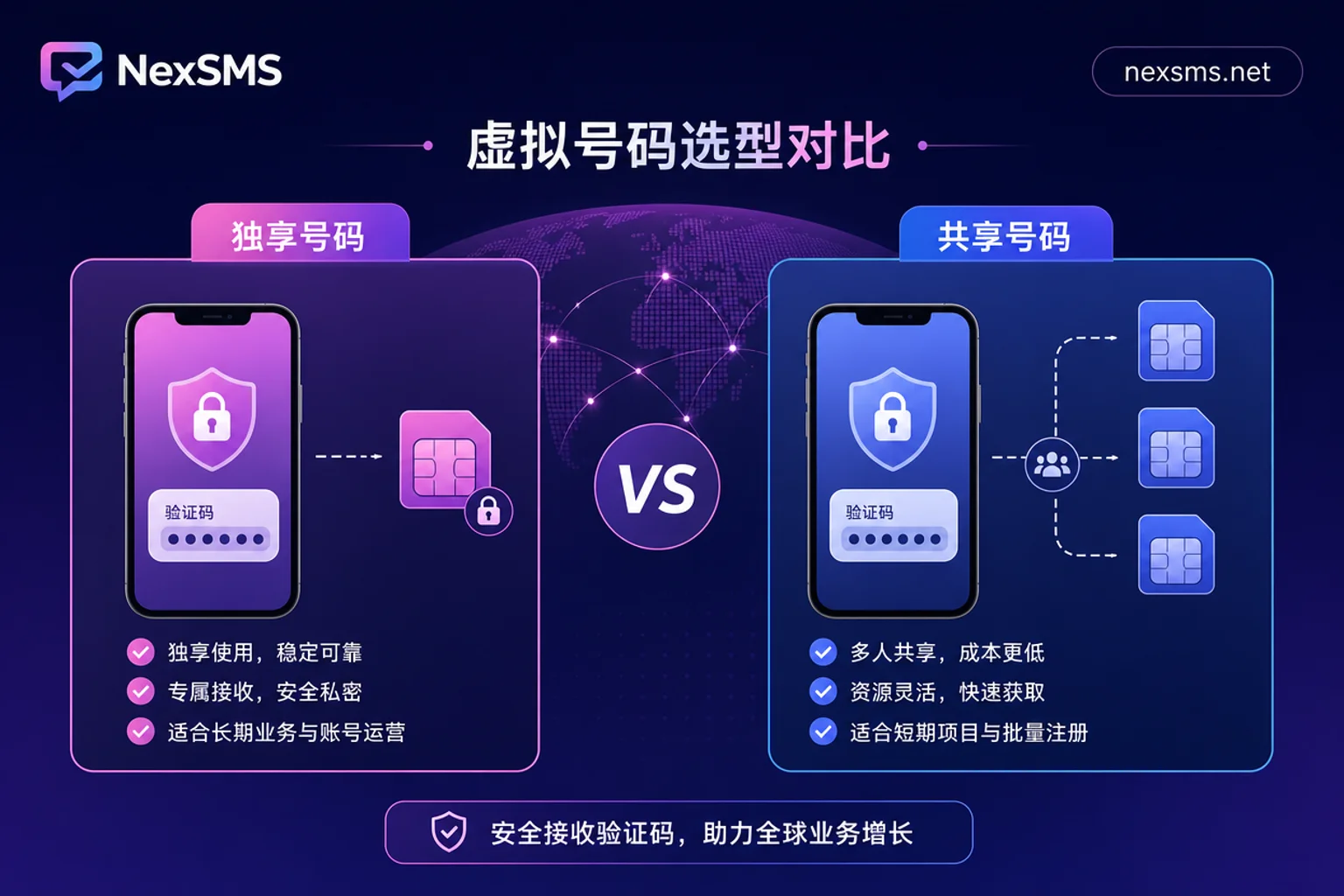
What Is the Difference Between Exclusive Virtual Numbers and Shared Numbers? 5 Self-Check Criteria
The core difference between exclusive and shared virtual numbers lies in exclusive control and clean history. This article provides five self-check criteria to help you decide which type suits your business needs.