 NexSms官方博客
Which International Dialing Codes Do Virtual Numbers Support? Start With Common Codes, Then Choose by Platform and Repeat-Receiving Needs
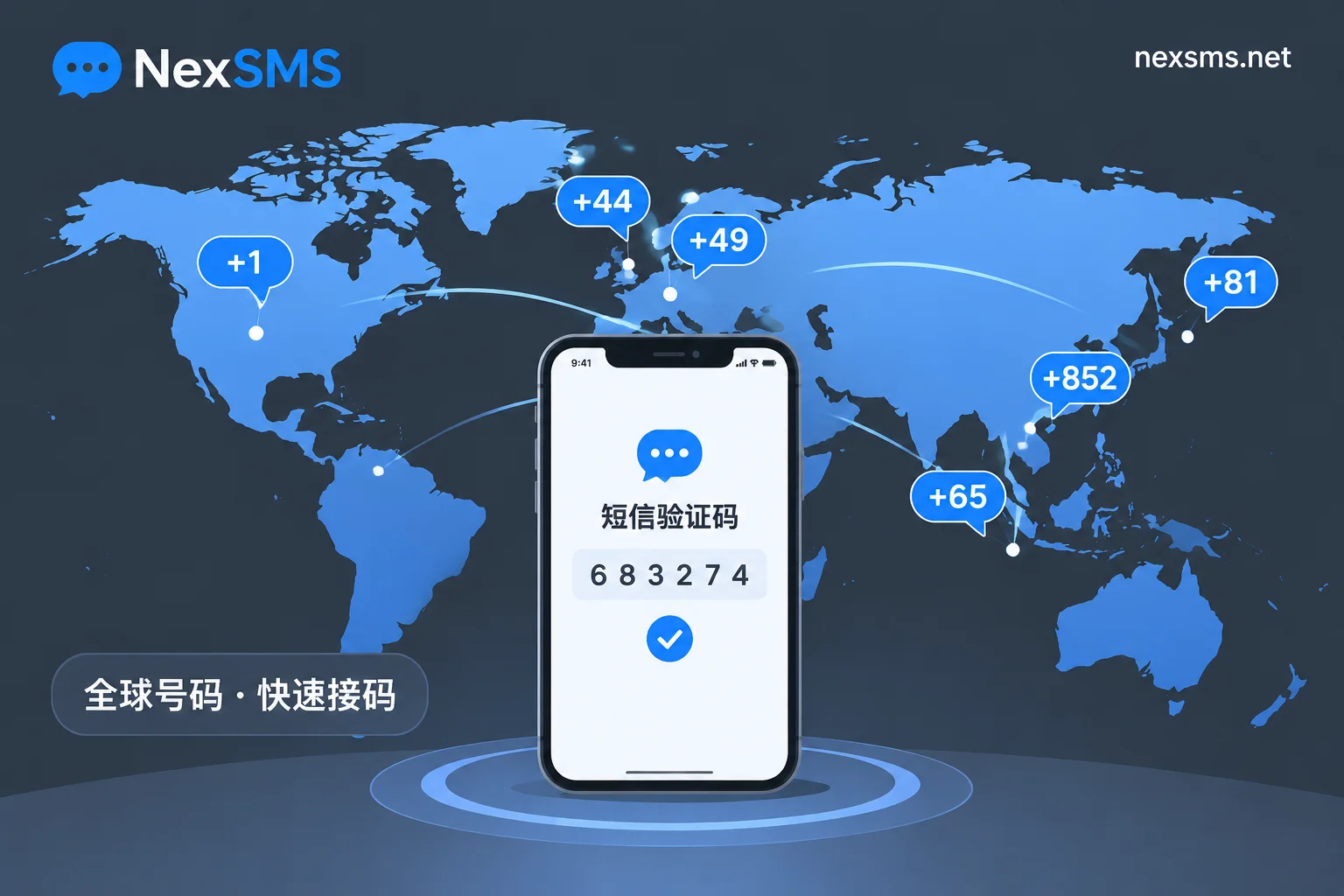
International dialing codes are assigned under the E.164 standard, but which codes a virtual number service can actually offer depends on the provider's number inventory — common codes cluster around North America +1, the UK +44, Western Europe, and Asia-Pacific.
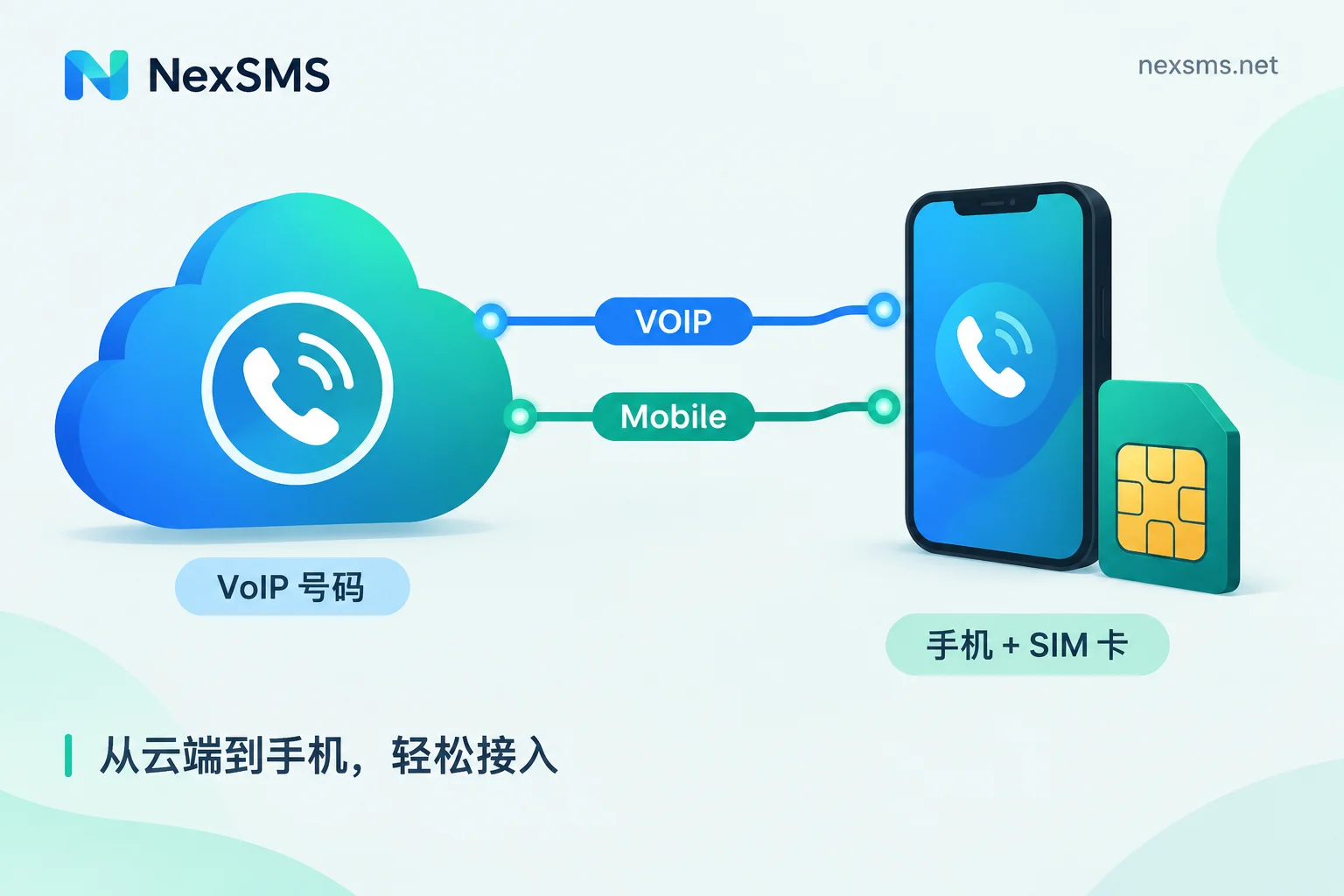
What Is a VoIP Phone Number: How It Works and Why Verification Codes Often Fail
A VoIP phone number is tied to a cloud account, not a SIM card or phone line; this article explains how a VoIP call goes from signaling and encoding to gateway interconnection, why platforms query line type before sending verification codes and may block VoIP numbers, and which number to choose for calling, one-time verification, or long-term repeated code reception.
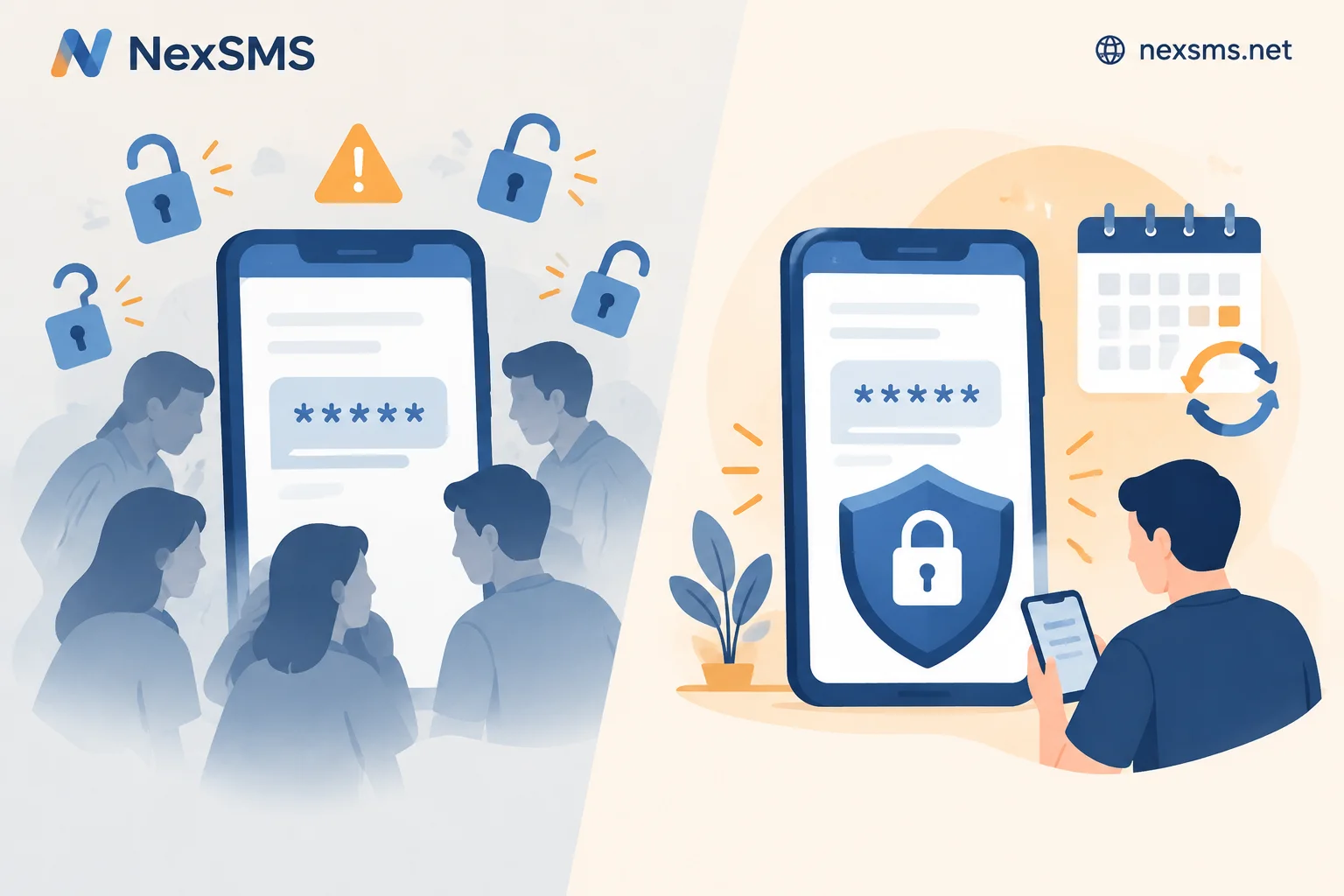
Free SMS Verification Platforms vs Paid Private Numbers: Which Is Safer? First Check Who Can See the Code, Then Whether You Can Receive It Later
Verification codes from free public SMS numbers are publicly visible and shared, leading to account takeover and platform blocks. Paid private numbers prevent third-party viewing, but only renewable long-term numbers ensure you can receive codes later. This article compares both types across leak, takeover, risk control, and re-receipt, and offers selection advice for different scenarios plus remediation steps if you already registered with a free number.
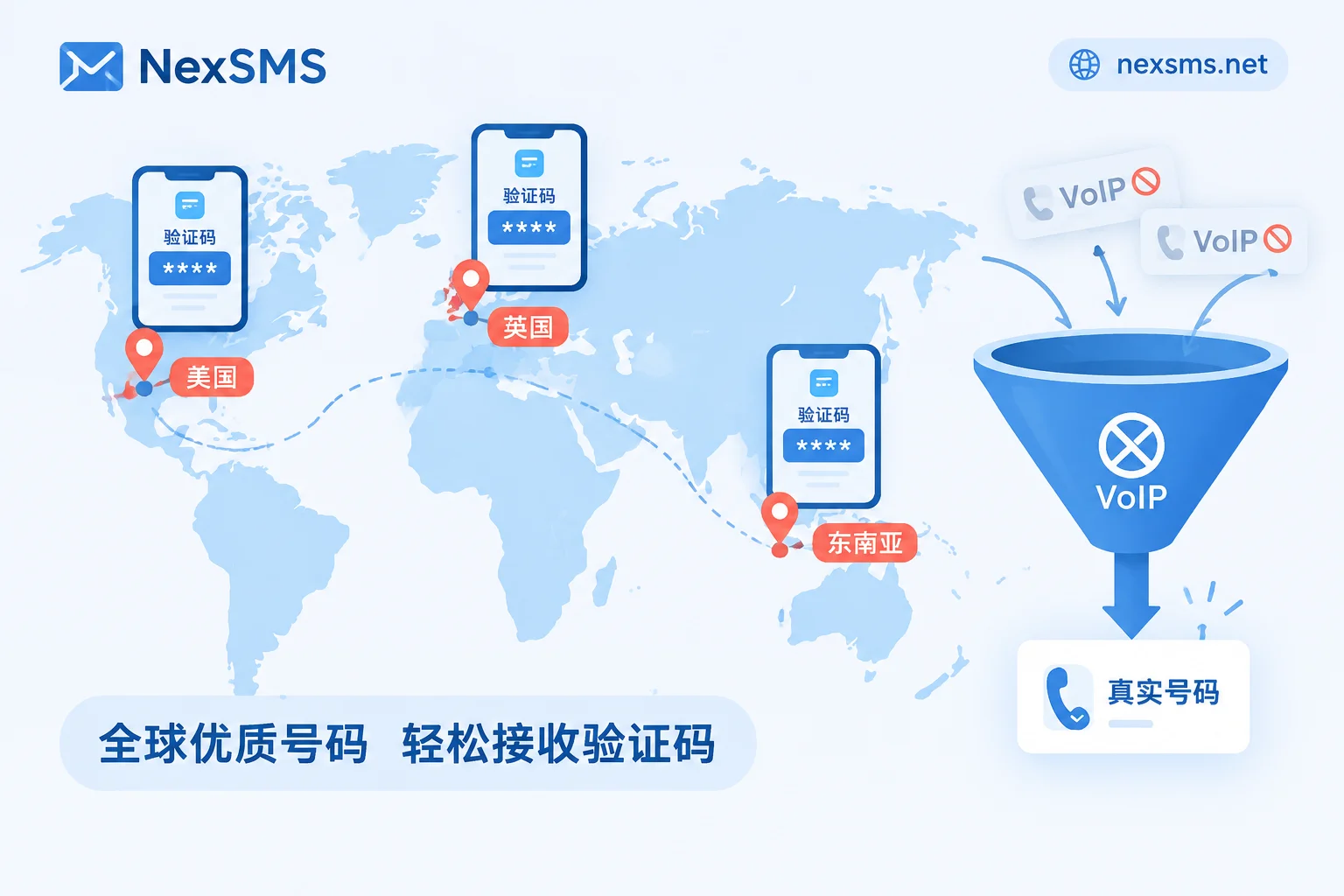
Which Country's Number to Choose for Registering Overseas Social Media: Rule Out VoIP First, Then Choose Between the US, UK, and Southeast Asia
Before registering for WhatsApp, Telegram, X, TikTok, or Instagram, verify whether the number is a real carrier mobile number, then choose a country based on your use case. US numbers have the broadest compatibility, UK numbers are more stable on instant messaging platforms, and Southeast Asian numbers are cheaper but riskier due to platform controls. Use renewable long-term numbers for main accounts, and keep the number's country consistent with your network environment.
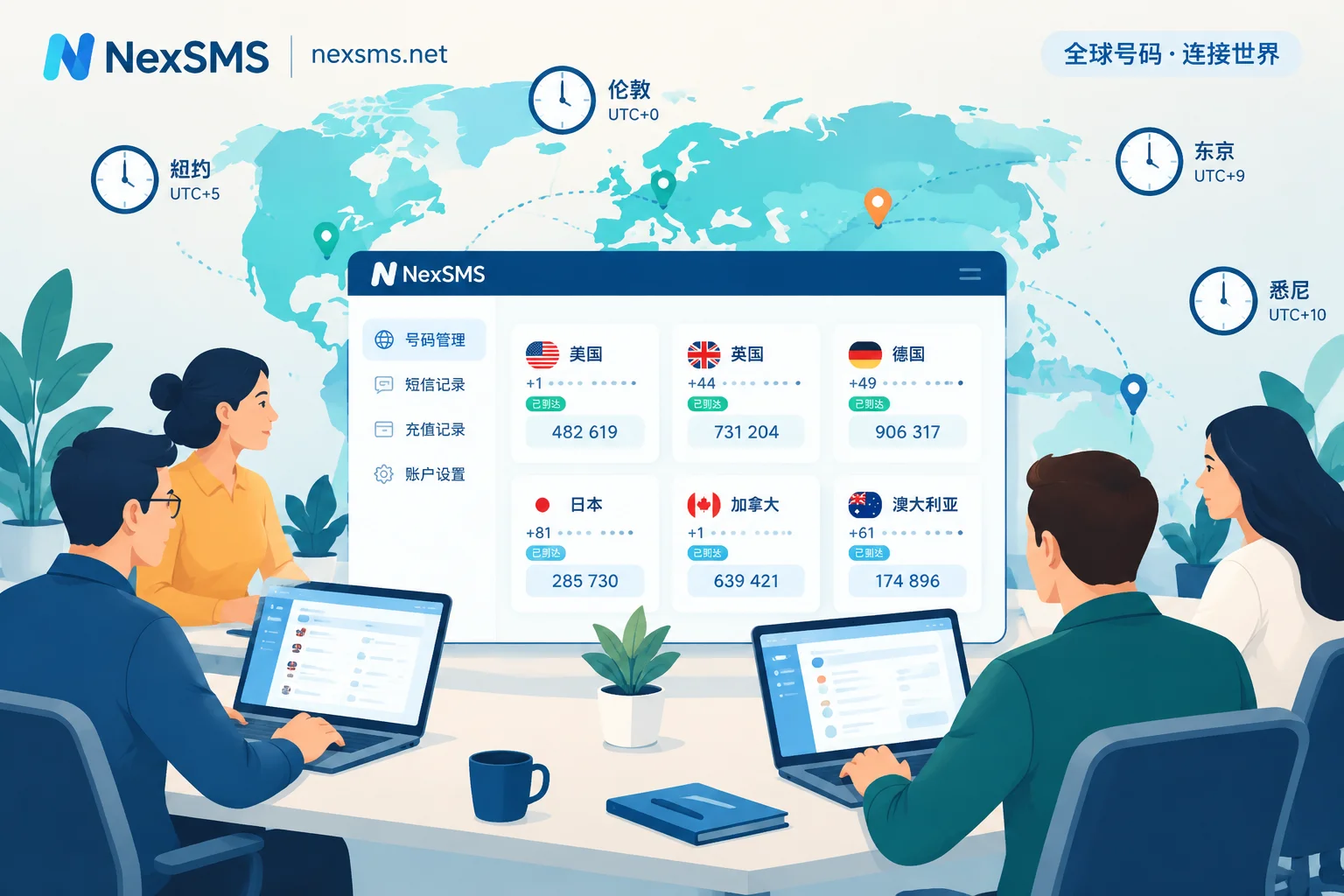
How Cross-Border Teams Can Collaboratively Manage Multiple Business Phone Numbers: Number Tiering, Centralized Code Viewing, and Ledger Renewal
The key to managing multiple overseas business phone numbers as a team is to ensure verification codes are not trapped in one employee's hands. Here's how: first tier numbers by whether you'll need codes later, then move code receiving from personal phones to a shared web or API with role-based access, manage owners, expiry dates, and handovers with a ledger, and finally keep numbers separate from browser environments and network egress.