 NexSms官方博客
Virtual numbers have become a daily tool for many people to handle SMS verification codes in 2026. Once a real phone number is bound to multiple platforms, the risk of leakage rises sharply. Data breaches happen frequently, and personal information such as name, date of birth, and the last four digits of social security numbers can be bought on the dark web for just a few dollars. Attackers use this information to contact carriers and impersonate the victim to request a number transfer.
SIM swap attacks have escalated noticeably in 2026. AI voice cloning tools need only 3 seconds of audio to mimic a real voice—voice mailbox greetings or short social video clips are enough. eSIM allows the transfer to complete within 5 minutes. The victim's phone suddenly loses service, while the attacker takes over bank OTPs, email resets, and crypto wallets. In a case last year, a 19-year-old Canadian used this method to steal $13 million in Bitcoin.
Using a virtual number can break this chain. Virtual numbers are not tied to a physical SIM card; they receive SMS via the internet, making them suitable for one-time verification codes. When registering, choose a platform that supports numbers from multiple countries, and prioritize non-VoIP lines to pass more platform detection. Keep your real phone number for banks and core services, and delegate verification code needs to virtual numbers—this both protects privacy and reduces the chance of being targeted.
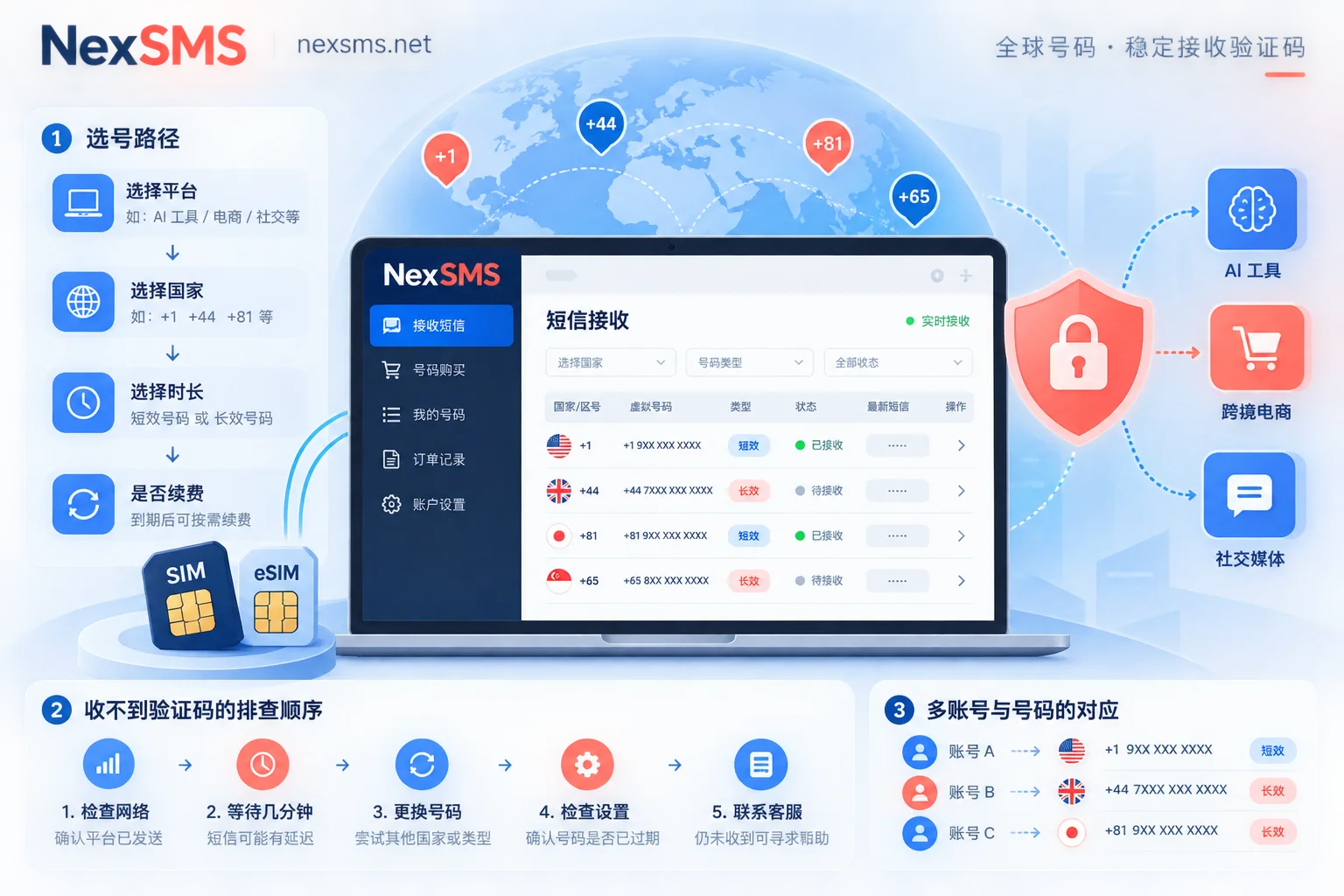
In practice, first select a target country number on the platform, such as a US or European line. After entering the number, wait for the SMS, which usually arrives within seconds to minutes. Use the verification code immediately to avoid prolonged exposure of the number. After a single verification, the number often becomes invalid or returns to the pool—next time, switching to a new number is safer. Free public numbers are suitable for testing, but sharing among multiple users can cause conflicts; paid services are more stable with lower failure rates.
A common mistake is repeatedly using the same virtual number. Platforms detect high-frequency usage and may flag or block it, causing subsequent verifications to fail. The correct approach is to rotate as needed—single-use activation or short-term rental is more appropriate. Another mistake is ignoring line quality. Some VoIP numbers are easily identified as virtual, triggering additional verification or outright rejection. Choosing a provider with real mobile network support improves success rates.
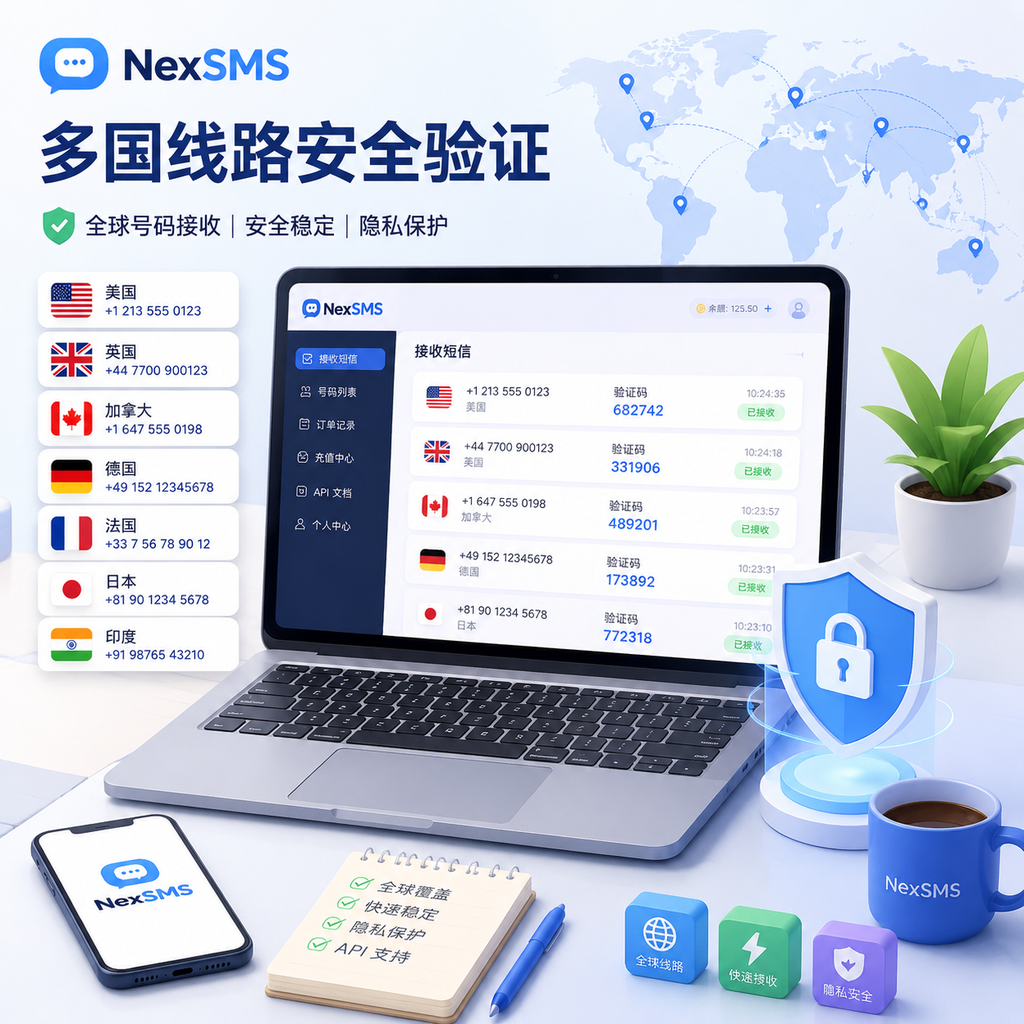
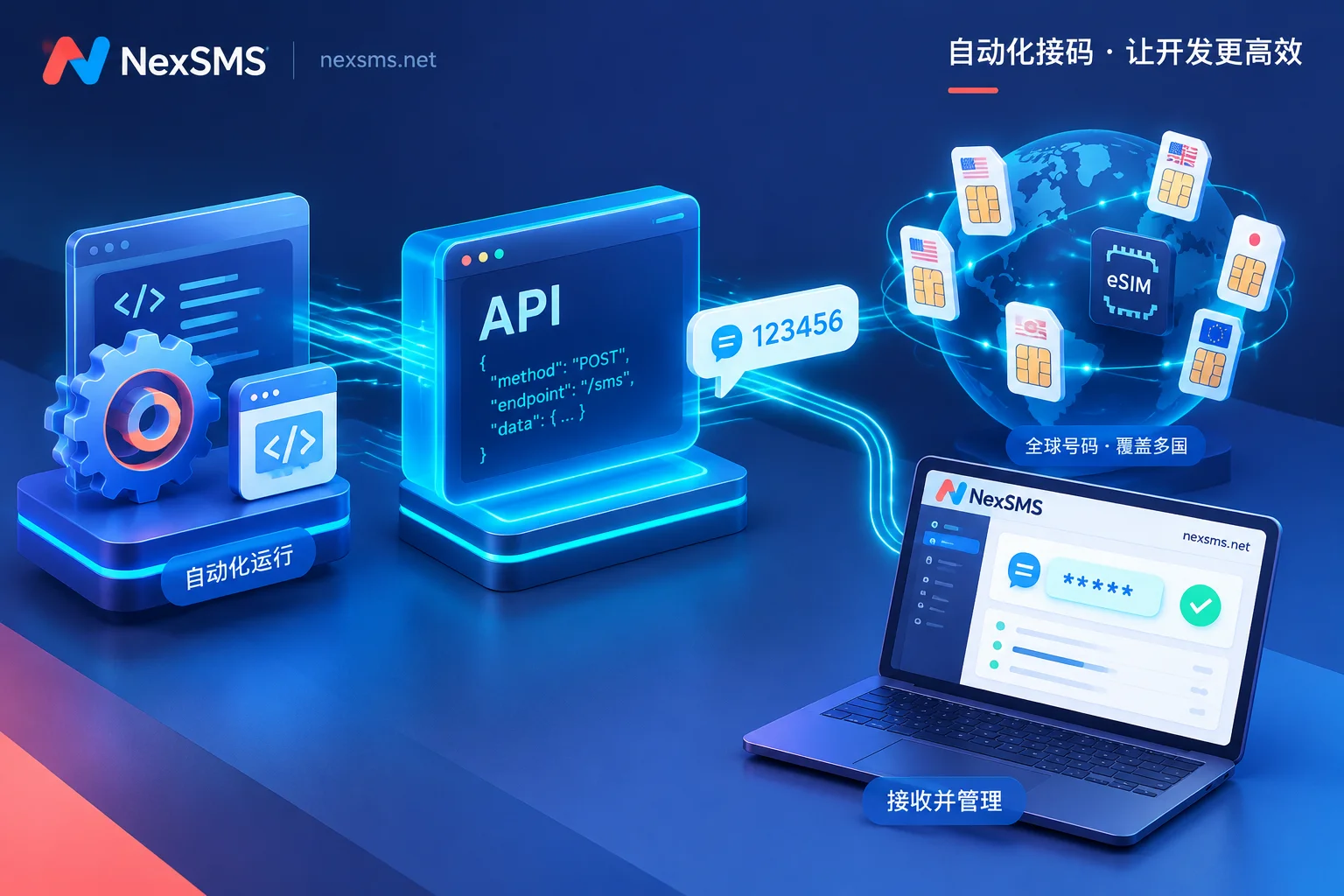
Services like NexSMS emphasize instant receipt and multi-country coverage for handling verification codes, allowing users to flexibly switch country lines as needed. In practice, integrating with an API can also automate parts of the process—for example, developers can batch test app registrations. Privacy protection is not a one-time action but a daily habit. By stripping verification code needs from your real phone number, the security level of your core accounts naturally improves.
Market data shows that the virtual number software market reached $3.2 billion in 2024 and is expected to reach $7.8 billion by 2033. The MVNO-related market was $87.4 billion in 2025 and is projected to reach $148.2 billion by 2035. Behind this growth is the spread of remote work and demand for flexible communication. Users are no longer satisfied with unreliable VoIP and are turning to carrier-backed virtual lines.
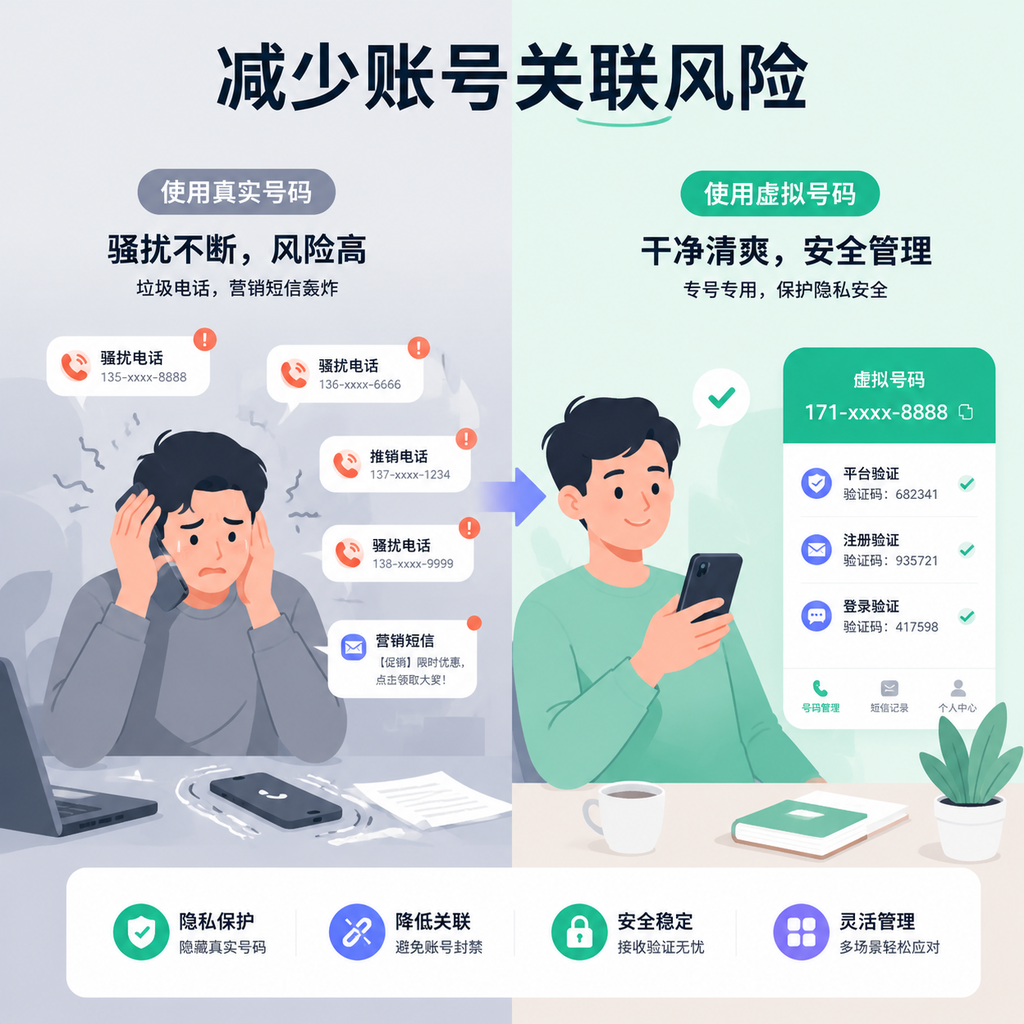
In specific scenarios, when registering for overseas social media or tools, virtual numbers can avoid an influx of spam messages. Once a real phone number is made public, marketing pushes and scam calls follow. Virtual solutions let individuals control their exposure, activating only when necessary. Long-term rentals are suitable for scenarios requiring stable reception—for example, monitoring updates from a specific service—but they cost more than single-use options.
From a developer's perspective, virtual number APIs support REST interfaces with JSON responses, making integration simple. There is no need to maintain a number pool; just focus on business logic. Enterprises use them for test environments to avoid mixing in real user data. Individual users use them to handle multi-platform registrations and reduce the risk of account correlation.
Notes include keeping usage logs and compliant operations. Avoid gray-area use cases; platforms regularly clean up suspicious numbers. 5G and AI optimization are driving the industry forward—messages transmit faster and routing is smarter. Blockchain technology is also being explored to enhance the privacy layer.
Daily protection advice: Add a SIM lock or port freeze to your carrier—this is a free service. Replace SMS 2FA with an authenticator app or hardware key. Don't bind your phone number to email or bank recovery methods. These steps, combined with using virtual numbers, provide more comprehensive protection.
In a real case, someone lost all their accounts because their real phone number was swapped. After switching to a virtual solution, sensitive verifications no longer relied on a single entry point. When choosing a platform, pay attention to success rates and refund policies; start with small tests. Stable services typically cover over 200 countries and support mainstream apps like WhatsApp, Google, etc.
Virtual numbers are not a panacea, but they disperse the risk. Leave your real phone number for high-value services and delegate verification code needs to dedicated tools—overall security level increases a notch. In 2026, this trend will only become more apparent. Mastering the correct usage can save a lot of detours.


Comments(0)