 NexSms官方博客
First, Look Upstream: What Does the FCC's 2026 Proposed KYC Rule Require Voice and VoIP Providers to Verify?
On April 30, 2026, the U.S. Federal Communications Commission (FCC) voted to adopt a proposed rule (FCC 26-27 / FNPRM) aimed at strengthening Know-Your-Customer (KYC) obligations for voice service providers. It was published in the Federal Register on May 26, 2026. First, an important caveat: this document is still in the proposal stage (FNPRM), not yet a final effective rule, and not yet in enforcement. However, its details are enough for anyone relying on overseas numbers for business to read carefully.
According to the FCC's official announcement and the Federal Register publication, the core requirement of this proposed rule is: all voice and VoIP service providers connecting to the main network must, before activating service for new users or renewing service for existing users, mandatorily collect and verify the customer's real name, physical address, government-issued ID number, and alternate contact phone number. For high-call-volume customers, providers must further require them to explain the business purpose. In other words, the old practice of "open a number with just an email, source unclear" would be severed upstream under the future rule framework.
For purchasers, the key signal here is not "what will happen tomorrow," but that regulation is making number traceability a default infrastructure-level requirement. Understanding this is the starting point for re-evaluating your business number procurement strategy.
Why Stricter Upstream Verification Directly Affects the Lifespan of Your Business Numbers
What gives this proposed rule its "teeth" is the penalty framework the FCC simultaneously proposed. According to FCC 26-27 and legal analyses, the FCC aims to shift from a principle-based regulatory approach to one that imposes baseline fines of up to $2,500 per violation call on voice and VoIP providers who violate KYC obligations or allow illegal calls and spam numbers. Note the unit: "each call," not "each number" or "each case."
Put these two facts together, and the trend is clear: upstream providers face significantly higher compliance costs, giving them strong incentive to tighten number source management and clean up number blocks that cannot be explained or identified. Consequently (note: this is an inference based on regulatory trends, not an established fact), cheap, shared, or opaque numbers in your business may face risks of mid-term invalidation, service provider take-back, or being flagged as high-risk by platform risk controls in the near future.
This doesn't mean all virtual numbers will have issues, but it reminds buyers: when upstream starts fining per call, your number supplier can no longer turn a blind eye to number source quality. The question of how to purchase business numbers shifts from "compare unit prices" to "compare controllability."
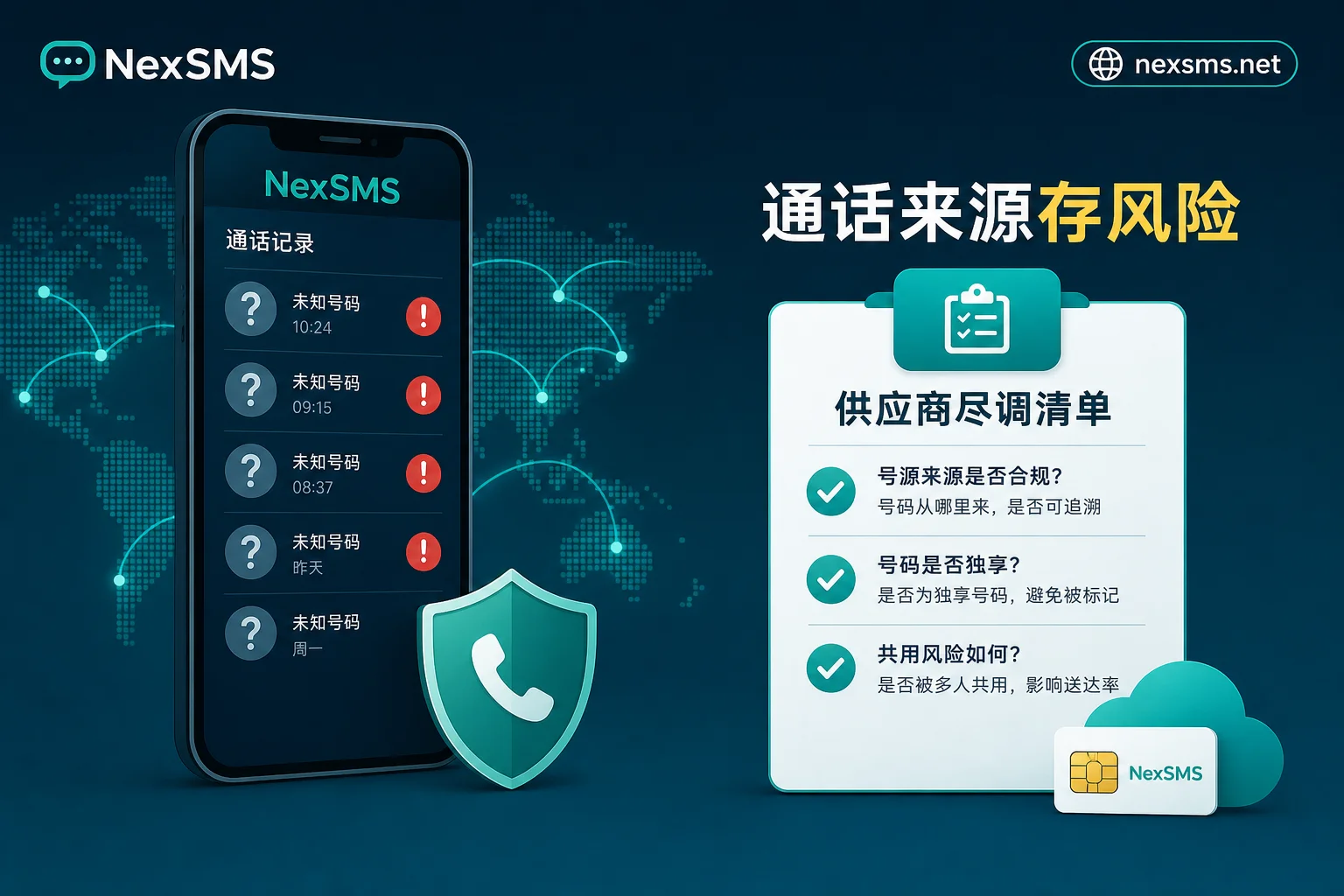
Due Diligence Checklist 1: Is the Number Source Traceable, Exclusive, and Free from Shared Use?
How to verify a business number supplier? The first step is to ask these questions and demand verifiable answers, not just a "don't worry."
- Which tier of supplier provides this number? Can you provide a complete chain from carrier to final service provider?
- What is the country and carrier of origin for the number? Can it be verified in public number segment databases?
- Is the same number rotated among multiple customers? Is there any history of sharing?
- Is the number's historical usage records cleared before assignment?
- Has this number ever been used for high-frequency outbound calls, bulk SMS, or other activities that could be flagged as marketing?
Judgment is simple: if upstream must verify customer identity, downstream service providers should be able to explain the number source chain. If they can't even say where the number came from, they likely cannot meet future KYC traceability requirements—such numbers, regardless of price, are not recommended for formal business use.
This directly echoes the FCC 26-27 proposed rule's requirement for providers to verify real names and physical addresses: the stricter upstream verification, the scarcer "clean numbers" downstream. Making "number source explainability" part of your supplier evaluation is the most basic self-protection move.
Due Diligence Checklist 2: Usage Period and Renewal Mechanisms—Where to Use Short-Term vs. Renewable Long-Term Local Numbers
After source, the next key issue is lifecycle. Different business scenarios have different requirements for number "longevity," so how to purchase business numbers starts with clarity on roles.
For one-time registrations, temporary tests, or channel trials, short-term numbers suffice—use and discard, cost-first. But numbers that carry enterprise account logins, customer service callbacks, or two-factor authentication long-term must be renewable and holdable. Key points to confirm:
- What is the renewal period? Is there proactive reminder before renewal?
- If renewal is missed, how long is the number retained? Could it be reclaimed?
- Can renewal prices fluctuate with the market? Could the provider discontinue that number type?
- Does the number support migration to other providers or platforms?
Here's a specific reminder on long-term local number renewal: the most expensive cost is never the unit price, but the time and effort spent recovering accounts, verifying identity, and migrating bindings after a number suddenly fails. A number carrying your company's main account is worth a few extra dollars a month compared to a cheap but unreliable number.
Due Diligence Checklist 3: Recovery Paths and Handover—What Happens to Business Numbers When Employees Leave?
Another common pitfall: numbers are registered to individuals, verification codes go to personal phones only, and after employee departure, accounts become unrecoverable. This problem will only worsen with tighter regulation—because upstream KYC verifies "physical address and real identity," if the number is tied to a person rather than the company, future verification may face subject mismatches.
Three minimal actions to take now: First, register all numbers under the corporate account, not any individual employee. Second, ensure verification code receipt is accessible to multiple authorized people or transferable, not locked to a single personal device. Third, include number and account handover checklists in offboarding processes.
Clarify boundaries: this does not offer any way to bypass carrier or platform identity verification; recovery must follow official platform processes. Regulatory identity verification will only tighten, so the only thing purchasers can do is ensure their internal records are clear enough to produce necessary materials when verification is needed.
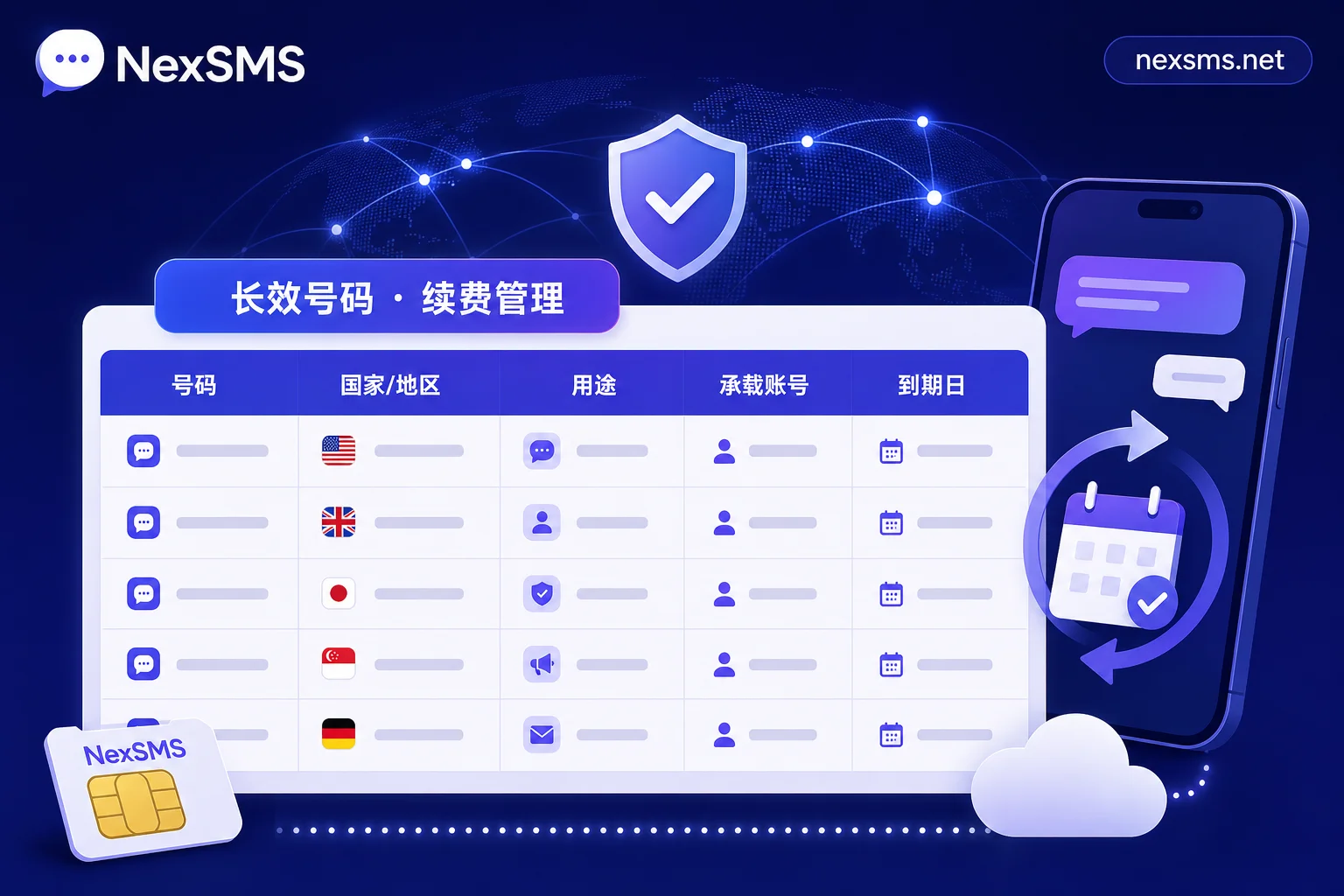
How to Build an Internal Ledger: A Minimal Five-Column Table for Number, Country, Purpose, Bound Accounts, and Expiry
Apart from external supplier verification, you need an executable internal management tool. Many teams only realize they don't know "what is this number bound to" when a number fails and affects multiple logins.
Here's a minimal five-column table you can copy directly:
| Number | Country/Region | Purpose | Bound Accounts | Expiry Date |
|---|---|---|---|---|
| +1 xxx | United States | Customer service callback | Customer service main account, ticketing system | 2026-09-30 |
Review expiry dates and bound account changes quarterly. If your team is larger, add two optional columns: Supplier & procurement channel, and Responsible person. How to build a business number ledger? Start with this table; don't aim for a comprehensive system initially—just meet the minimum goal of "locating affected accounts within half an hour."
The importance of a ledger is that FCC 26-27's proposed penalties will push upstream providers to clean up number sources more aggressively. In case of bulk number adjustments, a clear ledger lets you assess impact and initiate replacements quickly, rather than troubleshooting one by one.
Using NexSMS to Implement a Business Number Isolation Layer: Country Selection, Long/Short-Term Division, and Legal API Integration
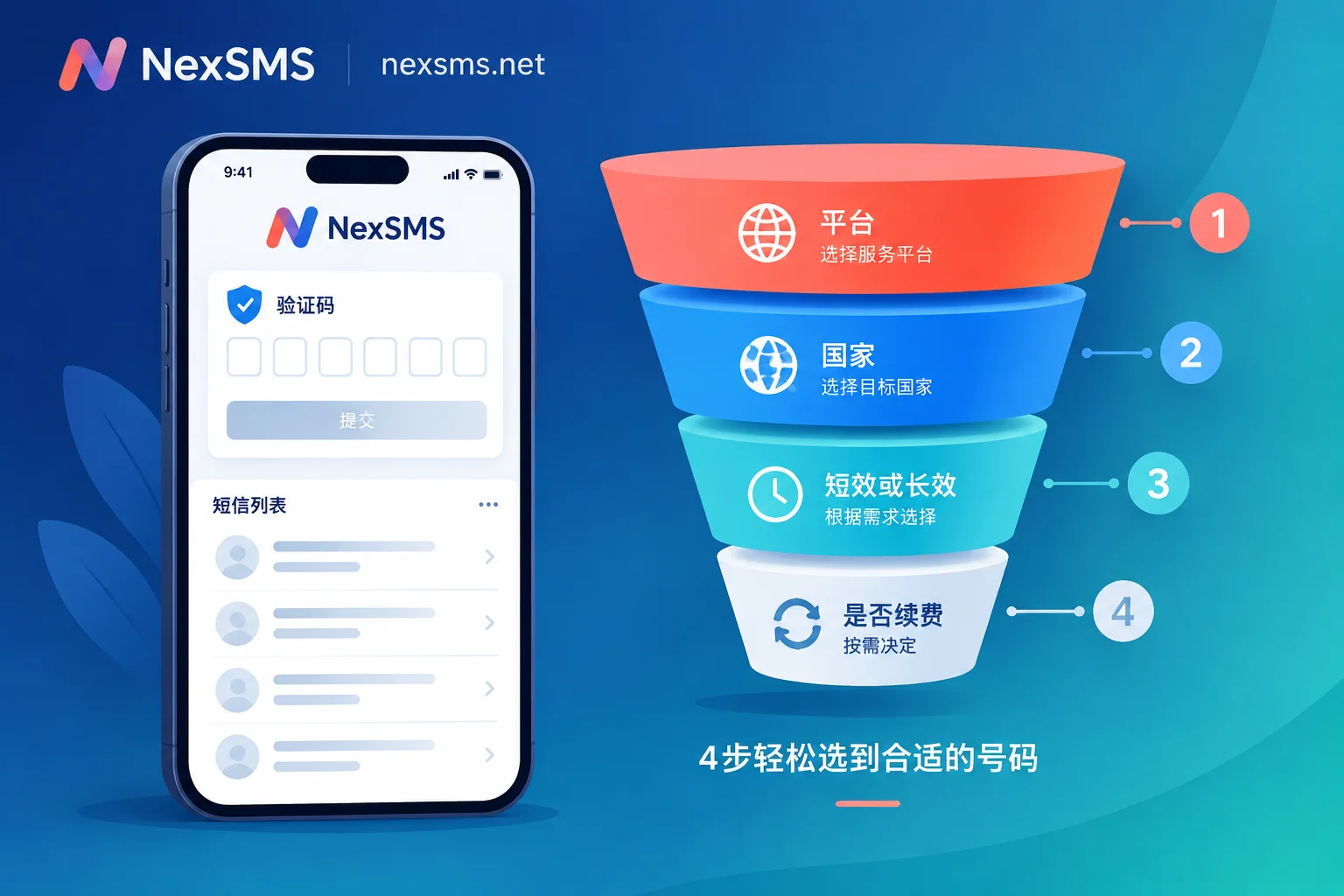
After the above due diligence methodology, if you need a concrete tool to build a "number isolation layer," NexSMS offers multi-country, multi-platform number selection to address "target market matching"—cross-border teams can select local numbers corresponding to covered countries, avoiding using numbers from one country for verification in another.
For usage periods and roles, NexSMS provides both short-term numbers and renewable long-term local numbers: short-term for one-time registration, temporary tests, or trials; renewable long-term for enterprise accounts, customer service callbacks, and two-factor verification. Refer to earlier criteria for which scenarios use which.
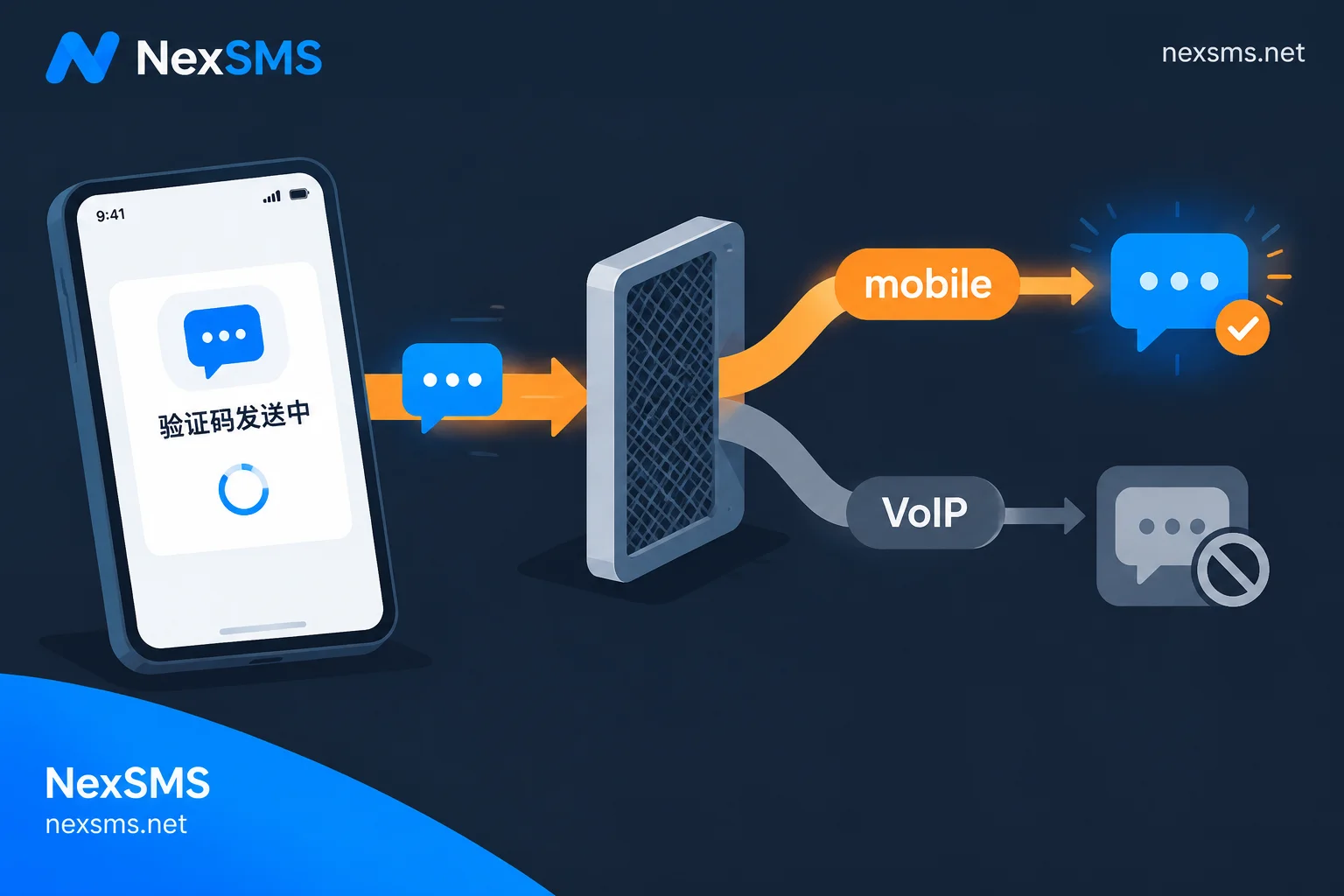
For verification code receipt, NexSMS supports web-based code receipt, suitable for teams that don't want codes locked to a personal phone. For bulk needs, NexSMS offers developer APIs and pay-as-you-go, enabling integration into internal systems.
Clear statement: NexSMS is a tool option for legally building a business number isolation layer; it does not replace your own compliance judgment, does not satisfy any regulatory requirements, and does not grant any regulatory exemption. Compliance with the final FCC rules depends on your specific usage and the final rule text.
Conclusion: Three Things to Do During the Proposal Stage
Back to the opening: FCC 26-27 is still in the proposal stage. The best move now is not panic-replacing numbers but using this window to strengthen internal management.
Specifically, three things are worth doing now: First, institutionalize the supplier due diligence checklist into your procurement process and audit existing numbers for source and exclusivity. Second, establish the five-column ledger, noting expiry dates and bound accounts. Third, for numbers confirmed for long-term holding, evaluate switching to renewable local numbers with clear sources.
Also, monitor subsequent developments of FCC 26-27 after Federal Register publication, including the public comment period and possible final rule changes. Regulatory trends are clear, but specific provisions may shift; staying informed and adaptable is more realistic than a one-time "compliance."


Comments(0)