 NexSms官方博客
In the attack model officially recognized by the FCC, eSIM only blocks the first segment—and that's the only definitive difference in the security comparison between eSIM and physical SIM cards. The FCC's consumer guidance assesses eSIM as follows: the chip is embedded in the device and cannot be physically removed, eliminating the hardware risk of physical SIM swapping. However, in FCC 23-95, the SIM swap and port-out protection rules, regulatory focus falls on carrier-side identity verification and port-out locking. This indicates that eSIM does not automatically immunize against port-out fraud or social engineering impersonation. When you break down the eSIM vs physical SIM security comparison, eSIM only wins the physical layer—a small segment—while two longer attack chains still await you.
Conclusion First: eSIM Only Stops the First Layer of the Attack Chain
When comparing eSIM vs physical SIM security, you can't simply answer “which is safer.” Regulatory guidance has always been consistent: eSIM eliminates physical SIM swapping, but attackers don't need to touch your device—they can use social engineering to trick customer service into reissuing an eSIM profile or initiating a cross-carrier port-out.
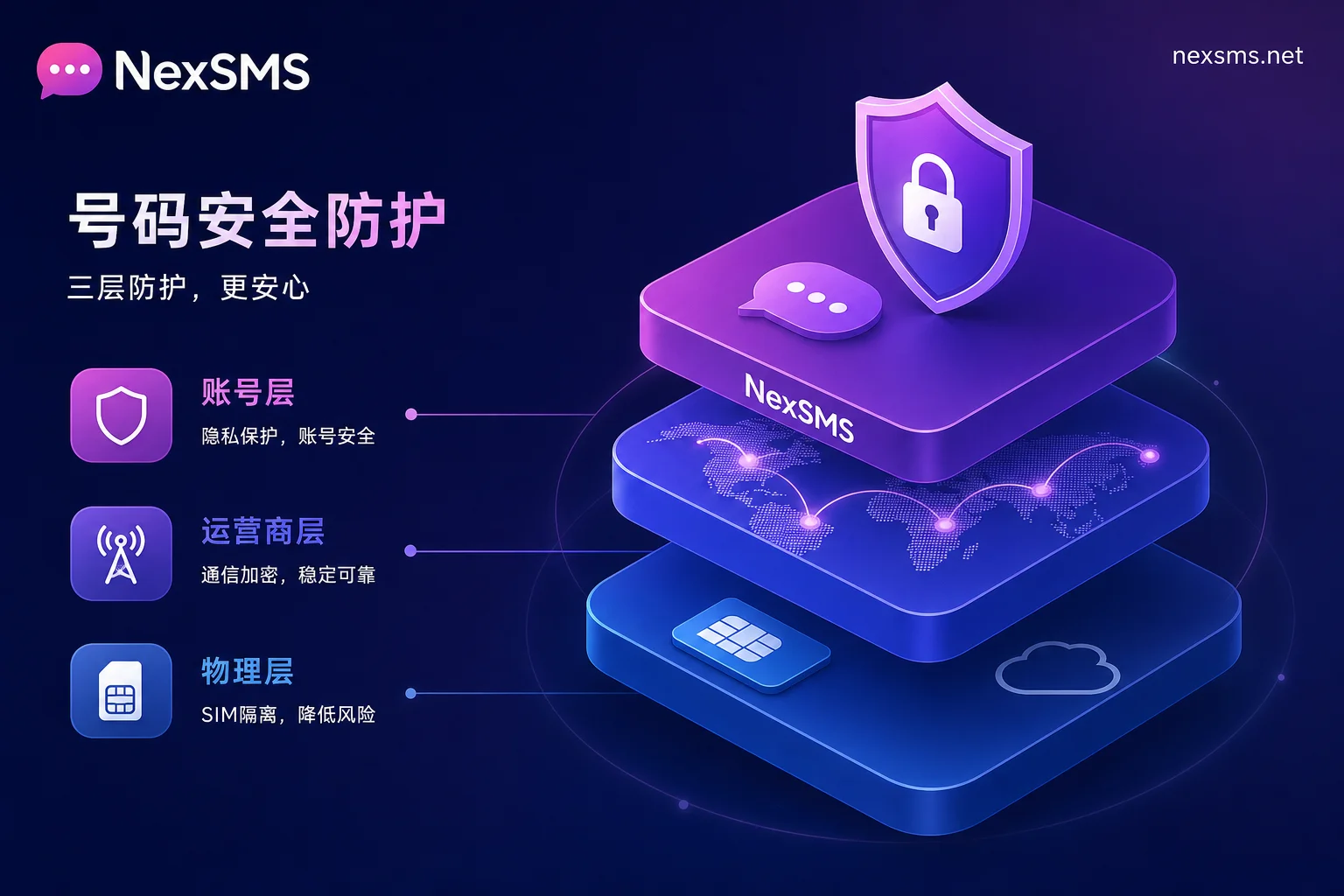
Therefore, when you break down the entire number hijacking chain, you get a more accurate security assessment: eSIM wins on the physical layer, but on the carrier and account layers, both are nearly identical—and the latter is where accounts are truly lost. This is why many people still suffer verification code hijacking after switching to eSIM—because that's not the segment eSIM was designed to protect.
Segment 1: Physical Layer—What Risks Does eSIM's Non-Removability Eliminate?
Physical SIM cards are exposed in straightforward ways: phone loss, being pulled from the tray, or swapped during repair or when briefly out of sight. As long as the card leaves your hand for a few seconds, an attacker can slot it into their own device, combine it with phished credentials, and complete logins and receive verification codes.
eSIM embeds the chip into the device and eliminates the physical tray, completely ending the dilemma of “the card being in someone else's hands.” This segment's benefit is definitive: the physical swapping path is eliminated by hardware design—this is the real, certain benefit eSIM brings.
So, if you ask whether physical SIM or eSIM is safer, in the scenario of “physical device access,” the answer is clear—eSIM is definitely safer. But this advantage starts to diminish the moment you leave with your device, because attackers quickly switch to a method that doesn't require touching your phone.
Segment 2: Carrier Layer—Why eSIM Can't Stop Port-Out and Social Engineering
Can eSIM be attacked by SIM swapping? Yes, but the technique shifts from “stealing the card” to “tricking the carrier.” Attackers use your name, ID number, billing address, and other social engineering data to call customer service, claiming your phone was lost and need a replacement SIM. The representative reissues an eSIM profile to the attacker's designated device—without ever touching your physical card or phone.
More troublesome is port-out. Attackers use your personal information to request the number be transferred to another carrier. As long as identity verification passes, the number changes hands invisibly. This process is entirely independent of your device form factor, so eSIM cannot block it.
FCC 23-95 rules specifically address this segment: carriers must undergo strict identity verification before performing a SIM change or cross-carrier port, send proactive alerts to the original device, and provide free account/port lock and dedicated port-out PINs. In other words, it's not eSIM hardware that truly protects this segment—it's whether you enable number locking and set a port PIN in your carrier's app. These actions are mandatory regardless of physical SIM or eSIM.
Segment 3: Account Layer—Once Number Ownership Transfers, Where Do Verification Codes Go?
This is the most overlooked yet most damaging layer. Many people have their primary number linked to bank, payment, primary email, and social account registration and recovery—essentially putting all door keys on one chain.
Once number control is transferred at the carrier layer, the right to receive verification codes also changes hands—code will be sent to the attacker's device after the number is ported. A single code might only be worth a few seconds, but combined with password resets on linked emails, attackers can take over multiple accounts within minutes.
Hardware form factor is completely useless at this layer: whether your number is on a physical SIM or eSIM, once the carrier marks a new owner for the number, verification codes go to the new owner. This explains why “switching to eSIM means you're safe” is a pure misconception. The key is to not make your primary number the sole bearer of all 2FA entry points.
Three-Segment Comparison Table: Symptoms, Causes, and Actions
| Attack Segment | Typical Symptom | Root Cause | Your Hardening Action |
|---|---|---|---|
| Physical Layer | Card pulled after phone loss, codes stolen | Physical SIM can be removed | Switch to eSIM, eliminate the tray removal/SIM swap path (only this layer) |
| Carrier Layer | Customer service tricked by social engineering, number transferred | Weak identity verification, no locking mechanism | Enable carrier account lock and set port-out PIN |
| Account Layer | Multiple accounts compromised after number changes | Primary number centralizes all 2FA and recovery | Separate high-value accounts and one-time registrations from the primary number |
Looking at this table makes it clear: eSIM protects the first segment; you must secure the second and third.
Phone Replacement and Second-Hand Resale: How to Clear eSIM Configuration and Lock Carrier Account
How to delete eSIM before switching phones is the most concrete operational question in the upgrade scenario. Apple's official support document from April 2026 gives explicit instructions: before selling, trading in, or gifting a device, in addition to “Erase All Content and Settings,” you must explicitly choose to delete the eSIM profile (Erase Mobile Data); otherwise, the communication profile will remain on the old device.
Here it's necessary to correct a widely circulated misconception: factory reset does not guarantee eSIM deletion. Both iOS and Android let you choose “Keep” or “Delete” eSIM when wiping the device. Many people tap erase without noticing, and the eSIM profile is retained. What happens if eSIM data isn't cleared on a used phone? At best, the new owner can receive text messages and verification codes intended for you; at worst, they're used with social engineering data for further fraud.
The correct resale process: first enable account lock or port-out protection in the carrier app, then explicitly delete the eSIM profile on the device, and finally execute Erase All Content and Settings. For specific guidance on writing such prompts, refer to What is SMS OTP Interception and How to Defend for an explanation of the verification code hijacking chain.
Carrier Rearrangement: Which Accounts Should Not Be Tied Only to Your Primary Number
Since the risks on the carrier and account layers are unavoidable, the real action is to reduce the exposure surface of your primary number. The principle is simple: layer your accounts by value and exposure frequency.
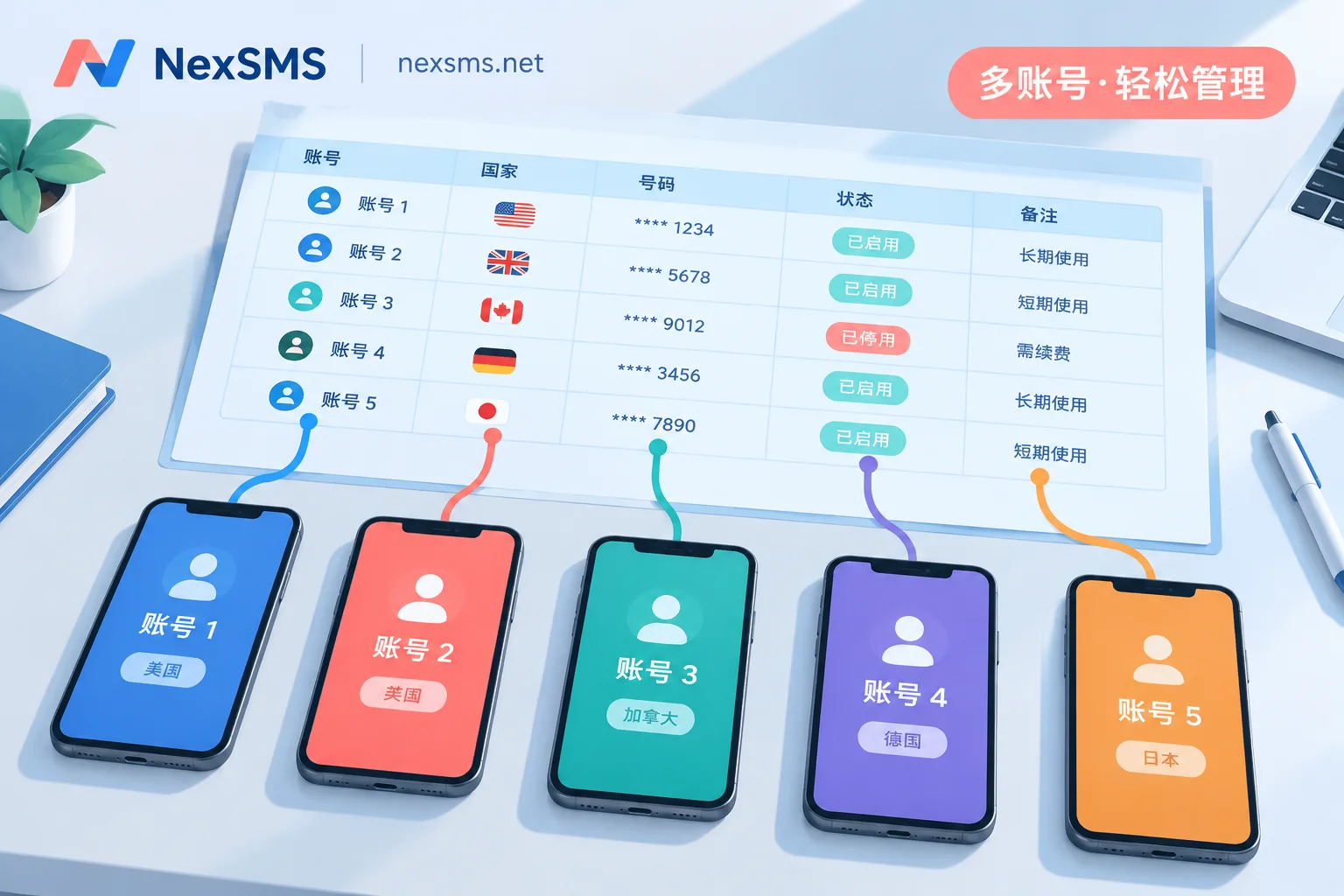
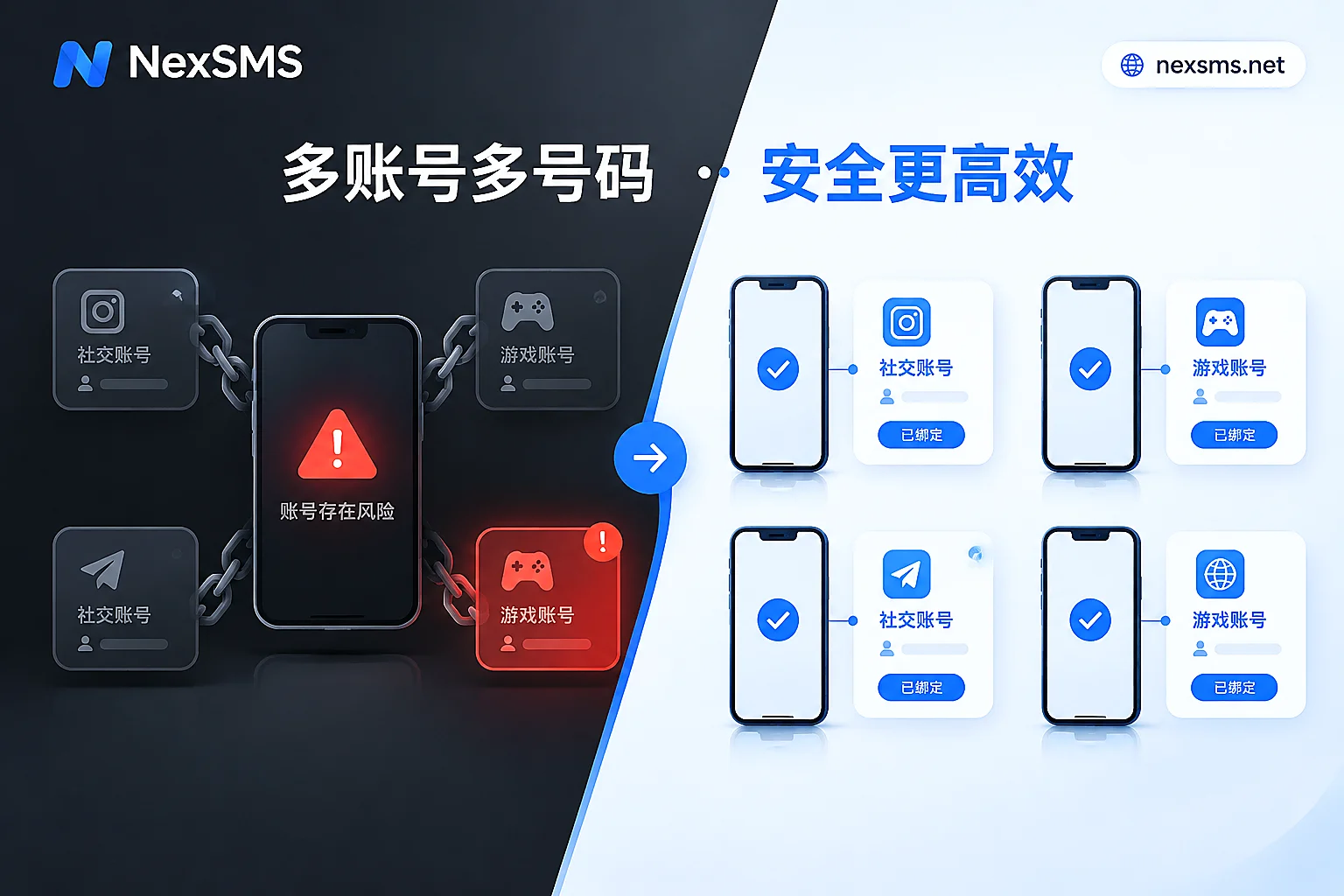
For high-value accounts like bank and primary email, use a number you can strictly control and combine with the carrier's number lock feature. For registering on delivery, courier, second-hand platforms, etc., avoid giving out your primary number—these are the hotspots for number leakage. Instead of waiting to be spammed on your primary number and regretting it, make your primary number “stay home” from the start. If you need to manage multiple platform numbers, refer to Multi-Account Number Management for grouping and attribution ideas. For details on reducing leakage of your primary number, check out How to Prevent Primary Mobile Number Leakage Online.
Use NexSMS to Implement Number Separation: Country Selection, Web SMS Reception, and API
To separate externally exposed numbers from your primary number, you need a flexible independent number. NexSMS offers multi-country number selection, supports direct SMS reception on the web, and separates one-time verification uses from long-term retention: short-lived one-time numbers suit register-and-discard scenarios, while renewable long-term local numbers are for business slots requiring long-term retention. Developers can also integrate SMS reception into their automation systems via API.
It's important to emphasize: separation is not replacement—independent numbers handle externally exposed verification code reception, while the primary number remains the core credential for account ownership; the two do not conflict. If you've received unexpected 2FA verification code SMS, first follow the steps in What to Do If You Receive Unauthorized 2FA Verification Code SMS to investigate the source before deciding on a separation strategy.
FAQ
After switching to eSIM, can I never be hit by SIM swapping again?
No. eSIM only eliminates the physical card removal method. Attackers can still use social engineering to have the carrier reissue an eSIM profile or initiate a port-out, hijacking your number without touching your device.
Which is safer: eSIM or physical SIM?
On the physical layer, eSIM is safer because the card cannot be removed. But on the carrier and account layers, there is no substantial difference. As long as social engineering and port-out vulnerabilities exist, eSIM does not raise overall security.
After enabling carrier number lock, can eSIM still prevent port-out?
It significantly reduces risk. Number lock and port PIN are commonly free measures carriers provide under compliance requirements. Once enabled, even if attackers have your basic info, they must pass the PIN or lock verification, making port-out much harder. However, whether social engineering is foiled still depends on the carrier's enforcement strength; locking is not an absolute block.
How to thoroughly delete eSIM before switching phones?
In Settings, first choose to delete the eSIM profile, then execute Erase All Content and Settings. If you only wipe content but keep the eSIM profile, the old phone may still receive SMS sent to you.
What happens if eSIM data is not cleared on a second-hand phone?
The old device continues to receive SMS and OTP codes sent to that number. If combined with social engineering data, it could lead to chain takeover of your other accounts, so always explicitly delete the eSIM before selling.


Comments(0)