 NexSms官方博客
First, Distinguish the Two Layers: eSIM for Data Access, Virtual Numbers for Identity and SMS Receipt
In 2026, the most common cognitive error made by cross-border operations teams when building overseas account systems is treating eSIM as a versatile tool that can "access the internet and receive verification codes." In fact, according to GSMA's eSIM architecture specifications (SGP.21 / SGP.22), the essence of eSIM is a remotely programmable eUICC chip responsible for cellular data access and roaming; whereas virtual numbers solve the problem of independent identity identification and SMS verification code reception. The two operate at different layers and should not be considered as "either/or" options.
Understanding the division of labor between the "data connectivity layer" and "identity verification layer" is crucial to truly grasping the difference between eSIM and virtual numbers.
Why Many Fail When Using eSIM as an SMS Receiving Solution: Differences in Profile, MSISDN, and SMS Channels
Many people ask: Can eSIM receive SMS verification codes? The answer is "it depends on the configuration."
According to GSMA specifications, whether an eSIM can receive SMS depends on whether the operator-issued Profile assigns it an MSISDN (phone number) and an SMS send/receive channel. In the current cross-border roaming market, the vast majority of eSIM products are data-only Profiles—they provide only data traffic, do not include a phone number, and lack SMS capabilities.
In other words, if you purchase a cross-border eSIM, you can browse the internet normally, but attempting to receive platform registration verification codes often fails. The industry's promotion of "buy an eSIM to solve all overseas app registration and network isolation issues" contradicts technical specifications.
Let's walk through the common misjudgment chain: user purchases a data-only eSIM → platform requires SMS OTP → eSIM is not assigned an MSISDN → SMS reception fails. The core here is understanding the hierarchy among eUICC, Profile, and MSISDN: the eUICC is the physical chip, the Profile is configuration data issued by the operator, and the MSISDN is a phone number allocated within the Profile. Data-only Profiles typically do not include an MSISDN, so they cannot receive SMS.
The Reverse Also Doesn't Hold: Can Virtual Numbers Access the Internet? What Transmission Medium Do They Depend On?
Conversely, can virtual numbers access the internet? Similarly, no.
According to industry technical analysis, a virtual number is essentially an identity identification service that relies on network channels to send and receive SMS or voice, but it does not itself provide underlying cellular network access or data roaming capability. In other words, virtual numbers must rely on Wi-Fi or cellular data (e.g., data provided by an eSIM) as a transmission medium to function for SMS reception.
Therefore, eSIM and virtual numbers are complementary, not substitutes.
Capability Comparison Table: Internet Access, Calls, Receiving Platform Verification Codes, Privacy Isolation, Multi-Account Reuse
| Capability | eSIM (Data Connectivity Layer) | Virtual Numbers (Identity Verification Layer) |
|---|---|---|
| Data Internet | Provides cellular data connection and roaming internet | Not provided; requires external network |
| Voice Calls | Depends on whether the Profile includes MSISDN and voice capability; most cross-border roaming eSIMs are data-only, typically no | Supported, relying on network channels |
| Receiving Platform Codes | Depends on Profile, usually not supported | Can receive and manage independently |
| Privacy Isolation | Not part of identity layer; data-only Profiles lack MSISDN, no separate number identity | Can be unlinked from primary number, protecting privacy |
| Multi-Account Reuse | No independent number identity, cannot differentiate multiple accounts | Flexibly supports multi-account scenarios |
The conclusions in this table are based solely on GSMA architecture specifications and industry practices, excluding tariffs, coverage country counts, and account survival rates. If your goal is to register overseas apps and receive platform verification codes, the determining factor is the number in the identity verification layer, not the eSIM in the data layer; eSIM only ensures the device can connect to the network. This functional comparison table clearly illustrates the applicable boundaries of the two technologies.
Mainstream Practice in 2026: Separation of Data and Identity Layers, Combination Rather Than Substitution
Entering 2026, the trend towards card-less mobile communications is evident, and platform risk control rules continue to escalate. In actual cross-border business operations, configuring the "data connectivity layer (eSIM)" and "identity verification layer (virtual numbers/SMS reception platforms)" in separate layers has become industry consensus.
Here, it is necessary to distinguish between two types of basis: the capability boundaries at the technical level are based on GSMA SGP.21/SGP.22 specifications (eUICC/Profile/MSISDN relationships), while "layered combination becoming the mainstream configuration" is an industry practice consensus from late 2025 to 2026 (refer to SIM vs eSIM: The Truth No One Tells You in 2026). Among these, capability boundaries are defined by GSMA architectural specifications, and layered combination is a selection practice formed by industry; this article does not predict the risk control or review outcomes of any platform.
Configuration Sequence Suggestion: First Determine Identity Layer Number Based on Platform and Target Market, Then Data Layer Based on Tariffs
Specifically, for cross-border e-commerce eSIM and virtual number configuration, it is recommended to follow this sequence:
- First confirm the number's country/region of origin and verification method acceptable to the target platform, locking down the identity layer number. How to confirm? Check the platform's help documentation or registration process prompts, which often specify supported major regions of origin.
- Then, based on the identity layer number's location, choose the eSIM data plan for the data layer. If the identity layer and data layer origins differ, assess whether it affects SMS reception or internet experience. In most cases, virtual numbers are insensitive to origin because they rely on network channels, but ensure network availability.
- Finally, verify whether the two layers are interdependent—for example, when receiving SMS via a virtual number, confirm an active network connection is available. Before receiving SMS, check if the device is connected to Wi-Fi or cellular data and test connectivity by visiting a webpage.
For the question of using eSIM or virtual numbers for multi-account operations, the answer is not "which is better," but "first use identity layer, then supplement with data layer."
Choosing a Number at the Identity Layer: Short-lived One-time Numbers vs. Renewable Long-term Local Numbers
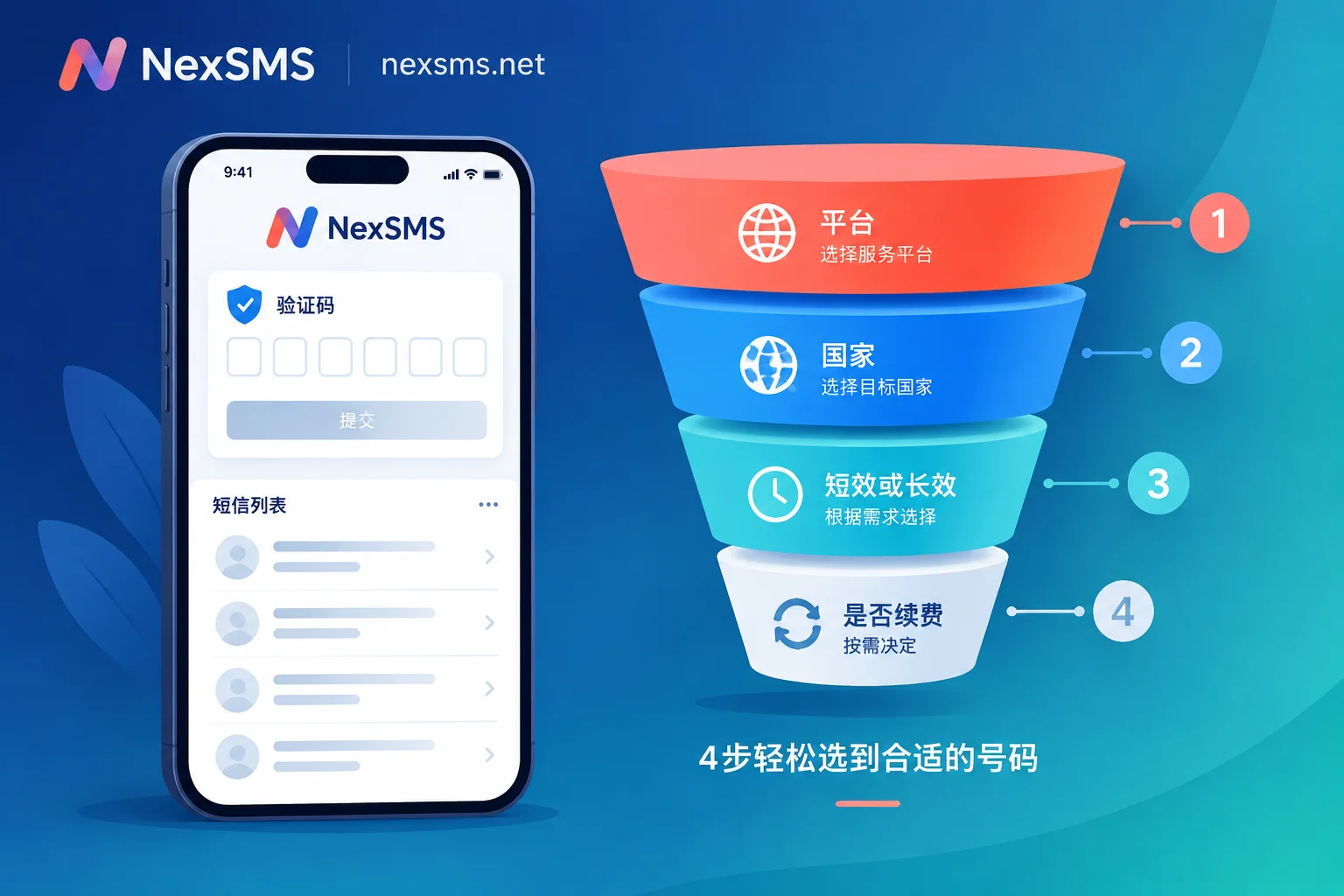
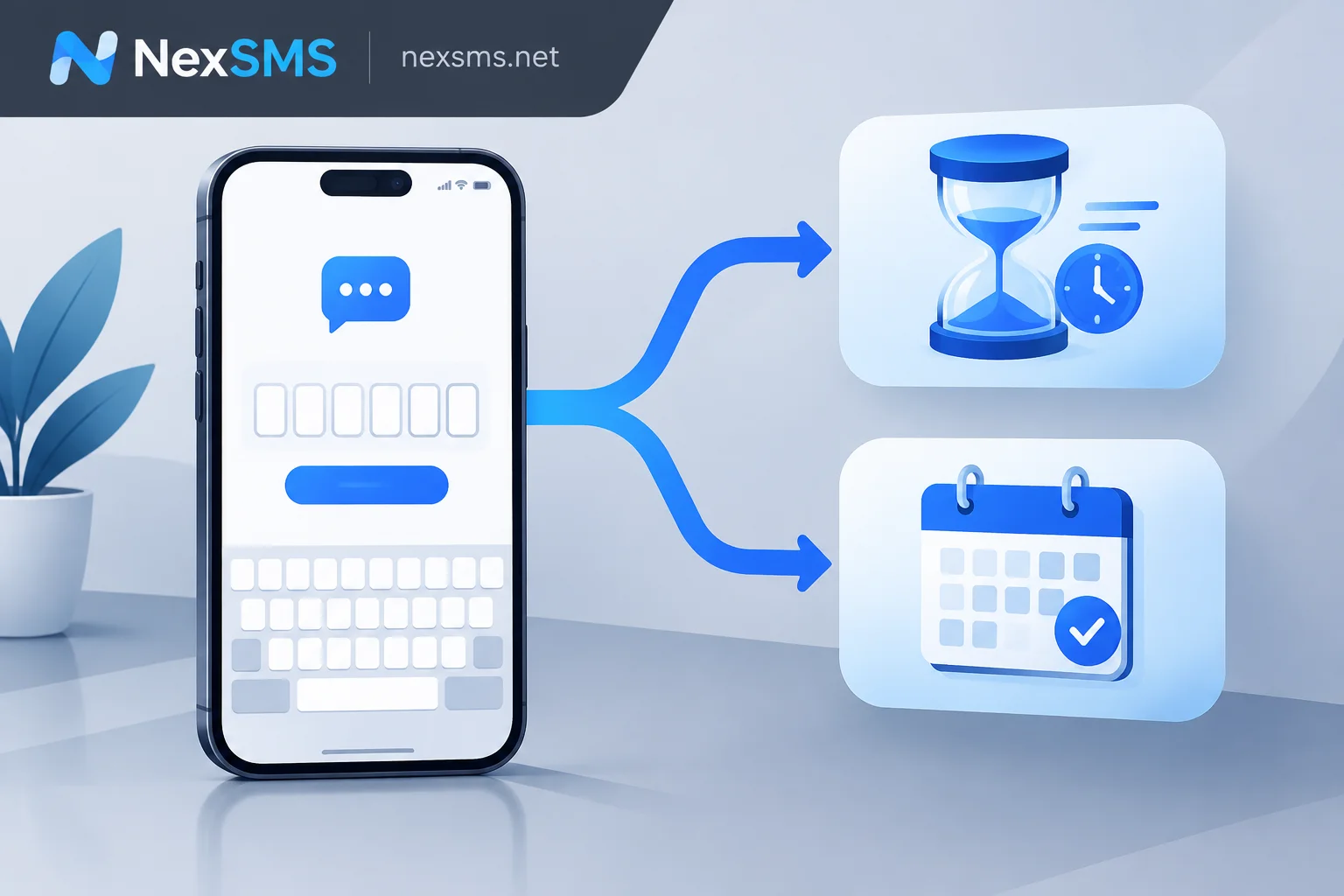
Since the identity layer requires an independent, long-term holdable number, how should you choose? Assess from three dimensions: whether the number's origin matches the target market, whether the usage cycle is short-term verification or long-term maintenance, and whether batch and programmatic management are needed. Based on these dimensions, NexSMS offers numbers from multiple countries and platforms to cater to verification needs in different target markets, provides web-based SMS verification code reception for scenarios without physical SIM cards, and offers both short-lived one-time numbers and renewable long-term local numbers, respectively suitable for one-time registrations and long-term account maintenance. Developer APIs and pay-as-you-go usage facilitate batch management for teams. NexSMS's role here is as a supplementary identity isolation layer beyond the eSIM data layer, not a replacement.
Legal Usage Essentials and Pre-Launch Self-Checklist
Finally, the compliance boundary must be emphasized. Use virtual numbers solely for accounts you or your organization are authorized to operate, and comply with each platform's terms of service and local laws. They must not be used to circumvent real-name authentication or commit fraud.
Before going live, it is recommended to self-check against the following list:
- Does the identity layer number match the business region?
- Are long-term accounts using long-lasting numbers, not one-time numbers?
- Is the data layer network available during SMS reception?
- Are verification codes circulated only among trusted devices and personnel?
For implementation, the recommended sequence is: first determine the identity layer number type based on the target platform and market (short-term numbers for one-time registrations, renewable long-term local numbers for accounts needing long-term maintenance), then go back to select the data layer data plan; if you need to build an identity isolation layer, you can check the number types and API access instructions for corresponding countries on the NexSMS official website and conduct a small-scale trial. This article does not include commitments on country counts, prices, or success rates beyond what is publicly available on the official website.
Factual boundaries of this article: It does not cover specific operator tariffs, coverage ranges, or account survival rates.


Comments(0)