 NexSms官方博客
Conclusion first: SMS verification code receiving platforms are still usable in 2026 and can indeed solve privacy isolation, cross-region registration, and API testing issues; but the era of "just search for a free webpage or spend a few cents on a virtual number and it will pass" is over. Whether a platform is reliable now mainly depends on three things: whether the platform itself is still operating normally (avoid phishing sites mimicking defunct old platforms), whether the number lines are real carrier resources (avoid VoIP number segments that are directly blocked by real-time HLR checks), and whether the number period you choose can cover the account's subsequent secondary verification.
1. Why do many people feel that "code receiving platforms are not working well" in 2026?
Friends who just searched for "SMS verification code receiving platform" will likely encounter three frustrating situations: old-brand websites found in search results cannot be opened, numbers entered show "unavailable," or after successful registration, when a code is needed again two days later, the same number can no longer be found. This is not bad luck; it is due to three hard changes in the industry over the past year or so:
- Industry reshuffle and mixed phishing sites: The long-running platform SMS-Activate, which operated for nearly a decade, officially and permanently ceased operations in December 2025, and the official side subsequently closed balance withdrawals and customer service channels. However, many clone phishing sites borrowing its name and interface still appear on the market. Meanwhile, some domestic low-cost small sites have shut down or been phased out, so casually finding a URL based on old tutorials can easily lead to pitfalls.
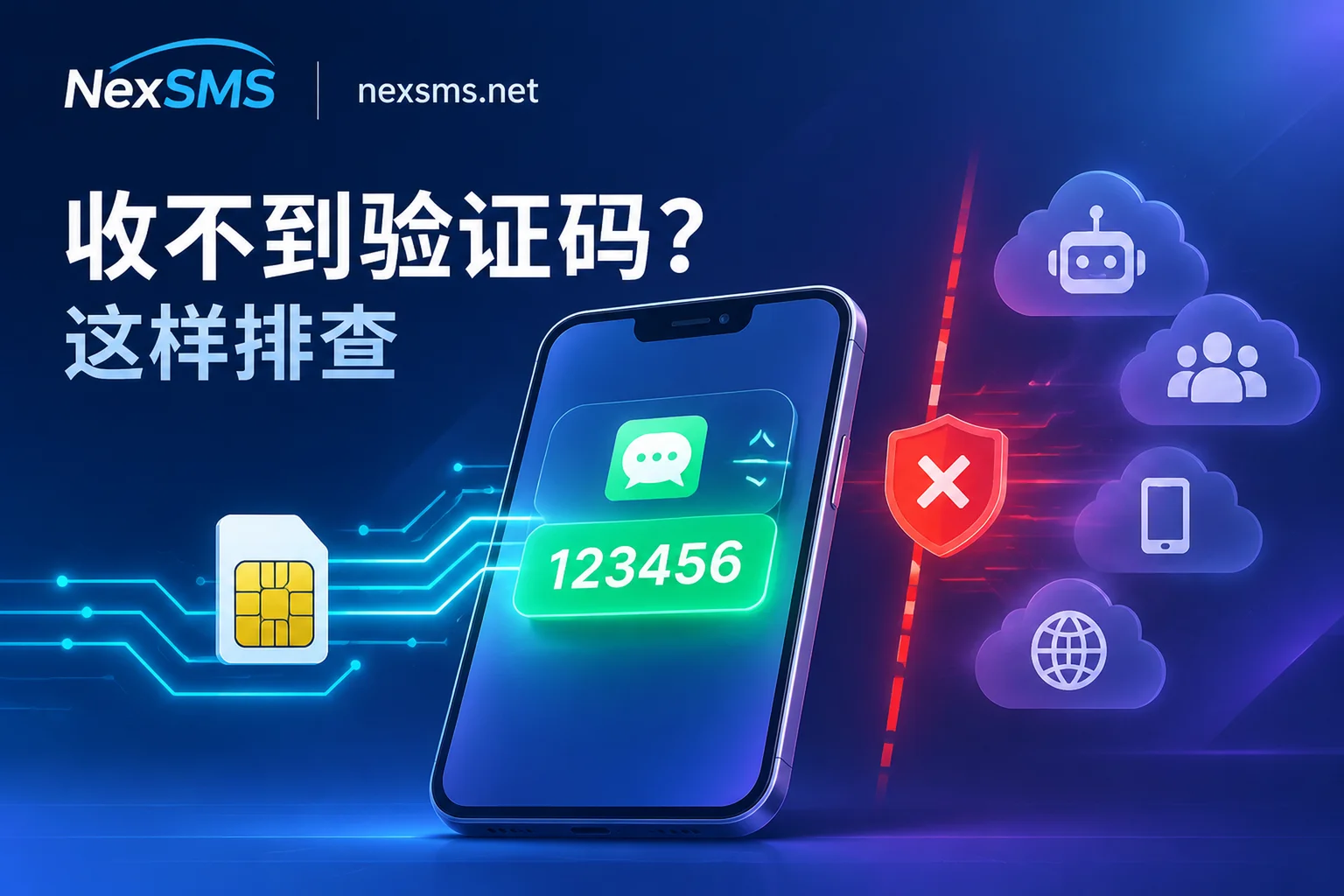
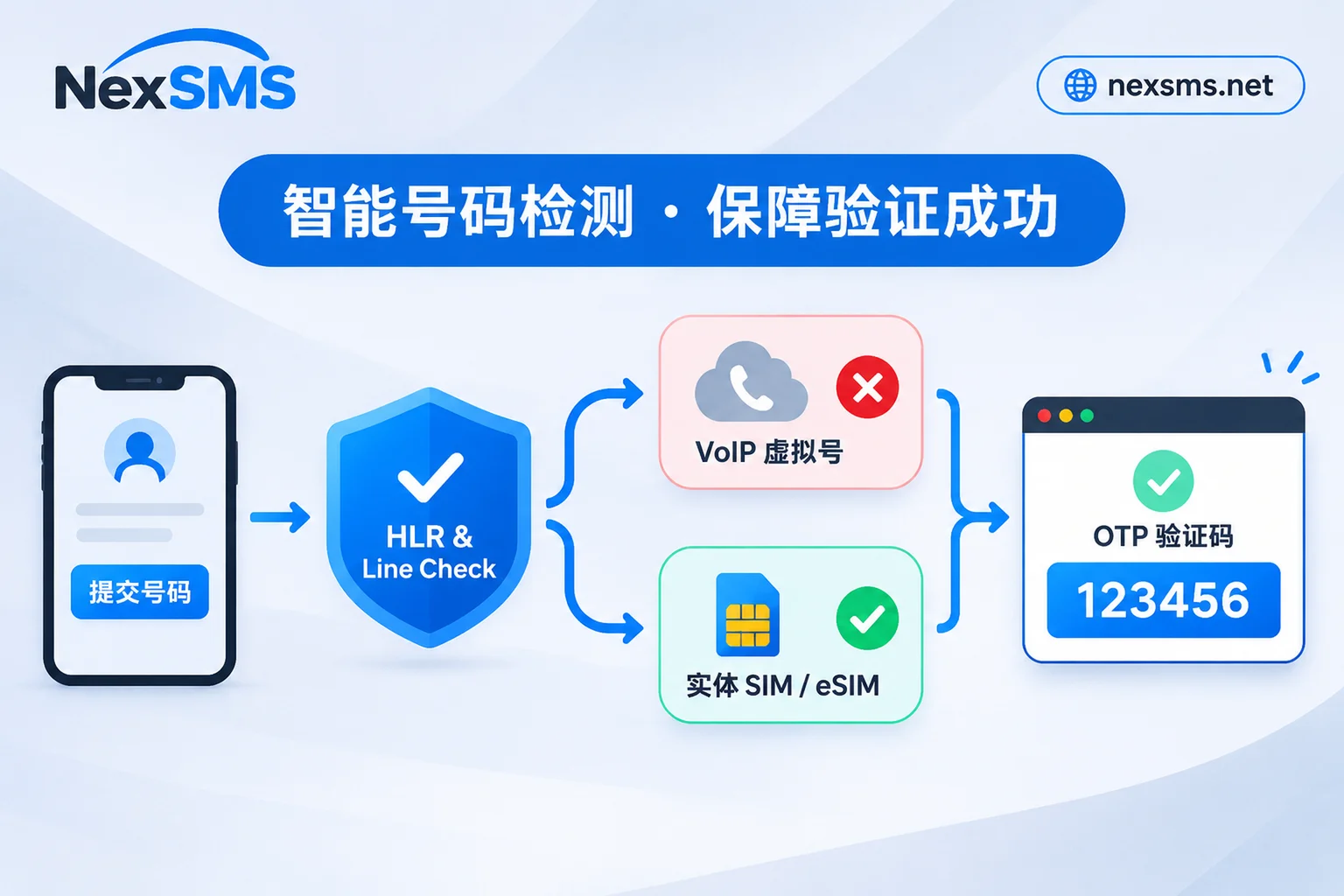
- Pre-send HLR line risk control is widespread: Most mainstream applications now, before sending an SMS, will first call HLR (Home Location Register) queries, number age scoring, and reuse history detection within a few hundred milliseconds. VoIP virtual numbers commonly used in traditional code receiving pools directly expose the "non-mobile real SIM" attribute, causing the code to be rejected upfront before it is even sent.
- SMS interception and secondary verification are more frequent: On the one hand, carriers and regulators in various countries have strengthened in-transit interception of spam and abnormal SMS; on the other hand, overseas social, e-commerce, and AI platforms more frequently trigger secondary verification during remote logins and sensitive password changes. If a disposable temporary number was used initially, the account will be directly locked.
2. What types of SMS verification code receiving platforms are there? Match according to your use case
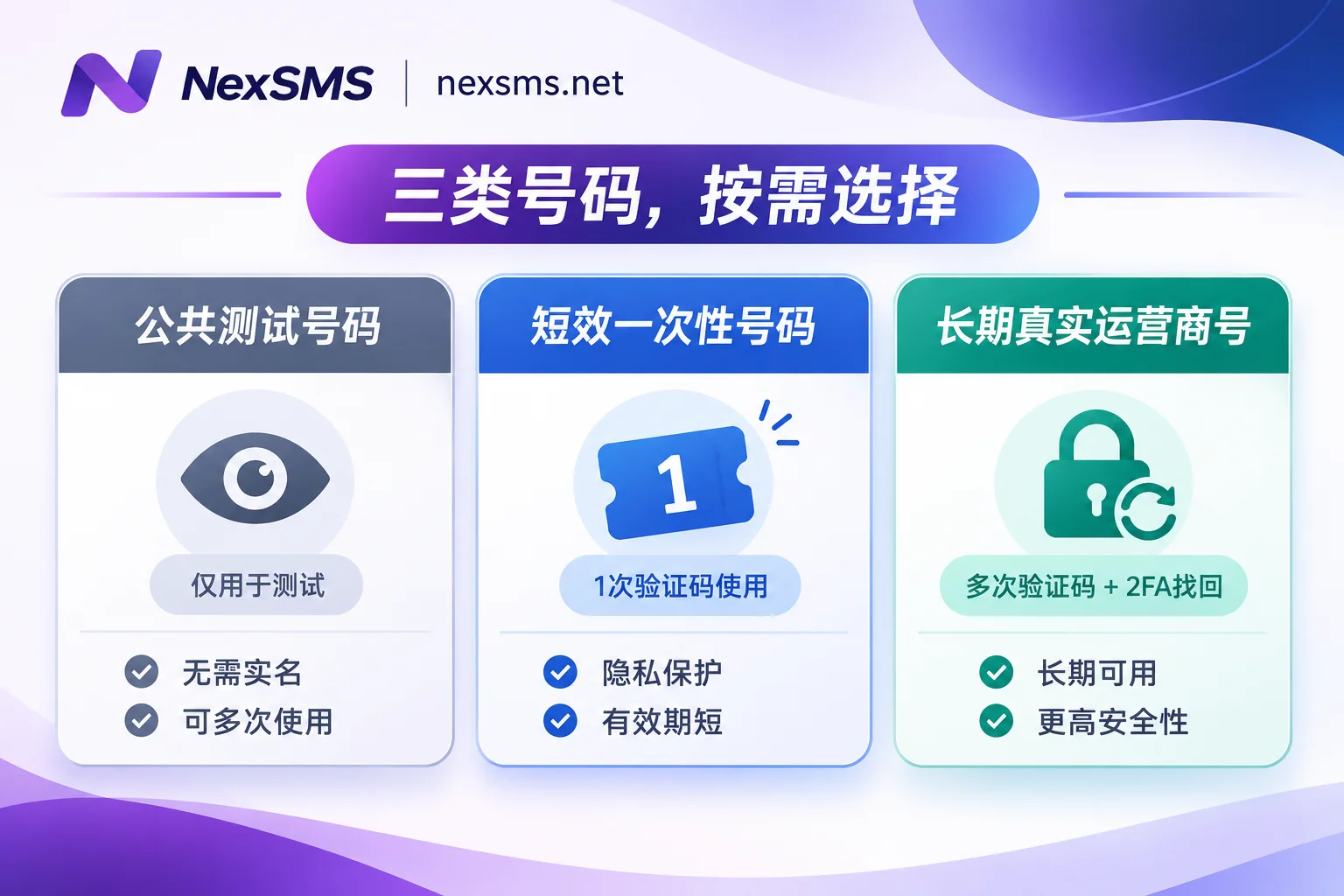
The online code receiving channels on the market seem diverse, but at the underlying level there are actually three types. First understand what scenarios each is suitable for, then decide whether to spend money:
| Number Type | Line and Visibility | Best Scenarios | Never Use For |
|---|---|---|---|
| Free public numbers | Shared pool, verification codes received are visible to everyone | Running through test processes, registering completely unimportant temporary small accounts | Personal main numbers, email binding, payments, accounts requiring long-term login |
| Short-term ordinary numbers | Exclusive for the current session, billed per use, released after use | One-time registration, coupon claiming, privacy isolation when leaving contact info | Accounts that will need login re-verification, rebinding, or password recovery later |
| Long-term premium numbers | Real carrier local SIM or eSIM, exclusive and renewable within the period | Secondary verification, multi-platform binding, long-term operation, or strong risk control applications | Still requires a compliant network environment; cannot cover up non-compliant operations |
If you just want to confirm whether the process can run through, you can check the NexSMS free public number area (currently provides several US public numbers, SMS visible after login), but the official website also explicitly warns not to use for important accounts—because others can also see the latest verification code received by that number. For specific risks, you can read Why free public numbers are unsafe.
If the purpose is to isolate your daily main number and only receive a one-time registration code, you can choose short-term ordinary numbers provided by a legitimate SMS verification code receiving platform. Taking NexSMS as an example, short-term ordinary numbers are billed per use with a short validity period, a number only receives one verification code, can neither be renewed nor used to receive a second code, suitable for lightweight needs where you confirm "this number will never be needed again."
However, if the account may later be required to re-verify, or if the target application blocks VoIP number segments (such as Google, Apple, OpenAI, Claude, Telegram, WhatsApp, PayPal, Amazon, etc.), go directly for long-term premium numbers. NexSMS long-term premium numbers are real carrier local numbers (local physical SIM and eSIM, not virtual landing numbers). Within the validity period, the same number can receive codes unlimited times, and can be renewed before expiry to continue holding. To understand the specific differences between the two types of lines in underlying risk control, refer to What is the difference between real carrier local numbers and virtual landing numbers.
3. Before choosing a platform and recharging, check these 5 things
Many users fall into pitfalls not because the platform runs away, but because they recharge money before clearly understanding the rules. Check the following 5 steps before ordering to save 90% of unnecessary costs:
1. First check real-time inventory and starting prices for the target application and country; don't recharge blindly
Don't recharge just because the homepage says "as low as a few cents." The scarcity of number sources varies greatly by country and application. Before ordering on NexSMS, it is recommended to open the pricing and available numbers by application page, or enter the code receiving instructions by application page (covering OpenAI, Claude, Doubao, Google, Apple, Telegram, WhatsApp, X, Instagram, Facebook, TikTok, Xiaohongshu, WeChat, Amazon, eBay, PayPal, Gojek, etc.) to view the corresponding verification instructions, then go to the number selection by country page (such as the US code receiving page) to check the phone area code, real-time inventory, and applicable services before purchasing.
2. Clearly understand account balance, payment methods, and refund boundaries
Some overseas sites only accept specific foreign currency cards, or set high withdrawal thresholds and balance validity periods. When choosing a platform, focus on confirming: whether it is convenient for you to pay normally, and whether the remaining balance will be cleared at the end of the month. NexSMS supports Alipay, WeChat, and cryptocurrency (USDT / BTC) recharges, and account balance does not expire (non-transferable), so you don't need to worry about it expiring even if you use it occasionally; as for the specific validity days and refund rules for short-term and long-term numbers, refer to the official website's real-time pages before ordering. For details on matching balance with business cycles, you can further read the guide to precisely selecting numbers by business cycle.
3. Confirm how to view codes and developer integration conditions
After individual users log in to the NexSMS user workbench and place an order, the verification code will be displayed in real time on the web page, without inserting a physical SIM card. If a team or developer needs to integrate number acquisition and code receiving into scripts or business programs, NexSMS supports developer API and web code receiving in parallel; note that NexSMS does not have public API documentation. For integration, directly contact 7×24 hour Telegram customer service to obtain the integration method.
4. Be wary of any platform that promises "100% guaranteed to pass"
Anyone who pats their chest and guarantees "buy my number and it will absolutely pass any platform" can basically be ignored. SMS verification is only one part of the risk control system, and NexSMS also clearly states its boundary on the official website: it does not promise that any platform will definitely verify successfully; the final pass depends on the platform's risk control rules at that time.
5. Distinguish tool boundaries; for high-value accounts, remember to add keys
SMS verification code receiving platforms only handle "providing a number and displaying SMS in real time." Things like multi-account browser environments, proxy IP and network egress, email and identity information, number status screening, purchase of ready-made accounts, CAPTCHA recognition, or private domain customer follow-up are not within the scope of the code receiving platform itself (on NexSMS, these are also not the responsibility of this site). At the same time, please use only within the boundaries of legal compliance, personal privacy protection, and development testing; once an important account passes verification, it is recommended to bind an authenticator app (TOTP) or passkey to further tighten account security.
4. If you have already ordered but keep not receiving the verification code, follow this order to stop losses
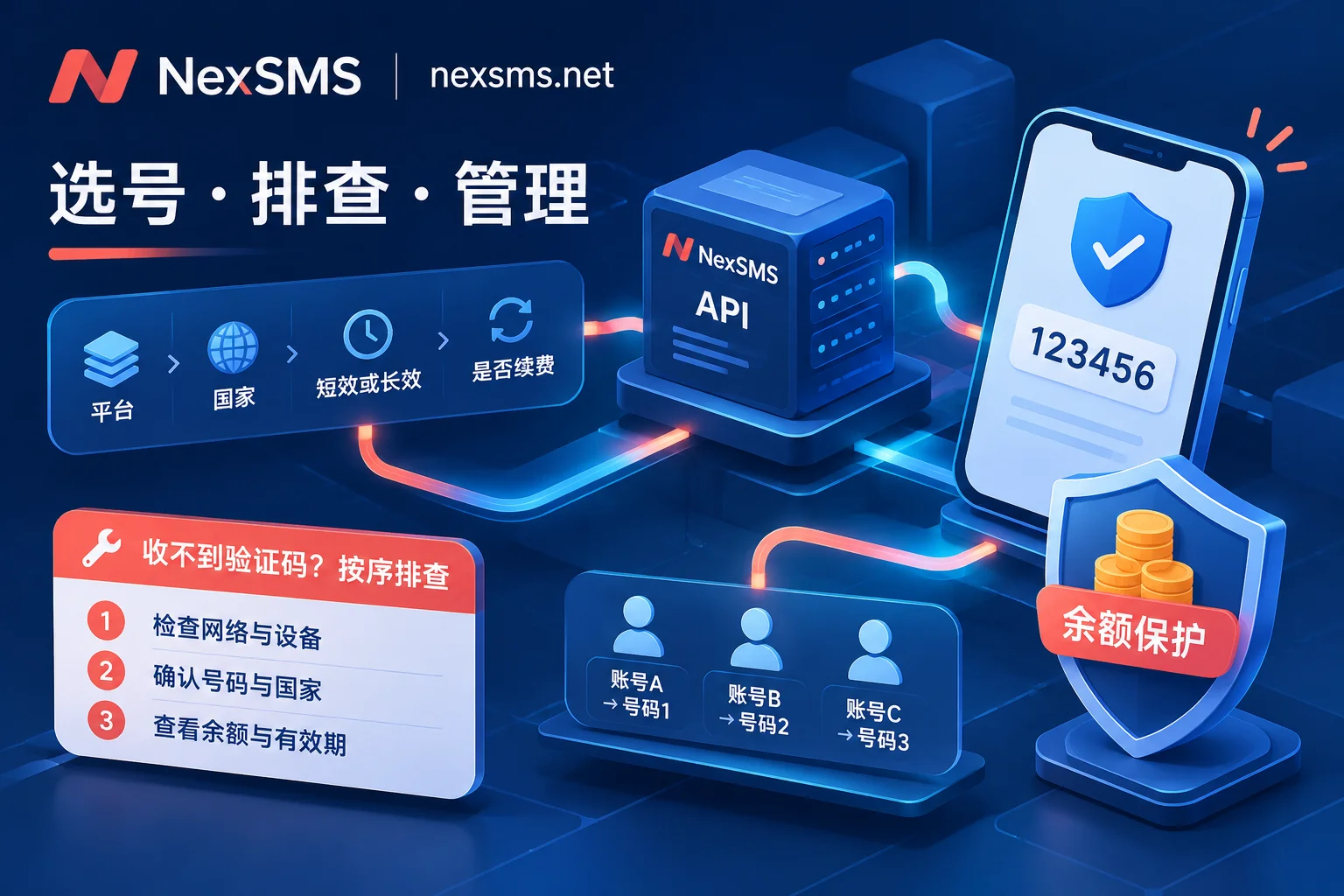
If you have already entered the number on the web page and clicked send, but still haven't seen the SMS, don't rush to repeatedly click "resend" (easily triggering the target application's rate lock). Follow these three steps:
- First check basic input: Check whether the country code is filled in extra or missing (for example, after selecting a US area code in some forms, do not repeat
1in the box), and confirm the order is still within the valid waiting window. - Distinguish between "not sent" and "in-transit delay": If the page directly reports an error saying "number unavailable," it means it was rejected at the HLR or number segment verification stage, and resending many times is useless; if clicking send succeeds but there is no display for a long time, you can follow the four-layer troubleshooting method for not receiving SMS after submitting a number to locate layer by layer.
- Switch number types in time instead of stubbornly using the same number segment: For applications with stricter risk control, if two or three cheap short-term numbers in a row still fail, it is often because the line type or current number segment has been screened. At this point, it is better to switch to a long-term real carrier number for the corresponding country, and self-check whether the current access IP matches the registration region.
In summary, using SMS verification code receiving platforms in 2026 is not about searching online for a bunch of "cheapest lists," but first answering two questions clearly: does the target platform recognize this type of line, and will this account need to receive a second verification code in the future. First check real-time support and prices, run through the process once with a small amount, and you can keep most pitfalls at bay.