 NexSms官方博客
只是一个默认分类

Cross-Border SMS Verification Code Not Received? First Check If It Was Sent, Then Troubleshoot Layer by Layer
When you don't receive a cross-border verification code, it's often not a signal issue but because the platform never sent it: the number type is not accepted, the format is wrong, or frequency controls were triggered. This article explains how to check each layer in the order: platform—format—frequency—carrier—phone—network. Finally, it explains how to choose between short-term and long-term numbers when you need to change numbers, based on whether you'll need to receive codes again in the future.
Which Country's Number Should You Use for Amazon Seller Two-Step Verification? First Check Reusability, Then Country
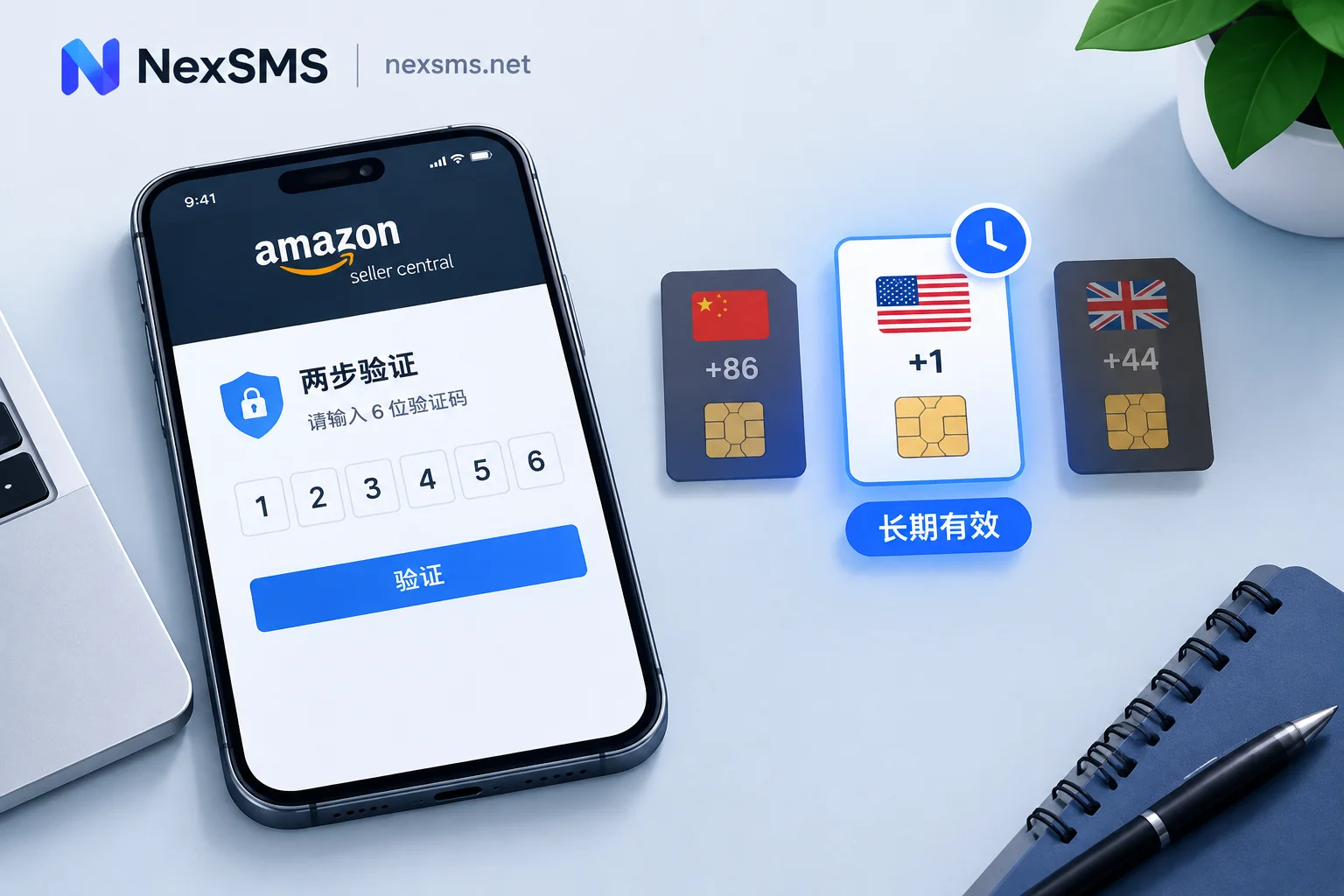
Amazon Seller Central 2SV does not require the phone number's country to match the marketplace; most country codes like +86, +1, +44 are supported. What really matters is whether you can keep the number long-term and receive the same number again. This article covers number selection order, primary/backup binding requirements, and official recovery if the number is lost.
Before Choosing a Verification Number by Country, Confirm These Four Things First
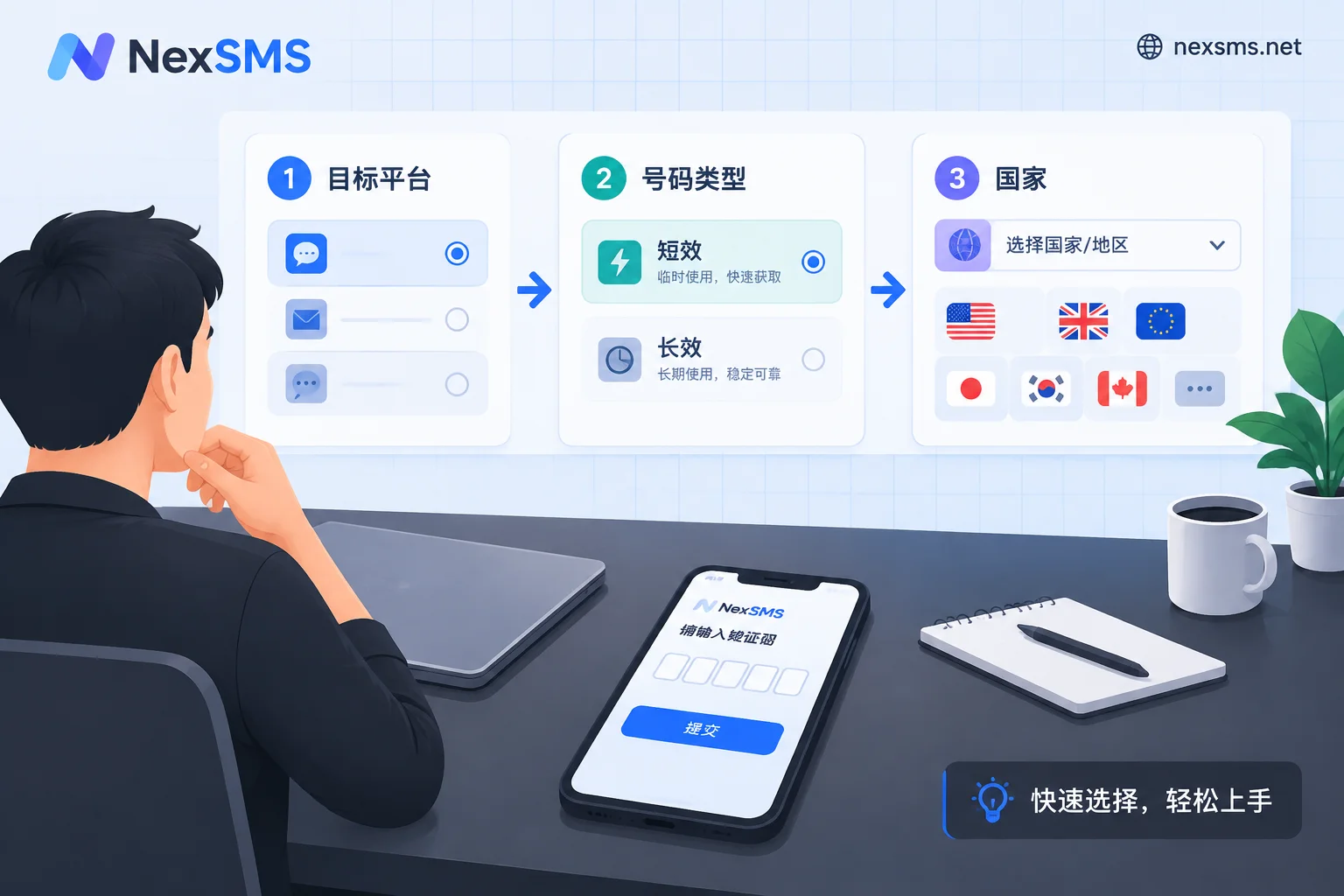
The right order for picking a verification number is not to choose a country first, but to confirm the target platform's supported regions, its restrictions on virtual numbers, the number's underlying line type, and whether you'll need to receive codes again later.
Designing Timeout and Retry for SMS Verification APIs: First Distinguish Request Timeout from SMS Not Arriving
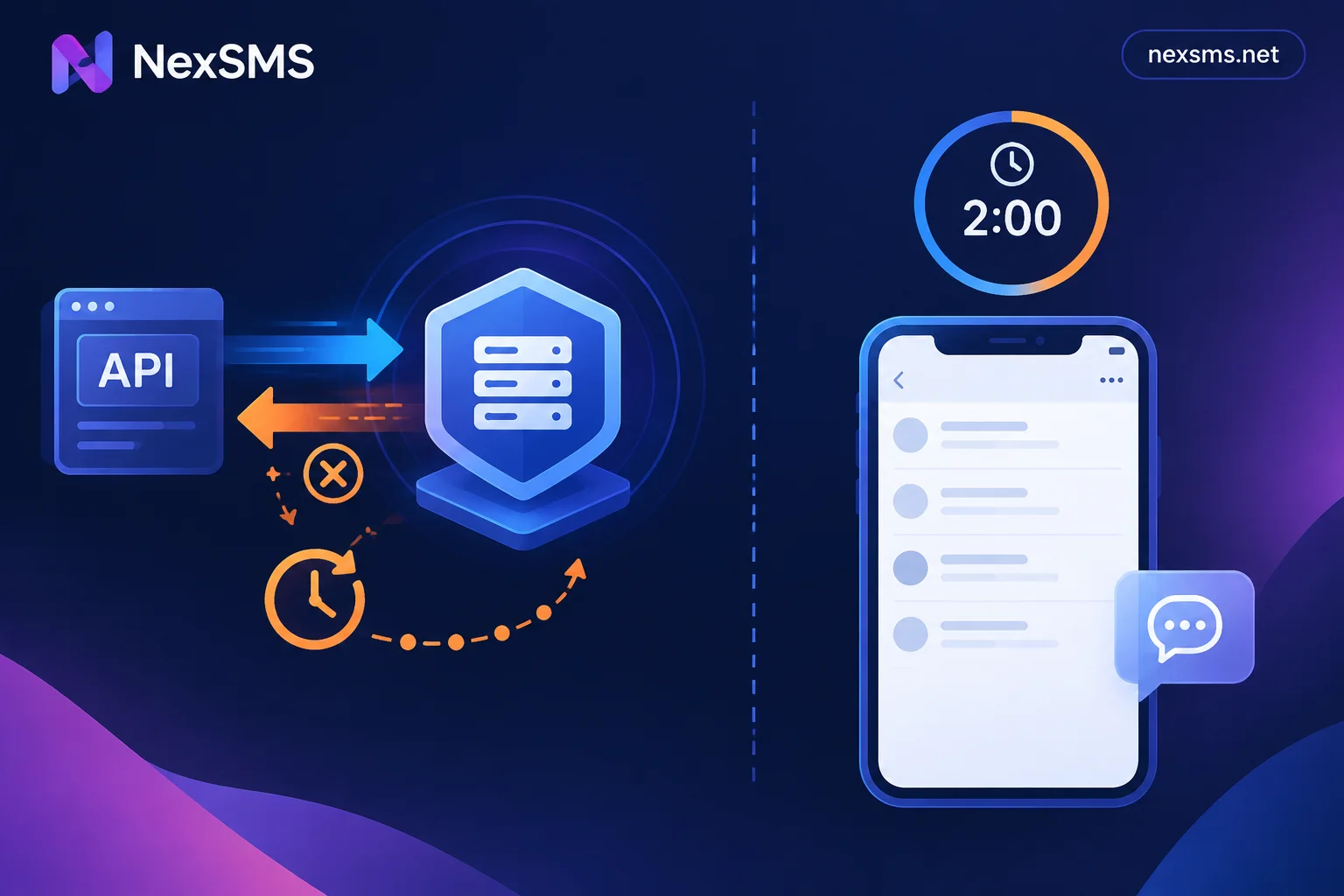
In SMS verification APIs, "timeout" means two things: API communication timeouts require jittered exponential backoff and idempotent retries, while SMS reception timeouts require polling cadence, a total wait window, and explicit order finalization. This article provides actionable polling intervals, wait windows, cancellation timing, and a tiered retry strategy with circuit breaker limits: same-country number change → country change → switch to a real carrier long-term number.
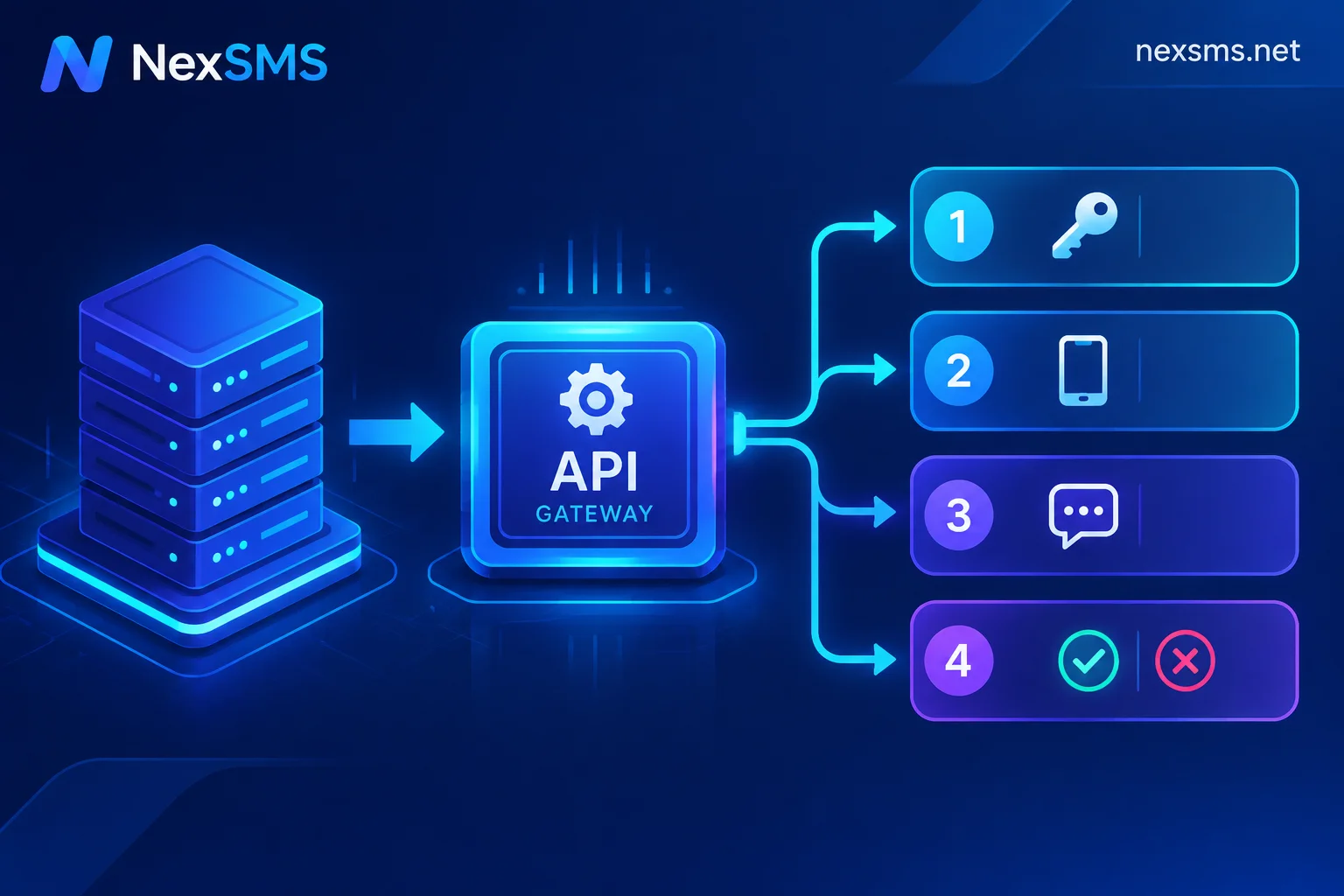
How to Integrate an SMS Verification API: The Complete Call Chain for Getting a Number, Receiving Codes, and Closing the Order
The core of an SMS verification platform API comes down to four actions: authenticate and fetch config, request a number, wait for the code, and complete or cancel—this article walks through each step, including what to store, polling intervals and timeouts, state machine return codes, and how short-lived vs. long-lived numbers change your code structure and fault tolerance.