 NexSms官方博客
In the past six months, SIM swap attacks have evolved again. Previously, scammers relied on social engineering and fake IDs to trick carrier staff into swapping SIMs; now, a few seconds of audio can clone your voice. Any voicemail, social video, or podcast snippet can be replicated by AI tools. Scammers, armed with your name, date of birth, and partial ID numbers (easily bought on the dark web for a few dollars after data breaches), call the carrier. The recipient hears "you," and with eSIM quick transfer, the number is in their hands within five minutes. Your phone suddenly loses signal; bank OTPs, email reset codes, and crypto wallet verifications all go to someone else's device.
Industry case studies show that a 19-year-old attacker used this method to steal tens of millions in crypto assets. Although carriers offer free protections like port freezing and SIM locks, many users haven't enabled them, or even if they have, they can't stop the combination of social engineering and AI. SMS OTPs face more issues: AI-generated smishing messages increasingly resemble real bank notifications, achieving high click-through rates; SMS pumping uses bulk numbers to spam verification interfaces, draining corporate SMS budgets. Global fraud losses from such attacks remain high, and while detection tools improve, attacks also scale up.
Meanwhile, regulators are moving. The UAE requires financial institutions to completely phase out SMS and email OTPs by the end of March 2026, replacing them with in-app authentication or biometrics. The Philippines mandates high-risk transactions to stop using interceptable OTPs by the end of June. The US NIST has officially labeled SMS/PSTN OTPs as "restricted" authenticators. Singapore, Malaysia, Vietnam, and others are enforcing stronger measures for high-risk scenarios. Banks are gradually moving login and transfer verification away from SMS codes because they can't control that channel—SIM swaps, SS7 vulnerabilities, and phishing can all intercept them.
But in daily life, social platforms, shopping sites, tool apps, games, learning platforms, and various SaaS registrations still rely on SMS verification codes. If you use your primary number everywhere, you tie all entry points together. One data leak exposes your number on the black market; one SIM swap compromises a whole chain of accounts. Many people are now withdrawing their primary number from these scenarios—using virtual numbers specifically for verification codes, leaving the primary SIM only for essential communications and already-bound banking apps.
Implementation isn't complex, but details determine success rate.
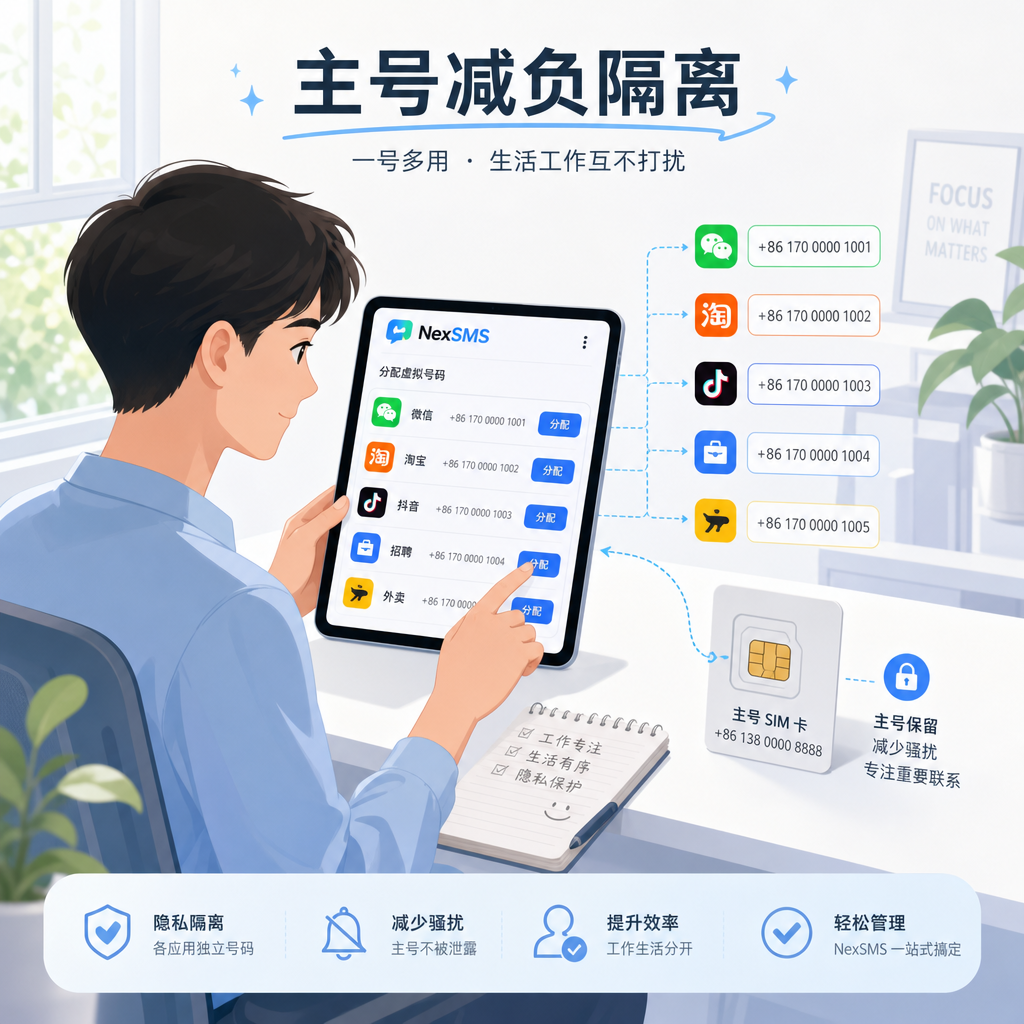
First, "lighten" your primary number. Open all apps on your phone and change the bound phone number wherever possible. Prioritize services that frequently require verification or that you don't use often but have bound your number. Switch banks and payment apps to authenticator apps or hardware keys; turn off SMS 2FA if possible. Don't rely solely on your phone number for email recovery. Keep your primary number only for carrier customer service, family, and scenarios that truly need real-time SMS.
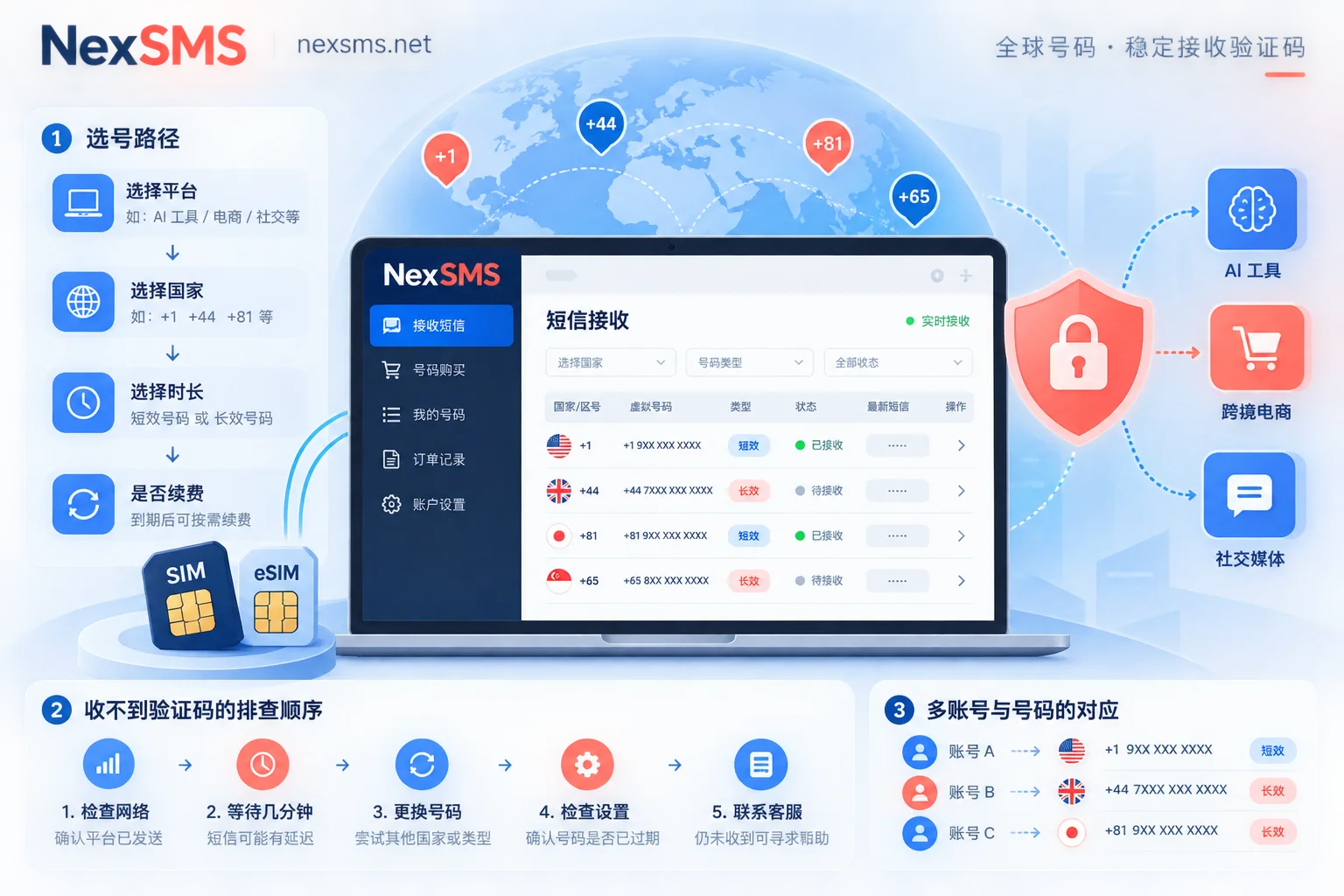
Second, choose your virtual number type carefully. Many platforms block obvious VoIP or short-term public numbers. Prioritize numbers from real carrier channels that support longer rentals rather than disposable ones. Before registering, test on the target platform: select a number in the corresponding country/region, send a verification request, and see if you can receive it instantly. If success rate is low, try a different number segment or platform. Don't be tempted by completely free public pools—SMS there is publicly visible, and others can see your codes, compromising privacy and security.
Third, isolate by scenario. Use different numbers for social, e-commerce, and tool categories, or group by risk level. High-value accounts (e.g., those linked to work email) get a dedicated number; test or temporary registrations use short-term rentals. Complete verification as soon as possible after receiving codes, and don't let numbers sit idle for too long—they might be recycled and snatched by others. If the platform allows, immediately switch 2FA to an app after verification. Regularly check your binding list and clean up unused ones.
Common mistakes abound. First, using one virtual number for all services means a single point of failure. Second, focusing only on price and ignoring channel quality causes key platforms to fail to receive codes, and repeated attempts may trigger risk controls. Third, not cleaning up after verification—expecting to recover accounts after the number expires. Fourth, neglecting carrier-side protection: always enable port freezing or SIM lock on your primary number, even if you rarely use it for codes. Fifth, panicking when signal suddenly drops—it might be a normal SIM swap or network issue, but immediately contact the carrier to confirm and use backup methods to log into important accounts.
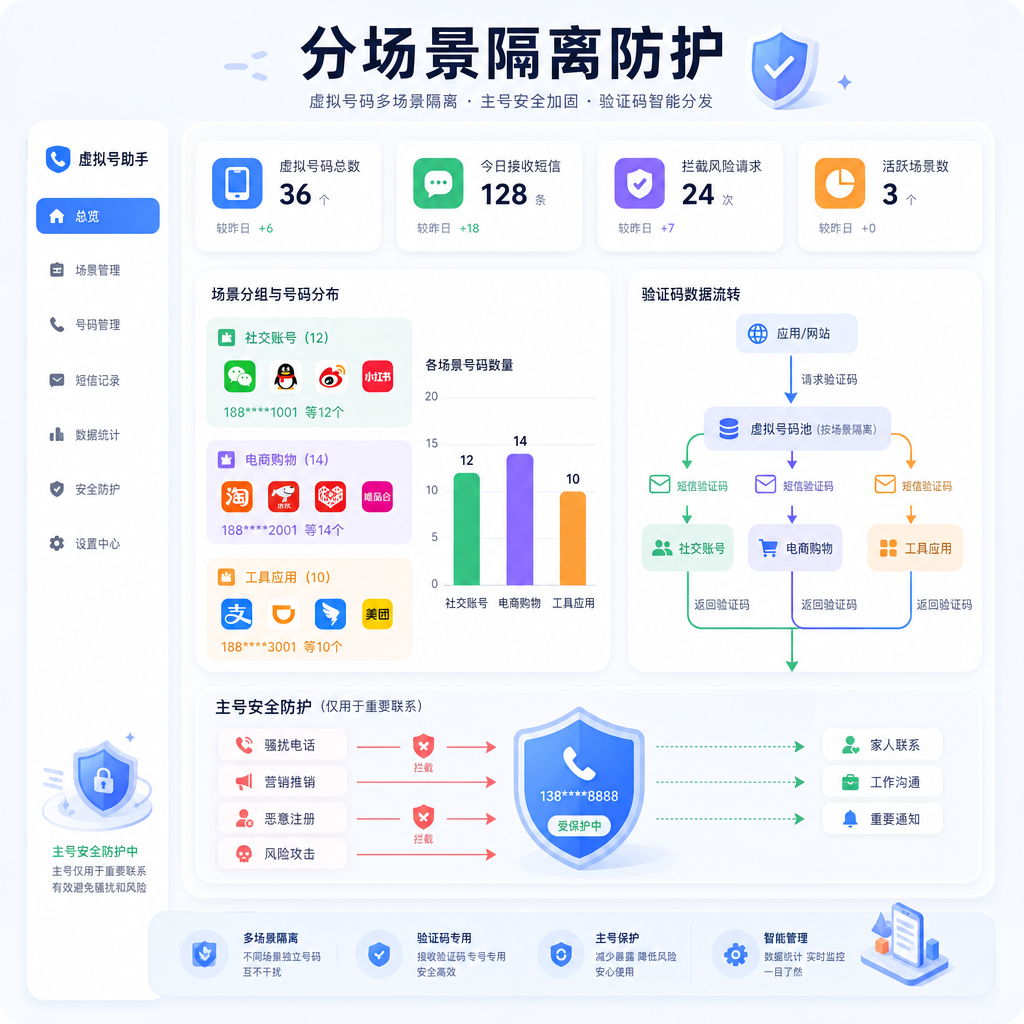
Daily use can be streamlined: when registering for a new service, open your code-receiving tool, select a number, enter it, receive the code, complete the process, record the binding, and switch to 2FA if necessary. Set reminders for long-term number renewals. If a platform strictly checks virtual numbers, try cleaner number segments and match device fingerprints/IP for better success rates.
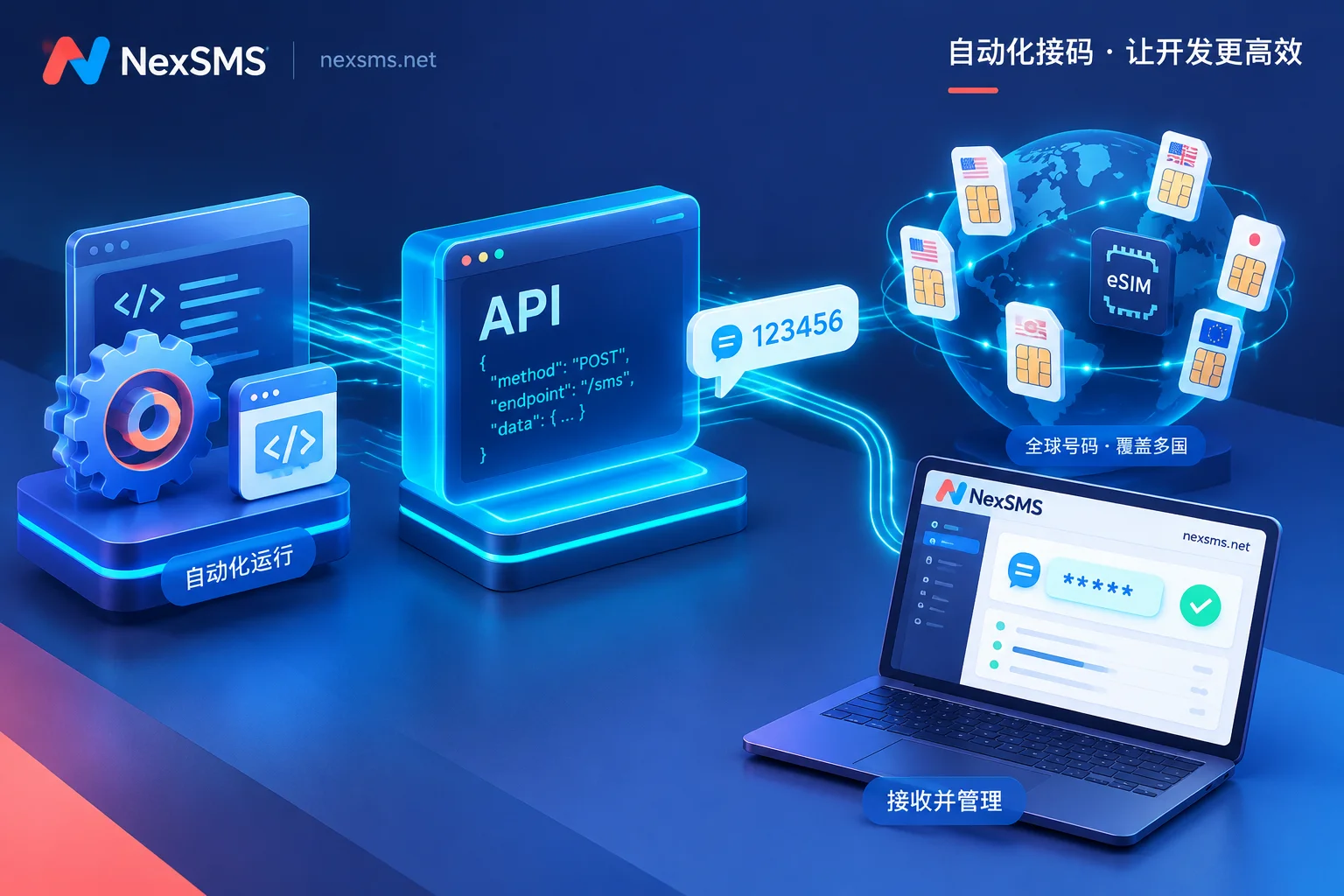
Platforms like NexSMS provide multi-country virtual numbers specifically for receiving SMS verification codes, helping users isolate their primary number. They cover common registration and login scenarios with stable delivery and privacy protection. Using such services for daily verification immediately reduces your primary number's exposure. Even if a SIM swap occurs, losses are contained.
Risk won't disappear, but you can actively reduce your attack surface. AI makes attacks cheaper and faster; regulation makes banks safer; ordinary people can use virtual numbers to completely separate daily verification from their primary number. Let the primary number do only what it needs to do; leave verification codes to dedicated channels. After a few tries, it becomes routine—much easier than dealing with the aftermath. Cultivating these habits will significantly boost your privacy and account security.


Comments(0)