 NexSms官方博客
Phone numbers have almost become permanent digital identity tags. Simply registering for an app, posting a second-hand item, or trying a new service requires handing over your primary number, leading to subsequent spam messages, data cross-matching, and even account takeover risks. Data brokers trade numbers like commodities, making privacy leakage a daily annoyance. Meanwhile, SMS verification codes (OTP) are still widely used but have increasingly apparent vulnerabilities, with regulators in multiple countries pushing for their elimination. Temporary virtual numbers fill this gap perfectly, allowing you to complete verification without exposing your primary number.
A temporary virtual number is a short-term usable active line. It can receive SMS verification codes normally, and some even support calls. After use, it can be deactivated or released, not permanently linked to your real identity. Unlike shared free SMS receiving websites, a dedicated temporary number's inbox is only visible to you, free from strangers' spam or abuse. Its popularity in 2026 stems from a simple reason: online services require more verification, yet users are increasingly reluctant to tie their primary numbers everywhere. Data minimization has become a consensus—only provide necessary information, and temporary numbers fit perfectly.
Risks on this front cannot be ignored. The biggest issue with SMS OTP is SIM swapping. Attackers purchase your name, birthday, and last four digits of your Social Security number from leaked data, then call your carrier impersonating you. Previously, they needed acting skills; now, AI voice cloning can achieve this with seconds of audio—your voicemails, short videos, or podcast clips suffice. Combined with eSIM, number transfer takes minutes. Your phone suddenly loses signal, and the attacker has taken over all accounts tied to that number: email resets, bank OTPs, crypto wallets, cloud services—all potentially lost. SMS itself is unencrypted, SS7 network vulnerabilities make interception feasible, and there are methods using fake SMS to trick you into handing over verification codes. For businesses, there is also SMS pumping: attackers target open sending interfaces, bombarding verification codes to numerous numbers (sometimes high-cost routes they control), skyrocketing your SMS costs while real users cannot receive codes. One startup team saw their balance depleted within two days, forcing a temporary shutdown of the feature.
Regulation is also accelerating. The US Patent and Trademark Office, FINRA, and other agencies have set timelines to phase out SMS authentication; the Reserve Bank of India plans to fully eliminate payment-related SMS OTP; financial regulators in Singapore and Malaysia are pushing banks toward more secure methods. Global expenditure on SMS OTP is enormous, with hidden costs from fraud and delivery failures even higher. Many companies are shifting to passkeys, encrypted messaging channels, or authenticator apps. But during this transition, many social, e-commerce, and utility apps still rely on SMS verification. Here, temporary numbers become a practical buffer for individual users.
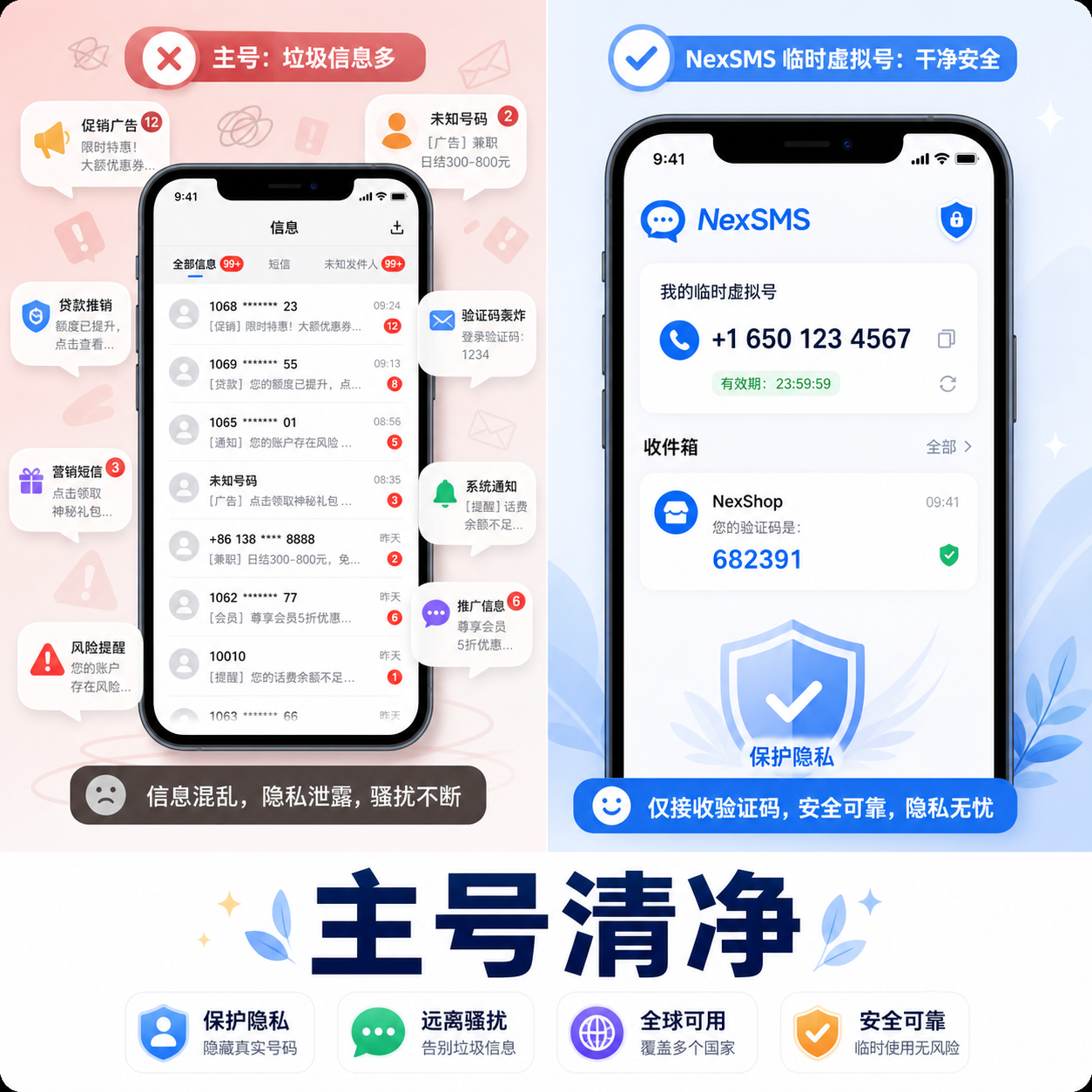
Real-world scenarios abound. When selling second-hand items, leave a temporary number in the ad; after the deal, deactivate it, sparing your primary number from tire kickers and follow-up promotions. When trying a dating app for the first time, register with a temporary number and decide later whether to exchange real contact info. For signing up for online events or conferences, all subsequent marketing SMS goes to the temporary number, keeping your primary number clean. When a service requires a local number from a specific country, quickly obtain a corresponding virtual number. Separate work and life by creating a second social account without buying a second physical SIM. When testing new tools or apps under development, use a temporary number to isolate verification, avoiding contamination with real user data.
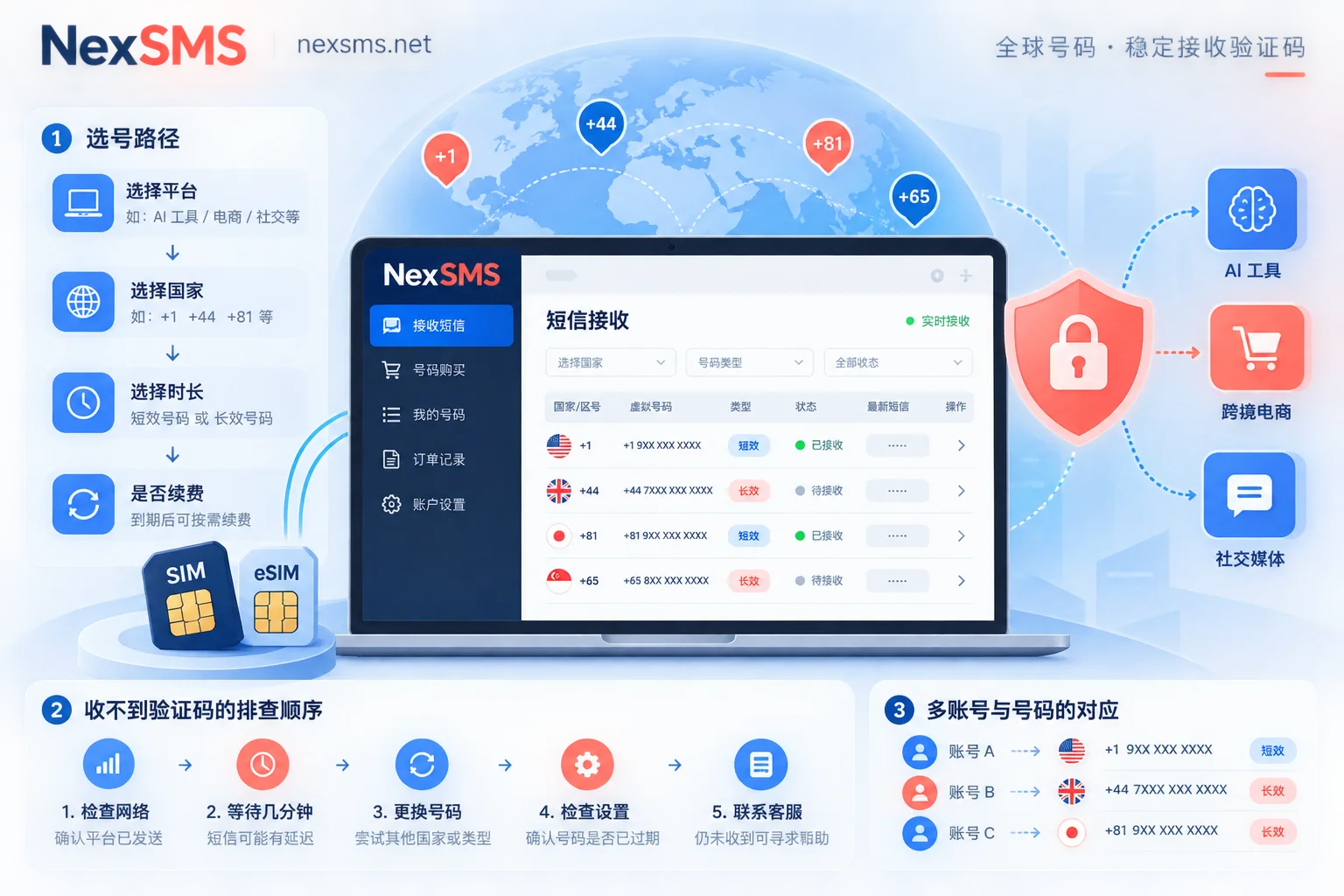
For smoother operation, start by choosing a reliable SMS receiving service. Platforms like NexSMS cover numbers from multiple countries, focus on SMS verification scenarios, offer fast receiving speeds and strong exclusivity, ideal for short-term temporary windows. After registration, select a country based on the target platform—many international services are more receptive to US, UK, or European numbers, significantly improving success rates. Once you have the number, fill it in on the registration page; the verification code usually appears quickly on the platform interface. Copy, paste, and you're done. Release it immediately after use or let it automatically expire—don't leave it tied to important accounts for long. Short-window numbers suit one-time verifications; slightly longer ones are good for multiple operations over a few days.
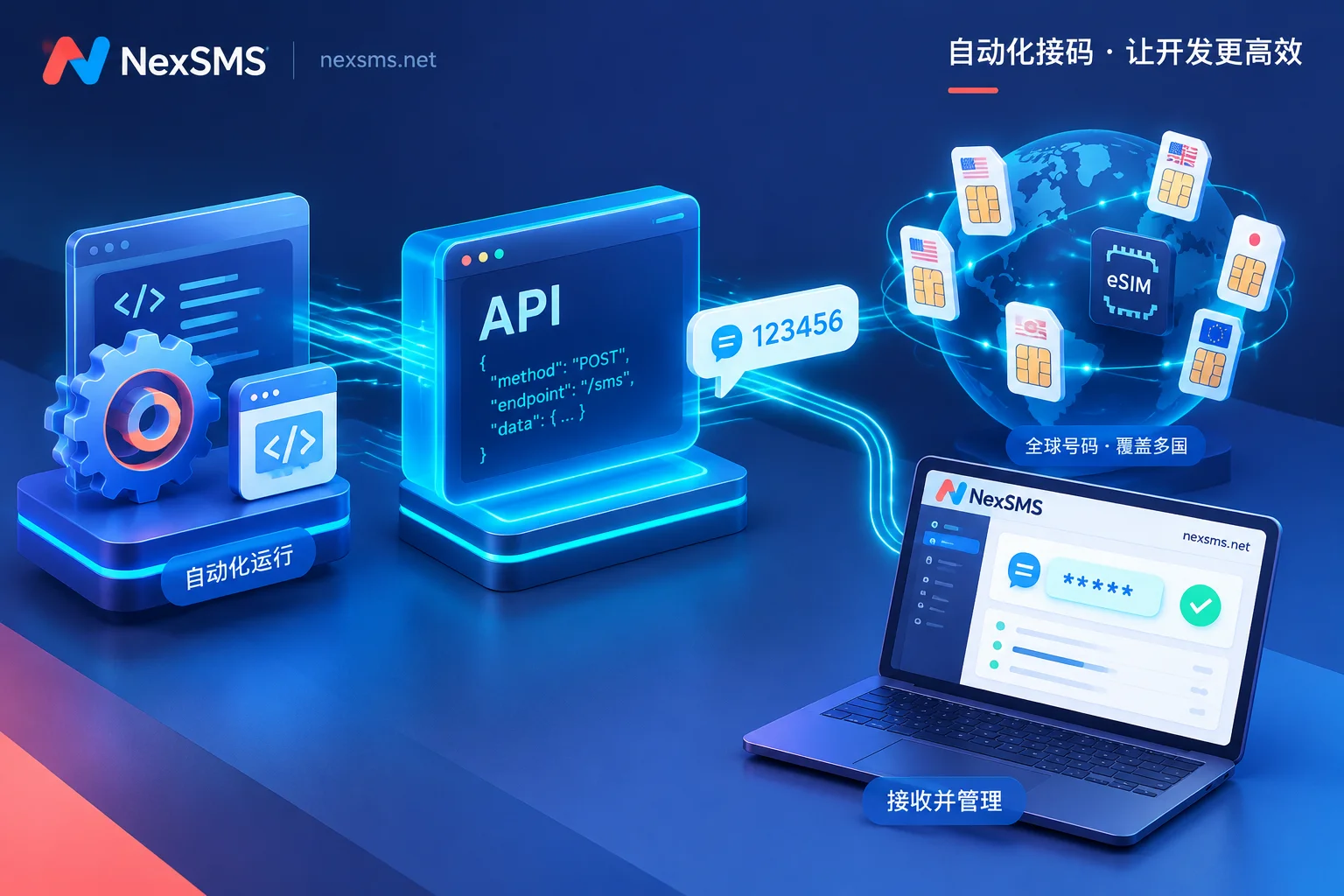
Avoid common pitfalls. Free shared numbers may seem convenient, but they are often flagged as high-risk VoIP or already abused, leading to direct verification failure, and others might peek at your codes. Never use temporary numbers for banks, government portals, or core services requiring long-term identity binding—they often reject virtual lines. Don't use the same number repeatedly on the same platform, as it may trigger risk controls. Combine with other protections: add SIM locks or number transfer freezes (often free) with your primary number carrier, switch 2FA to authenticator apps or hardware keys, and never make your primary number the sole recovery method for email or banks. When developers test OTP, remember to add IP and number rate limits, verification code intervals, frontend CAPTCHA, and consumption anomaly alerts to block pumping at the source.
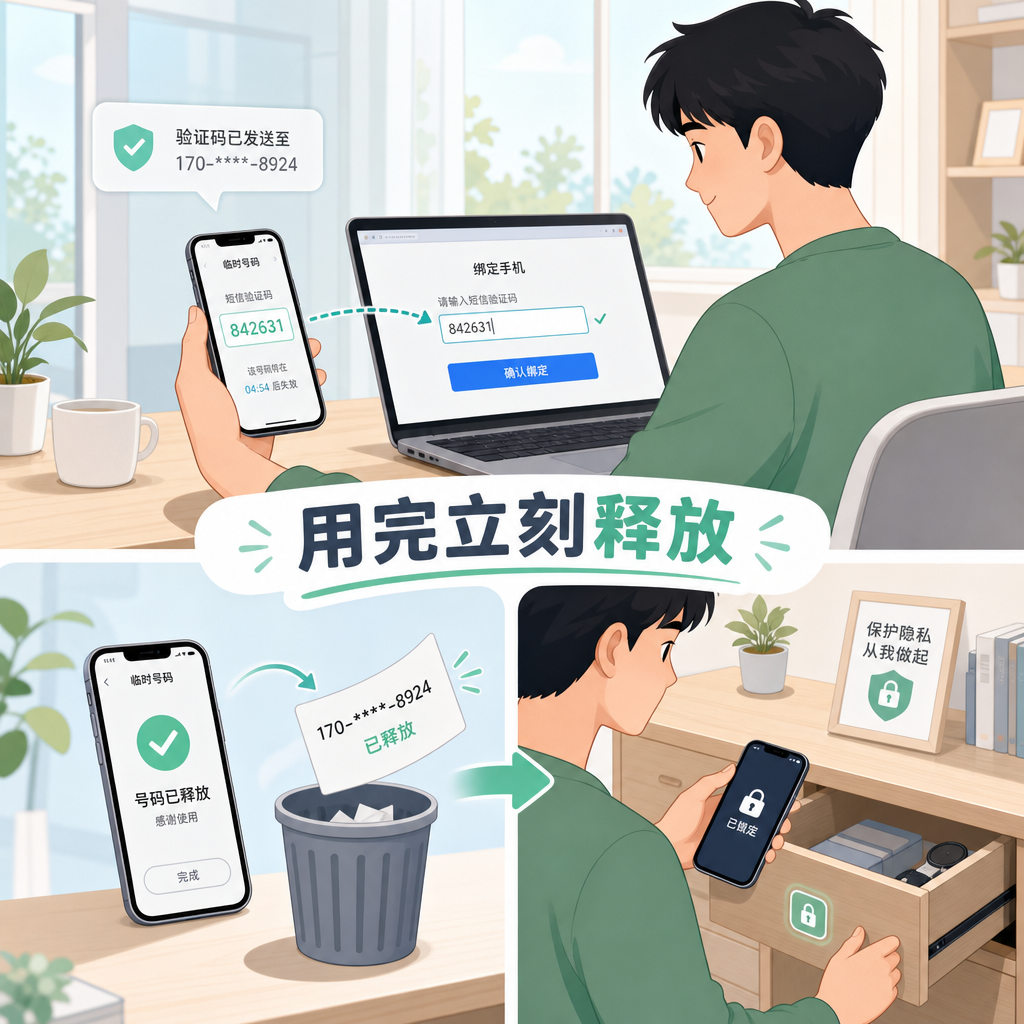
NexSMS's general capabilities exactly meet these needs: multi-country instant numbers, privacy-first receiving process, and flexibility for short-to-medium term verification. You don't need to expose your primary number for one-time needs, nor worry about interference from shared pools. When selecting numbers, try different countries or types; some strict platforms are more friendly to non-VoIP numbers. It's best to test with a small amount first. Record usage for later troubleshooting.
Treat your primary number as a long-term asset and temporary numbers as consumable tools. Verification needs won't disappear soon, but privacy risks are escalating under AI and data trading. Cultivate this habit, and daily registration, short-term testing, and scenario isolation become much easier, keeping your primary number clean and safe. Try it once and you'll see: fewer hassles, more peace of mind.


Comments(0)