 NexSms官方博客
SMS verification codes are convenient, but the risks are growing. SIM card hijacking, man-in-the-middle interception, and carrier vulnerabilities are nothing new. Once an attacker controls your main number, they can obtain OTPs for banking, email, and social accounts, completing a takeover within minutes. Regulators are also tightening policies; many regions have classified SMS OTP as a restricted authentication method, requiring more phishing-resistant alternatives. Tying too many services to your personal main number is like hanging all your keys on the same door.
Virtual numbers are perfect for isolation. Separate everyday registrations, multi-account operations, and test verifications from your main number, leaving only essential services on the latter. Local virtual numbers can also help businesses build regional trust—customers see a local area code, answer rates increase, and local SEO signals improve. Even if you're not in that city, the number still works, routing calls and SMS via the internet.
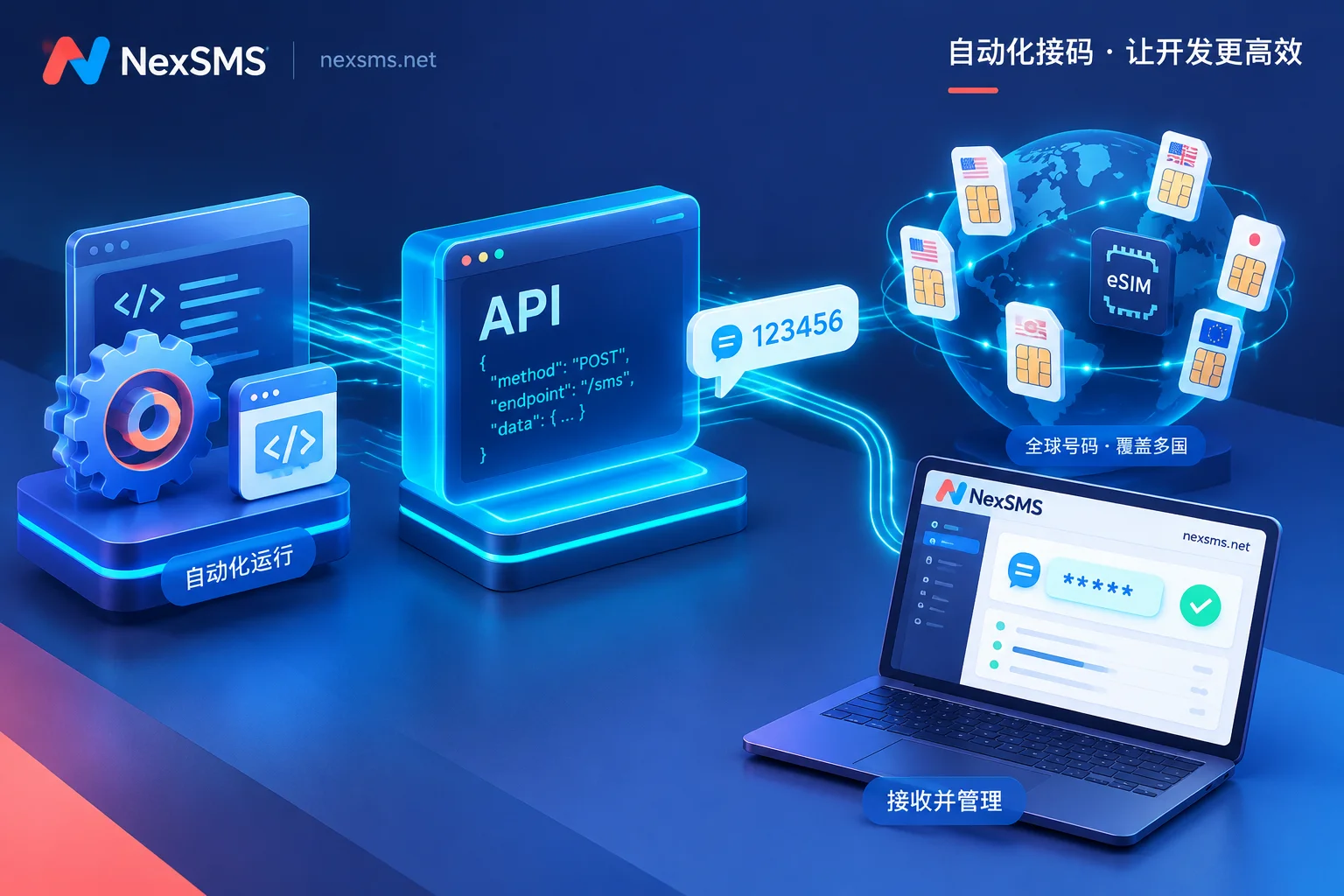
Recently, a practical approach worth trying: use an AI voice agent to handle voice verification codes, thereby obtaining more stable virtual numbers. Many services offer a "call to read the code" option. When the AI agent receives the call, it stays silent, listens only, and transcribes the digits spoken by the robot one by one. The core configuration is simple: clear the default instructions, and set it to "stay completely silent after answering, only listen and accurately repeat the verification code digits, do not interrupt, do not hang up first." Disable the welcome message, and deploy. Use the number assigned to the agent, select "use phone call" on the service that supports voice verification, wait for the AI transcription to appear in the conversation log, and fill in the code to complete.
This trick is especially useful for bypassing SMS-only restrictions. For example, to apply for a long-term US virtual number capable of sending and receiving SMS, using voice as the primary verification method will greatly increase success rates. Watch out for these pitfalls: it only works for services that support voice code reading; pure SMS verification still won't work. The account and IP should ideally match the target region. Don't use this for bulk gray-market activities; you'll get banned. Transcription accuracy is stable with clear robot voices; heavy accents or background noise may require retries.

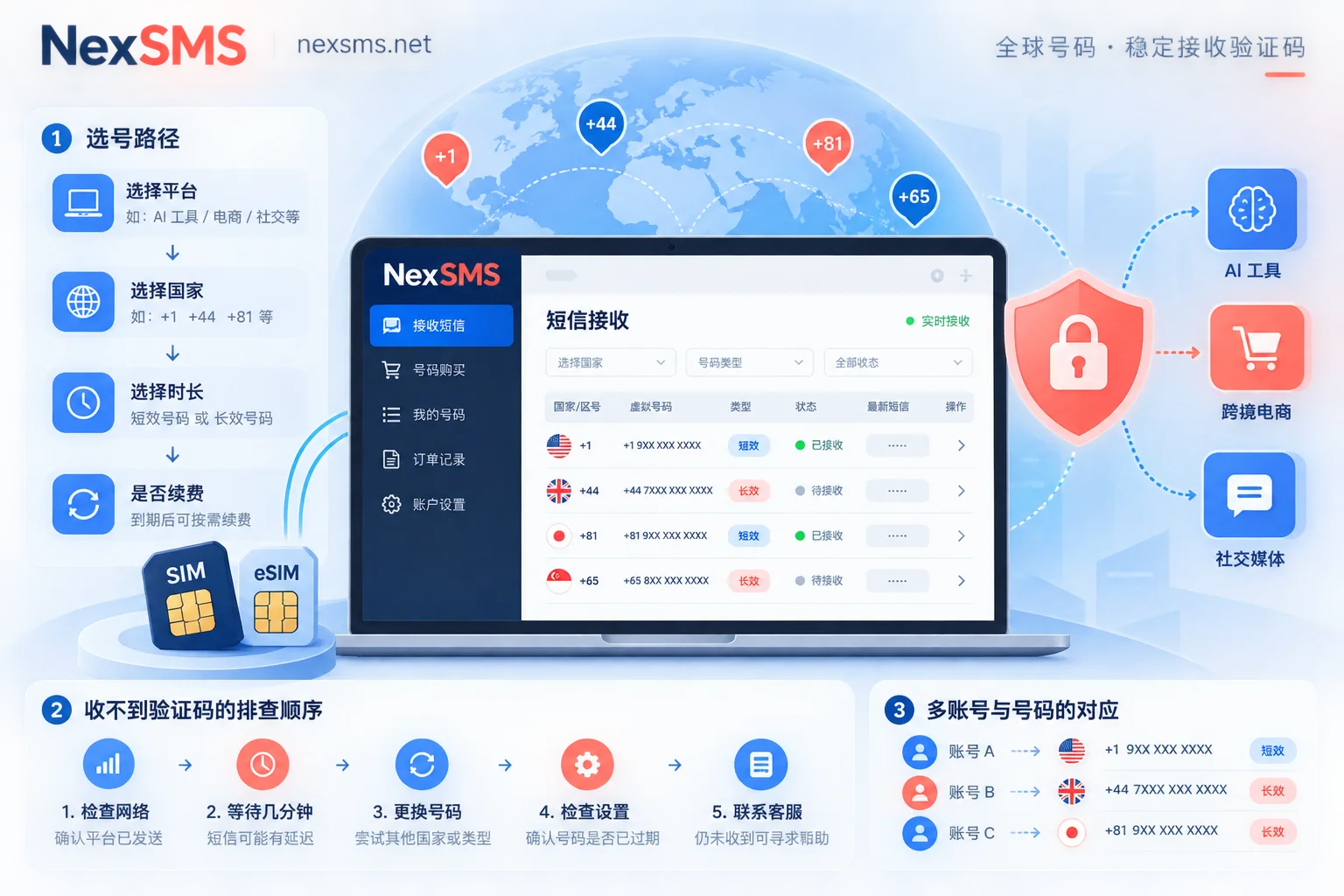
Once you have a stable virtual number, how to use it smoothly? Assign a dedicated number for high-value accounts, never expose it, and don't link it to social profiles. For other registrations, temporary verifications, and multi-platform testing, use temporary or rotatable virtual numbers. In business scenarios, directly display local virtual numbers on your website, Google Business, and ads; customers feel you're nearby. For freelancers or overseas teams, one number manages verifications for multiple services, keeping the main number completely clean.
Common mistakes abound. Some think free public numbers are sufficient, only to find the same number used by many people, leading to blacklisting by platforms, delayed or missing verification codes. Others mix virtual and main numbers, nullifying privacy isolation. Still, others ignore number types—VoIP numbers are easily detected by strict platforms, while non-VoIP or carrier-grade numbers have higher pass rates. Test with small traffic first to confirm stable code reception before large-scale use. When facing strict platform checks, switching country/region numbers, using clean IPs, and controlling registration frequency can improve success rates.
SMS OTP itself remains risky; switch to authenticator apps or passkeys whenever possible. But many services still mandate phone numbers, making virtual numbers a practical solution. When choosing a code-receiving service, prioritize multi-country coverage, real-time reception, number freshness, and privacy isolation. Platforms like NexSMS specialize in providing such virtual numbers, helping you quickly complete various SMS verifications while protecting your main number—it's worry-free.
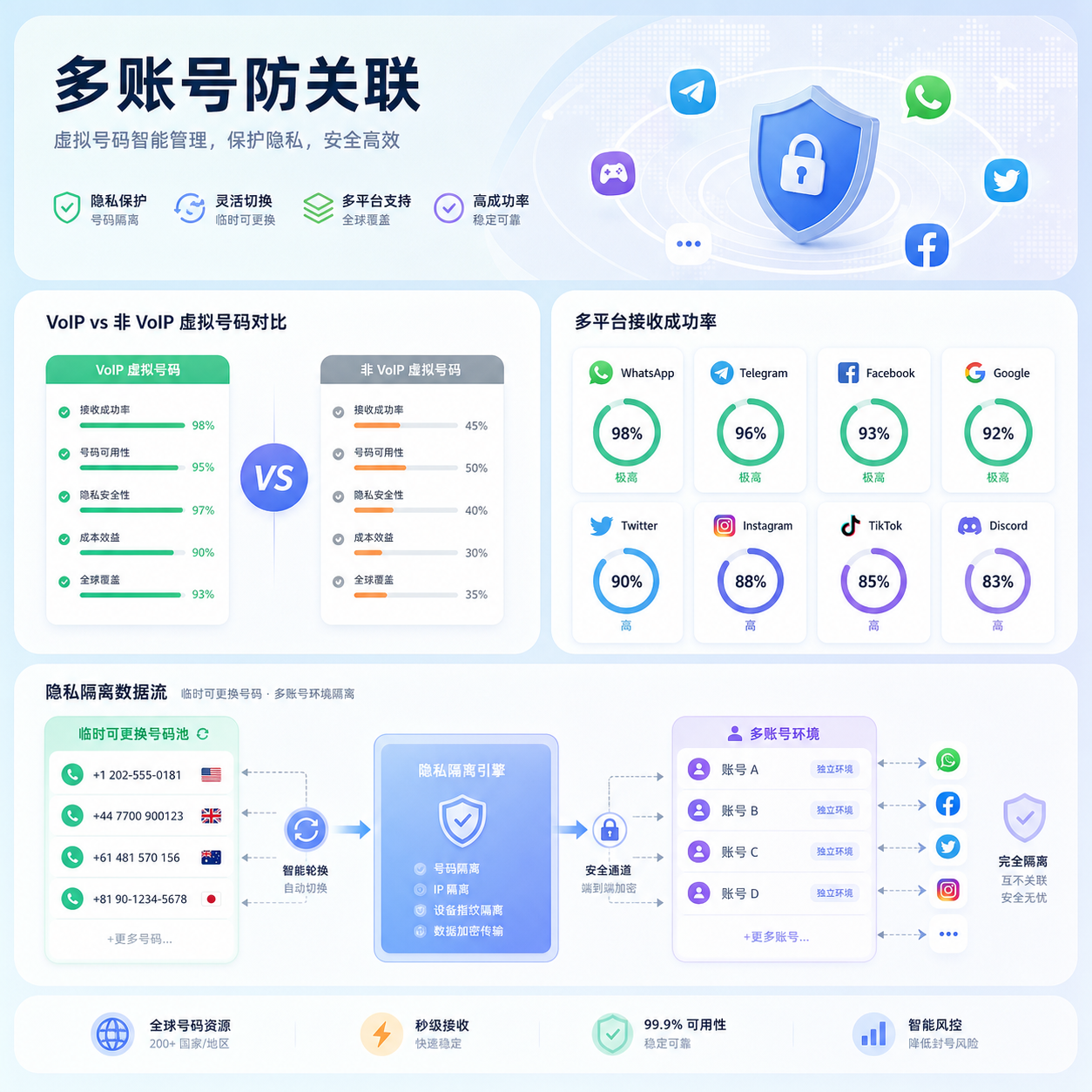
When taking action, first clarify your needs: use disposable numbers for temporary verification, and rent stable numbers for long-term operations. Configure the receiving end, process codes immediately upon arrival, and request resend if timed out. For multiple accounts, assign each to an independent environment to avoid association. Regularly check number status; replace if invalid. Combining this with AI voice lowers the acquisition barrier and makes subsequent maintenance more flexible.
Privacy protection isn't a one-time task. Streamline your main number, layer virtual numbers, and upgrade authentication methods—three prongs together significantly reduce risk. Recently, AI tools have bridged the voice gap, allowing ordinary people to quickly obtain usable virtual numbers. Give it a try; you'll find registration, verification, and operations become much lighter. NexSMS on SMS reception can directly connect, helping you firmly catch subsequent verification codes.


Comments(0)