 NexSms官方博客
Phone numbers are the keys to digital life. Banks, crypto wallets, social accounts, email resets—many critical steps rely on SMS verification codes. The problem is that this chain has inherent weaknesses. Attackers don't need to crack passwords; they just need to take over your number.
The most common method is SIM card swapping, also known as SIM swapping. Attackers first piece together your identity details from leaked data, social media, or public information, then call your mobile carrier, pretending to be you, claiming your phone is lost or you need a new SIM card. Once successful, your number is transferred to a SIM they control. Your signal suddenly drops, and they start receiving your verification codes. Password resets, login confirmations, transaction confirmations—all intercepted. Once your email is compromised, other accounts fall like dominoes. Crypto assets, bank accounts, social accounts are prime targets. SMS OTP is better than plain passwords but vulnerable to this attack because it relies on the carrier network and physical SIM binding.
Virtual numbers can cut this attack chain. They are not tied to a physical SIM card but are cloud-hosted numbers that route SMS and calls over the internet. There is no traditional SIM-IMSI mapping at the carrier, so attackers cannot socially engineer the carrier to "swap" the card. Your main number continues to work normally, while verification scenarios are all switched to the virtual number. The main number is removed from public registration and potential leak chains. For many daily registrations, promotional giveaways, and temporary accounts, you can use a virtual number to receive codes and then discard it or rent it short-term, keeping your real number hidden. This way, even if a service is breached, attackers cannot obtain your main number for swapping.
However, virtual numbers vary. Many platforms perform strict checks on the number's line type. VoIP or unknown type numbers are often flagged as high-risk; verification codes may not be sent, or they fail validation. The truly useful ones are numbers that appear as MOBILE type with real carrier names. They use normal A2P SMS routing, stable latency, and match devices and network signals better, resulting in significantly higher pass rates. Free shared temporary numbers are often from VoIP pools, used by many people, with low reputation, easily blocked, and may bring privacy risks. For long-term or high-frequency use, prioritize non-VoIP numbers with some usage history.
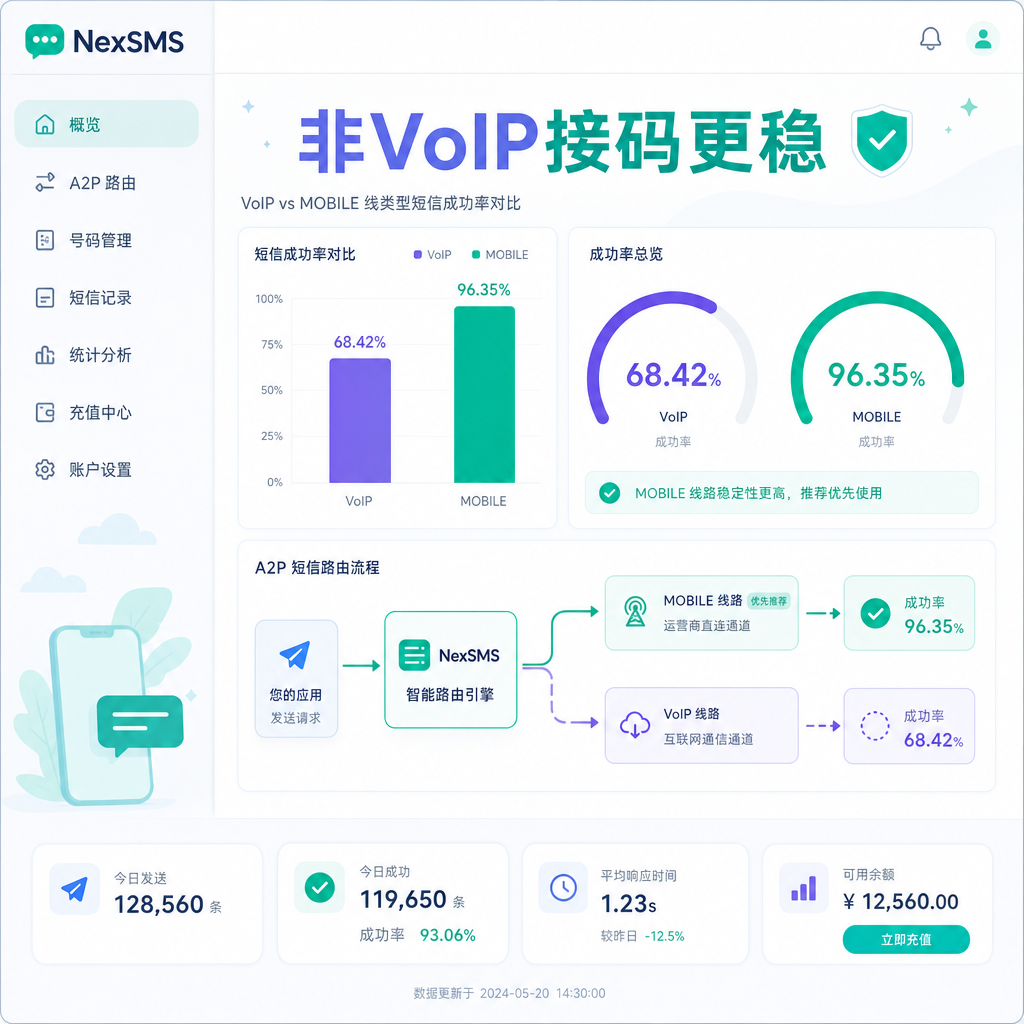
Practical steps: First, confirm the need—one-time registration or long-term login codes? For one-time, rent a short-term number and discard after use. For long-term, choose a renewable number. Before registration, use phone verification API or related tools to check the line type, ensuring it's MOBILE not VOIP. Keep the network stable, avoid frequent IP changes, especially within the verification window. If verifying on an app, ensure device signal and number type are consistent. Use the code immediately after receiving it. For high-value accounts (crypto, bank, primary email), layer additional app authenticator or hardware key, with SMS as backup only.
Common pitfalls: Choosing free shared numbers for cheapness—platforms detect recycled number ranges and block them. Binding too many services to one number—if a service's risk control is triggered, it affects other accounts. Ignoring the privacy of the number—some services record usage history. Resending codes repeatedly after failure, triggering risk control. Proper approach: switch to a clean number range and retry, or try voice verification channel (some platforms block SMS but voice remains).
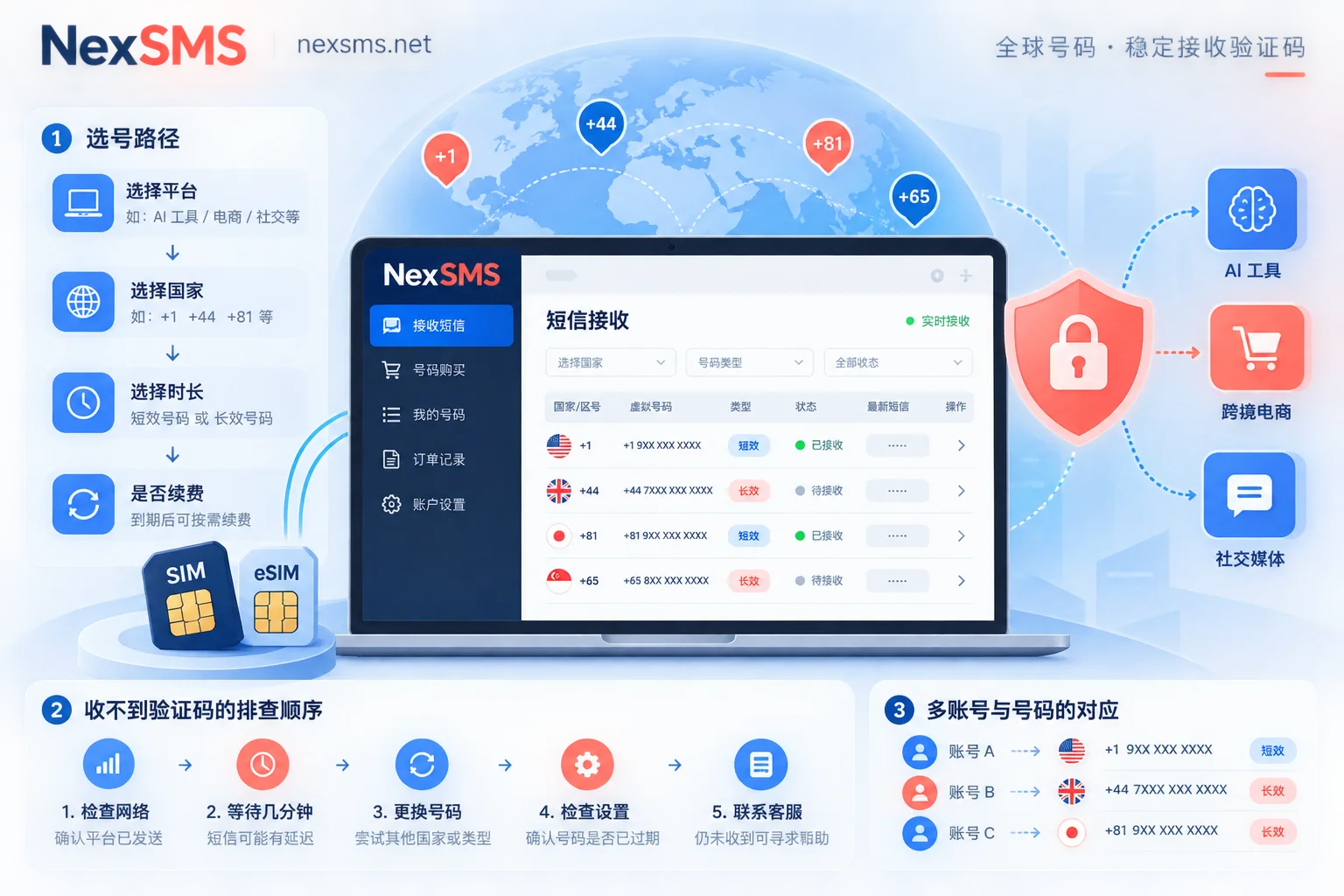
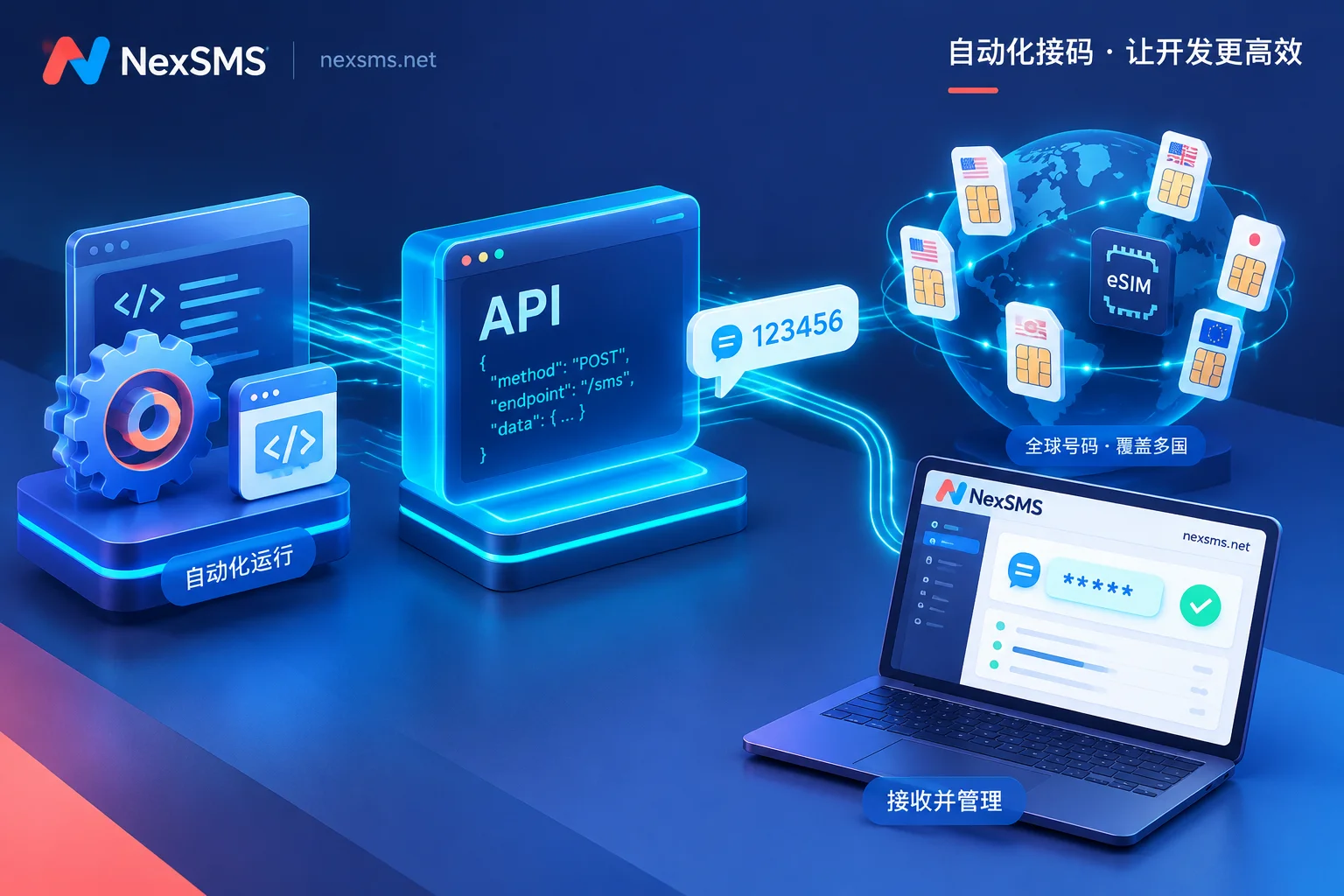
In daily scenarios, social multi-accounting, cross-border service registration, temporary shopping sites, AI tool trials—all ideal for isolating with virtual numbers. Keep the main number only for family, core banking, and carriers. Platforms like NexSMS (a SMS verification platform) specialize in such virtual number services, supporting multiple country number ranges for receiving verification SMS, hiding your main number while improving actual SMS stability. When choosing, check if it emphasizes non-VoIP or real mobile type, if API supports batch operations, and if numbers can flexibly switch between short-term and long-term.
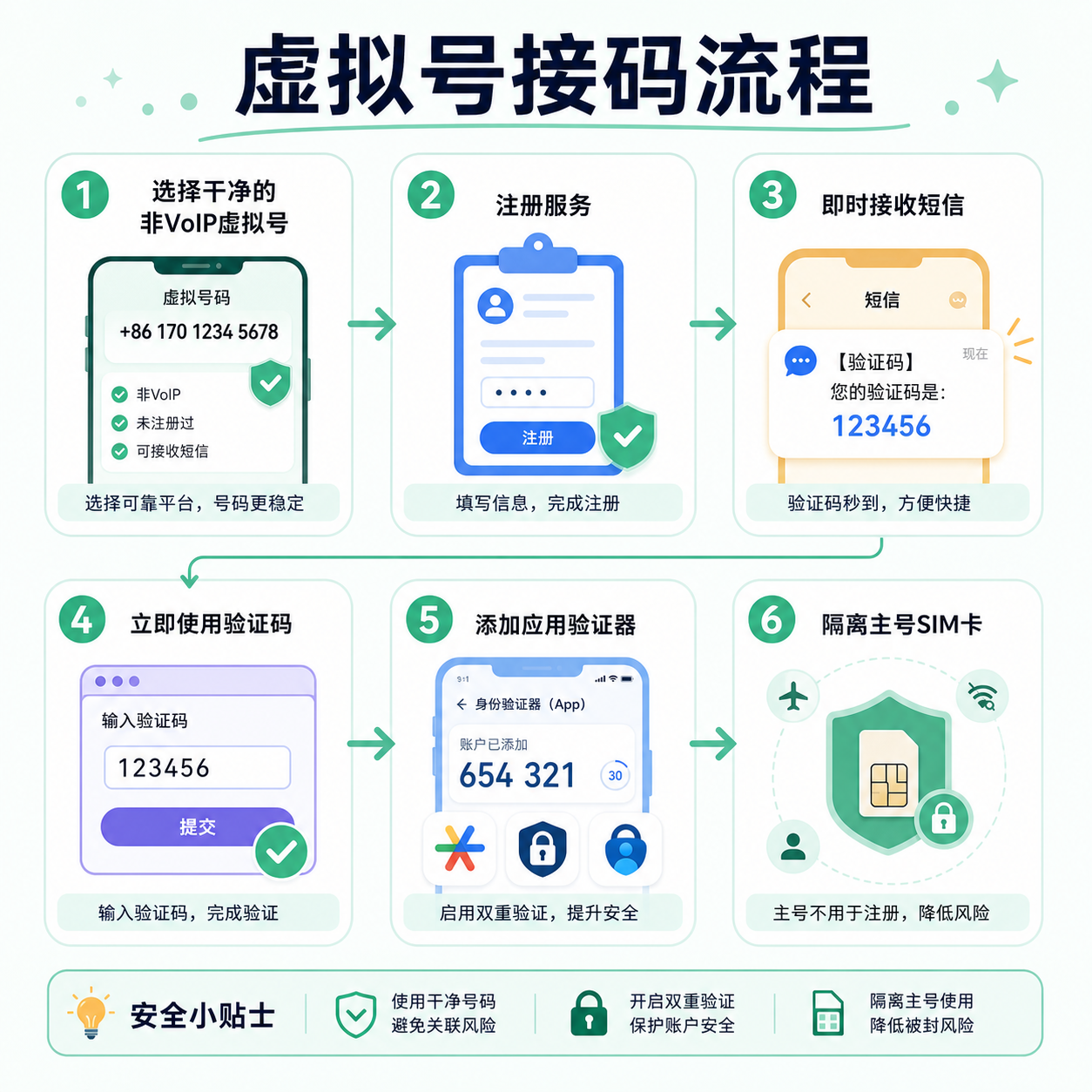
Tips: When registering for new services, prioritize virtual numbers. If old accounts still use the main number, migrate gradually when possible. When traveling or switching devices, virtual numbers don't rely on local SIM, just WiFi. If a number stops receiving codes, don't persist, switch to a new one. Periodically check if the main number is still bound to unnecessary services, unbind if possible.
Security is not a one-time fix. Carriers now offer number locks, port PINs, etc.; enable them for your main number. But the most worry-free approach is to not expose the main number in non-essential verification scenarios. Virtual numbers turn SMS verification from a "high-risk single point" into a "controllable isolation layer." Combined with non-VoIP choices and basic habits, SMS success rates improve, and the exposure surface for SIM swapping shrinks. Next time you register or log in, think: do I really need to use my main number for this code? Replace the answer with a virtual number, and many troubles are avoided.
Tools like NexSMS make acquisition and usage straightforward, suitable for daily privacy protection and multi-scenario verification. The key is to control usage boundaries: use temporary numbers for temporary use, layer stronger authentication for important accounts, and never expose the main number easily. This way, the old SMS chain can continue to be used with peace of mind.


Comments(0)