 NexSms官方博客
When registering for overseas apps or binding cross-border services, many users face the headache of verification codes. Even after entering the correct number, the system may fail to deliver the SMS, or the account gets locked immediately after registration. With the rise of cross-border businesses and multi-account management, SMS verification has become a necessity for protecting privacy or bypassing geo-restrictions.
On July 22, 2026, SMS verification service provider SMSFAST released its latest global operational data, showcasing a technical model covering nodes in over 190 countries with a 96.4% delivery rate. On the same day, security analysis firms PVAPins and SecurityWeek published analyses on virtual number routing and verification code interception risks. These latest developments indicate that as platforms enforce increasingly stringent risk control systems, blind trial and error not only wastes costs but may also trigger account risks. Mastering a clear set of selection criteria is key to improving verification success rates.
The Three Core Channel Types for SMS Verification
The underlying mechanisms of different SMS solutions vary greatly, directly determining their applicable scenarios and success rates. When choosing an SMS solution, you typically need to distinguish among the following three main number channels:
- Public Shared Channels: All received verification codes are displayed on a public page. While the barrier to entry is low, frequent use by multiple people on the same platform easily triggers risk control, making these suitable only for temporary testing without sensitive information.
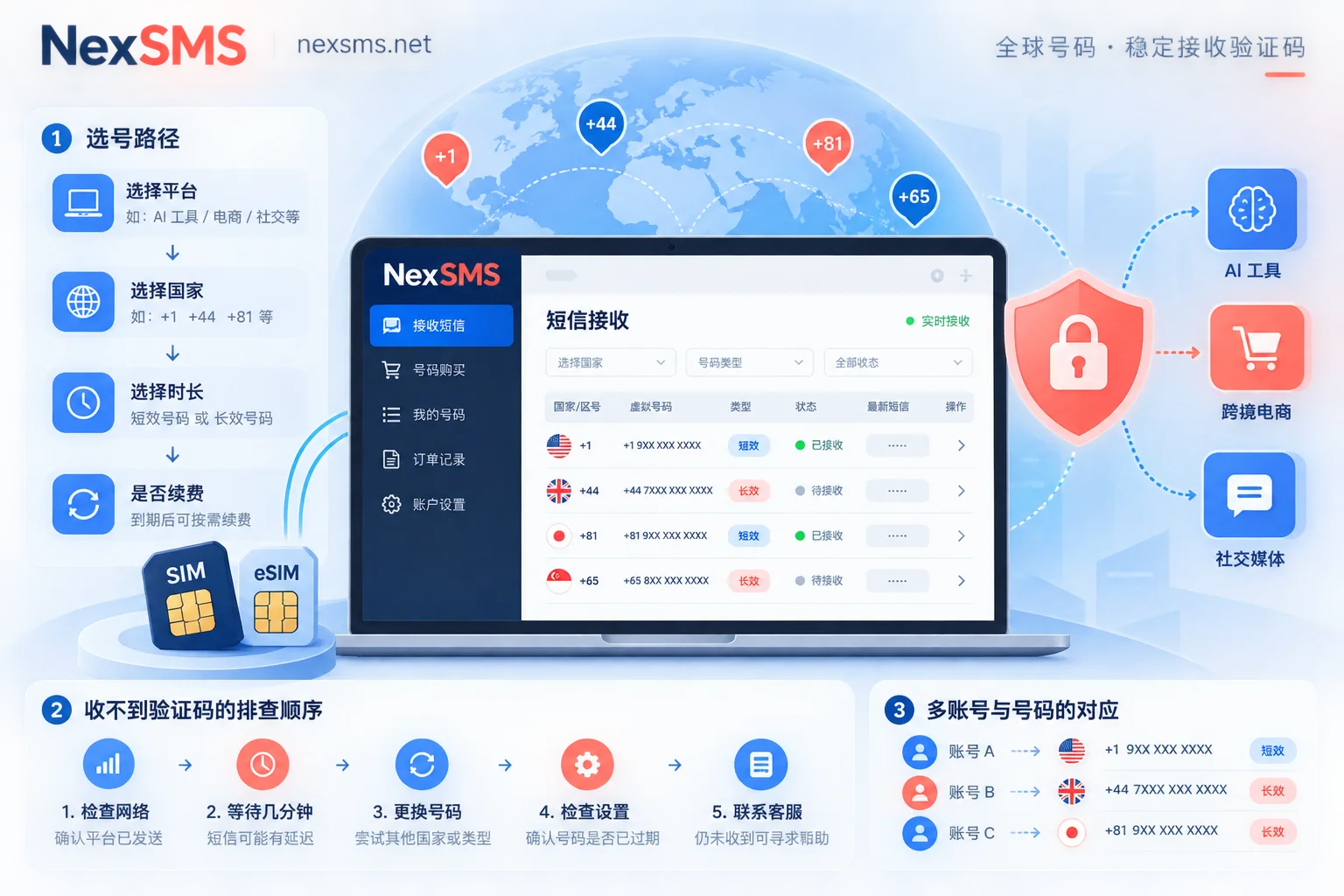
- Single-use Temporary Activation Channels: Users exclusively occupy the number within a specific time window (usually 20 to 90 minutes) to complete the initial registration for a particular service. This option is low-cost and prevents subsequent tracking.
- Long-term Exclusive Rental Channels: Users maintain exclusive use of a fixed number for days to months. For accounts that require periodic two-factor authentication, password recovery, or maintenance of sensitive assets, these channels provide sustained stability.
Criteria for Distinguishing Carrier Numbers from Virtual Numbers
Before sending verification codes, risk control systems often identify the underlying attributes of the number. This is one of the most critical dimensions affecting success rates.
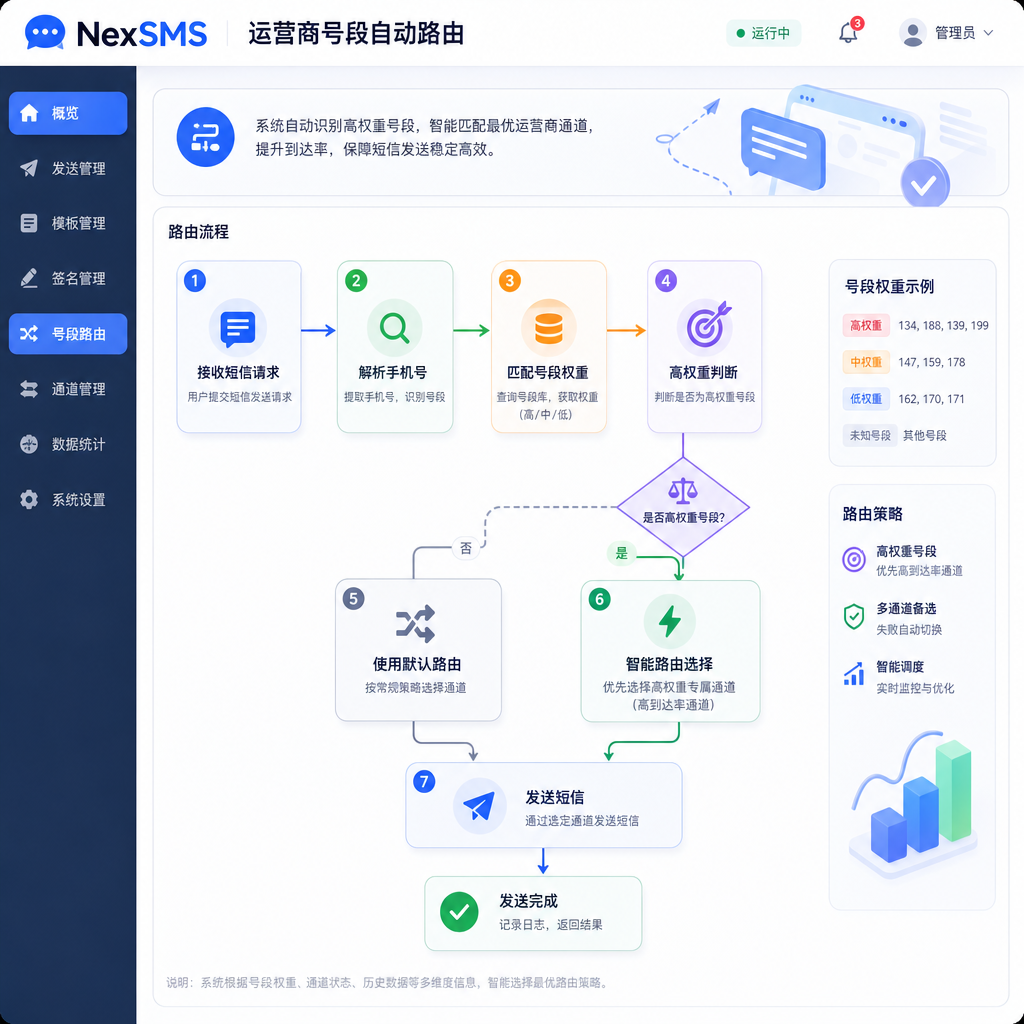
Voice over IP (VoIP) numbers are software-generated, low-cost, and easy to obtain. However, many mainstream social platforms and financial applications actively block VoIP number segments, directly refusing to send verification codes to them.
In contrast, physical number segments issued by real Mobile Network Operators (MNOs) carry high trust weight in risk control identification. For example, when NexSMS connects to global nodes, it prioritizes high-weight carrier number segments, significantly reducing the likelihood of direct rejection by target platforms. When selecting a solution, it is crucial to understand whether the service provider has routing capabilities for real carrier number segments.
Settlement Guarantees and Automatic Refund Mechanisms
Verification codes not being delivered is the most common pain point. If a platform charges fees even when no code is received, costs can quickly spiral out of control.
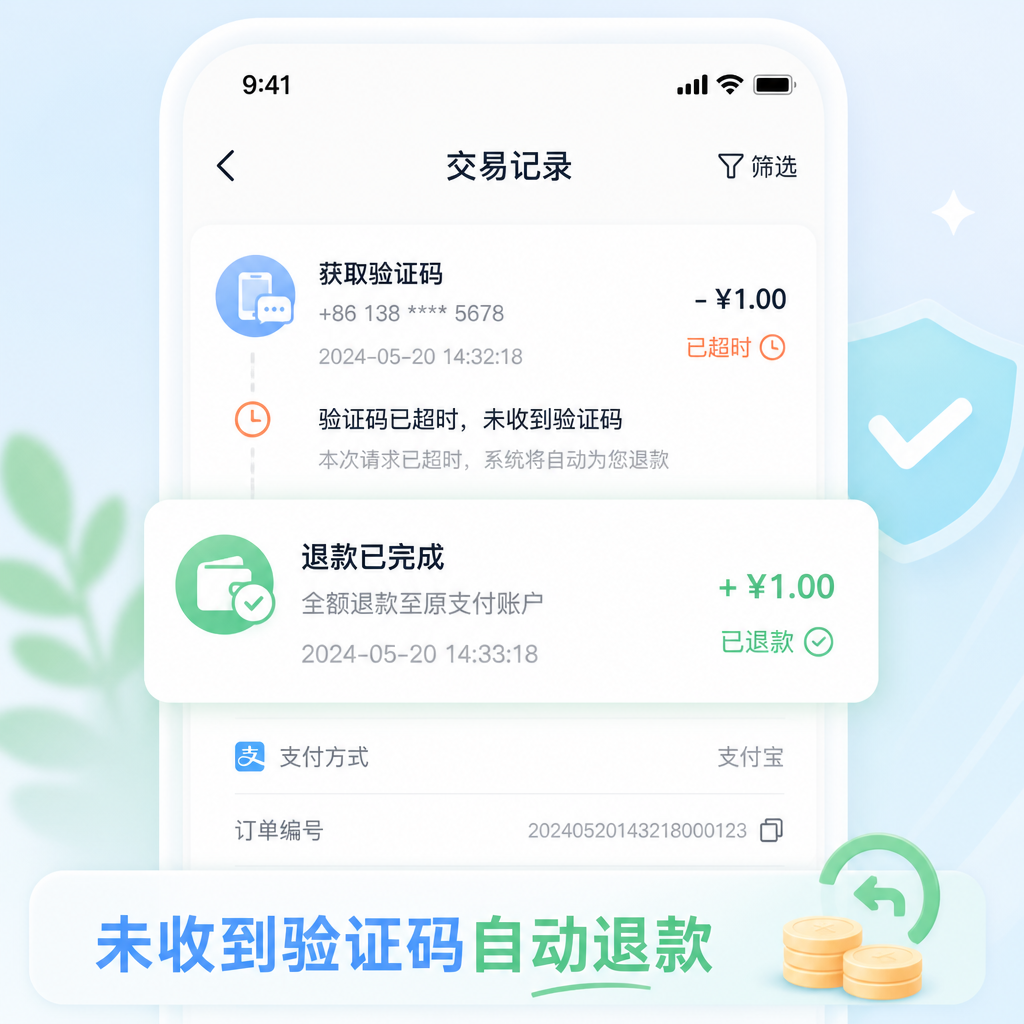
High-quality service systems typically have transparent failure refund policies. According to the latest industry operational standards announced in July, when a user does not receive the One-Time Password (OTP) within the specified time, the system should automatically cancel the transaction and refund the fee without requiring manual ticket submission.
This automated settlement mechanism not only protects funds but also reflects the service provider's confidence in the stability of its network nodes. If a platform lacks a clear charge protection policy, the reliability of its underlying channels is often questionable.
Country Node Matching and Independence in Key Business Scenarios
Different countries and regions have significantly different regulatory policies for phone numbers. When selecting an SMS solution, geographic compliance and node distribution must be considered.
Many platforms require that the registration number matches the country of the user's current Internet Protocol (IP) address. Using a cross-region number for registration can easily trigger fraud risk control. A solution with multi-country node coverage allows users to flexibly match their business environment.
Additionally, the degree of privacy isolation for numbers is an important measure of solution quality. In scenarios requiring long-term account maintenance, the exclusive number segments provided by NexSMS ensure that the number is not reassigned to another user during the rental period, thereby avoiding account authentication conflicts due to number recycling. A well-planned SMS strategy not only saves costs but also effectively mitigates the risk of account suspension due to number segment risk control.
By comparing these four dimensions—channel type, number segment attributes, fee protection, and geographic matching—users can quickly filter out unstable small-scale nodes and build a solid foundation for their cross-border operations and privacy protection.


Comments(0)