 NexSms官方博客
Voice Verification Code Reception: What Numbers Work? First, Distinguish Number Segment Capabilities and Platform Channels
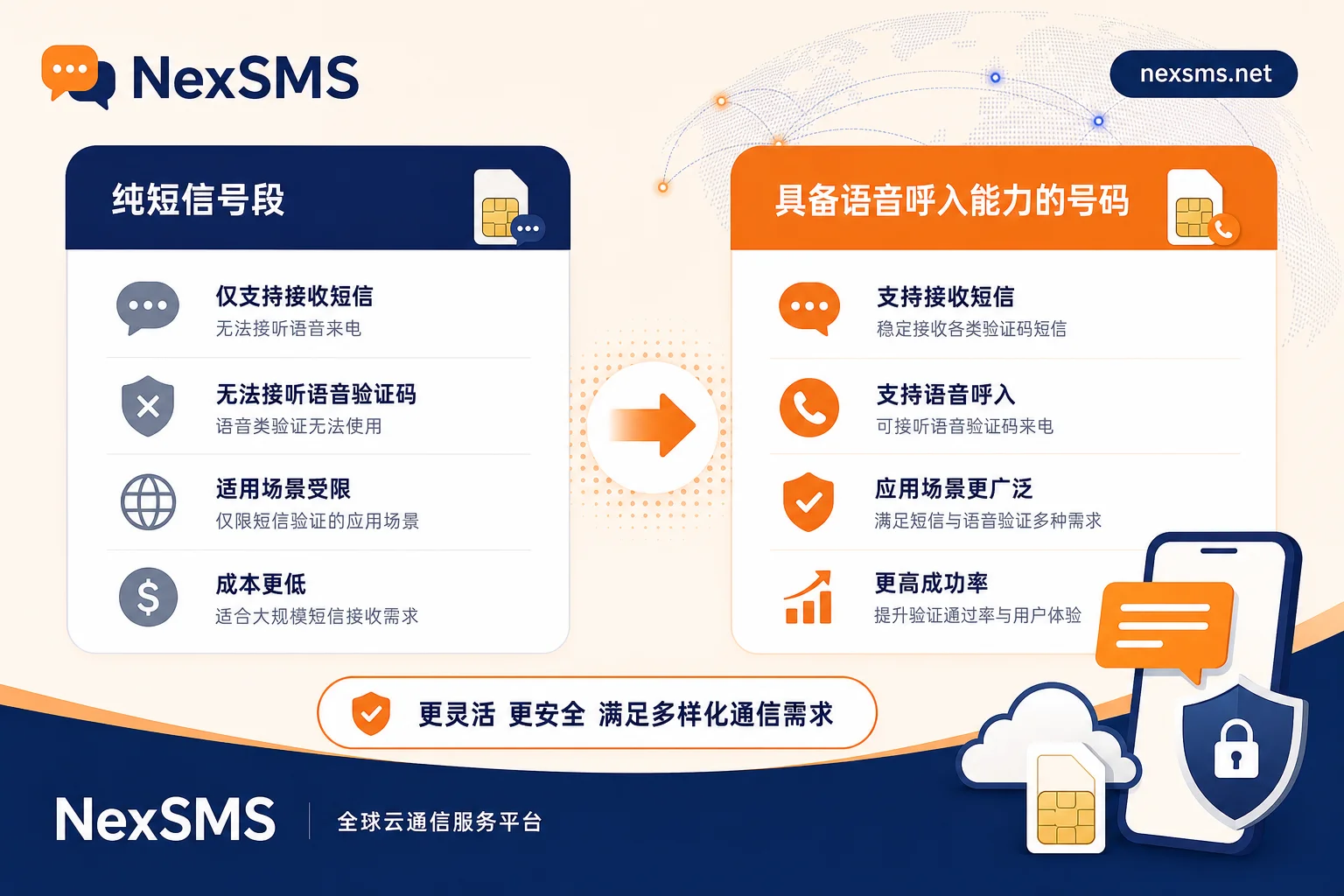
According to the common classification of number capabilities in the telecommunications industry, whether voice verification code reception succeeds depends on two independent conditions: whether the number has Inbound Voice capability, and whether the platform truly opens the voice channel for that number. Both are indispensable; numbers from SMS-only number segments naturally cannot receive voice calls. Meanwhile, under current digital identity authentication standards, PSTN voice OTP and SMS OTP fall into the same restricted authenticator category, indicating that voice verification is not a more secure upgrade over SMS but a peer-level alternative.
Number Segment Side: Why SMS-Only Number Pools Can Never Receive Voice Verification Codes
First, look at the number itself. Global telecommunications operators and virtual number segments have clear capability divisions. SMS-only number pools lack Inbound Voice routing. That is, such numbers do not have voice call inbound lines enabled. When a platform initiates a voice call, the call is directly discarded at the operator or gateway side, and the user sees "no incoming call ever." This is a number attribute issue, not a setup or wait-time issue. Therefore, the answer to "which numbers support voice call reception" is: only numbers with Voice Capable capability can receive voice verification codes; SMS-only segments will never receive them no matter how long you wait. If you are selecting a number for receiving codes, refer to the capability distinction approach in How to Choose Real SIM Card Numbers and VoIP Numbers for Business Code Receiving.
Platform Side: Voice Verification Is Mostly a Fallback Channel After SMS Failure
In most products, voice verification is a fallback entry after SMS delivery failure, usually requiring preconditions like "SMS was unsuccessful" before the voice channel appears or becomes available. So "clicked voice verification but no call" could be either the number segment not supporting it or the platform not actually enabling the voice call for that number.
To distinguish between these two cases, you can observe three points: first, check for any missed call records; if there are none, the number is more likely not supported; second, check whether the voice entry is clickable; if it's grayed out or says "try again later," the platform is more likely not enabling it; third, if you switch back to SMS channel and see delivery feedback, the channel itself is normal. This helps reduce ineffective clicks and avoids unnecessary retries.
Three Manifestations of Voice Verification Reception Failure and Corresponding Actions
| Manifestation | Possible Cause | Action |
|---|---|---|
| No call record at all, and the number is an SMS-only segment | Number segment lacks voice inbound capability | Switch to a number with Voice Capable capability |
| Voice entry grayed out or says "try again later" | Platform does not enable voice channel for this number (based on entry status) | Wait according to platform pace, or fall back to SMS channel |
| Call connects but audio is unclear | Cause uncertain, likely platform-side playback issue | Use the platform's own replay or resend entry, do not repeatedly trigger |
The first two rows have clear evidence from number segment capability or entry status; the third row is based on experience. If you encounter similar issues, also refer to the general approach in How to Troubleshoot Facebook Verification Code Not Received.
What Does NIST Classifying PSTN Voice OTP and SMS OTP as Restricted Authenticators Mean?
NIST's SP 800-63B specification explicitly states that out-of-band authenticators delivered via PSTN, including SMS OTP and voice OTP, are listed as "restricted authenticators." The reason is that they share the same set of channel risks: number reassignment, SS7 signaling vulnerabilities, call forwarding, and other interception methods apply equally to voice verification.
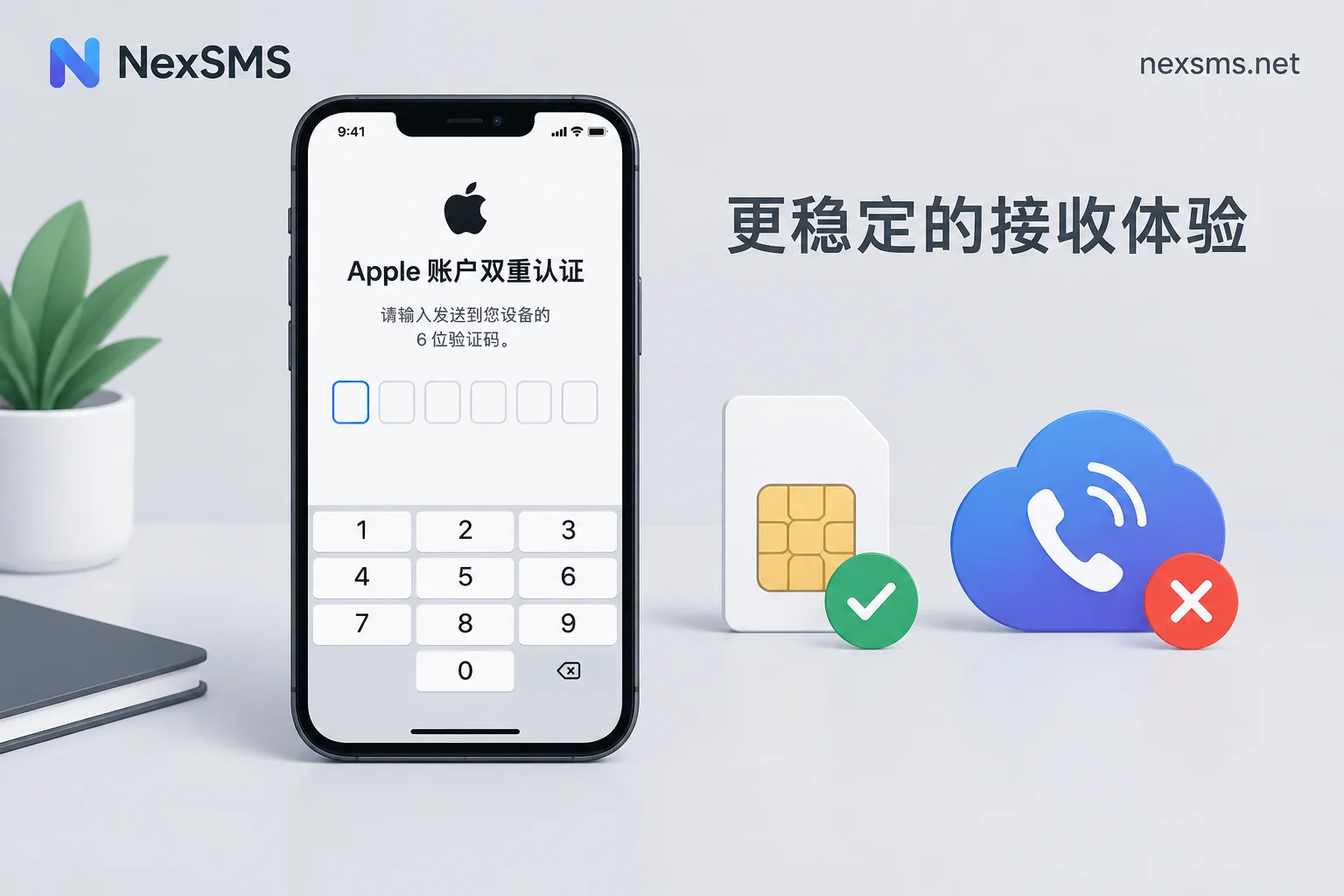
Therefore, the conclusion is: switching to voice verification merely shifts the verification channel from SMS to voice in parallel. It can solve the "not receiving" problem, but it cannot solve the "not secure enough" problem. If you truly need to raise authentication security, you should move to authenticator apps or hardware keys that do not rely on PSTN. This is also the core basis for answering "which is more secure: voice verification or SMS verification."
Four Positions You Can Check Yourself Before Answering
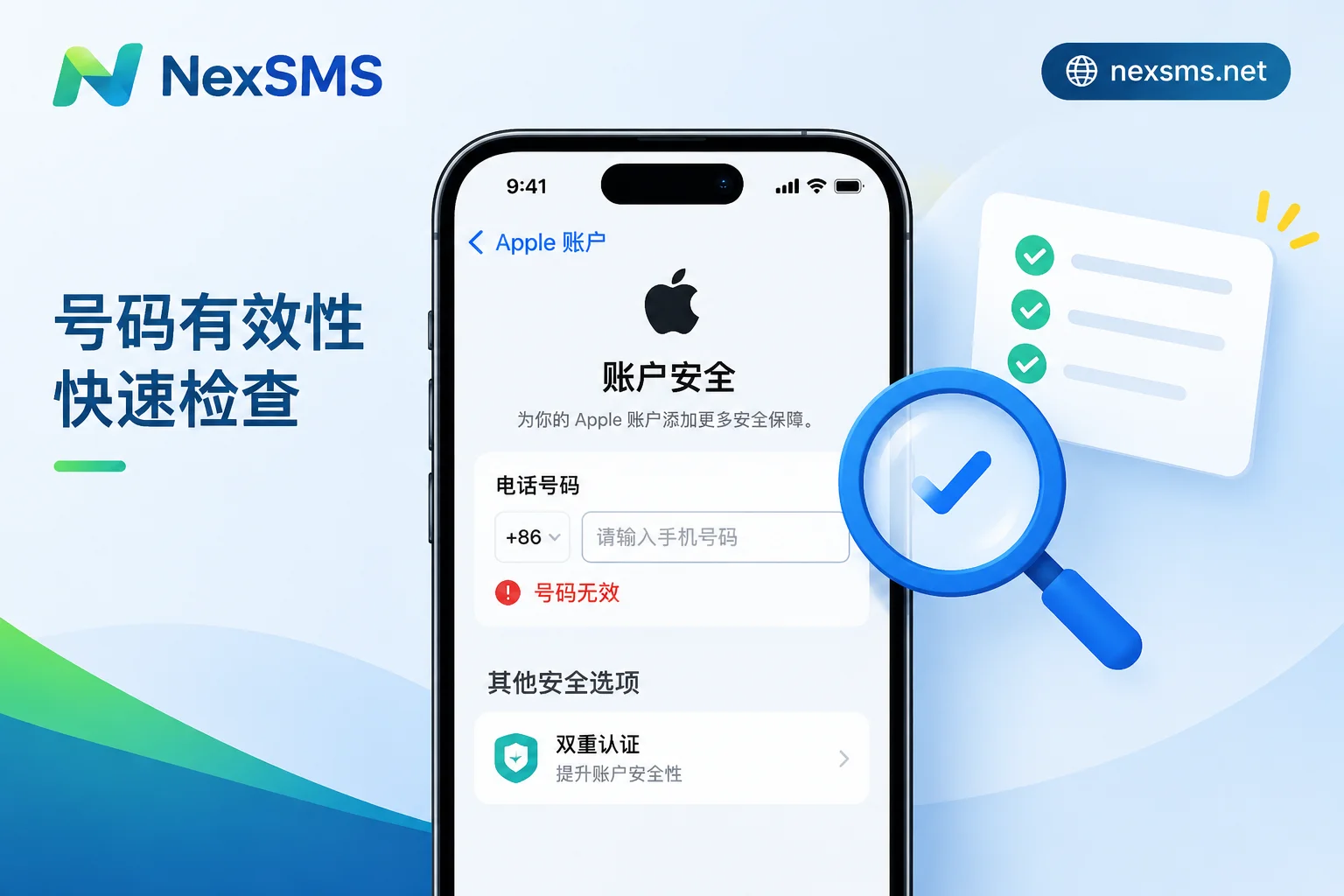
- Check whether the country code and number format are correctly filled according to E.164, e.g., +86, +1.
- Check whether you are within the platform's allowed resend interval; frequent clicks may cause throttling.
- Check whether your phone has enabled unknown call, international call blocking, or Do Not Disturb mode, as these may block voice calls.
- Check network and roaming status; some network environments may prevent voice call delivery.
The above are general self-check items. They do not guarantee that any country or operator number segment will connect, but they help you quickly eliminate common interference.
Carrier Division: Short-Term Numbers for One-Time Registration, Long-Term Local Numbers for Repeated Voice or Future Receipt
There is no uniform answer to how long to wait for a voice verification code—if the number segment does not support it, no matter how long you wait, no call will come; when the channel is normal, the arrival time depends on the platform's own resend pace. Applying the number segment capability conclusion to number selection strategy: if you only need one-time code reception to complete registration, short-term numbers suffice; but if you need repeated verification, future receipt, or long-term login verification, you should use renewable long-term local numbers to avoid the risk of number reassignment after collection. The real need behind this is stable carrier capability, not single-time speed. For number types that need long-term verification, refer to the selection logic in Virtual Number Types Supporting Bank 2FA Verification.
Implementing with NexSMS: Country Selection, Short-Term vs. Long-Term Division, Web Code Reception, and API
On NexSMS, you can choose numbers according to target country and platform requirements: short-term numbers are suitable for one-time registration, while renewable long-term local numbers are suitable for repeated verification or future receipt. Individual users can use the web interface to receive codes, while business users can integrate the developer API for unified reception. If you are choosing among overall code-receiving platforms, refer to How to Choose a Code Reception Platform to refine your approach. These contents only state the official public capabilities of the website and do not promise voice connection rates for any number segment.
FAQ
Can virtual numbers receive voice verification codes?
Not necessarily. Whether a virtual number can receive voice verification codes depends on whether the number segment has Inbound Voice capability enabled; virtual numbers from SMS-only segments cannot receive voice calls. When selecting, you need to confirm the number has Voice capability, not just look at the number prefix or displayed location.
Which numbers support voice call reception?
Only numbers with Inbound Voice capability (Voice Capable) can receive voice calls. Such numbers are usually marked as supporting voice inbound in communication platforms, while SMS-only segments do not. Before purchasing, check the number capability list to avoid wrong selection.
Clicked voice verification but no call, why?
There can be two reasons: first, the number itself is an SMS-only segment without voice inbound capability, so the call is directly discarded; second, the platform does not enable the voice channel for that number. It is recommended to first verify the number segment capability, then check phone blocking settings, and finally consider changing numbers.
Which is more secure: voice verification or SMS verification?
Voice OTP and SMS OTP are both restricted authenticators under current authentication standards, with the same security risk level. Both may be intercepted via number reassignment, SS7 attacks, or call forwarding. Therefore, voice is not more secure than SMS; it is just a peer-level alternative when SMS is not received.
Can a voice verification code be replayed if unclear?
Some platforms provide a replay feature, but this is platform-specific, not a universal capability. If the audio is unclear, avoid repeatedly triggering to prevent throttling. Try listening in a quiet environment, or switch to SMS channel. If the platform has no replay entry, wait and try again later.
How long do I have to wait for a voice verification code?
There is no uniform answer. First determine if the number segment supports voice inbound: if it is SMS-only, no matter how long you wait, no call will come; if the segment supports it, the arrival time depends on the platform's own resend pace. Wait according to the platform's indicated resend interval, and avoid repeated triggering to prevent throttling.


Comments(0)