 NexSms官方博客
A dedicated number is a phone number assigned exclusively to one person or organization during the rental period. During this time, only you can see the text messages sent to this number, and it will not be shared with others.
The difference between it and public shared numbers and one-time disposable numbers is not whether you can receive a verification code this time, but two things: who can see the verification code, and whether the same number can be used to receive codes again in the future.
Quick judgment: If the account will need to log in later, change devices, do two-factor authentication, or the platform periodically re-verifies the phone number, a dedicated number is more suitable. If you only need to complete verification once and will not use the number again, a disposable number is usually sufficient.
First, distinguish which type of "dedicated number" it is
This term often appears in two scenarios:
- Enterprise SMS services: Numbers used by businesses to send notifications, marketing messages, or communicate with customers in both directions. Here, a dedicated number means it is used exclusively by one company for sending and receiving, not shared with other companies.
- Receiving verification codes: You use this number to register, bind, or do two-factor authentication on overseas platforms, and the number is exclusively yours during the rental period.
Both scenarios are based on "exclusive use," but the problems they solve are different. This article only covers the second type.
Differences between dedicated, shared, and temporary numbers
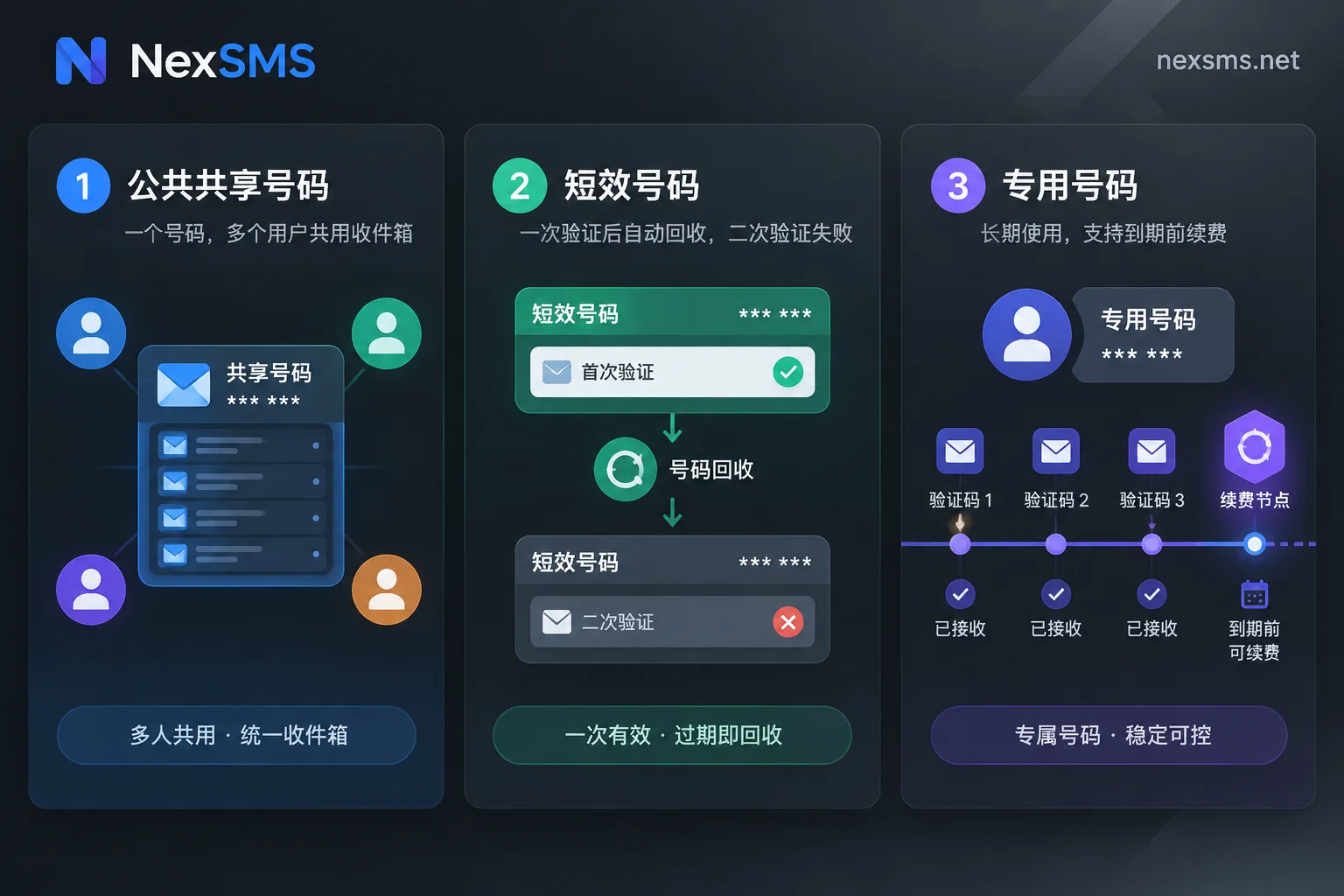
| Public shared numbers | Short-lived disposable numbers | Dedicated numbers | |
|---|---|---|---|
| Who can see the verification code | Public page, anyone can see | Usually only you | Only you |
| How long it can be used | Uncertain, others may use it at any time | Until one verification is complete | Based on rental period, renewable |
| Can it receive codes again later | Basically unreliable | No, the number will be recycled | Yes, within the rental period, unlimited times |
| Number usage history | Likely used by many to register on the same platform | May have been used by previous users | Only your usage records during the rental period |
These differences lead to several consequences in practice:
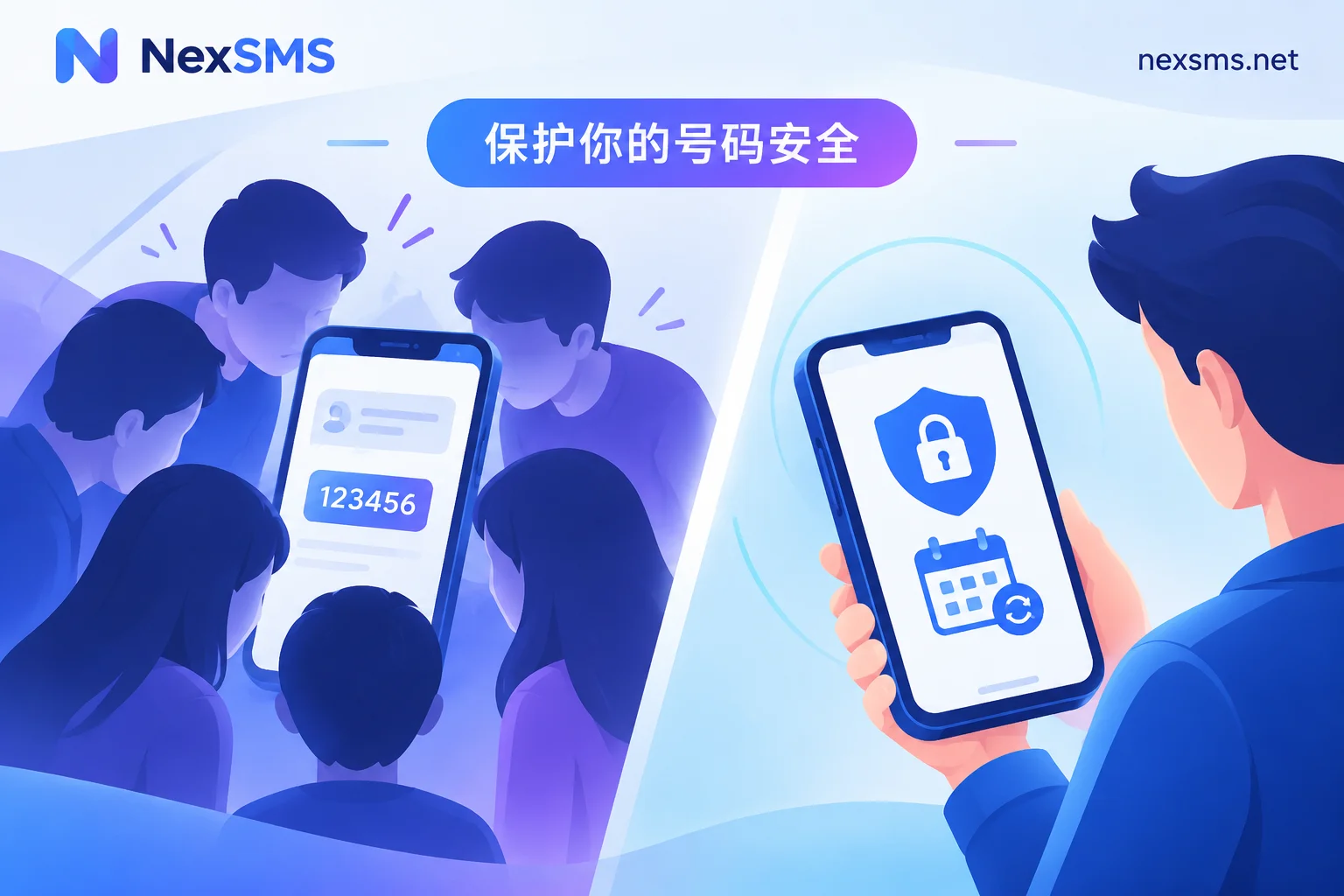
- Public numbers: The inbox is public, equivalent to giving the verification code to everyone. Such numbers are likely already registered on the target platform or flagged, and failure to receive codes is common. For the security differences, see Which is safer: free SMS receiving platforms or paid private numbers.
- Short-lived numbers: This verification is fine. But after the number is recycled, when the platform next asks you to verify (login from a new phone, remote login, password recovery), you can no longer access the number. Recycled numbers may also be given to others. For details, see Can the same number be used for a second verification.
- Dedicated numbers: You can receive codes repeatedly during the rental period, and the number bound to your account remains in your hands.
Scenarios suitable for dedicated numbers
Long-term accounts: two-factor authentication and device changes
Phone numbers bound to accounts like Google, Telegram, WhatsApp, X, etc., are not used only once at registration. Later, changing phones, reinstalling apps, remote logins, or password recovery may all send verification codes again. Once the number is lost, recovering the account can be very troublesome, sometimes requiring more complex appeal processes.
Cross-border e-commerce seller backends and advertising accounts
Backends like Amazon, eBay, Shopify, Meta Ads, etc., may periodically trigger security checks, such as when logging in from a new device or modifying payment or account information, requiring a phone verification code. Such accounts are valuable, and the number should ideally remain stable. For which country's number Amazon sellers should choose, see Which country's number to use for Amazon seller two-factor authentication.
Teams maintaining multiple self-owned overseas business accounts
Each account corresponds to a fixed number. When personnel change, only the operator changes, not the number. The team can centrally view verification codes and record expiration dates in a ledger for timely renewal. For the approach, see How cross-border teams collaboratively manage multiple business phone numbers. If you also need to isolate each account's browser environment, that is a separate layer and can be handled by multi-account environment tools like NexBrowser.
Developer testing and business processes
Automated testing requires repeatedly running registration, login, and two-factor authentication processes. Using a fixed number prevents interruptions due to number changes and makes troubleshooting easier. For the complete process of obtaining numbers and receiving codes via API, see How to integrate SMS receiving API.
When a dedicated number is not needed
- You are only trying out a service and are sure you will not log in again.
- The platform only verifies once at registration and never requires the phone number again. However, platform rules may change, so when unsure, it is safer to prepare for "possibly needing to receive codes later."
- You want to first confirm whether a number from a certain country can receive codes on the target platform. You can try once with a short-lived or free number, then decide whether to rent long-term.
What to look for when choosing a dedicated number
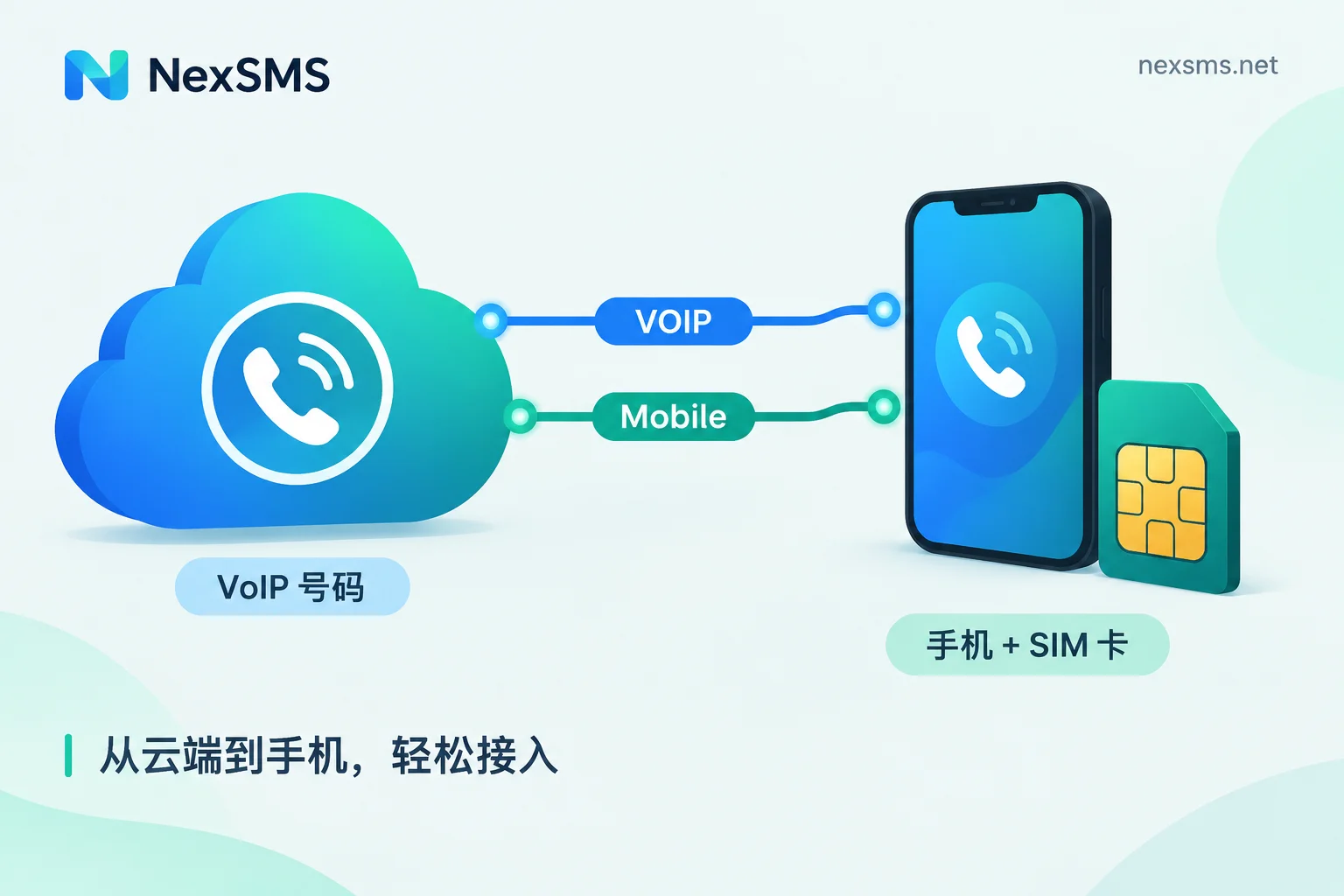
- Number type: Many platforms check the line type before sending codes, and VoIP virtual numbers are often rejected outright. Native numbers from real carriers (physical SIM or eSIM) are usually more readily accepted, but this does not guarantee success. For reasons, see What is a VoIP phone number.
- Country: Try to match the account's usage region and the business market.
- Renewal and expiration: Dedicated numbers are rented by period. If not renewed upon expiration, they will be released and may be given to others. This means the number bound to your account could end up in someone else's hands. So note the expiration date and renew in advance. If you no longer need a number, first change or unbind the phone number on the platform, then let the number expire.
- Platform rules: Whether verification passes is ultimately determined by the target platform's rules at the time. Even with ideal number conditions, success is not guaranteed.
How to choose on NexSMS
NexSMS offers two types of numbers:
- Short-lived regular numbers: Pay-per-use, valid until one verification is complete.
- Long-term premium numbers: Native numbers from real carriers (physical SIM and eSIM), unlimited code receiving during the validity period, and you can continue to hold it by renewing before expiration. This is the dedicated number usage described in this article.
For the differences between the two types and renewal conditions, see the feature description page for comparison. Once you decide to hold long-term, choose a number by the account's country on the country page, e.g., US numbers.


Comments(0)