 NexSms官方博客
Recently, SMS phishing and OTP-related risks have been rising significantly. Data shows that in 2025, the total number of phishing attacks reached 3.8 million, with the proportion via social media and SMS channels increasing from 15.4% to 17.3% in the fourth quarter. Among mobile threats, SMS phishing accounted for the majority, over two-thirds. U.S. consumers reported losses of $470 million (2024 data) from SMS fraud, more than five times the amount a few years ago. Financial themes are particularly prominent, with bank-related incidents accounting for a high proportion. NIST lists SMS OTP as a restricted authentication method, and CISA also recommends moving to phishing-resistant multi-factor authentication as soon as possible. Meanwhile, message fraud interception volumes increased by 77% year-on-year, with phishing soaring 94%. Attackers are becoming smarter, using techniques like hidden text in images, AI assistance, and multi-channel coordination.
Once your main number is bound to multiple financial apps, payment tools, brokers, or crypto wallets, the risk is concentrated. If a SIM swap succeeds, the attacker can directly receive all verification codes, and password resets, transfers, and account locks can be completed within minutes. After a data breach, the main number is sold publicly, and phishing calls come in asking, "What's the verification code just sent?" and you think it's the bank itself. Daily SMS messages are mixed together, important OTPs can easily be buried, making them hard to find. The main number is also often used for daily chat and receiving deliveries, exposing it too much.
Virtual numbers can provide isolation. By migrating all financial-related 2FA to a dedicated virtual number, the main SIM only handles calls and private messages. OTPs arrive in the virtual number's inbox, clean, searchable, and auditable. Even if the main number is SIM-swapped, the verification code line remains unaffected. Many practitioners already do this: each financial app uses an independent private number to receive codes, and the main card never leaves the pocket. Real mobile tagged numbers (non-VoIP) have higher success rates and fewer blocks by banks and brokers. Long-held numbers are more stable than temporary ones, avoiding account verification failures after expiration.
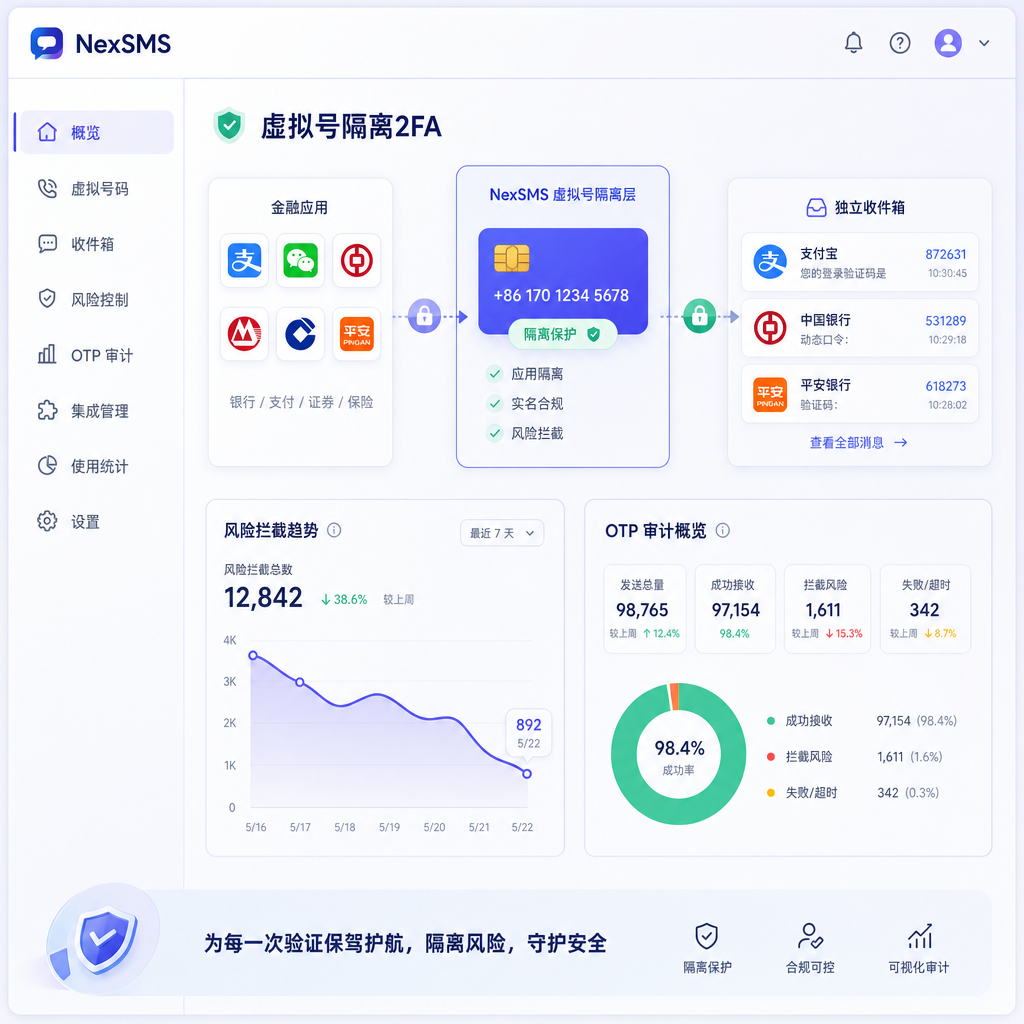
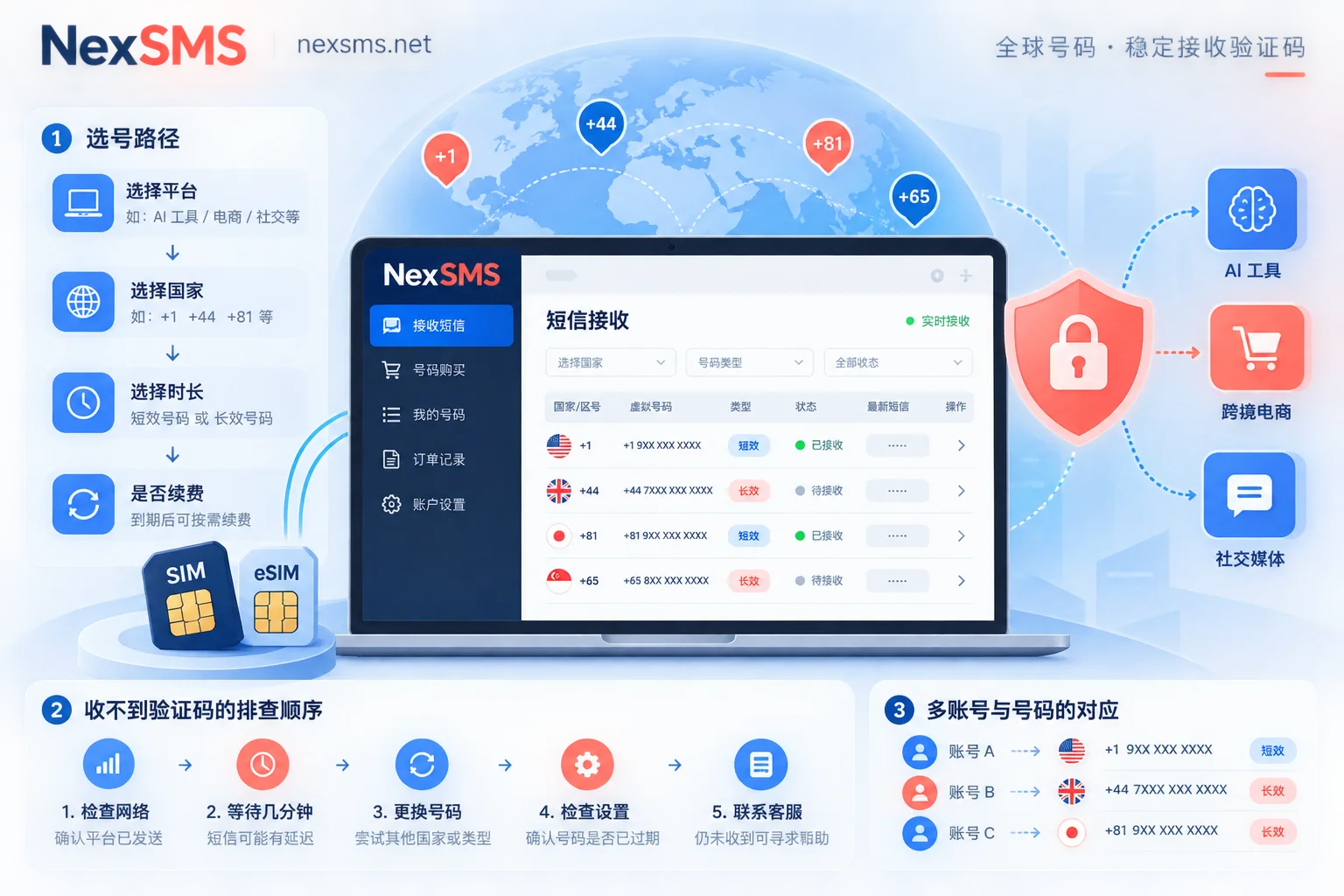
Implementation is not complicated. First, choose a platform that supports multiple countries, instant code reception, and is stable. Services like NexSMS provide such virtual numbers, covering commonly used regions and conveniently receiving various verification SMS. After registration, select a number, preferably a real mobile type rather than pure VoIP, and test if mainstream financial apps can receive codes normally. Then, log into your bank apps, payment tools, and investment platforms one by one, find the phone number or 2FA option in security settings, replace it with the new virtual number, receive a test code to confirm, and then delete the old main number. Throughout the process, protect the virtual number account itself with a strong password, and preferably add an authenticator app.
Common scenarios include: freelancers managing multiple client payment accounts simultaneously, receiving US or European bank codes during international travel, managing multiple crypto wallet addresses, or isolating shared family accounts. Some people create a dedicated number for "money-related" apps, use temporary numbers for daily registrations, and long-term numbers for critical ones. Tips for improving success rates: avoid peak times when registering, use a clean IP, and don't register the same number repeatedly on the same platform too many times. If an app strictly blocks virtual numbers, try another region, or use an authenticator app as primary, with SMS as backup.
There are also many misconceptions. Some think free public numbers are fine, but the numbers are shared by many people, codes can be snatched, or platforms directly blacklist them. After a temporary number expires, account secondary verification fails, and money can't be deposited or withdrawn. Some believe all virtual numbers are blocked by banks, but high-quality dedicated numbers can pass. Some only change numbers without strengthening other protections, leaving personal information leaked through the main number. Don't treat virtual numbers as a panacea; combine them with password managers, hardware keys, and authenticator apps for completeness. Platform policies change, so regularly check binding status.
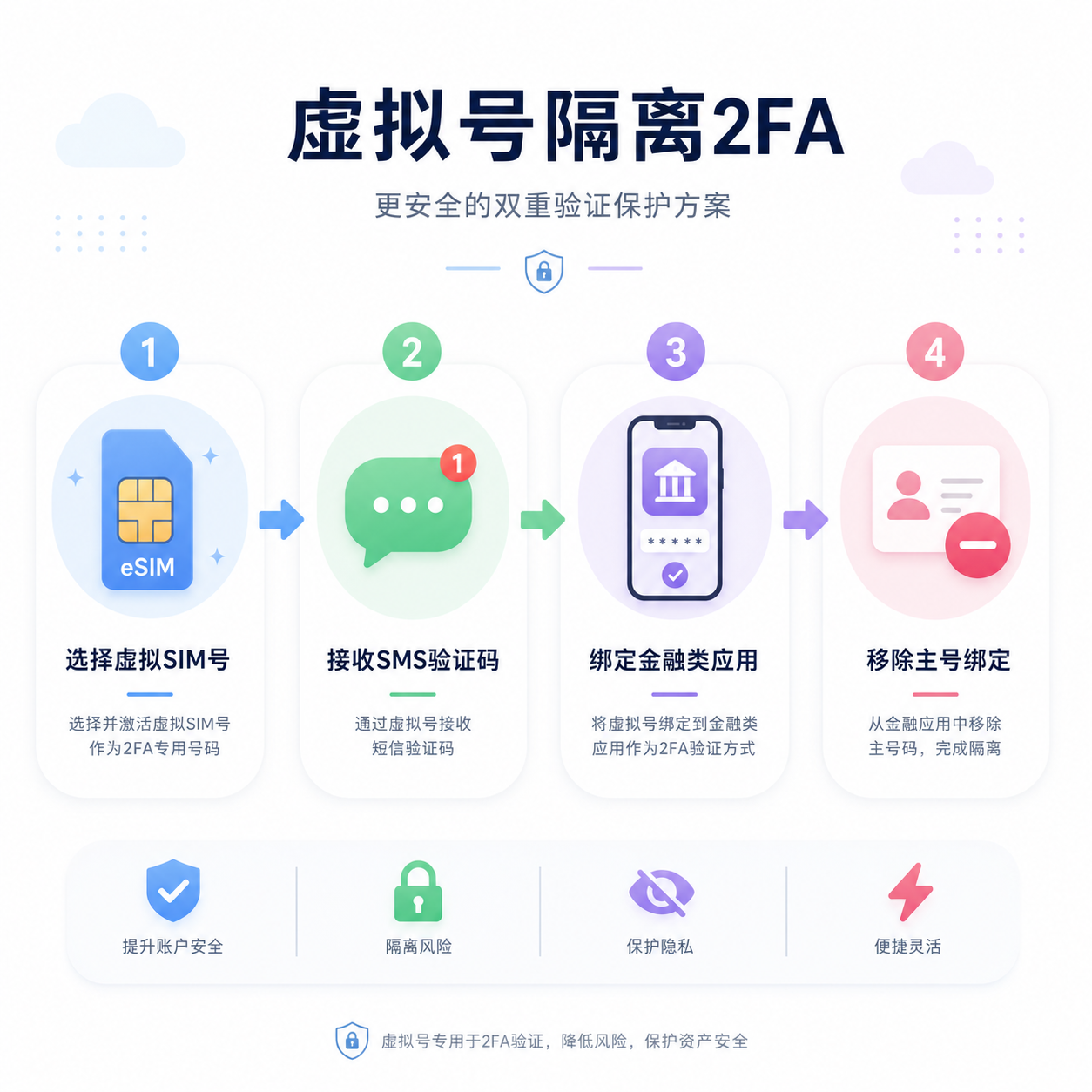
During the switching process, remember to back up recovery codes in case the virtual number has issues. For long-term use, pay attention to renewal and keep the number active. Platforms like NexSMS offer advantages in flexible code reception and privacy isolation, helping you detach verification traffic from the main number for more secure daily operations. Once financial app verification codes are isolated, the main number's exposure immediately shrinks, and the chain reaction of SIM swaps and data breaches is cut off.
Take action now: start with one or two low-frequency financial apps, complete the process, and then expand to core accounts. Risks are still rising; early isolation brings peace of mind. Privacy is not a one-time major project but a daily habit of moving critical verification codes to a secure track.


Comments(0)