 NexSms官方博客
Phone numbers are no longer just for calls. Almost every new service registration, AI tool trial, e-commerce coupon collection, and even game or community accounts require a phone number for SMS verification. Once provided, that number can be linked to various databases, leading to promotional texts, spam, and even phishing attempts over time. Data brokers particularly like using phone numbers as indexes to correlate your registration behavior, shopping habits, and location information. The result is your primary number becomes "dirty," important messages get buried, and privacy risks increase.
Temporary virtual numbers address this pain point perfectly. They allow you to complete SMS verification in scenarios where a phone number is required, using a number not tied to your identity, keeping your primary number clean. Recently, demand for such services has grown significantly. People are not just seeking convenience but actively practicing data minimization—avoiding giving out real numbers whenever possible and discarding numbers after use.
Best Scenarios for Using Virtual Numbers
Here are some high-frequency practical use cases.
When registering for overseas AI tools or new platforms, many services mandate phone verification. If you just want to test features without long-term commitment, a temporary number is ideal. Once you receive the verification code and activate the account, you can forget about the number. Similarly, for e-commerce discounts, filling out forms for downloads, or joining short-term trials, providing your real number essentially subscribes you to marketing texts. Using a virtual number shields your primary number from promotional spam.
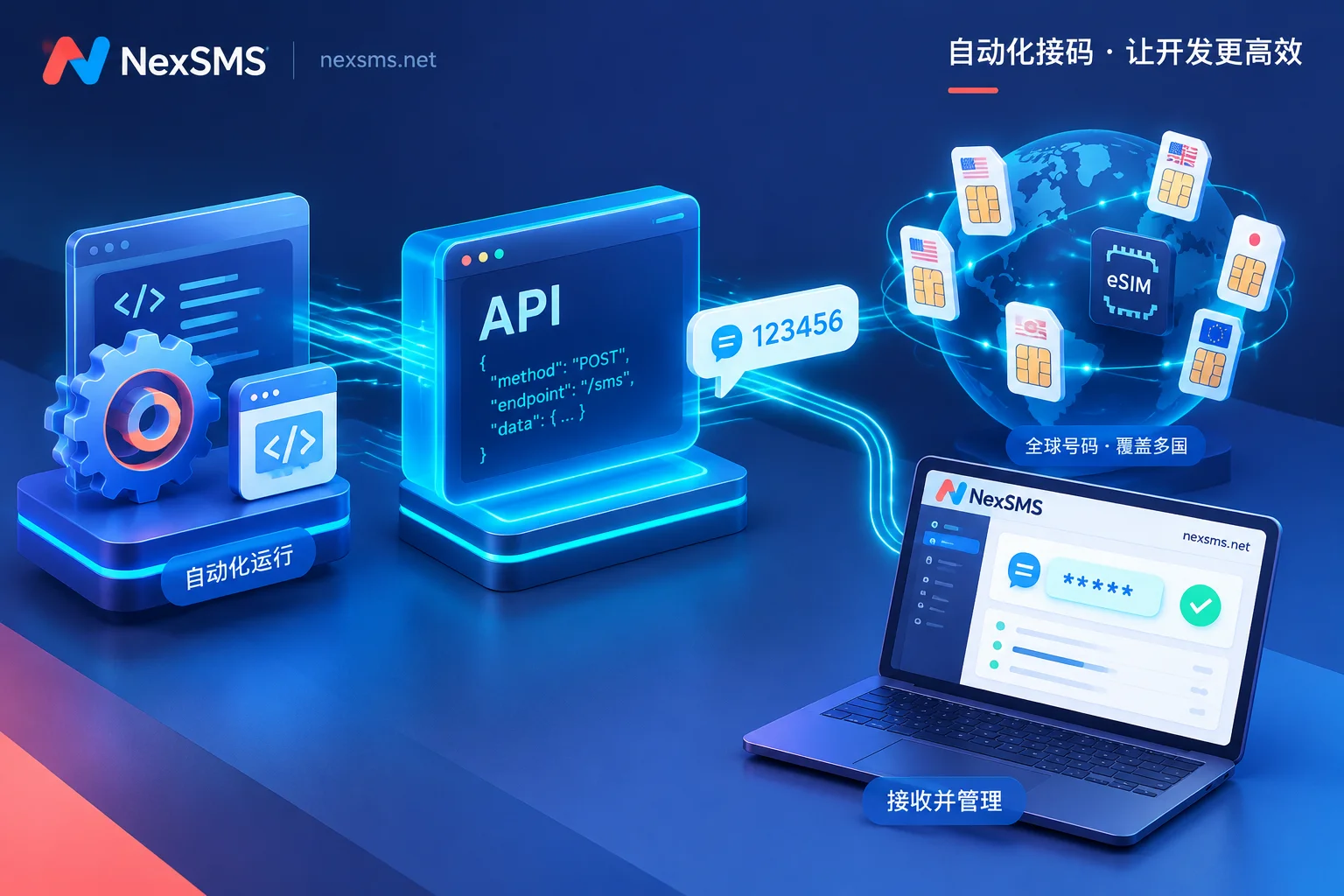
Game and community registrations (e.g., Discord) are also common. Many users report increased ads and irrelevant notifications after using their real number. A temporary number can isolate such accounts from daily life. For developers testing SMS gateways across different countries, a pool of virtual numbers is far more convenient than swapping physical SIM cards repeatedly.
Note the boundaries: For long-term critical accounts like banking, primary email, medical, or government services, stick to your real number or a stable registered number. Temporary numbers are designed for short-term, low-risk verification. Avoid using them for sensitive scenarios, or you may face issues with not receiving verification codes or account recovery later.
How to Choose and Use Virtual Numbers Reliably
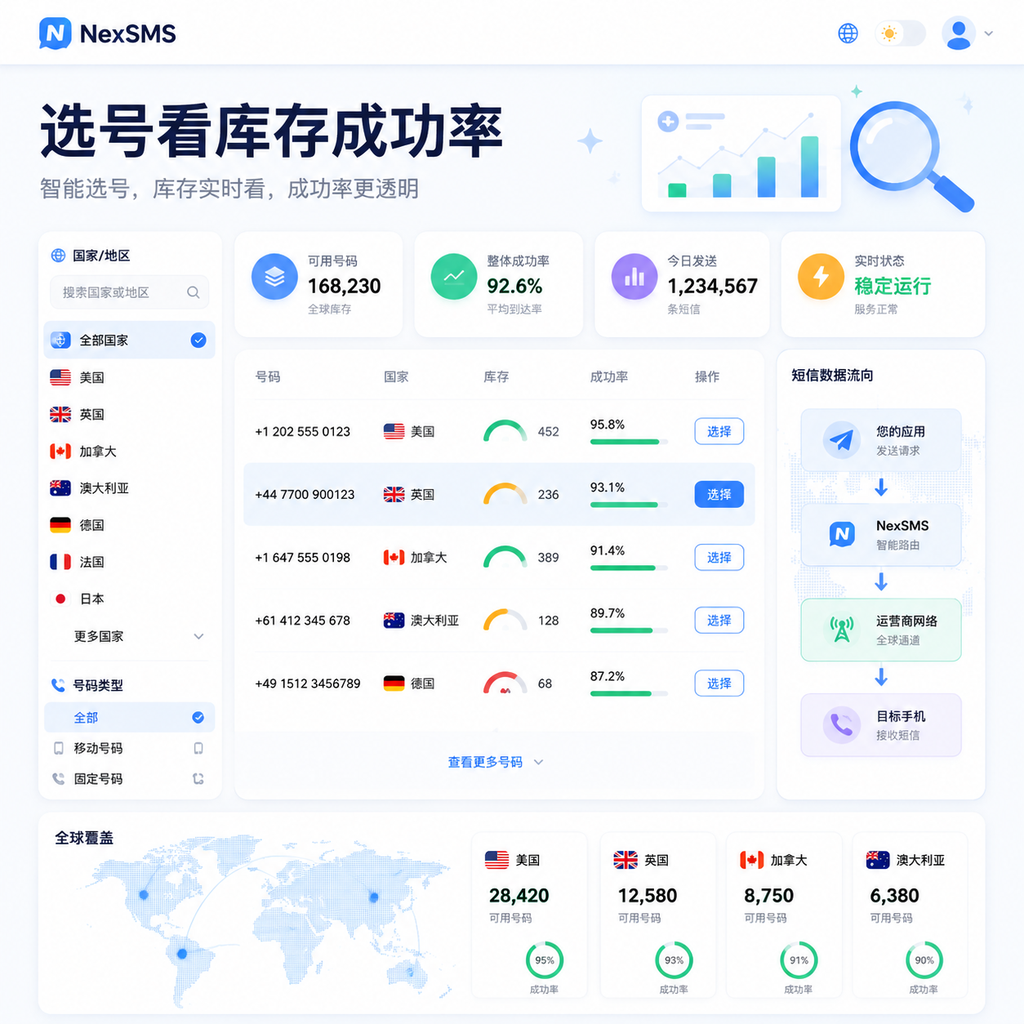
When selecting a service, don't just look at price. Prioritize services with real-time inventory displays, success rate indicators, and clear coverage of supported countries and services. Cheap routes are often overused and may be flagged by target platforms as virtual numbers, causing verification codes to not arrive or be rejected. In such cases, switching to a different country or route often yields better results than persisting with the same number. Some platforms also offer long-term rental options; if you might need to receive another code on the same number later, consider renting for a few days instead of using a fully disposable number.
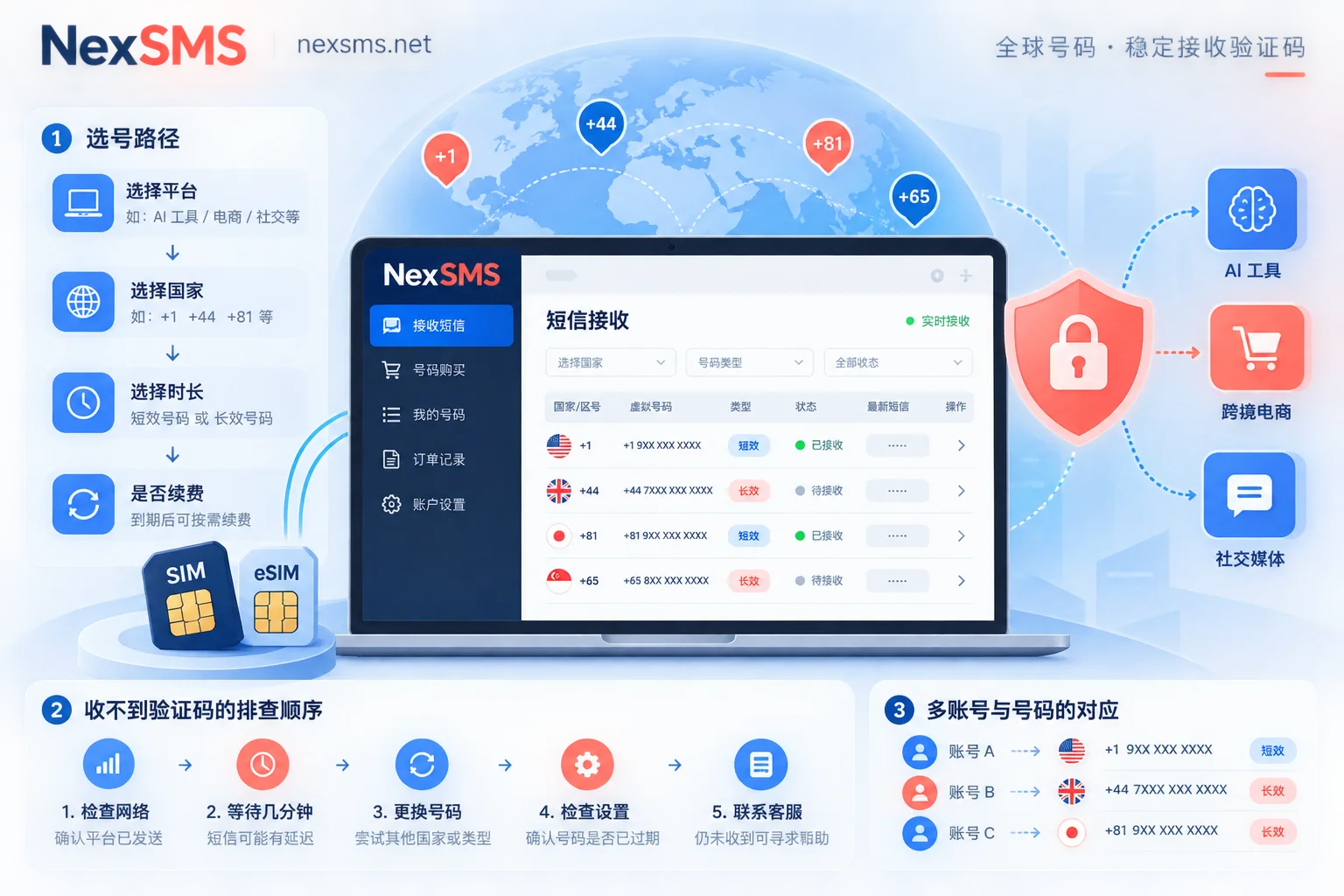
The operation process is simple. Open the SMS reception platform, select the target service and country, obtain an available number, copy it to the registration page, and submit. Then refresh the platform page to wait for the SMS, which usually arrives within seconds to a couple of minutes. After receiving the code and completing registration, if it's a one-time need, you can discard the number. No SIM card installation is needed; everything can be done via a browser.
Platforms like NexSMS provide such virtual number services, helping you quickly obtain temporary numbers for SMS verification while keeping your primary number isolated. When using, pay attention to whether the number is a shared public number or a rentable one. Public numbers are suitable for extremely short-term, low-value verifications; for more important uses, opt for higher-quality routes.
A few practical tips can improve success rates. Choose routes with less obvious VoIP attributes, as some platforms are stricter with pure network numbers. Obtain only one number at a time to avoid wasting inventory. If the target service supports voice call verification, try switching to voice if SMS fails. After registration, if account settings allow, change the verification method to email or authenticator app as soon as possible to reduce reliance on the temporary number.
Common Pitfalls to Avoid
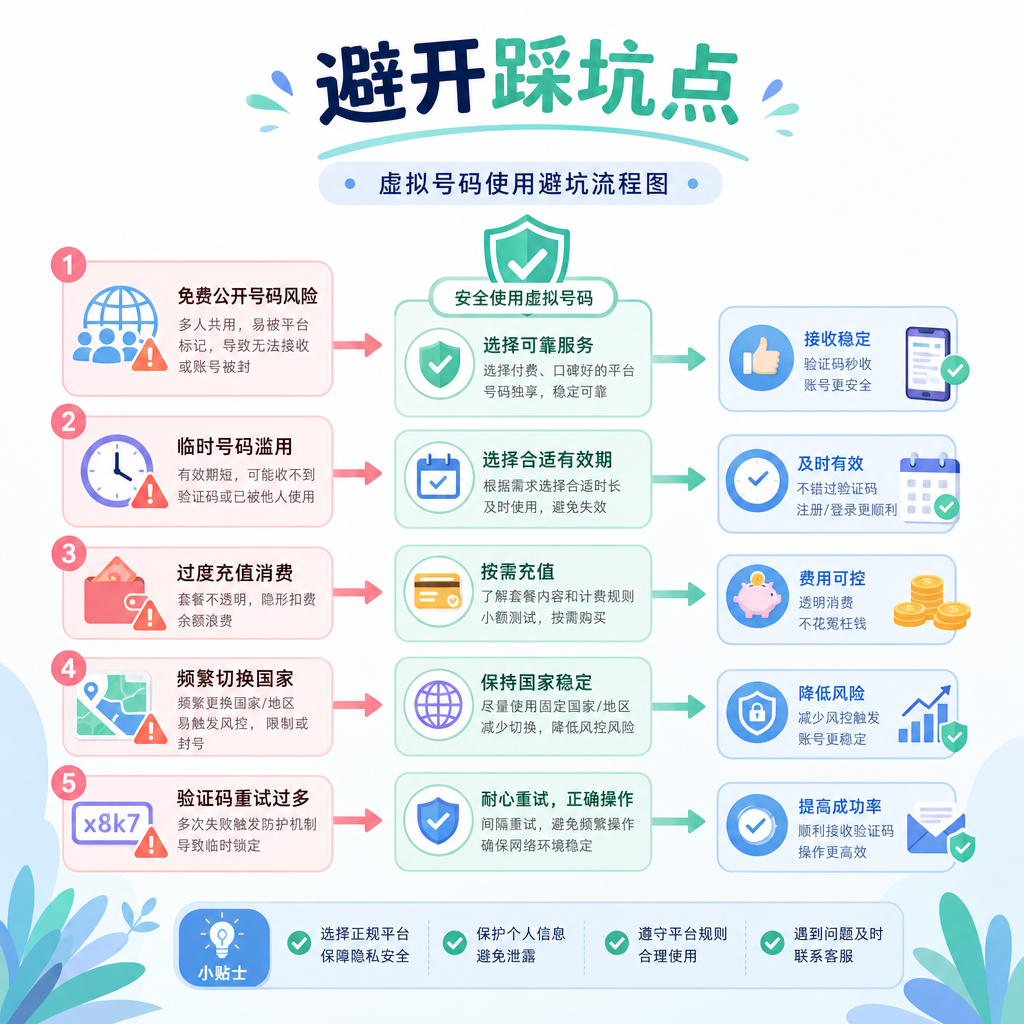
Free public numbers may seem appealing, but they come with drawbacks. Numbers shared by many users are more likely to be blacklisted by platforms, leading to inconsistent success rates. Received messages may also be visible to subsequent users—though mostly just verification codes, this is risky for sensitive scenarios. Another pitfall is treating a temporary number as a long-term one; when you try to recover a password days later, the number may already be recycled, rendering the account unusable. Some people also top up too much without fully understanding balance rules or withdrawal restrictions, getting their funds stuck. Start small, test first, and read the rules before recharging.
Don't expect a single number to work across all platforms. Some services are more friendly to US numbers, while others are more lenient with European or Asian numbers. If inventory runs out, switch countries immediately rather than refreshing the same one. Verification code timeouts are common; before requesting a resend, confirm that the platform page hasn't already received it, to avoid triggering rate limits.
Thinking from a data perspective helps. Once your primary number spreads across multiple marketing databases, cleaning up later is cumbersome. Using virtual numbers reduces the chance of correlation at the source. This isn't about avoiding verification but rationally controlling the exposure of personal information.
Daily Habit Suggestions
Develop a habit: For new services, trials, and offers, first ask yourself, "Will I need this number later?" If not, use a virtual number from the start. Reserve your primary number only for people and services that truly require long-term contact. Enable your phone's built-in unknown number silencing and your carrier's spam SMS filtering to reinforce protection. Periodically search your primary number on search engines to check for accidental leaks and address them promptly.
Some users have shared that when occasionally registering for AI tools, they prefer not to maintain physical SIMs or eSIMs. Instead, they bookmark a few SMS reception services that display inventory and success rates, using them on demand to save time. The same applies to shopping codes and community registrations: verify and forget, so your primary number never gets bombarded by these minor operations.
Services like NexSMS can be useful in such scenarios, providing stable virtual number reception capabilities to help you complete verification while protecting your primary number's privacy. In practice, trying multiple routes and selecting numbers based on success rate indicators will lead to a smoother experience.
Privacy is not a one-time effort but a series of daily choices. Virtual numbers are one practical tool. Next time you encounter a mandatory phone verification page, think about whether you really need to give out your real number. Use temporary numbers wherever possible. With a clean primary number, truly important messages become clear, and spam and potential risks are significantly reduced. After a few tries, you'll find the process simple and the effects tangible.


Comments(0)