 NexSms官方博客
On July 17, 2026, the instant messaging platform WhatsApp took a key step in privacy protection by rolling out the "Username" feature to some users. This feature allows communication without revealing your real phone number. In the future, when contacting strangers, you no longer need to give out your phone number—just a custom handle.
Although this update represents a leap in privacy, the baseline rule remains unchanged: registering a new account still requires linking a phone number. To achieve complete personal information isolation at the source, SMS verification services have recently seen a surge in interest. Many privacy-conscious users are seeking ways to complete initial registration through intermediary methods, hiding their number while securing the most fundamental security credential.
Usernames Are Here, But Why Is SMS Verification Still Essential?
The introduction of usernames is widely seen as a powerful privacy tool. According to a report from a Singaporean media outlet last Saturday, the feature has already been pre-deployed on some public figures' accounts to prevent impersonation and harassment. However, this does not exempt the account from its underlying real-name attribute. Even if you hide your number from everyone, a strong binding relationship remains between the platform service provider and your registered number.
This leads to a contradiction. Once your primary personal number is leaked, or your physical SIM card used for registration suffers an attack like SIM swapping, actual control of the account remains at high risk. Therefore, many are turning to SMS verification platforms to block privacy at the first step of registration, avoiding exposing their high-value personal number directly into the social platform's database.
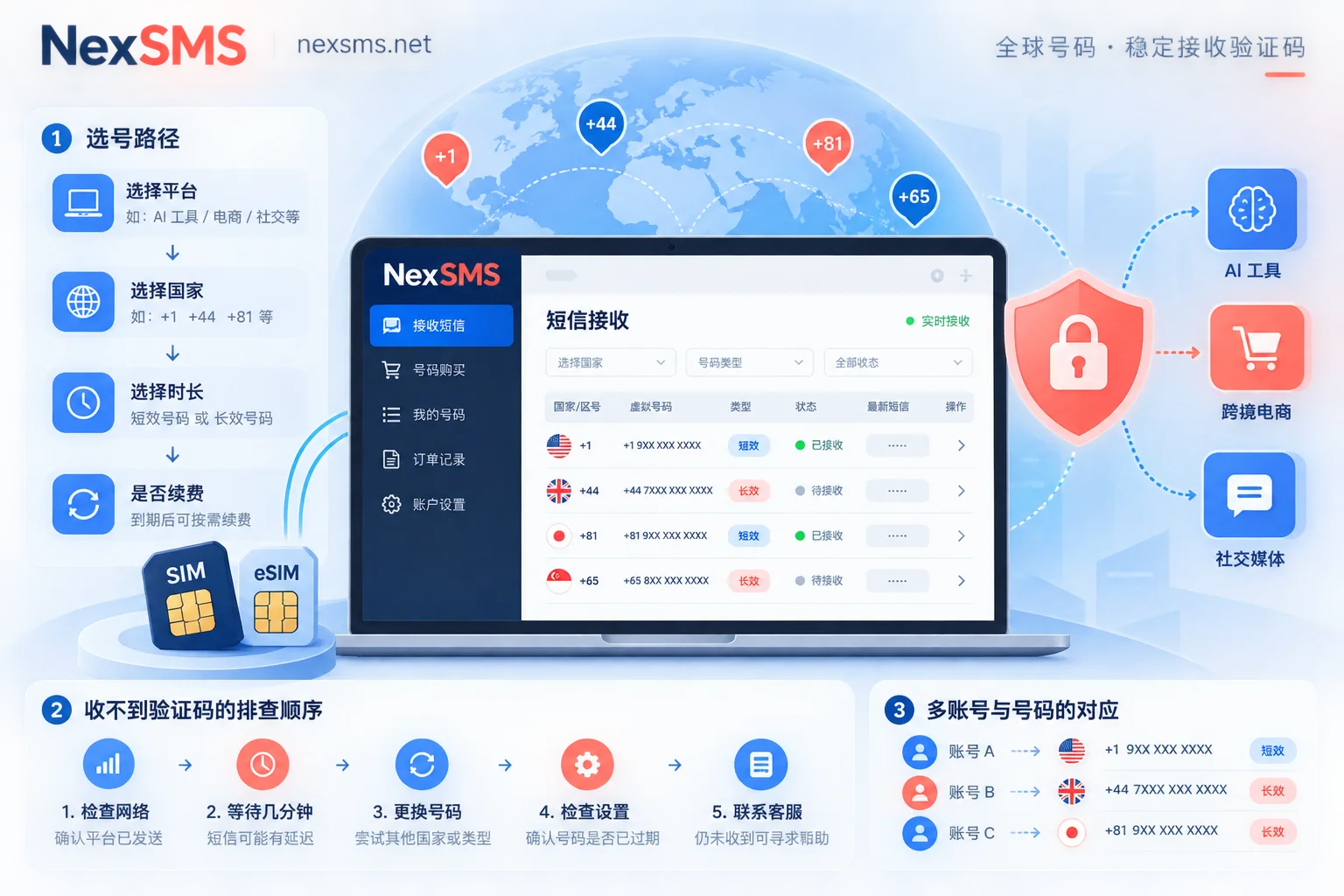
As a veteran verification code receiving channel, NexSMS, with its abundant global number resources, is well-suited to this need. Users can obtain clean verification resources through this channel, complete initial verification, and then configure their own custom username within the app, achieving true decoupling of social interaction and personal privacy.
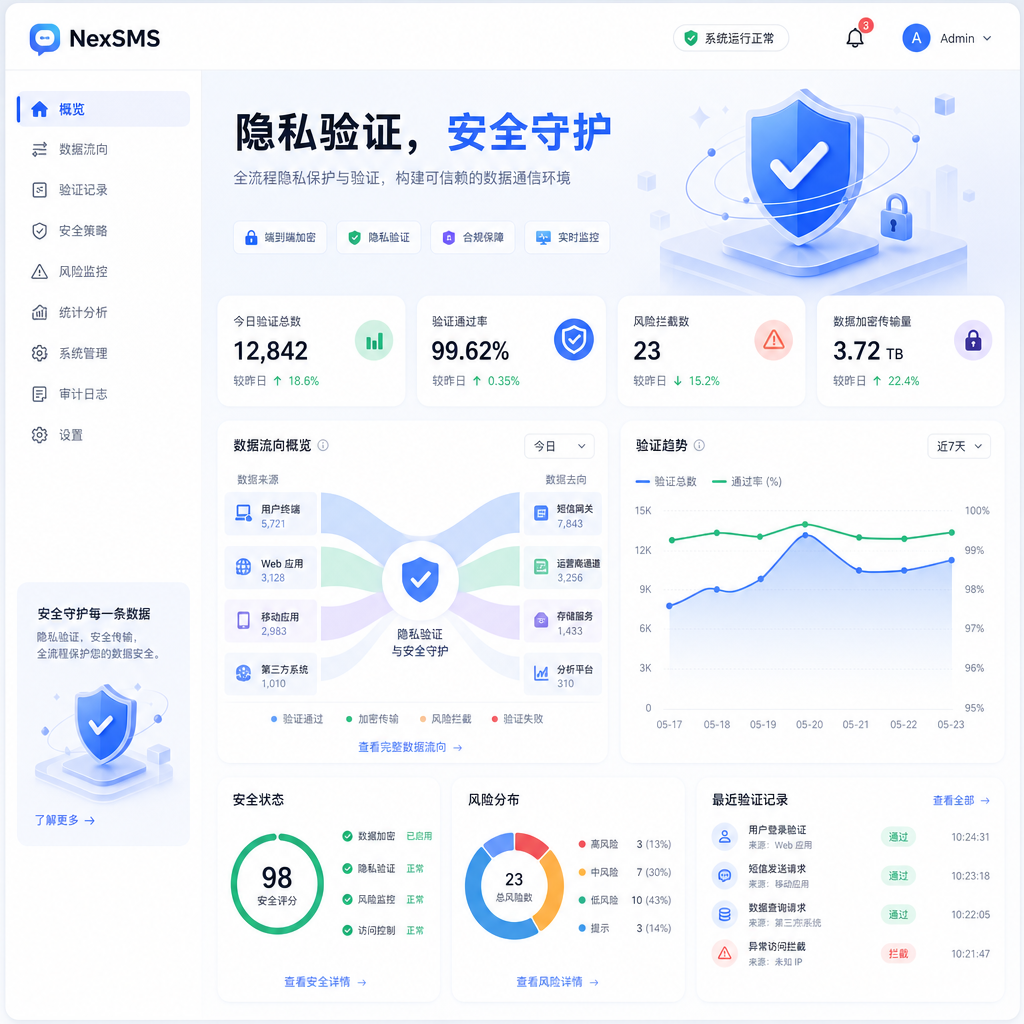
Regulatory Storm: Why Does Hiding Phone Numbers Worry Governments?
However, the rollout of this new privacy-protecting feature has not been smooth sailing. Earlier this month, the Indian government sent an official inquiry to Meta, asking them to pause the promotion of the username feature and submit detailed compliance and anti-fraud explanations. Regulators worry that completely cutting off public display of phone numbers could significantly increase the difficulty of investigating cybercrimes like phishing and impersonation scams.
In fact, an assessment report from India's Ministry of Home Affairs in June had already warned about anonymous mechanisms in tools like Telegram. How platforms balance privacy protection and public safety when providing "phone-number-free" communication is a point of contention. However, for ordinary users, proactively reducing exposure of sensitive contact information while staying compliant remains the most effective means of self-protection.
Privacy Protection Paths for Developers and Everyday Users
As mainstream social platforms continuously refine verification rules, traditional "bare" registration methods face increasing risks. For developers managing multiple test accounts or ordinary users seeking to strictly separate work and life, sensible account management strategies are crucial. Below are effective recommendations:
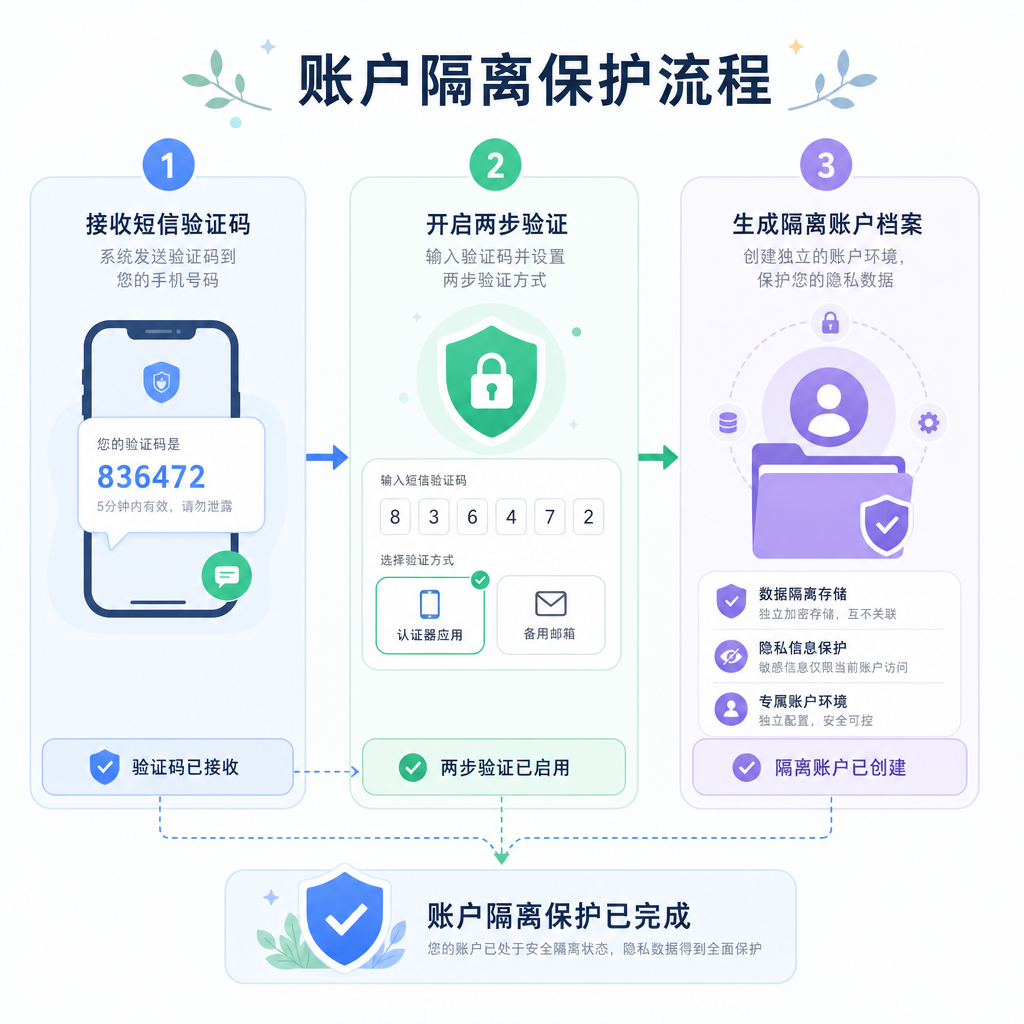
- Account Layering: Decouple your primary personal number from public social accounts. Use SMS verification channels to register sub-accounts for light communication.
- Keep Credentials Reasonably: After creating an account via SMS verification and successfully setting up a username, be sure to enable two-step verification within the app to prevent account loss if the number becomes invalid.
- Avoid Repeated Associations: Do not use one number to bind multiple unrelated third-party services; ensure each app's verification path is relatively independent.
- Pay Attention to Compliance Policies: Since regulations on identity verification differ by region, choose number segments that meet mainstream security standards.
- Choose High-Quality Channels: When receiving verification codes, use high-quality services like NexSMS to effectively avoid blacklisted poor-quality number sources.
When implementing these strategies, enterprises should pay special attention to variations in network policies across regions. For example, the Australian Communications and Media Authority recently introduced new rules for registering business SMS sender IDs to reduce fraud from unauthenticated SMS. Cross-border operations must consider destination countries' compliance requirements for SMS sending channels when adjusting verification mechanisms.
The Future of Privacy Protection
The logic of online identity management is undergoing a fundamental shift. From simple authentication relying on physical phone SIM cards in the past to platforms now exploring passkeys and in-app usernames, the essence is to raise the bar for attackers. During this transitional phase where platform privacy architectures are not yet ideal, users must build their own firewall to protect core information from easy access.
It is foreseeable that the future verification environment will become more fragmented, but also more demanding of users' privacy awareness. How to obtain verification codes safely and efficiently is key to ensuring long-term account usability. Choosing a reliable communication channel and protecting your primary number behind multiple layers remains a wise move to take control in a changing environment.



Comments(0)