 NexSms官方博客
Just last week, a security flaw that sent chills down Android users' spines was exposed: attackers could bypass the lock screen PIN and directly send SMS and social media messages using specific smart assistant gestures—without even unlocking the phone. Not only is your physical phone not necessarily safe when nearby, but remote communication hijacking is also on the rise. The Central Bank of the Philippines reiterated its policy to phase out SMS one-time passwords (OTP) on July 13, and the UK government emphasized stricter regulation against SIM swap attacks that bypass SMS verification codes in its latest Call for Evidence on unauthorized fraud, released on July 15. With personal privacy crises occurring frequently, choosing a secure virtual number to replace physical SIM cards for binding online services has become a mainstream way to protect assets and identities.
Against the backdrop of deep binding between physical phone numbers and assets/identities, "fully exposing" your real number to all internet services is becoming a huge security risk. However, faced with the myriad of SMS receiving platforms on the market, ordinary users often don't know where to start. How do you choose the best privacy defense? It starts with three core comparison dimensions.
1. Why Do We Need to Decouple Physical Numbers from Online Accounts?
A traditional physical SIM card is essentially a communication carrier based on cellular networks. In early internet design, it was assumed to equal the "holder's true identity." But with the normalization of SS7 protocol vulnerabilities and the frequent occurrence of fake base stations and malicious lock screen exploits, a single unencrypted plaintext SMS can no longer form a solid line of defense.
Worse still, modern websites and apps frequently suffer database breaches. Once criminals obtain your phone number and associated email, they can reset your passwords through social engineering. Decoupling routine platform registrations, app testing, and overseas business expansion from your core personal number is the first step to preventing privacy leaks. Using SMS receiving for account isolation has evolved from a techie niche to an essential survival skill for ordinary netizens.
2. Three Hard Indicators for Evaluating Virtual Numbers
Before deciding on a defense plan, understanding the criteria for selecting tools is crucial. The number resources on the market vary greatly, and not every number can successfully receive verification codes from target websites.
Specifically, we need to focus on three dimensions:
- Network Type (VoIP vs. Non-VoIP): Many high-risk-control platforms (such as mainstream overseas AI tools or cross-border e-commerce sites) check operator databases to identify whether a receiving number is a VoIP number. Non-VoIP physical SIM resources typically have higher pass rates.
- Number Pool Cleanliness and Recycling Mechanism: If a number has been repeatedly used to register on the same platform, it will be flagged as a spam number. High-quality platforms provide strict "secondary verification" defenses to ensure that the number assigned to you is exclusive during the service period.
- Operator and Geographic Coverage: Risk levels for different platforms vary greatly by region. The ability to provide diverse native operator numbers directly determines whether a service can be successfully deployed.
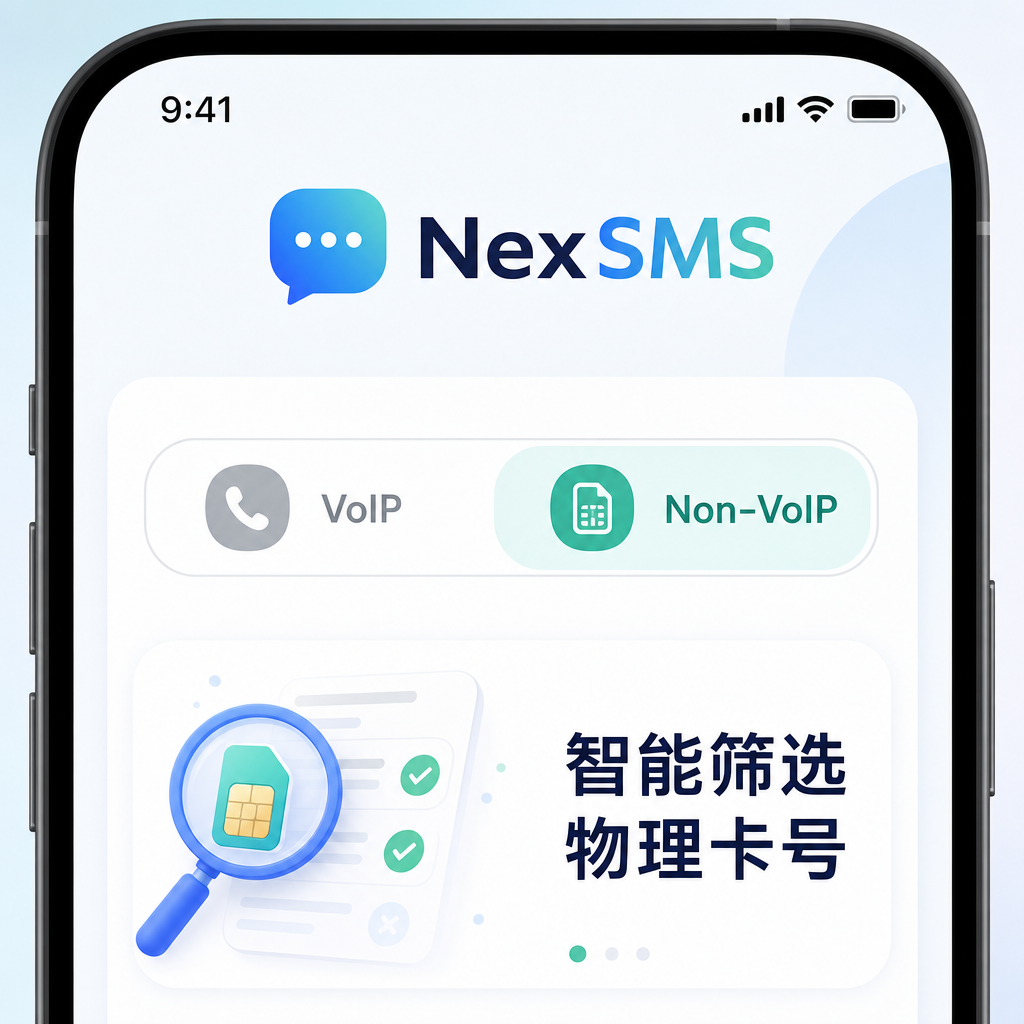
Furthermore, virtual numbers must have good platform compatibility because many strict risk control systems actively block low-cost number ranges.
3. From Public Channels to Exclusive Private Cards: In-Depth Comparison of Different SMS Receiving Solutions
Currently, mainstream SMS receiving solutions on the market can be broadly categorized into four types. Understanding their pros, cons, and applicable scenarios helps us make rational decisions when using them.
First is free public SMS receiving. These websites publicly offer temporary numbers from multiple countries, and anyone can view SMS content directly on the webpage. While zero-cost, any private information here is completely exposed, and most high-value websites have blacklisted them.
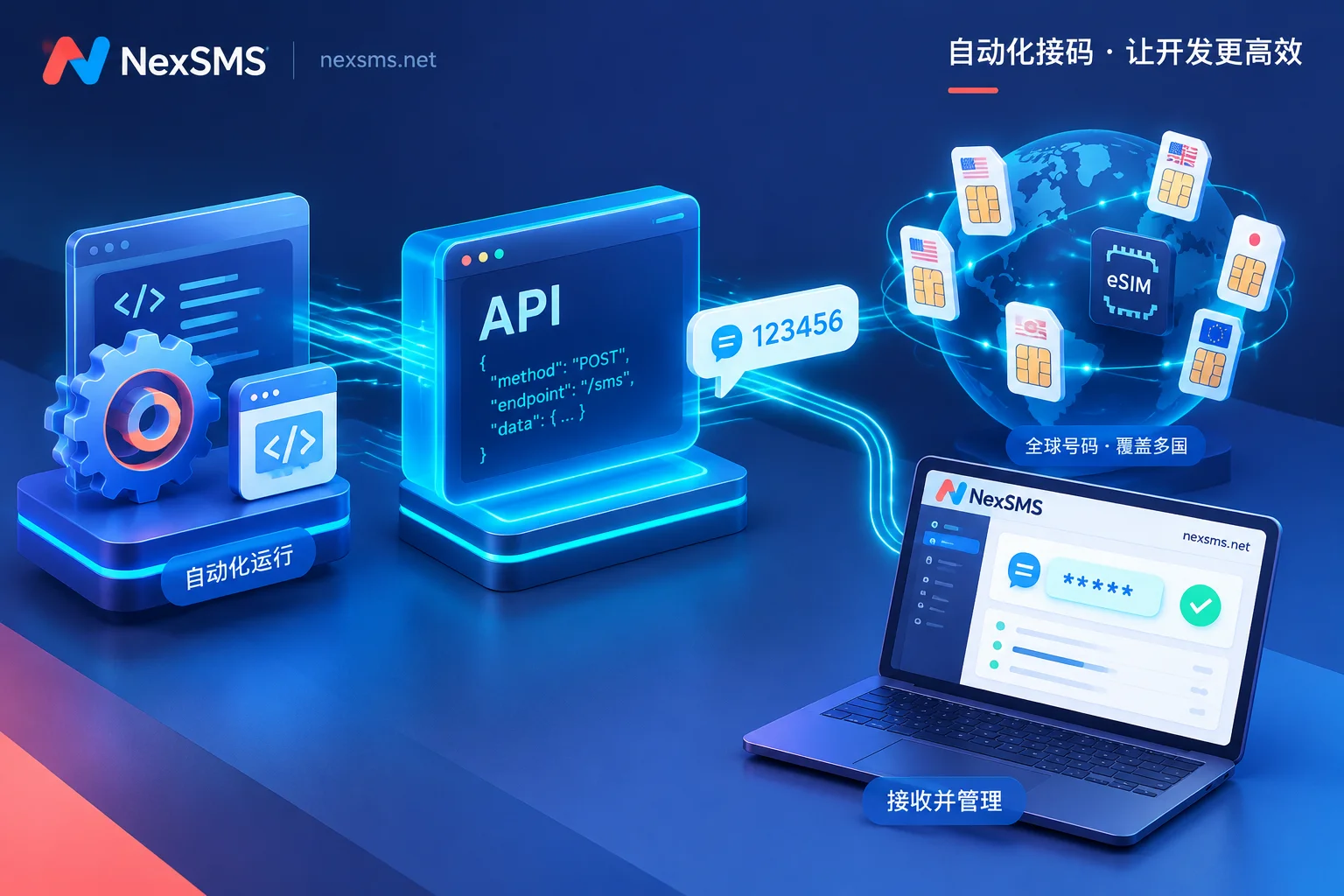
Second is paid temporary SMS receiving. It features single payment, pay-as-you-go. These solutions offer the best cost-effectiveness when you need to register for an obscure website or conduct temporary project testing. When choosing a provider, NexSMS offers multi-country number resources and efficient APIs, typically with multiple rounds of number pool cleaning to ensure first-time success for temporary receiving.
Third is long-term rental of virtual numbers. Designed for scenarios requiring two-factor authentication or long-term business binding. Users can exclusively hold a number for a specified period (e.g., one week or one month) and receive multiple SMS messages anytime, suitable for fine-grained operations.
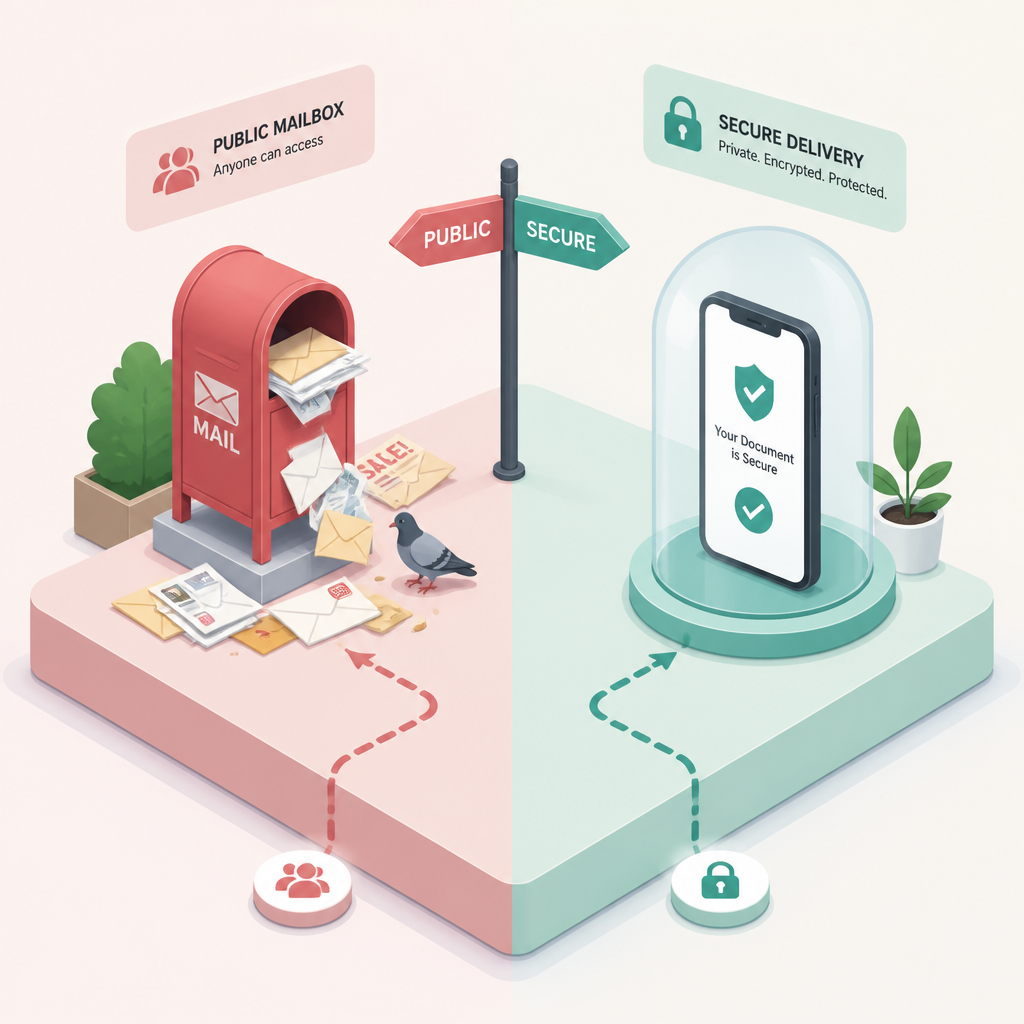
Last is non-VoIP real physical SIM card hosting. These numbers are backed by real physical servers and SIM card banks. In the eyes of target websites, they are indistinguishable from normal personal mobile phones and can pass almost all strict risk control thresholds, but their maintenance costs are also the highest.
4. How to Make Selection Decisions in Real Scenarios?
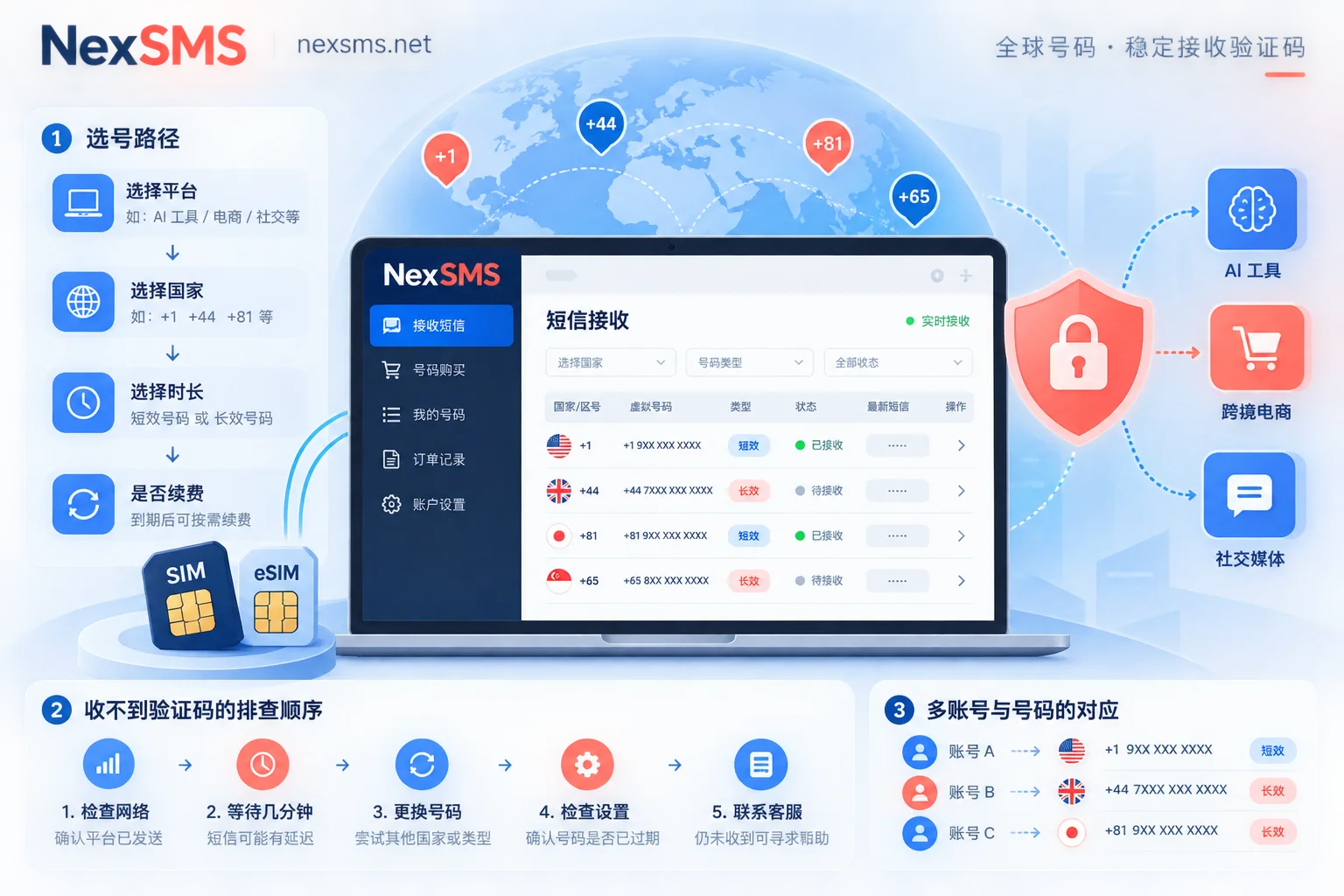
When choosing a virtual number solution, we need to clarify our core needs. Based on business value, cost sensitivity, and risk control intensity, we can summarize the decision path as follows:
- Light Testing: For registering forums, download sites, etc., that do not involve personal finances or sensitive data, ordinary paid temporary solutions suffice—low cost.
- Core Account Operations: For accounts like social media or overseas business that require long-term login and may face secondary risk control verification at any time, long-term exclusive channels should be prioritized to avoid losing the account due to number loss.
- High-Risk Finance and Advanced AI Interfaces: For top-tier financial tools or high-value applications with extremely strict identification strategies, it is best to choose non-VoIP channels based on physical SIM cards.
Security and convenience always sit on opposite ends of the scale. Instead of frantically changing passwords and freezing accounts after a privacy leak, it is better to build a solid firewall for your digital assets through reasonable number segregation at the source.


Comments(0)