 NexSms官方博客
For independent developers and technical teams who need to call cloud-based large model APIs, smoothly obtaining a platform key is the first step in advancing a project. However, many people got stuck at the final step of SMS phone verification when registering for the NVIDIA build platform to gain NIM interface access.
In mid-July 2026, the technical support section of the NVIDIA official developer forum was suddenly flooded with help-seeking posts. The official administrator later pinned an announcement confirming that the platform's verification gateway was experiencing delivery anomalies in some regions. Faced with dynamic verification codes that never arrived and false risk control alerts, many developers successfully completed identity verification through professional SMS receive solutions and obtained model interface access permissions.
Verification Deadlock: First Submission Triggered Risk Control Block
A developer building an AI Agent automated operations tool shared his experience. To test the latest open-source large language model, he needed to apply for a NIM API key on build.nvidia.com with 40 free requests per minute. After completing the basic setup of email and development environment, the system popped up a mandatory phone number verification window.
When he entered his regular mobile number and clicked send, instead of a countdown, the page directly prompted: "This phone number has exceeded the limit. Please change the number or try again later." Yet this was his first time binding a number on that platform.
In panic, he tried multiple devices and different browsers within 10 minutes, but the system flagged it as abnormal high-frequency requests and locked the account's verification entry for 24 hours. On the NVIDIA community forum, similar cases of verification deadlock due to gateway misjudgment surged in the past week.
Why Regular Phone Numbers Fail on Developer Platforms
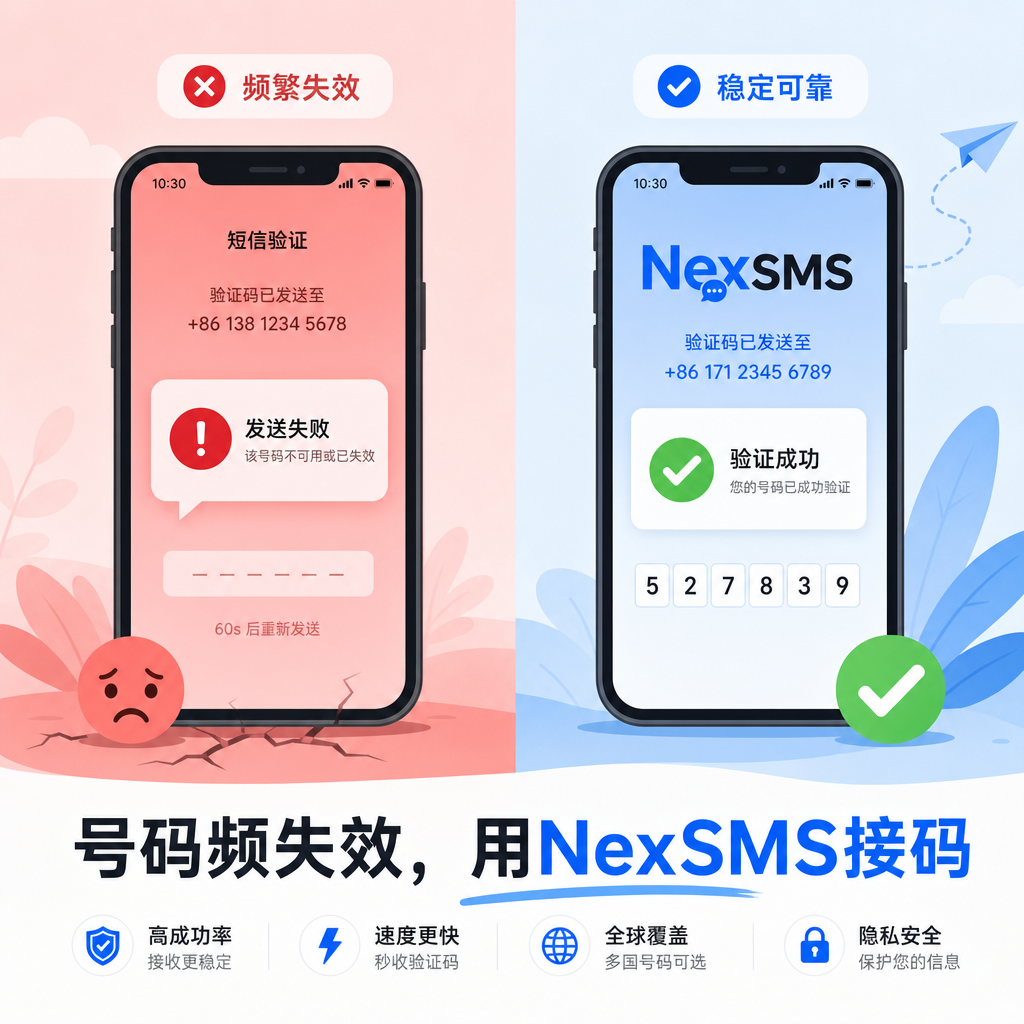
Developer platforms often have stricter risk control mechanisms than ordinary applications, especially when dispensing free compute or API quotas. Analysis of the widespread verification failure points to three technical bottlenecks in the underlying communication channels:
First, international SMS gateway blocking. Major AI development platforms typically use cross-border SMS services to distribute dynamic verification codes. Some regional carriers automatically identify such international messages containing short links or specific code patterns as spam and silently block them at the backbone network level.
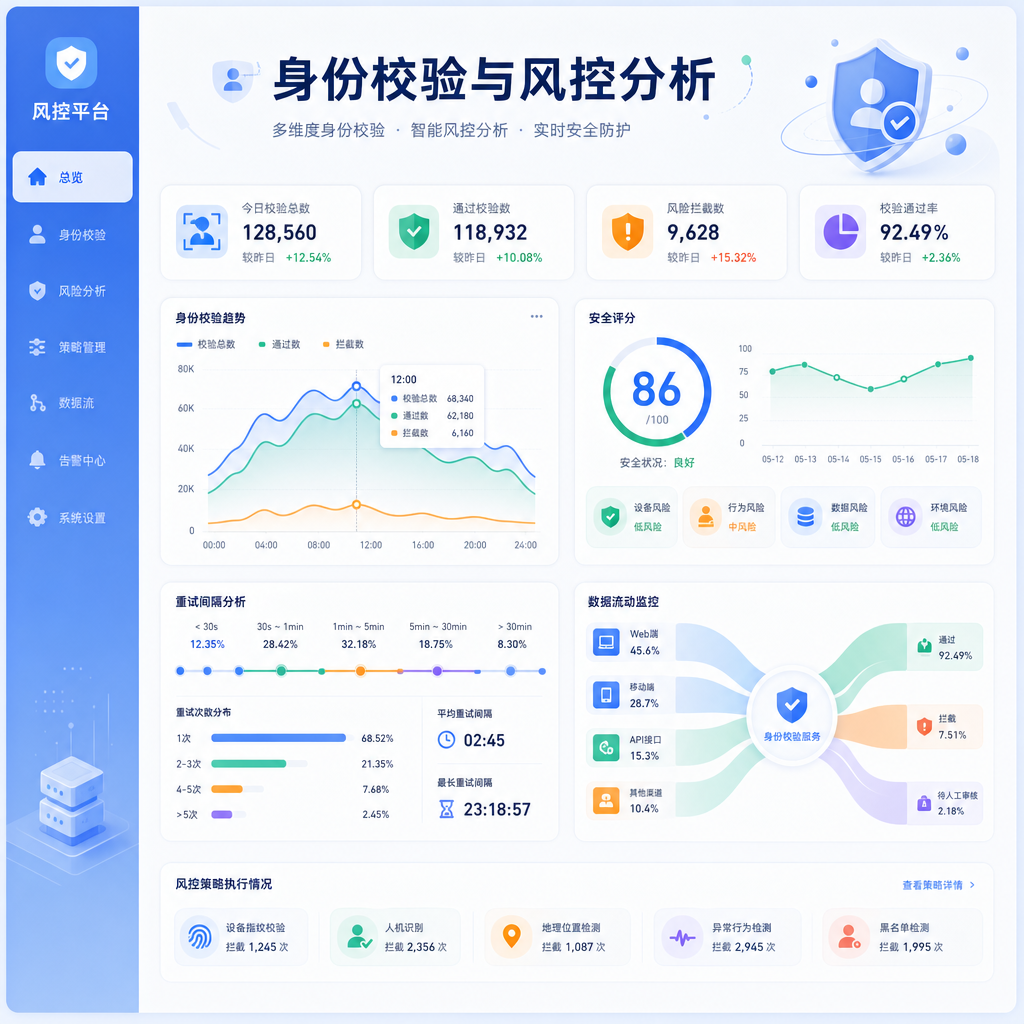
Second, strict number type detection. To prevent automated scripts from bulk harvesting API quotas, the platform's security gateway checks the number's attribute database in real time. Common VoIP virtual phone numbers are directly blacklisted, causing requests to be blocked before sending.
Third, dynamic adjustment of supported region list. During certain periods, the platform may temporarily restrict country codes for anti-fraud strategies, so even if the user's input format is fully compliant, the system will not send SMS to that number range.
Bypassing Channel Risk Control with Compliant SMS Receive Services
After waiting days for a manual support ticket with no result, the developer decided to change strategy and follow a standardized re-verification process.

First, thoroughly reset the local verification environment. He cleared all browser cache and cookies, disabled network proxy plugins that might cause IP anomalies, and reopened a clean login session after the account cooldown period ended.
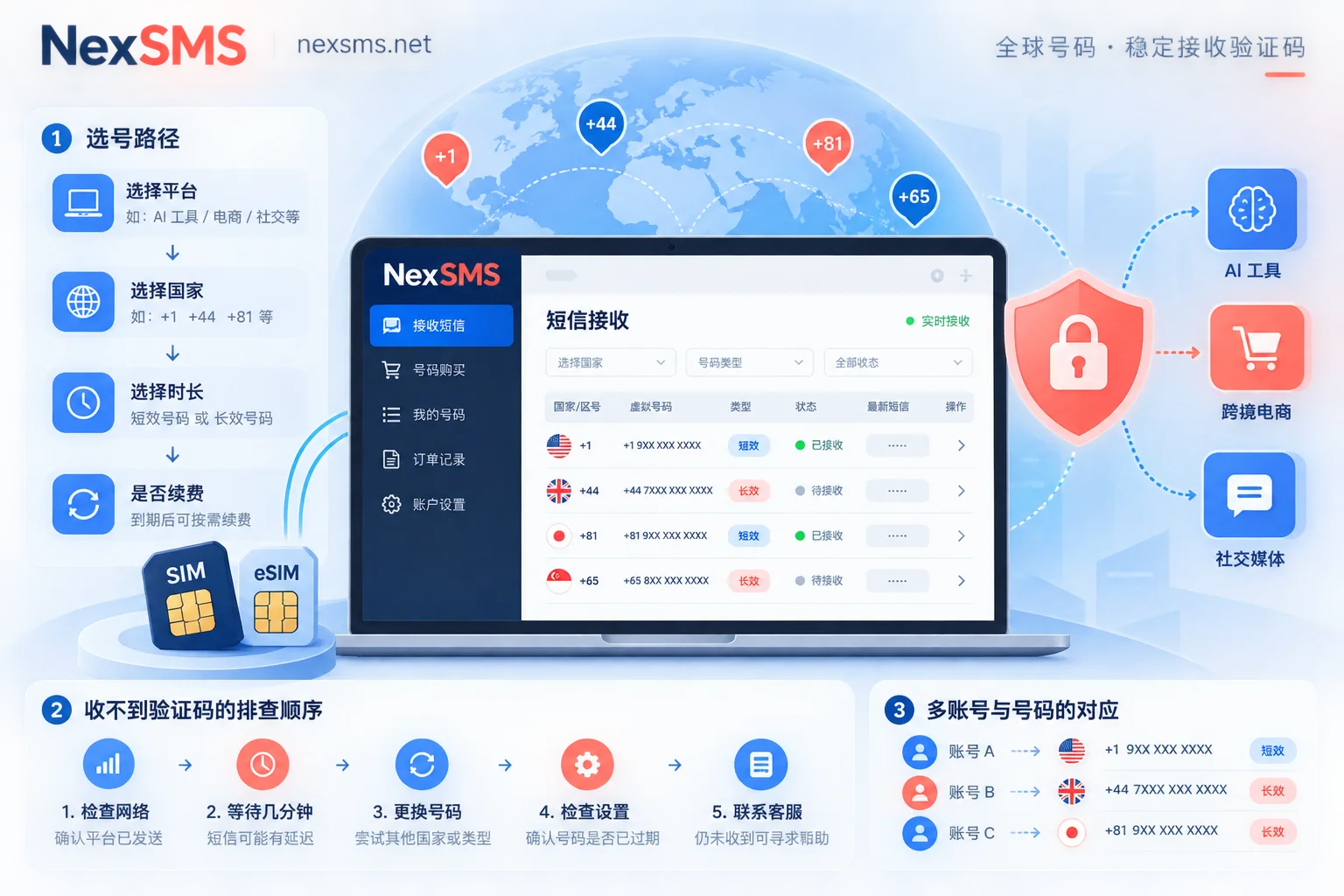
Then, when selecting available solutions, the team turned to the NexSMS platform, which supports real carrier number segments. The numbers provided by NexSMS have compliant communication lines, effectively bypassing the strict VoIP filtering on the development platform.
After obtaining a usable overseas real carrier number, the developer accurately selected the corresponding country code on the NVIDIA verification page and entered the number. Upon clicking send, the NexSMS console received the 6-digit dynamic verification code within 8 seconds. Entering the code within the 90-second validity period, the system instantly displayed verification passed, and the API Key was successfully generated and integrated into the local test environment.
Core Experience for Developers Facing Strict Identity Verification
Based on this complete process from setback to resolution, developers facing strict overseas platform verification can refer to the following practical tips:
- Avoid blind high-frequency retries: Once the first attempt shows an abnormal number or limit exceeded, do not click send repeatedly. Wait at least 15 minutes before retrying to prevent triggering temporary system-level IP or account bans.
- Stay away from public free SMS receive pools: Public numbers on shared SMS receive platforms have been used thousands of times for various account registrations and are already blacklisted by major tech companies' risk control engines.
- Prioritize non-VoIP real carrier number segments: When facing strict developer platforms, only number segments belonging to formal mobile operators can reliably pass anti-fraud system attribute checks.
- Properly back up keys and credentials: After successfully passing verification and generating an API Key, save the configuration information in a secure environment variable immediately to reduce the frequency of triggering phone verification again due to environment changes.


Comments(0)