 NexSms官方博客
Freelancers face a barrage of daily tasks: taking on new projects, signing up for collaboration tools, trying AI writing or design platforms, listing portfolios, or even buying office supplies—almost every step requires phone verification. Use your main number, and the next day spam texts and sales calls flood in. Worse, multiple accounts get tied together, blurring your privacy boundaries.
Virtual numbers hit this pain point perfectly. They don't rely on a physical SIM; they receive SMS over the internet. Verification codes appear instantly, and you can discard the number after use, keeping your main number pristine. Many remote workers and independent entrepreneurs now use them as a daily staple to separate work and personal communications.
Let's start with real-world scenarios. When you arrive in a new city or start a new business line, you might need to register for food delivery, ride-hailing, cashback apps, and local marketplaces—all in one morning. Using your main number for all of them quickly lands you on various marketing lists. Switch to a virtual number: receive the code, toss it, and your main number continues to receive only truly important messages. Similarly, when testing new AI tools, Discord communities, Telegram channels, or listing on e-commerce platforms, a temporary number can quickly pass verification without exposing your real number to platform-linked accounts.
Shopping and promotional registrations are also high-frequency needs. Claim a discount code, sign up for a membership, fill out a trial form—once your main number is leaked, promotional messages never stop. Using a virtual number exclusively for such verifications keeps spam at bay. Freelancers often need to manage multiple client tools or portfolio accounts; virtual numbers help you completely separate work and personal lines, eliminating the need to carry two phones.
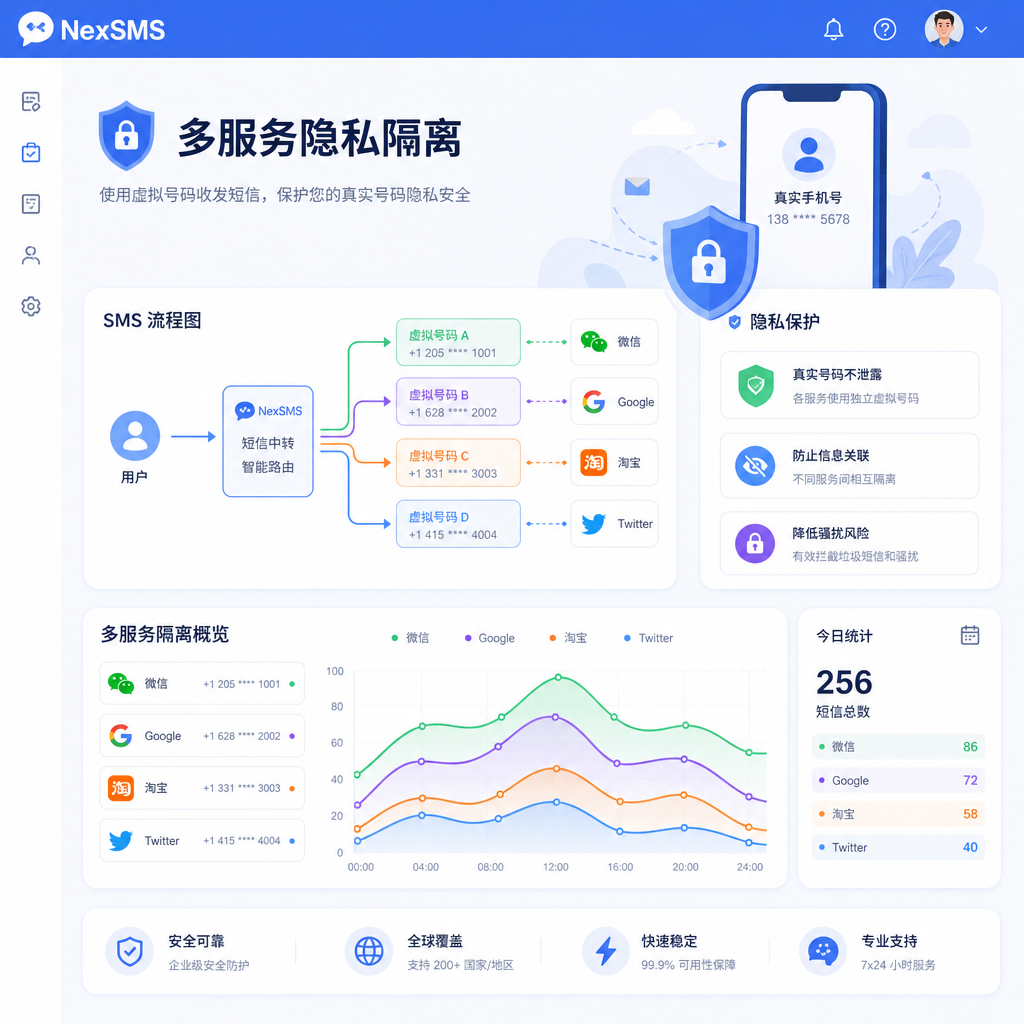
How to get started reliably? Prioritize services that offer dedicated or relatively stable numbers, rather than fully public shared ones. Shared numbers are free and quick but have unstable success rates, may be flagged by platforms, and expose content to anyone, posing high privacy risks. Dedicated numbers or short-term rentals are better for scenarios requiring repeated receipts or sustained use. Platforms like NexSMS are practical in this regard, supporting numbers from multiple countries, fast code delivery, suitable for daily verification needs, and intuitive to operate.
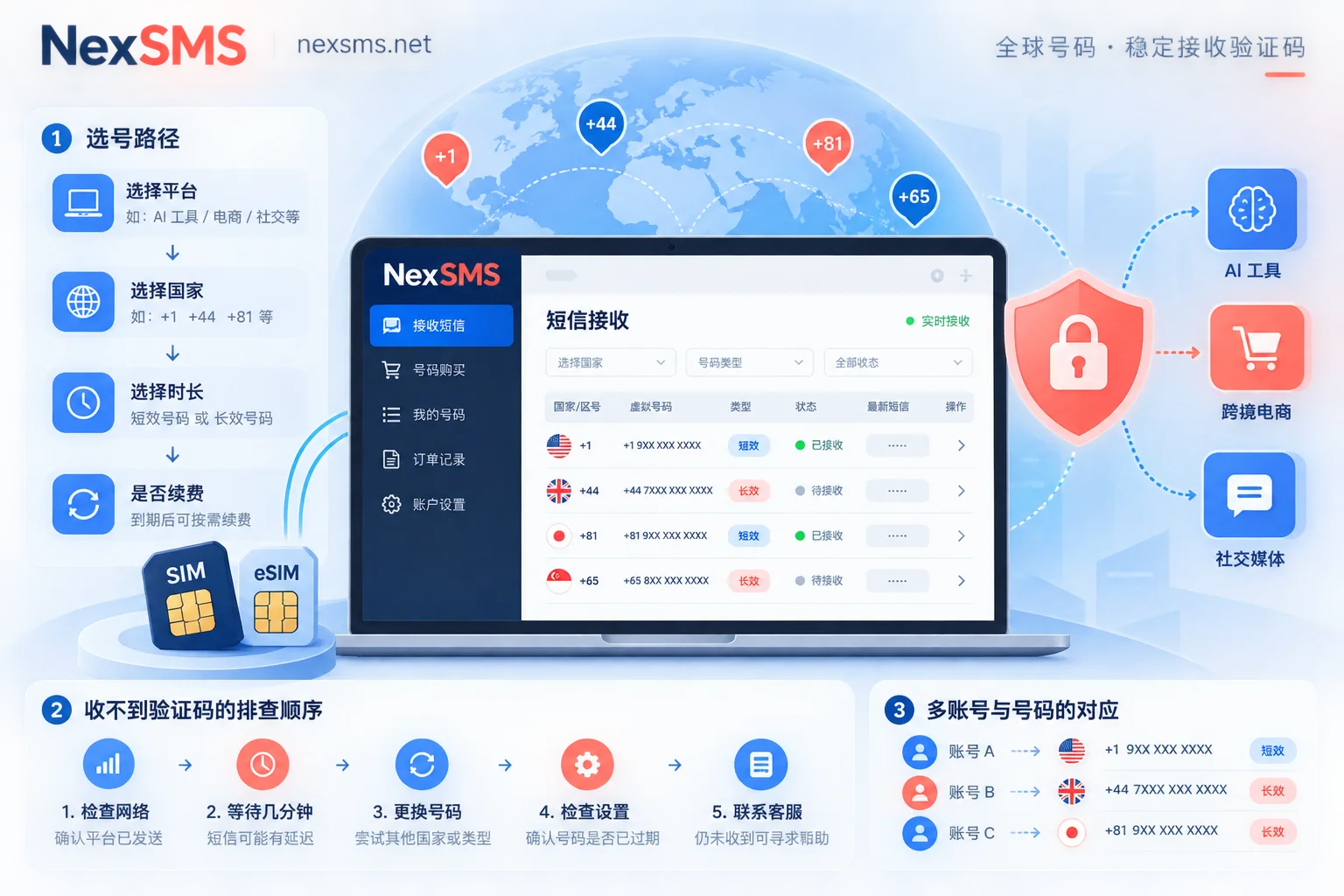
The steps are straightforward: choose a platform, select a number from the target country (preferably matching the service's preferred region), copy it to the registration page, wait for the verification code, and paste. Test with a non-critical service first to confirm stable delivery. For non-sensitive tools requiring long-term 2FA, you can rent a number for a period to facilitate subsequent logins. The virtual number capabilities provided by NexSMS cover such multi-service switching, helping you quickly complete verification without exposing your main number.
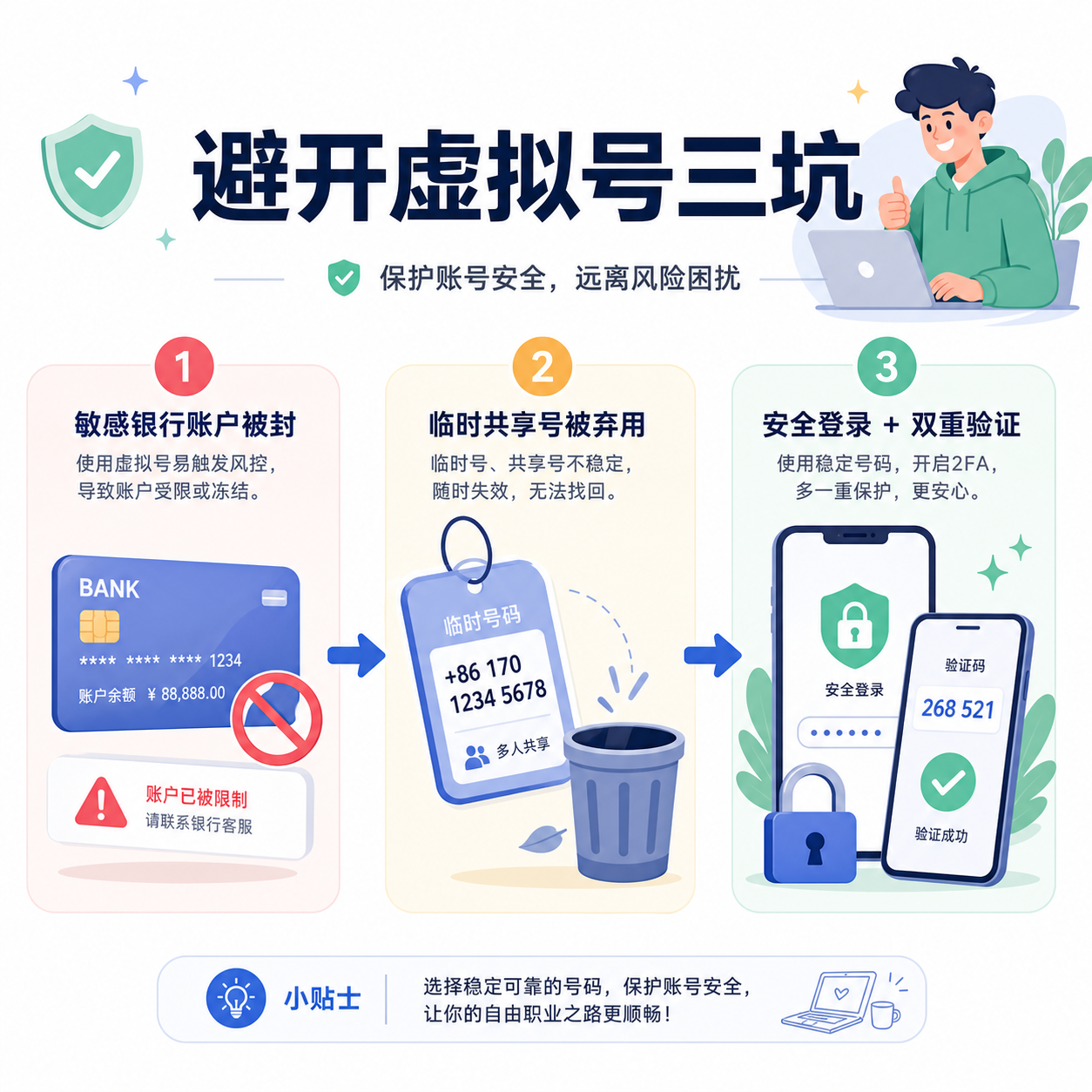
Several pitfalls must be avoided. First, never bind virtual numbers to bank, payment, or government accounts. Many platforms outright reject VoIP or temporary numbers, and even if they pass, number recycling or expiration can directly lock you out of your account. Sensitive accounts should use your real main number or more robust authentication methods. Second, don't treat shared/one-time numbers as permanent. They are designed to be short-lived; after recycling, others may receive old verification codes intended for you, or inherit previous spam. Third, don't slack on account security. Virtual numbers don't encrypt all risks; use strong passwords plus two-factor authentication for the SMS platform, and regularly check activity logs.
On the security front, reputable providers use encrypted transmission and account protection measures, and strive to minimize number recycling. When choosing, check if the privacy policy is clear, if compliance notes exist, and if support channels are reliable. Free services without any privacy statement should be avoided. NexSMS emphasizes privacy protection and stable code reception in its general capabilities, suitable for freelancers' daily use without over-binding sensitive information.
A few more practical details. Before registering, confirm the target platform's acceptance of virtual numbers—social and AI tools are usually lenient, while financial ones are strict. Complete the operation promptly after receiving the code, don't delay. If managing multiple numbers, keep a record of which number corresponds to which service to avoid confusion. When collaborating remotely, a virtual number can serve as a work contact; clients' texts won't hit your personal phone directly.
Daily habits also matter: reserve your main number for family, core clients, and banks; everything else goes through virtual numbers. If you notice any suspicious SMS, change or deactivate the number immediately. Periodically clean up unused accounts to reduce exposure. This way, your main number stays clean, and your workflow stays smooth.
Freelancers' toolchains are only getting longer, and verification needs will only increase. Use virtual numbers correctly, and you can achieve both privacy and efficiency. Choose a reliable SMS service like NexSMS, combine it with these details, and multi-service registration becomes a breeze. Try it a few times, and you'll find your main number can finally stay quiet.


Comments(0)