 NexSms官方博客
Now many people use dating apps like Tinder, Bumble, and Hinge to find partners, and almost all require phone number verification during registration. Many casually enter their primary number. What happens next? After matching and chatting a few times, the other person asks for the number, you give it, and then various troubles follow.
Recent industry discussions and real cases point to one thing: dating apps are one of the biggest scenarios for temporary number demand. The reason is straightforward—once you hand over your phone number, you essentially give a stranger the key. They can reverse lookup your social accounts, real name, and even address, and data brokers can link the number to more information. Surveys show that over 60% of female users have experienced inappropriate contact after matching, and males have similar situations but less frequently. Worse, scammers like to move conversations to SMS or WhatsApp, then start their schemes—emergency pleas, investment opportunities. Your primary number also becomes a target for spam texts and harassing calls.
Using a virtual number cuts this link. You use it for app verification, early chats go through it, and only switch to real contact information when you feel right. If not, you can deactivate or change the number without affecting your primary number at all. This isn't sneaky—it's a normal privacy buffer, like using a P.O. box for mail.
Why Dating Apps Are Particularly Strict and Free Public Numbers Often Fail
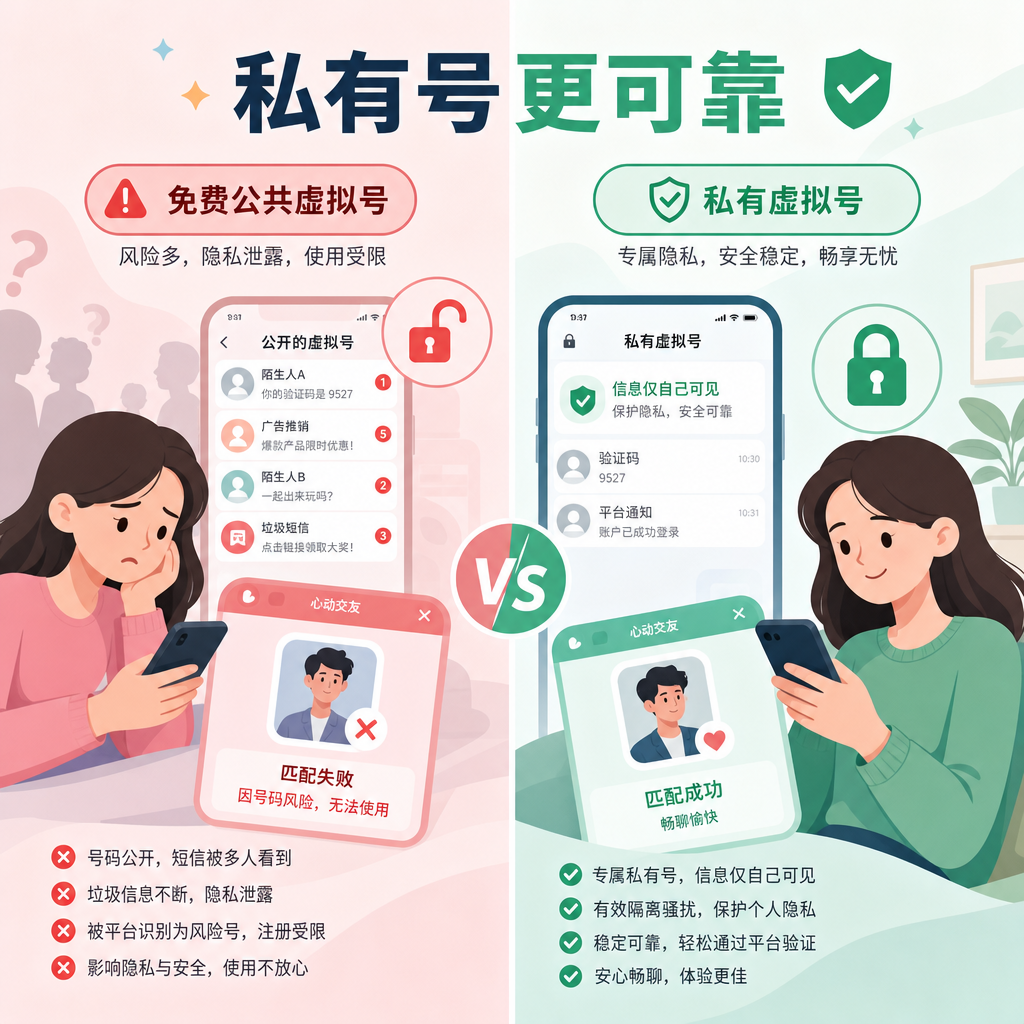
Dating platforms tighten verification to prevent bots. Many check the number type: whether it's a real mobile number or a VoIP virtual number. Numbers from free public SMS receiving sites are often shared by many, already flagged, so Tinder and Bumble frequently reject them outright, or verification codes never arrive.
Industry accounts have repeatedly reminded: for high success rates, prioritize non-VoIP real mobile line virtual numbers. Shared public numbers, though zero cost, have dirty histories, are easily blacklisted, and have low success rates. Private exclusive numbers are different—only you use them, receiving is stable, and they can be kept long-term for ongoing chats. Some services also support multi-country numbers, convenient for matching local users or traveling.
IP address also matters. If you register with a U.S. number but your phone IP shows another country, the system may flag it as anomalous. Turn off weird-location VPNs, or choose a number region close to your actual location for higher success.
Practical Steps: From Registration to Daily Use
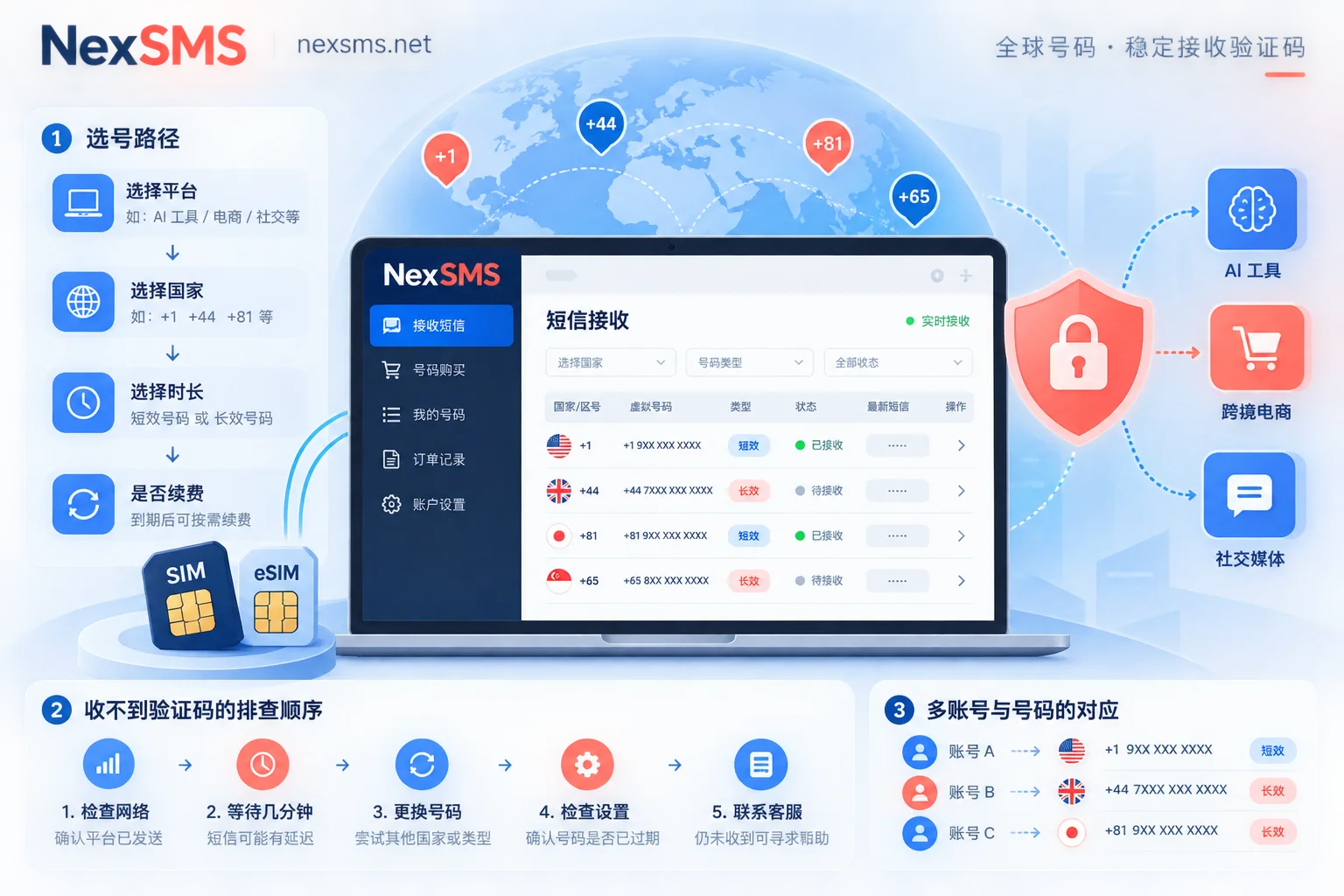
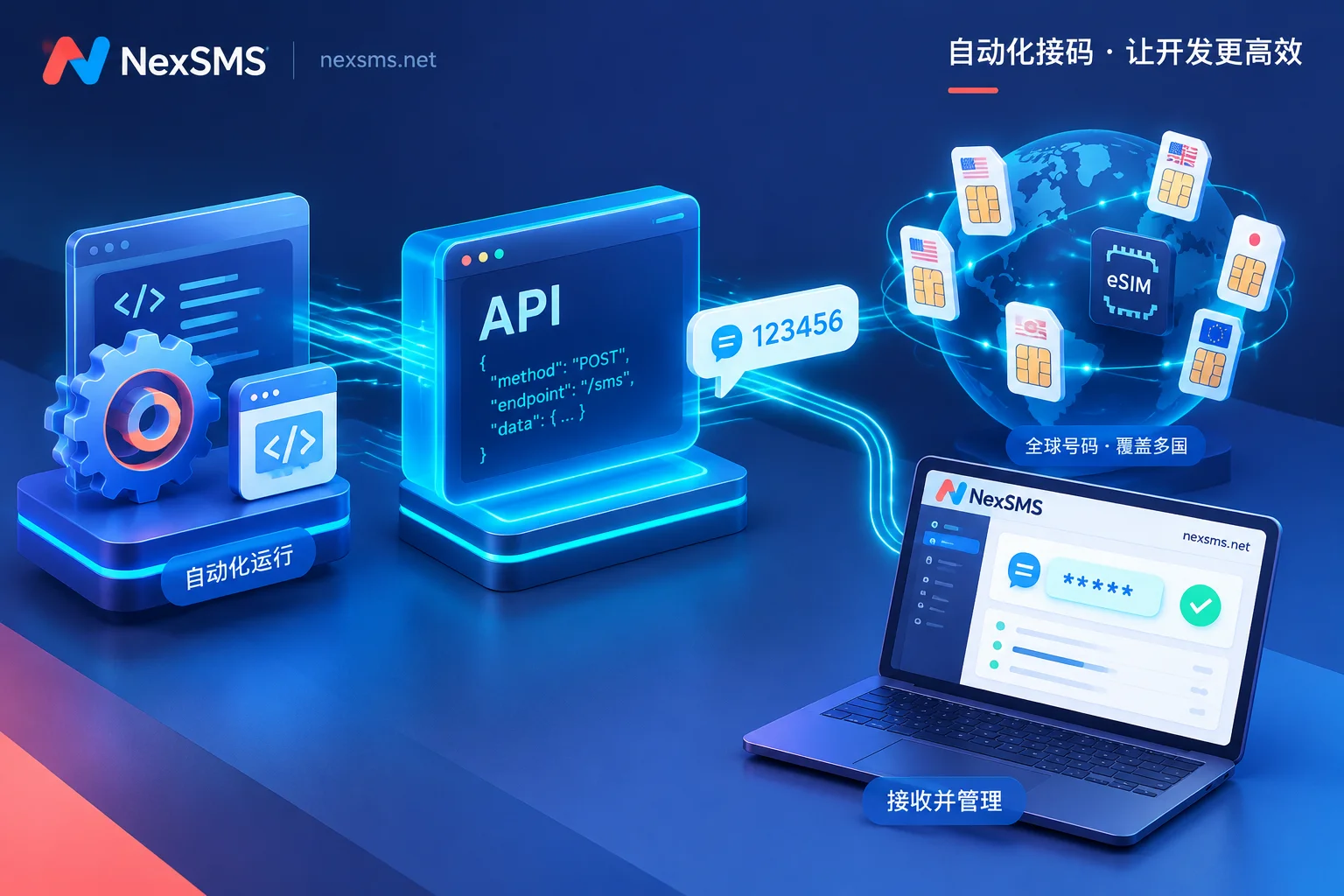
First, choose a reliable SMS receiving service. Look for one that supports multi-country virtual numbers, has non-VoIP options, and can receive SMS stably. Platforms like NexSMS specialize in providing such capabilities, helping you quickly get a usable number, protect your primary number privacy, and support common app verification scenarios. After registering, select a country/region and pick a number that looks clean.
Second, use the virtual number to complete app registration. Open Tinder or Bumble, enter this number, and wait for the verification code. Generally, it appears on the platform page or app within seconds. Enter it and finish your profile. Remember, don't rush to bind too many apps with a newly registered number—first warm up one main account, then try others after a few hours to avoid being seen as batch operation.
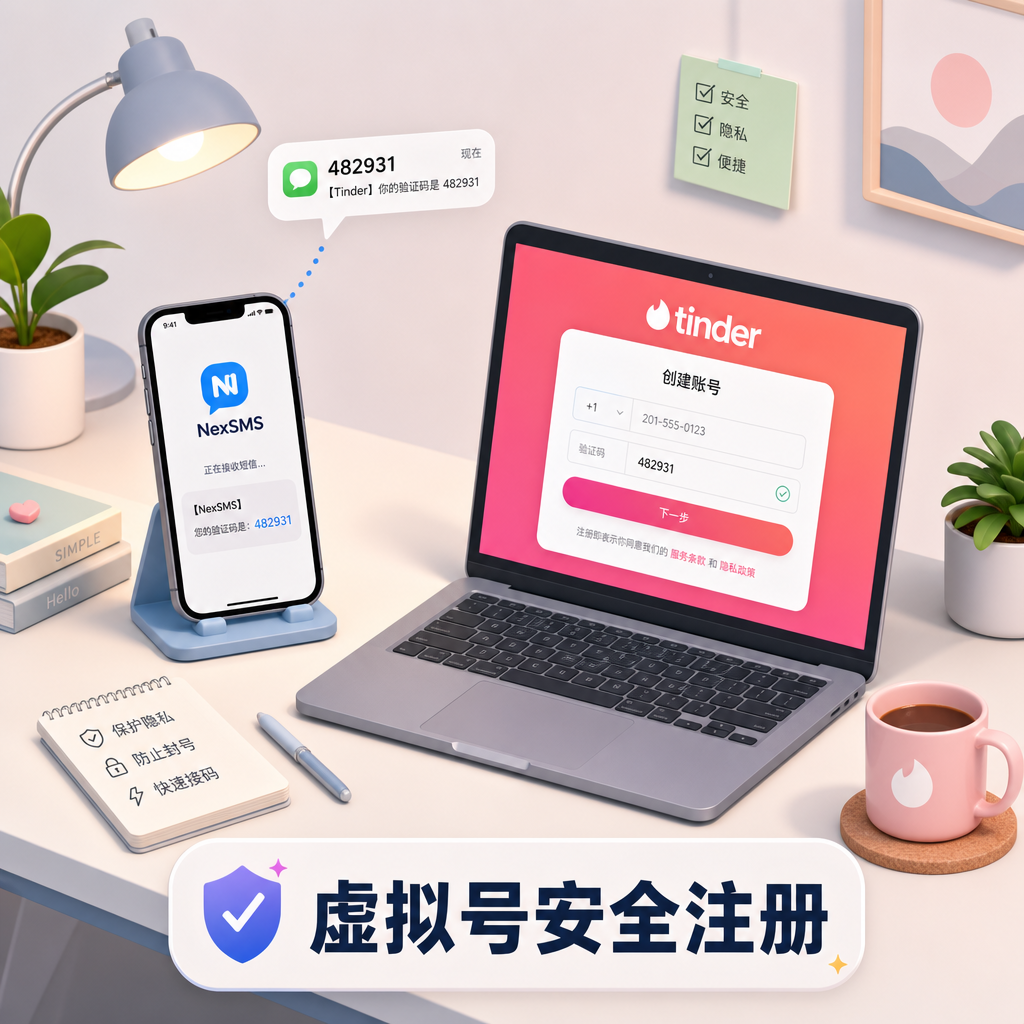
Third, use the virtual number for early chats. When the other person asks for your number, give this virtual one. You can send and receive SMS and even calls normally (depending on whether the service supports it). Conversations stay within your control. If it feels right, switch to your primary number; if not, simply block or change the number on the service side.
Fourth, combine with other safety habits. Keep conversations within the app as much as possible, using its reporting and blocking features. Before and after meeting, verify identity via video, choose public places, and inform friends of your itinerary. Use a separate email to register for dating apps, not linked to your main social accounts. Reverse image search the other person's profile picture is also basic.
If you need long-term use, choose renewable private numbers. Some services also support encrypted payments, further reducing personal information exposure. Free methods like combining VPN with specific apps to get VoIP numbers have been tried, but dating platforms are increasingly sensitive to VoIP, often failing, so stable non-VoIP options are more reliable.
Common Misconceptions and Pitfalls
Myth 1: Just grab any free public number. These numbers have publicly visible messages, poor privacy, and low success rates. For dating scenarios, private numbers are recommended.
Myth 2: Immediately use a newly obtained number to register on multiple apps. Systems monitor behavior patterns, easily triggering risk controls.
Myth 3: Severe mismatch between IP and number region. This is a common stumbling block for yellow-flag platforms (including most dating apps).
Myth 4: Think you're safe once verification passes, and give out your real number too early. Before trust is established, the virtual number is your firewall.
Also, don't just abandon numbers after use. Periodically check if they can still receive texts, and rotate when necessary. Adhere to platform rules—don't use them for fake personas or illegal operations. This is a legitimate privacy tool, not a cheat device.
Real-World Scenarios
Scenario 1: A newcomer using dating apps for the first time. Register directly with a virtual number to avoid primary number exposure from early matches. Only switch after establishing rapport.
Scenario 2: Travelers. In a new city wanting to try local apps, temporarily rent a local number, discard after use, leaving primary number untouched.
Scenario 3: Multi-app testing or starting fresh. Use different virtual numbers for separate apps to isolate risk. If one number gets harassed, simply deactivate it without affecting others.
Scenario 4: Users who've already suffered. Previously leaked primary number, now completely isolate it and rebuild accounts with virtual numbers.
NexSMS in these scenarios provides multi-country virtual number support, helping you quickly receive codes for verification while keeping operations simple, suitable for daily privacy protection needs. No need to fuss over complex settings—just focus on chatting with reliable people.
Overall, virtual numbers are not a panacea, but they block the biggest risk point—primary number exposure. Combined with in-app safety features and personal vigilance, the dating experience becomes much more relaxed. Recent industry trends show more people treating this as standard, especially privacy-conscious users. Try it once, and you'll know: your primary number stays clean, and your mindset improves.
When operating, pay attention to number freshness and type, and success rates will naturally increase. If you encounter code reception issues, first check if VoIP is blocked, try non-VoIP, or use voice verification options (some platforms support). Stick with these practices, and privacy protection will be in place.


Comments(0)