 NexSms官方博客
When registering a new account, entering a virtual number only to see "Number not supported" or waiting forever for a verification code—it's frustrating, right? Many people's first reaction is that the platform is too strict or the number quality is poor. But in 2026, verification logic is no longer as straightforward as just sending an SMS. Platforms have layered multiple detection mechanisms behind the scenes, and the declining success rate of virtual number verification is precisely due to these mechanisms at work.
Let's first break down the common detection layers. The most basic is HLR (Home Location Register) lookup. Before sending the code, the platform checks the number's归属 and line type: is it a real mobile number or a VoIP virtual line? Many batch-provided temporary numbers are flagged directly as VoIP, leading to hard blocks or soft restrictions on accounts. Google has been stricter with known VoIP ranges since late 2024. Next is number age scoring. Numbers activated just a few hours ago naturally have high risk scores; numbers a few months old have significantly better pass rates, with a threshold around 30–60 days depending on the platform.
Behavioral signals are more subtle. Platforms track how many accounts a single number has verified and at what frequency. Numbers that verify a dozen accounts within a week are easily identified as belonging to a disposable pool. IP and carrier matching are also critical: using a US T-Mobile number but submitting from a European data center IP raises a red flag immediately. Add to that carrier reputation databases—if an entire number range has historically been used for mass registrations or fraud, all numbers in that range are affected. Together, these layers mean pure VoIP or publicly recycled temporary numbers often have success rates of only 20%–40%, while real mobile lines with matched IPs can achieve over 95%.
Different platforms have varying strictness. Social, messaging, food delivery, and e-commerce platforms are relatively lenient; as long as the number isn't heavily contaminated, most temporary virtual numbers pass. WhatsApp, Google, and some dating apps fall in the middle ground: SMS might be blocked, but voice call verification sometimes still works. Banking, payment, and government services almost always require real mobile numbers; virtual numbers have little chance. Free public pools have high failure rates mainly because numbers are used repeatedly, have "dirty" histories, and low reputation scores.
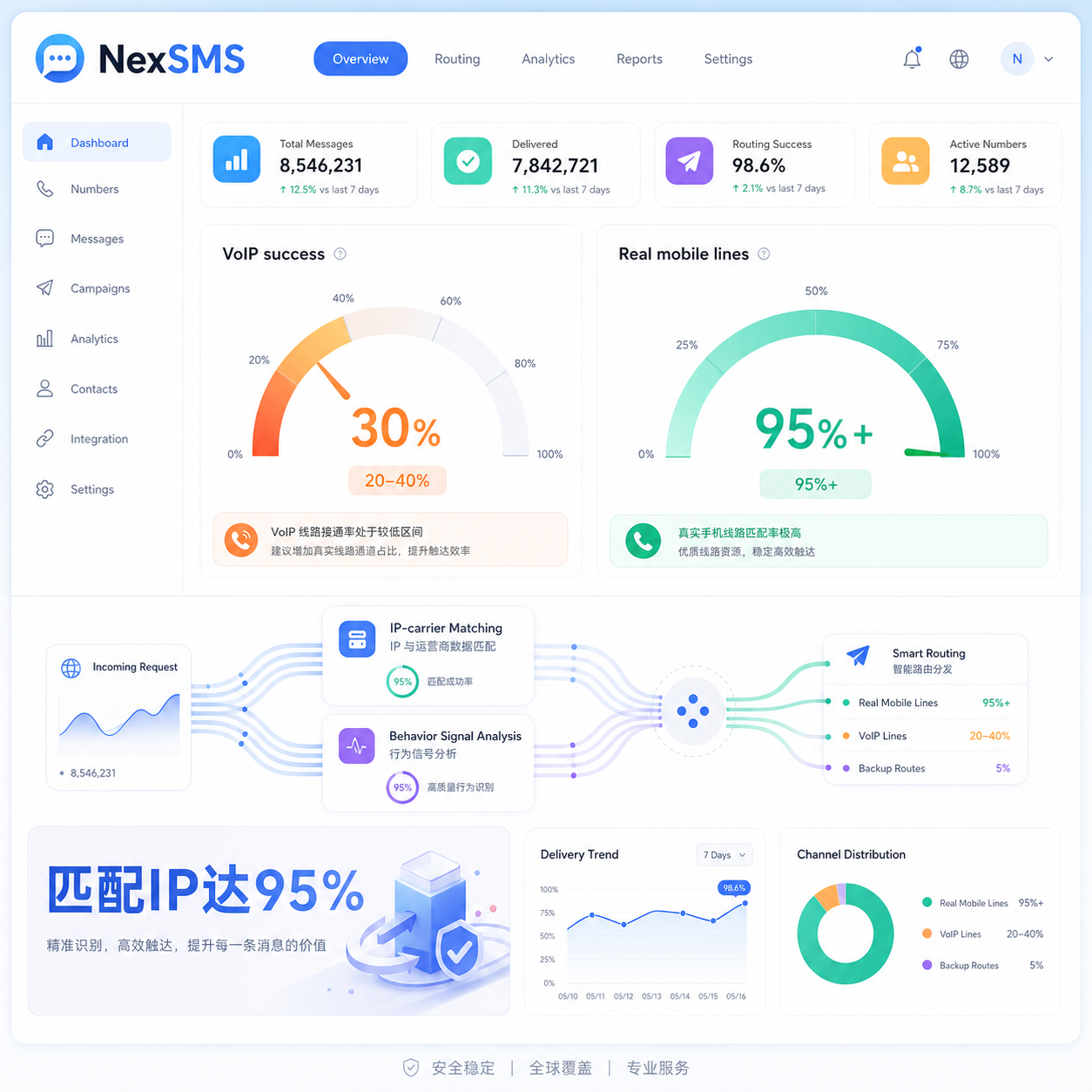
Understanding the mechanism allows for targeted practical actions. First, when selecting numbers, prioritize those backed by real SIM infrastructure rather than pure VoIP pools. Platforms like NexSMS offer SMS reception services with multi-country virtual numbers, suitable for quickly obtaining numbers for registration and verification—just be sure to choose fresher number ranges. After getting a number, don't rush to verify immediately. First test it on a relatively lenient platform to confirm it can receive codes, then use it for the target service. Try to match the IP to the number's country or region; turn off VPNs in odd locations, or use a proxy from the corresponding area. Keep the browser clean: clear cookies, use an isolated profile, and avoid fingerprint cross-contamination.
A practical tip: many platforms route SMS to block virtual numbers but allow voice calls. After requesting a verification code, wait for the countdown to finish, then instead of resending SMS, choose "Call me" or "Voice verification"—a robot will read the code. This trick has a decent success rate on WhatsApp and similar platforms. Don't overuse a single number; 2–3 verifications per month is relatively safe; be even more restrained on high-trust platforms. After successful verification, "nurture" the account for a while before immediately associating it with sensitive operations.
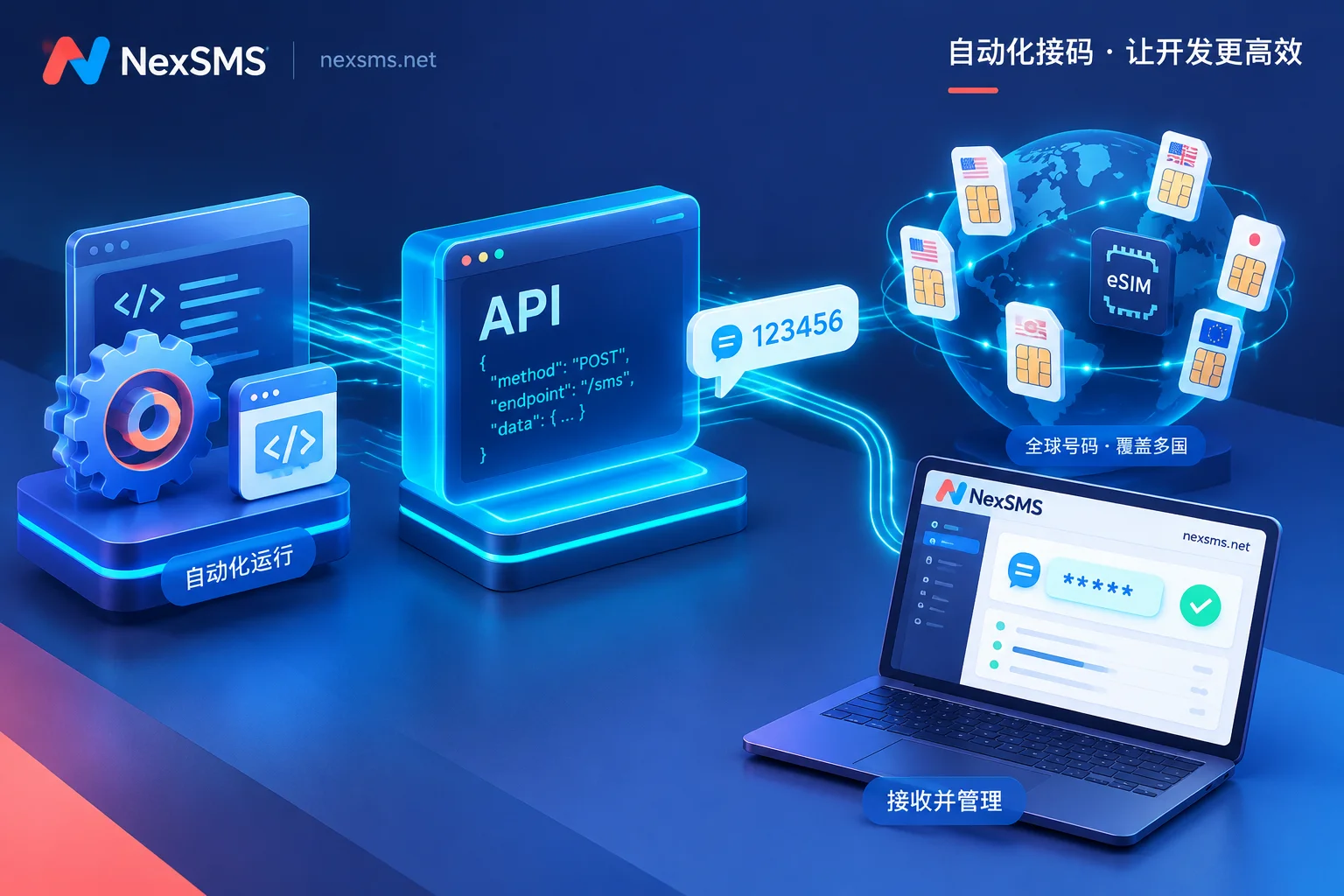
These techniques are especially useful in certain scenarios. When traveling abroad, local food delivery, ride-hailing, and discount apps all require numbers—giving out your real number might result in spam SMS within days. Using a virtual number to receive codes, then discarding it keeps your main number clean. For multi-account operations, isolated verification reduces the risk of main account linkage. For developers or automated testing, temporary numbers quickly verify SMS processes without tying up a real SIM. More cutting-edge is the AI agent scenario: some agents can now automatically order virtual numbers, read verification codes, and complete registration or login using non-VoIP lines that pass detection. Protecting your main number is also important—in SIM swap attacks, hackers gain access to your number to receive OTPs and reset accounts. Delegating non-critical verification to virtual numbers, using your main number only for high-value services like banking, combined with carrier SIM locks and authenticator apps, greatly reduces risk.
Common mistakes to avoid. First, thinking all virtual numbers are the same—public free and private/leased ones differ vastly. Second, only changing the number without changing the environment—IP, device fingerprint, and behavior patterns still match and get caught. Third, repeatedly requesting codes after failure—wastes credits and accelerates the number range being flagged. Fourth, using virtual numbers for high-risk services (finance)—low success rate and may violate terms.
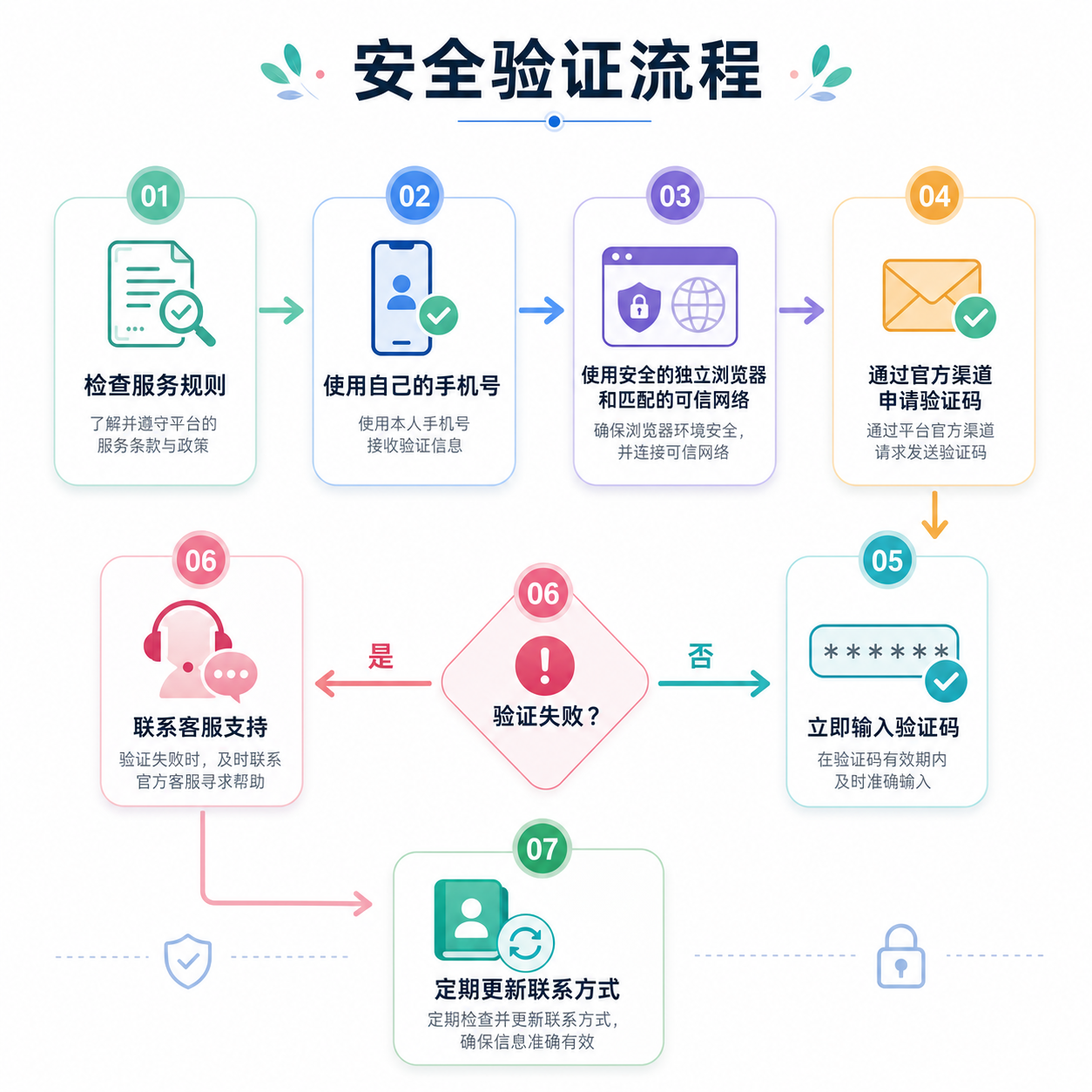
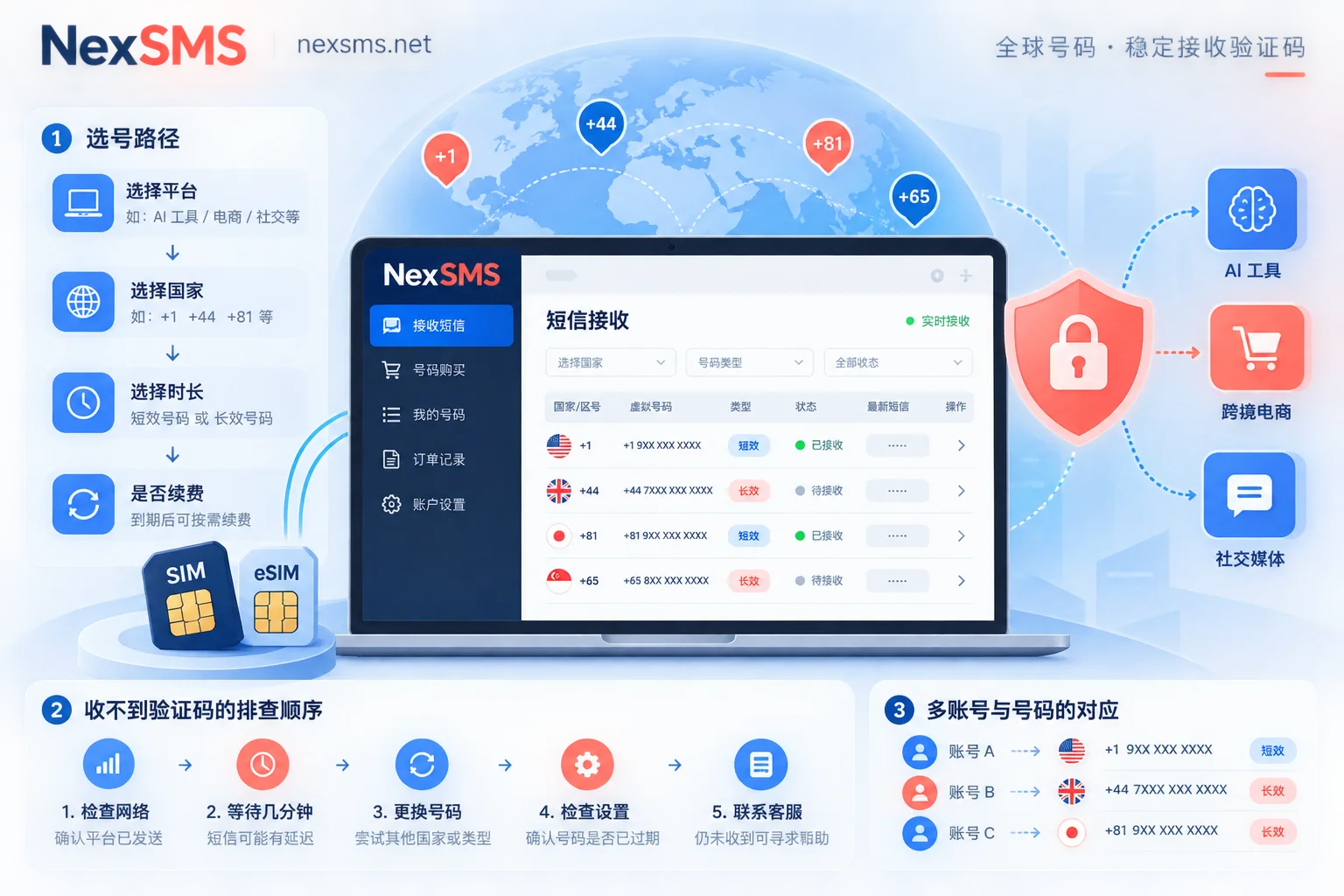
A practical workflow: first assess the target platform's leniency, then obtain a country-specific number via NexSMS, ensuring the line type is as close to mobile as possible. Open a clean browser or isolated environment, align the IP, and prioritize voice verification after submission. After successfully receiving the code, use it immediately without lingering. When failing, diagnose whether it's HLR blocking (switch to non-VoIP), number too new (switch to older number), IP mismatch, or behavioral overheating. Regularly change numbers to avoid overloading a single one.
Virtual numbers are tools for privacy and efficiency, not silver bullets. Platform detection is getting smarter to block mass fraud and fake accounts, but reasonable use still solves many daily pain points: protecting main number privacy, quick testing, multi-scenario isolation. Choose the right service, match the environment, control frequency—and success rates will noticeably improve. For daily registrations, travel needs, development verification, or AI workflows, platforms like NexSMS can be a handy toolkit to quickly obtain usable numbers, letting you focus on real business.
Next time you encounter "invalid number," don't immediately blame the platform. Check your number, IP, and environment against these detection layers. After adjustments, your SMS reception experience will be much smoother.


Comments(0)