 NexSms官方博客
Many people think filling in their mobile number in the registration box of an internet platform is the first step to safety, but the real online environment has turned this habit into a breach of privacy exposure. When various new platforms require mobile number binding, the personal main number is exposed to complex communication routing and data flow.
According to the latest anti-fraud governance regulations released by the UK communications regulator in mid-July, 40% of mobile phone users have encountered suspicious fraudulent SMS in the past three months; in some Asian markets, statistics released in the past week show a 146% year-on-year surge in related fraud cases. With the dual threat of high-frequency harassment and identity binding on the personal main number, relying on SMS receiving to achieve identity isolation between the main number and online services is becoming a routine choice for security-conscious users.
Communication Regulation Upgrades and Credential Exposure Risks
The abuse of fake sender identifiers and fake base stations has weakened the security boundary of traditional SMS verification codes. Many users, when registering for apps daily, fill in their personal mobile numbers indiscriminately, causing numbers to be stored in the user databases of various companies. Once a small or medium-sized platform suffers a data breach, attackers can precisely match mobile numbers with sensitive data like names and social accounts.
In the latest technical review by UK regulators, direct losses due to telecom fraud alone reached £12.8 billion in 2025. Fraud gangs use internet protocol interfaces to forge well-known company names, stuffing phishing SMS directly into users' real chat windows. This attack succeeds repeatedly because attackers already have the user's real mobile number.
When a mobile number is shared across dozens of services, users find it hard to determine which verification code was triggered by themselves. This trust gap sharply increases the success rate of phishing attacks. As long as the user enters a one-time password (OTP) on a phishing page, the corresponding online account faces risk of full theft.
Mainstream Platform Risk Control Evolution and VoIP Number Failure
To cope with increasingly severe automated fraud, mainstream internet platforms have significantly raised risk control thresholds in recent years. Now, when you submit a number on the registration interface, the platform backend calls a number identification interface within milliseconds to check the number's carrier network type.

Free VoIP numbers, once commonly used for privacy protection, now almost completely fail when registering on mainstream social platforms, AI developer tools, or social apps. Once the risk control system detects that the number belongs to a VoIP range allocated by a virtual operator, it directly blocks SMS delivery or even imposes risk control restrictions on the registered account.
A global communication verification platform test analysis released at the end of July pointed out that in actual tests across more than 190 countries and regions, only digital resources running on real cellular networks (Non-VoIP) could maintain stable communication. Data shows that the success rate of verification code delivery based on physical SIM card channels remains high at 96.4%. This means preventing harassment cannot rely on casually applying for a free temporary web number; it must depend on underlying network channels with real operator reputation.
Mechanism of SMS Receiving in Protection Isolation
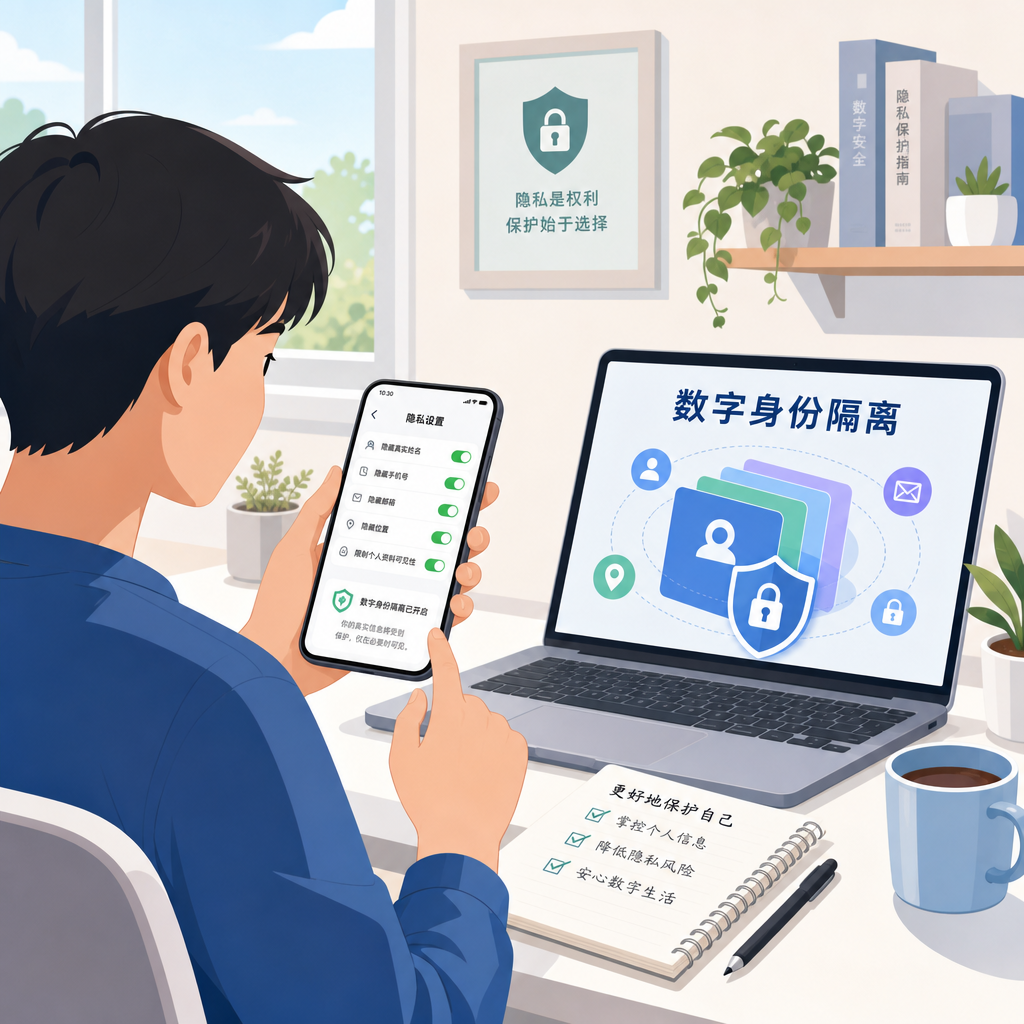
Between complex network risk control and security isolation needs, SMS receiving acts as a relay firewall. Its core value lies in cutting the direct link between real personal identity and digital accounts, preventing the main number from settling in untrusted network databases.
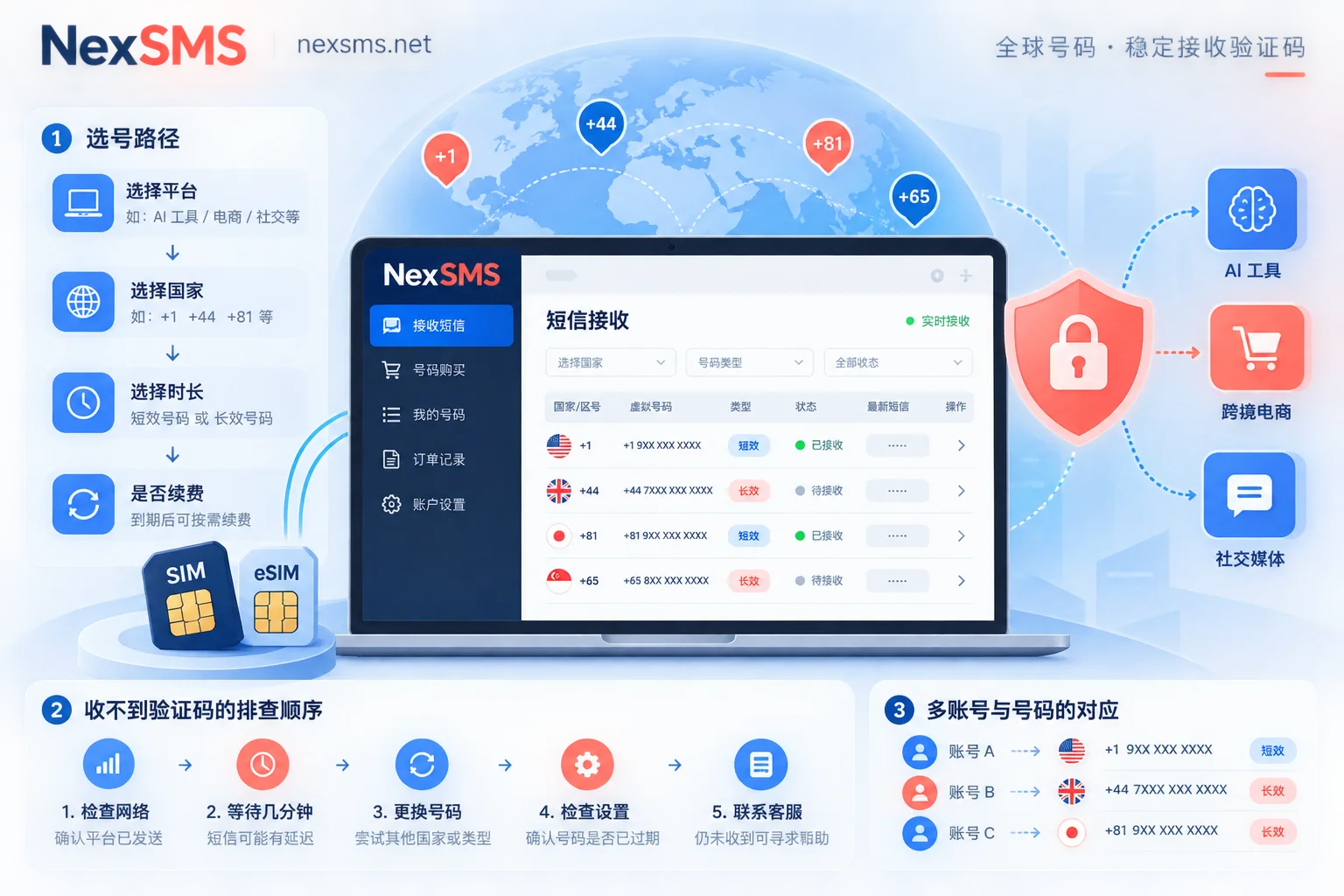
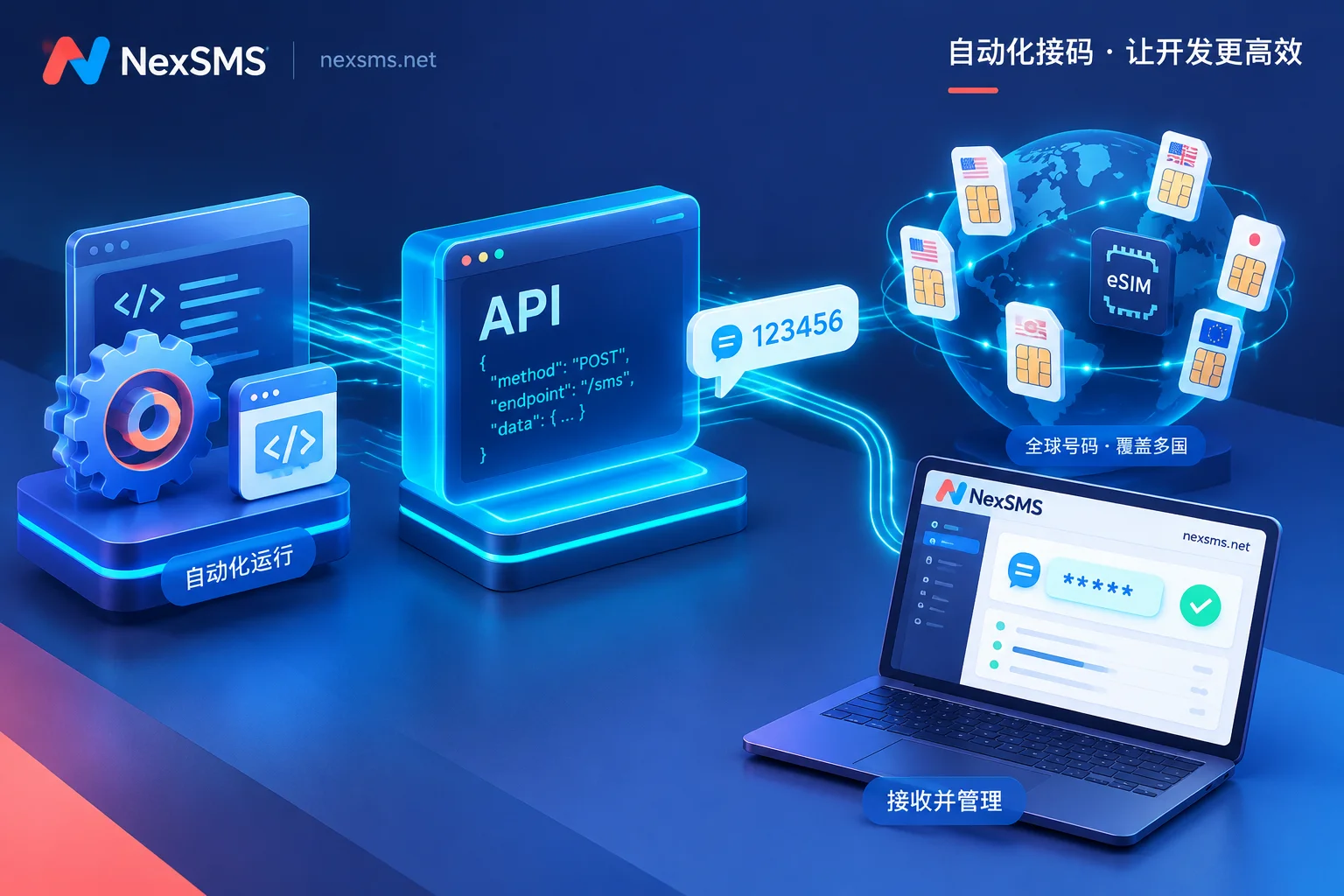
Architecturally, such services directly receive verification codes sent by target platforms through cloud routing and display them in a private panel. Users do not need to insert a physical card into their phone to complete one-time identity verification.
In practice, SMS receiving shows clear mechanisms in preventing tracking and improving verification success rates:
- Identity Decoupling: Use independent temporary numbers when registering on new platforms. Even if that platform suffers a database leak in the future, hackers cannot trace back to the real personal mobile number or physical location.
- Risk Isolation: Unbind daily shopping, social testing, or temporary tool registrations from personal banking and main social accounts, preventing one leak from leading to chain theft of multiple accounts.
- Real Base Station Channels: Access via cellular network physical card resources smoothly bypasses strict filtering of VoIP numbers by major platforms, ensuring timely delivery of verification codes.
- In-Memory Communication: Verification codes are automatically cleared after receipt or upon reaching a time limit; data is not stored in public media, preventing secondary information interception.
To meet increasingly complex risk control challenges, in NexSMS's scheduling architecture, the channel scheduling system matches the local cellular network of the corresponding country in real time to ensure OTPs pass smoothly through the platform's operator detection at the moment of delivery.
Practical Suggestions for Building Personal Digital Identity Isolation
For security-conscious individuals or enterprise testers, reasonably planning the layered use of digital identities is crucial.
The first layer is core asset accounts. Core services involving mobile payments, main email, and important social relationships should be bound to a physical mobile number in the user's real name, with hardware key or TOTP two-factor authentication enabled. Never expose the main number on unfamiliar websites.
The second layer is edge and test accounts. When trying new software services, registering for temporary discount accounts, or conducting overseas business research, use temporary verification nodes provided by NexSMS to receive verification codes, keeping privacy risks within a safe range while completing registration.
When choosing related verification tools, avoid free SMS receiving web pages where all users share the same list of numbers. SMS content in public receiving pools is visible to everyone, easily leading to personal accounts being taken over by others through the "forgot password" function. Choosing professional services with independent private sessions and real-time automatic refund guarantee mechanisms is the proper way to ensure long-term account security.
Cleaning up long-unused service bindings is also an important part of risk prevention. By isolating the main number in a safe zone, even as automated fraud and targeted harassment against mobile numbers continue to rise in the network environment, personal life and core digital assets remain behind a protective barrier.


Comments(0)