 NexSms官方博客
Growth Logic Behind Latest Virtual Phone Number Market Data
An industry report released last week shows the global virtual phone number market reached $8.2 billion in 2025 and is expected to expand to $16.8 billion by 2034, with a compound annual growth rate of 8.9%. The Asia-Pacific region contributed a 38.2% share, and cloud deployment accounted for over 72%. These figures are not baseless—they are driven together by the normalization of remote work, the expansion of cross-border business, and rising privacy awareness.
At the same time, clear signals emerged from carriers in mid-July. A major telecom group launched a new generation of number verification services globally in Germany, the Netherlands, and the UK simultaneously. The core approach is to replace traditional SMS one-time passwords (OTPs) with network-side silent verification. The official statement made it clear that SMS OTPs are susceptible to phishing, social engineering, and fake traffic attacks, and can no longer match the current threat landscape. The verification process becomes smoother, nearly imperceptible to users, and enterprise conversion rates are expected to improve.
Cross-referencing the two data sets paints a clear picture: the A2P SMS market is projected to grow from approximately $52.28 billion in 2025 to $54.22 billion in 2026, with the authentication and security segment growing faster at over 7%. SMS marketing use cases surged 34% year-over-year. Platforms still rely heavily on SMS verification, but the risks of exposing primary numbers, SIM-related attacks, and multi-account needs naturally push users toward virtual numbers.
Actual Use Cases for Virtual Numbers After the Carrier Shift
Many users find that verification codes for finance, social, and e-commerce apps are still primarily via SMS. Even if some services begin piloting network-based verification, coverage is far from globally unified, especially in emerging markets and on small-to-medium platforms. In such cases, temporary or long-term virtual numbers serve as a buffer.
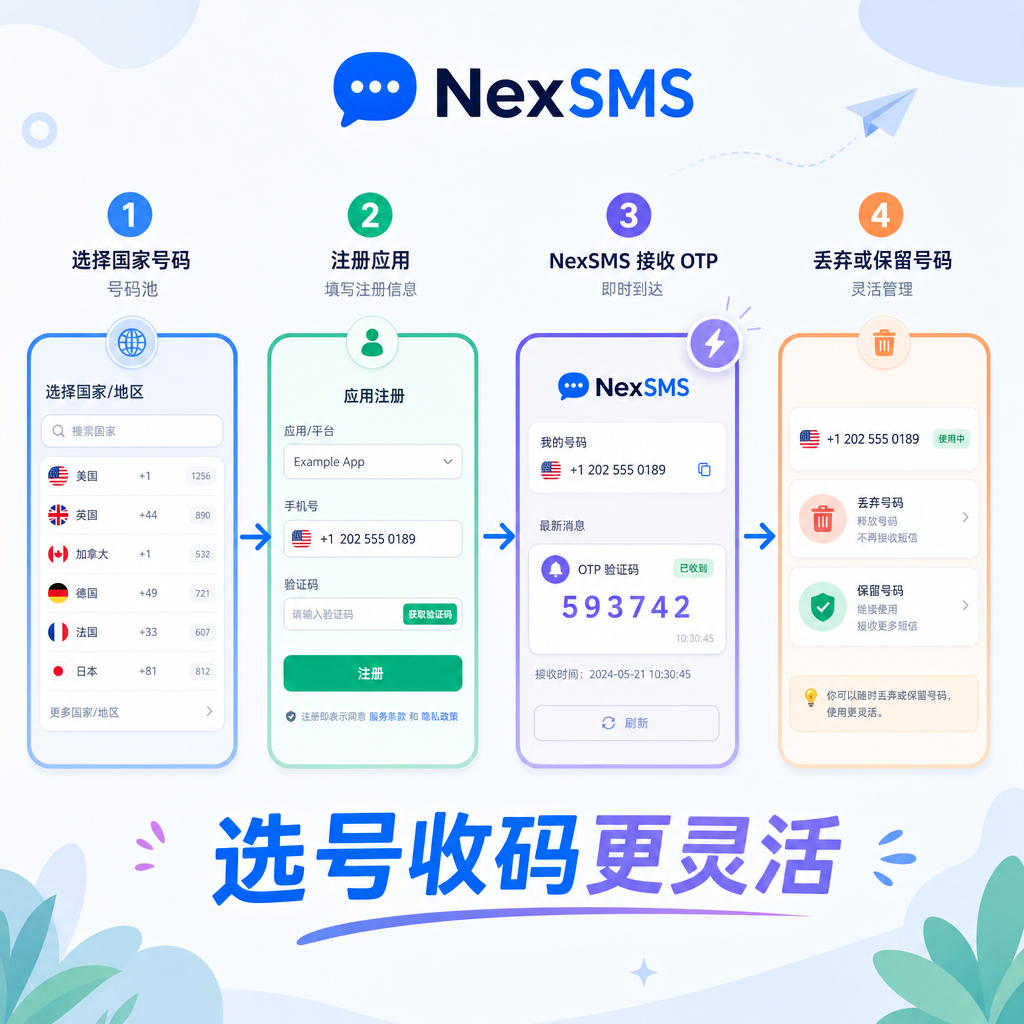
During everyday registrations, using a virtual number directly to receive verification codes keeps the primary number clean. This is especially evident for multi-account operators—each service gets an isolated number, limiting impact when an account is banned or privacy is leaked. Freelancers connecting with overseas clients, testing new apps, or signing up for short-term events can quickly switch numbers.
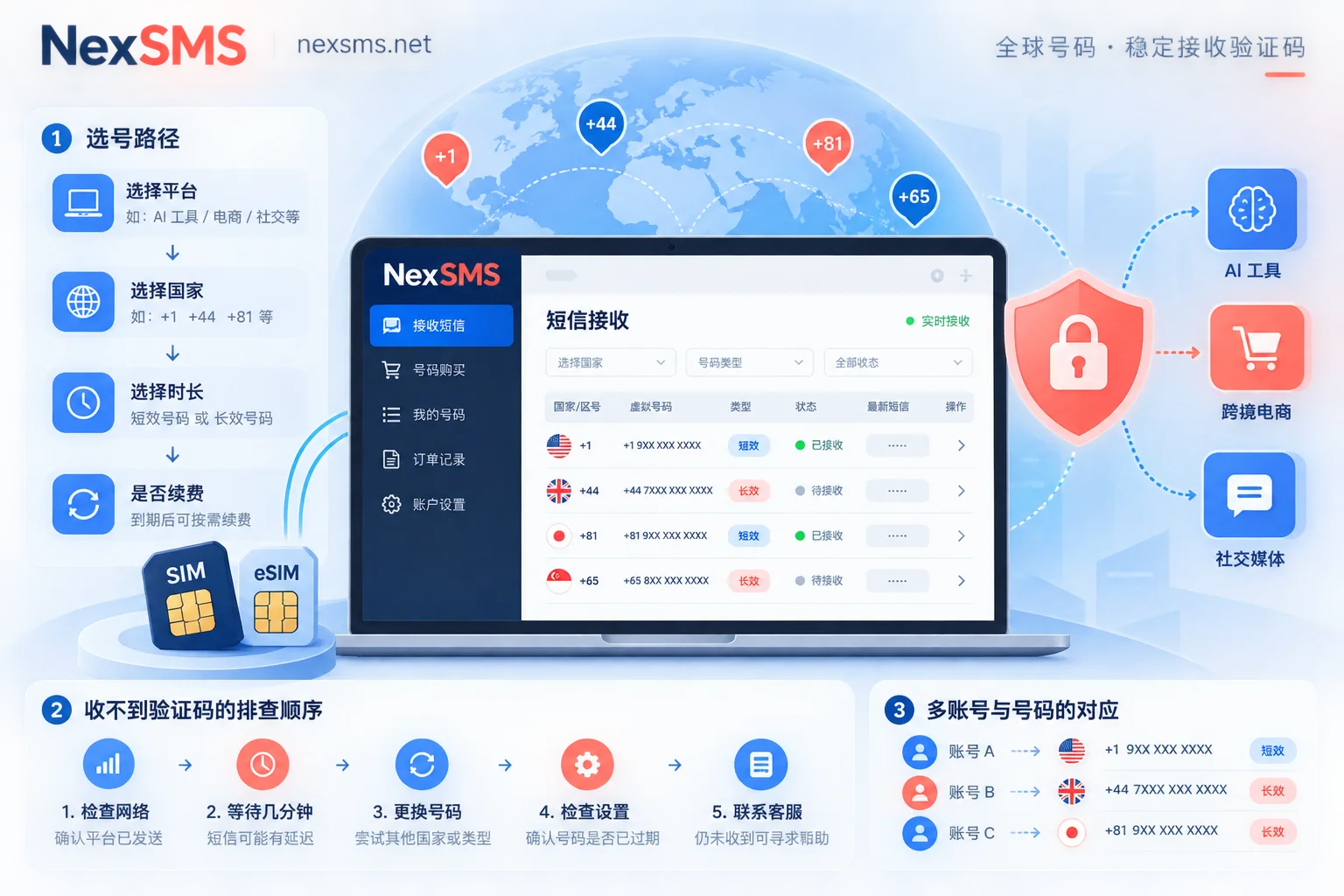
SMS reception platforms like NexSMS fit perfectly into this scenario: number selection, code reception, and viewing history are centralized in one interface, supporting numbers from multiple countries, suitable for scenarios requiring stable reception. In practice, users first filter the target country's number pool, submit a registration, and see the verification code push within seconds. They can discard the number or renew it for continued use, which is more flexible than physical SIM cards.
Recent case studies shared by industry insiders confirm this. Some people use virtual numbers to set up social accounts independently, never exposing their real numbers, completely separating business accounts from personal life. Similar practices are becoming increasingly common among cross-border sellers and content creators.
Three Changes Most Concerning for SMS Platform Users Amid Data Trends
High market growth does not mean any tool will do. Combining the latest reports and industry dynamics, several trends are worth noting:
- Although authentication-related SMS accounts for a high share, platform risk controls are also upgrading. Virtual numbers need to be selected from pools with high activity and clean histories to maintain stable success rates.
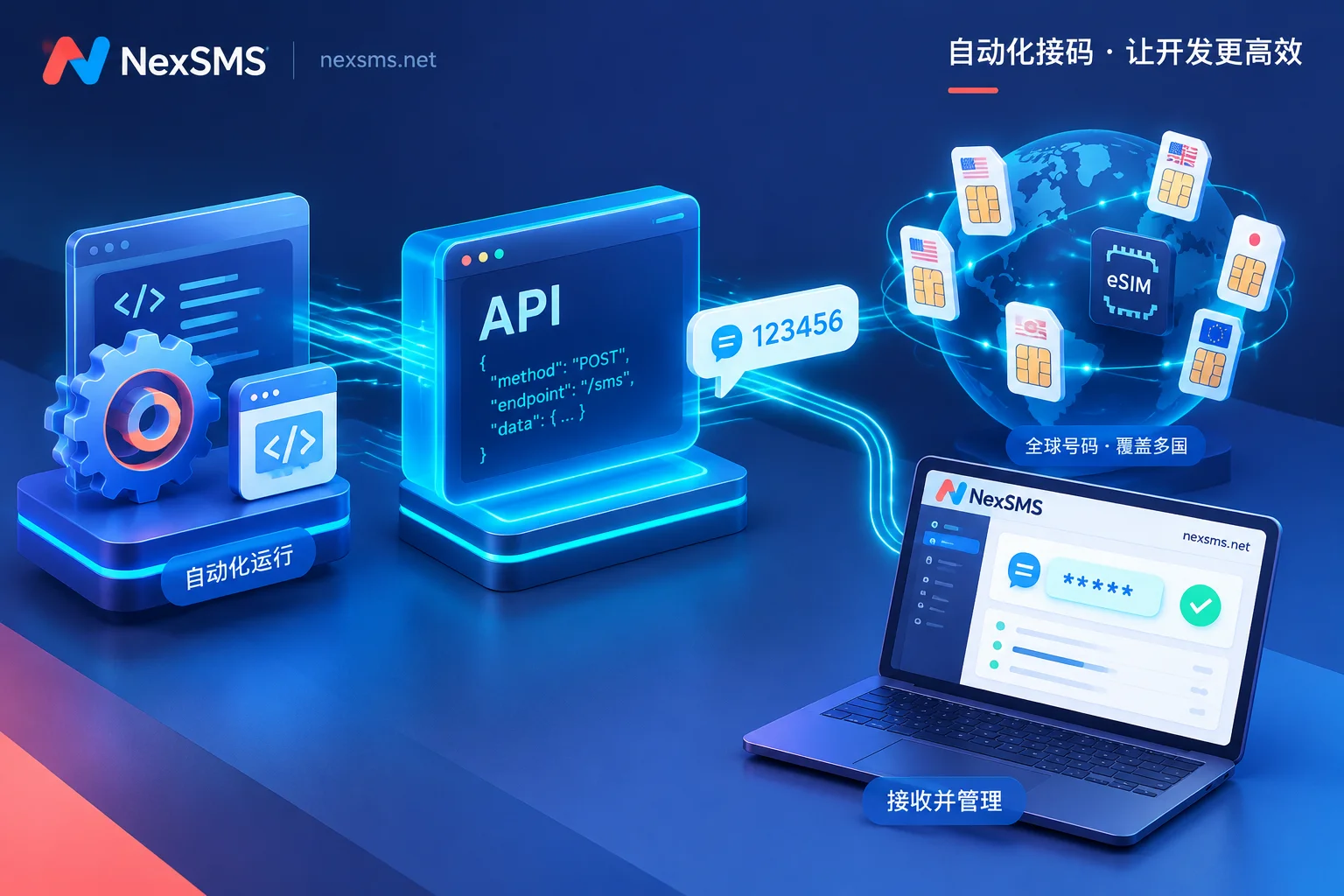
- Cloud-native and API-based approaches are becoming mainstream, allowing individual users to enjoy near-enterprise-grade multi-number management.
- Privacy regulations are tightening, and primary number isolation is shifting from "optional" to a must-have for many, especially for services involving payments and identity.
- After carriers promote new verification methods, SMS OTPs for some high-value scenarios will decrease, but long-tail platforms and backup verification will remain.
- Asia-Pacific leads in growth, making localized numbers and Chinese-language support for SMS reception more popular.
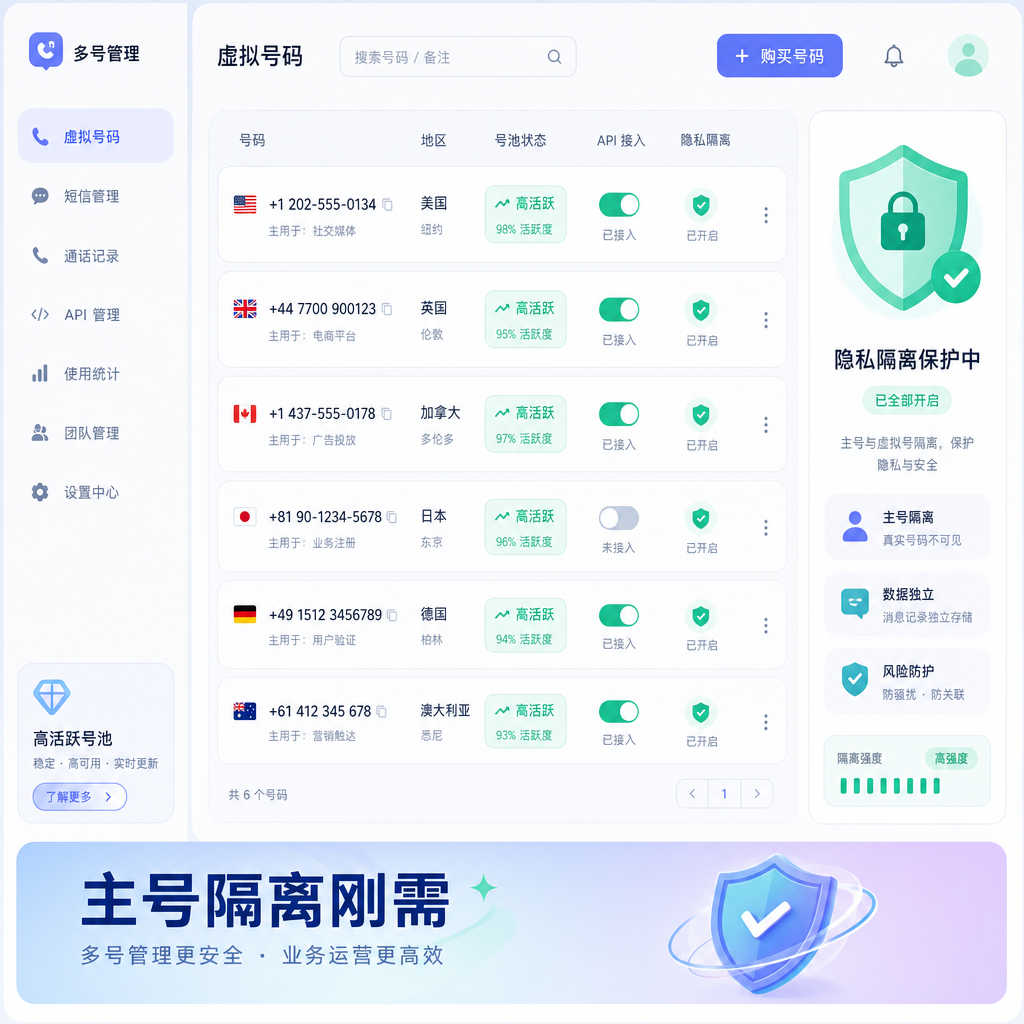
These changes are directly reflected in user behavior. Previously, many people only used virtual numbers temporarily during registration; now more users treat them as long-term privacy tools. NexSMS is often used in real scenarios for persistent isolation: binding common services, regularly checking reception records, and immediately switching numbers when anomalies appear, keeping the primary number almost completely unexposed.
Will SMS Verification Demand Continue to Rise in 2026?
Based on current data, the answer leans toward yes. The 8.9% compound growth of the virtual phone number market, combined with the moderate expansion of A2P and the faster pace of the authentication segment, indicates the demand foundation remains solid. Carriers promote network verification to reduce fraud and improve the user experience, but global adoption takes time, and SMS remains a fallback in many areas.
For ordinary users, this means two things. First, protecting the primary number becomes more important—don't tie all verifications to a single physical SIM card. Second, when choosing an SMS reception tool, prioritize number freshness, reception stability, and multi-country coverage, rather than simply comparing prices.
The combination of carrier moves in mid-July and the latest market valuation sends a clear signal: virtual numbers are not a fringe tool but an increasingly core component of the SMS verification ecosystem. In the coming months, with more reports and real-world cases emerging, this trend will only become more evident. Using them well can significantly ease registration, operations, and privacy protection.


Comments(0)