 NexSms官方博客
In mid-July, social platforms saw a surge in posts sharing free virtual numbers, claiming you could get temporary numbers from multiple countries to receive global OTP codes at zero cost. These services quickly gained popularity, with many trying them for "free + instant use." However, in practice, common free numbers often fail to receive codes, get flagged by platforms, or expose messages to others. Behind the free craze lies the real need for a SMS verification platform that delivers codes quickly and reliably. When choosing, don't just look at price; compare across multiple dimensions.
Free Public vs. Private Numbers: Understand the Core Difference First
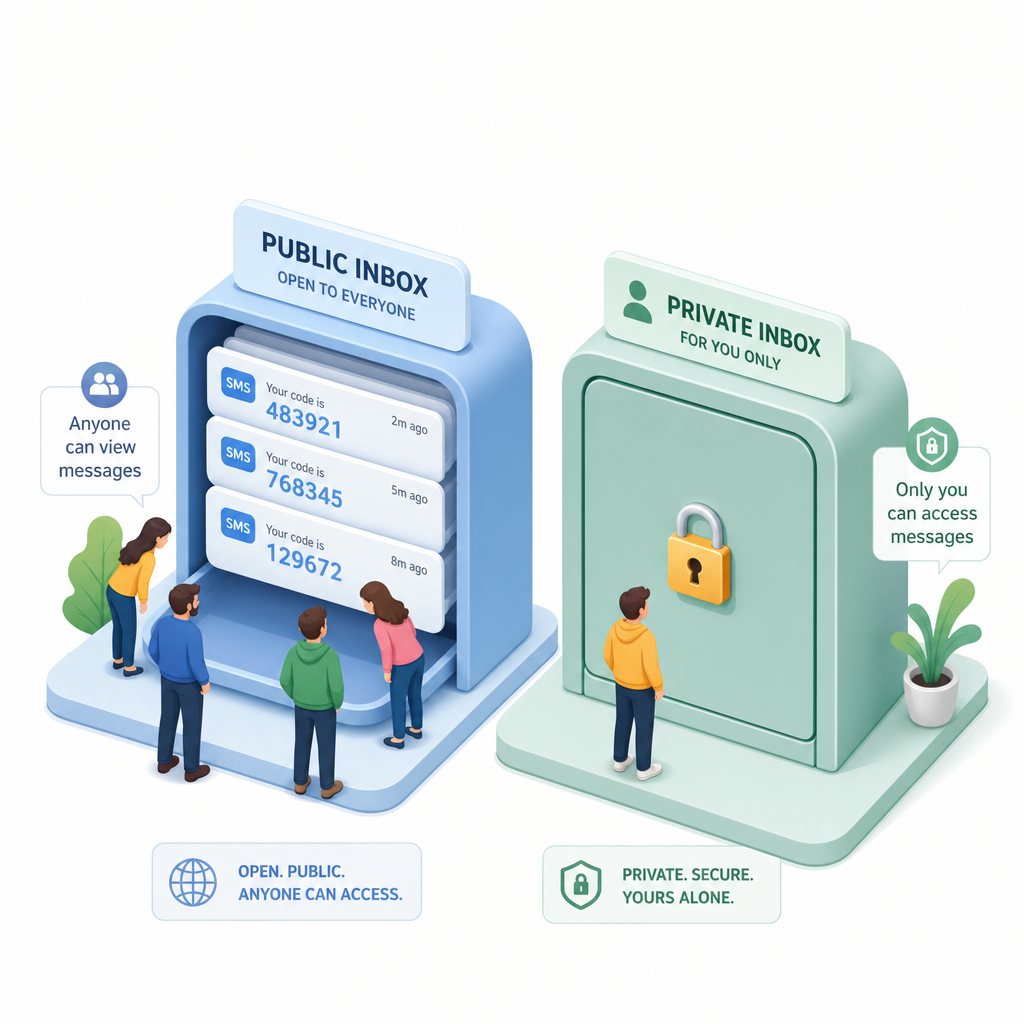
Free public virtual numbers are typically listed in open directories, where anyone can pick them and view the inbox. They're suitable for occasional testing or low-risk registrations, refreshed frequently, but overused numbers often get blacklisted by target platforms. Some sites explicitly compare: free public numbers cost nothing, have public inboxes, limited reuse, and reliability depends on the sender's policy; private numbers are paid, offer a personal dashboard, are better for repeated access, and provide more stable support.
Most of the widespread free services in mid-July are of the public type. Some users reported that after downloading or joining groups, they still couldn't receive codes, wasting time. Private numbers are assigned by the platform with dedicated lines, where messages are visible only to you, offering higher success rates. When choosing an SMS verification platform, first ask yourself: Is this a one-time trial or long-term account maintenance? For one-off, low-risk use, opt for free public numbers; for stability or sensitive scenarios, go private.
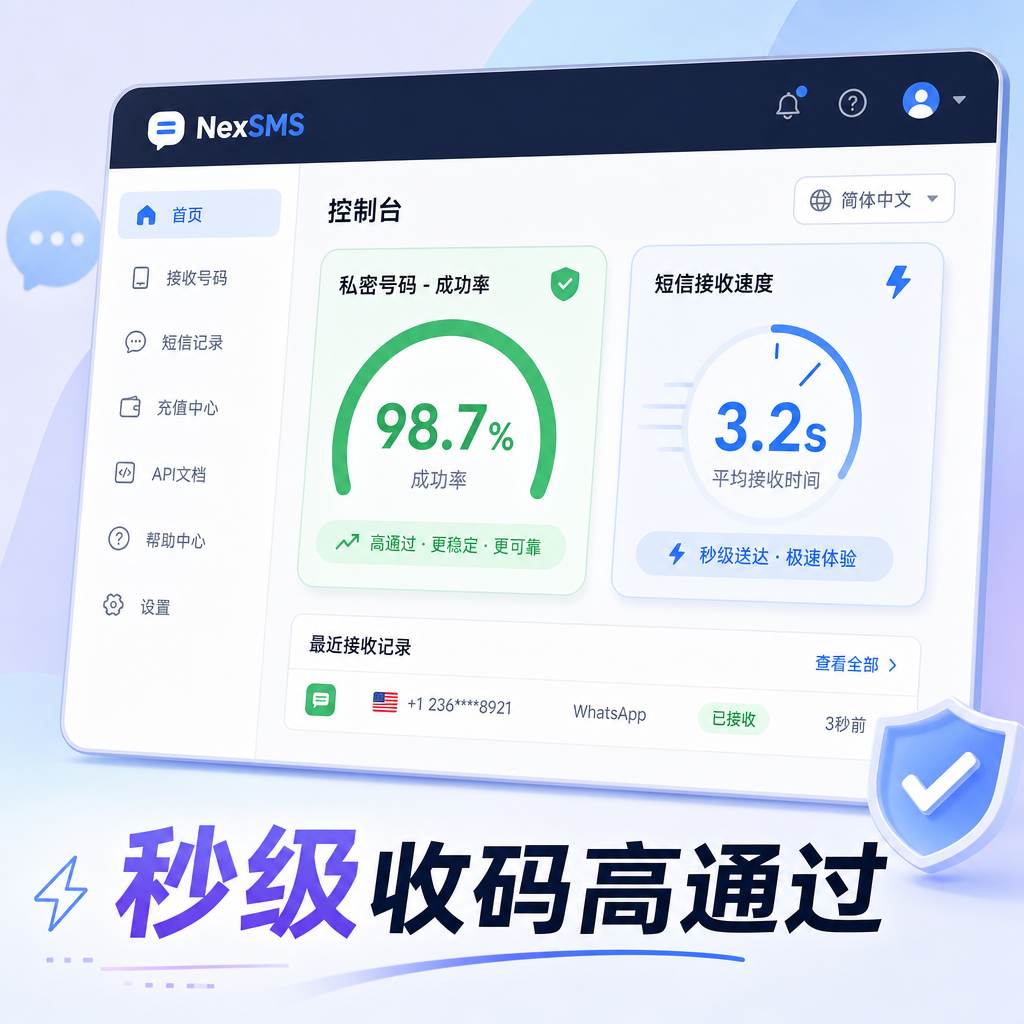
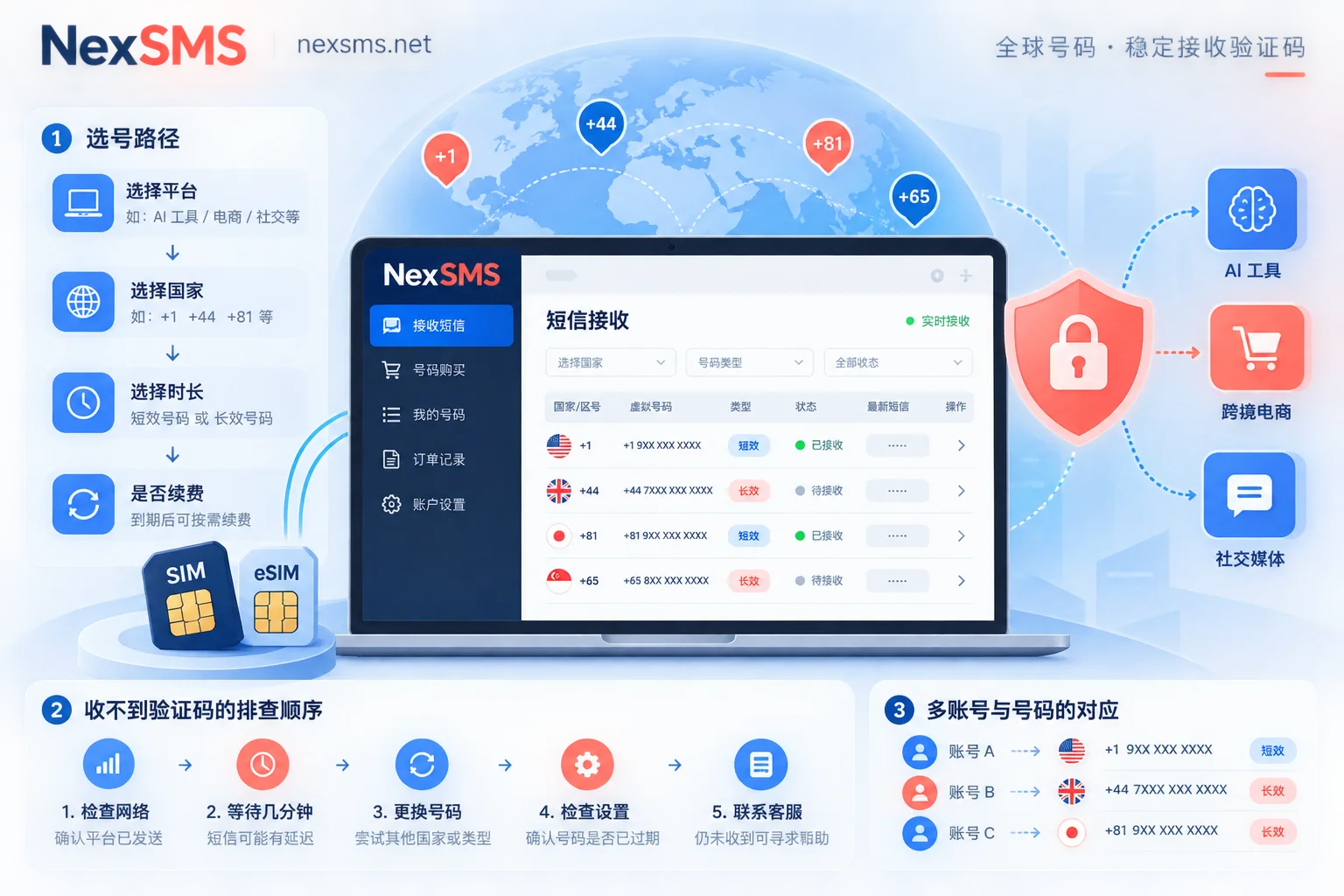
Platforms like NexSMS offer private virtual numbers. After registration, select a country and service to get a dedicated number within seconds, and verification codes appear in your personal panel, avoiding the awkwardness of a public inbox.
Success Rate and Number Quality: Focus on Delivery Speed and Acceptance Rate
The biggest pain point with free numbers is fluctuating success rates. Numbers are recycled quickly; if a user just used a service, the next attempt is likely rejected. Delays are common—sometimes refreshing multiple times yields a code, or none at all. Paid private numbers often have better routing or real lines, delivering faster and accepted more by mainstream platforms. Analysis shows free services often fail in critical or high-security scenarios, while paid services are significantly more stable.
When comparing dimensions, focus on:
- Average code receipt time (seconds vs minutes)
- Actual pass rate for popular services (social, e-commerce, tools)
- Whether non-VoIP or real SIM numbers are supported
- Automatic refund or retry on failure
- Number freshness and rotation frequency
During the July craze, free numbers claimed "any country globally," but many only covered popular regions, leaving less common countries empty. When selecting, choose platforms that display real-time available numbers and success rates.
Coverage and Use Case Match
Free services often boast "any country," but the list is heavy on the US, UK, India, etc., with few for minor languages or emerging markets. Private number platforms usually have a more complete country pool and allow filtering by service (e.g., numbers designated for a specific app). If you run cross-border business or need specific area codes, coverage breadth determines usability.
Use cases also matter: for e-commerce shopping or temporary logins, short-term numbers suffice; for multi-account management or long-term 2FA, choose numbers that can be rented for days or months. Some platforms differentiate between one-time activation and rental, allowing repeated code receipts during rental. The July free promotions targeted "take and use" scenarios, suitable for occasional needs but not sustained use.
Privacy and Security Boundaries: The Risk of Public Inboxes Can't Be Ignored
The biggest risk with free public numbers is the public inbox. Anyone refreshing the page can see your verification code. Never use them for sensitive operations (banking, payments, primary account binding). Messages may persist, visible to the next user. Private numbers isolate access, visible only when logged in, often paired with encrypted transmission for greater security.
Starting July 1, Australia enforced the SMS Sender ID Register, requiring branded SMS to register sender IDs; unregistered ones are marked "Unverified." This aims to combat impersonation and scam SMS. Such regulation will push platforms to scrutinize number sources more strictly, making shared public numbers more prone to flagging or blocking. When choosing an SMS verification platform, prioritize those emphasizing private lines, no data sharing, and encrypted payment.
With NexSMS, after selecting a number, wait for the code in your panel; the entire process occurs within your personal account, without worrying about public page leaks.
Stability, Support, and Scalability
Free services generally lack customer support. If issues arise, you simply switch numbers and retry. Paid platforms usually have a balance system, failure refunds, API interfaces, and batch retrieval. Over long-term use, these details save time. Some sites also offer public + private dual modes, letting users switch as needed.
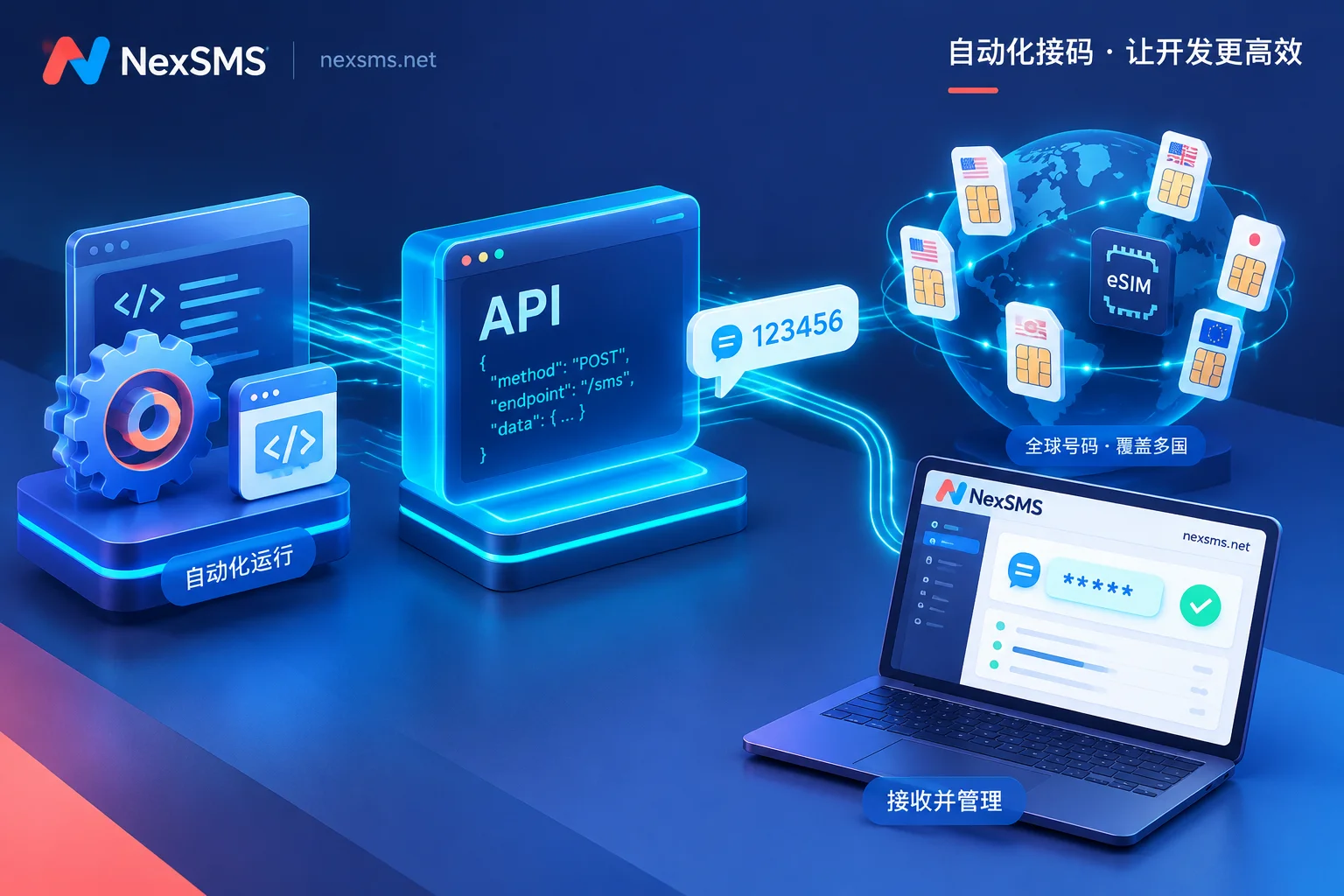
Add two more points: payment convenience (multi-currency or crypto) and API availability for automation. The July free craze gave many a taste of the benefits but also exposed the limits of public numbers. Truly reliable selection treats free options as supplements and stable private numbers as the mainstay.
Overall, there is no "best" SMS verification platform, only the one that best matches your current scenario. Free public numbers are good for quick trials; private numbers lead in success rate, privacy, and reusability. Next time you see a "global free OTP number" share, run it through the five dimensions: type, success rate, coverage, privacy, and support. When you need stable private lines, use NexSMS to select and receive codes, completing verification in a few steps without repeated trial and error.


Comments(0)